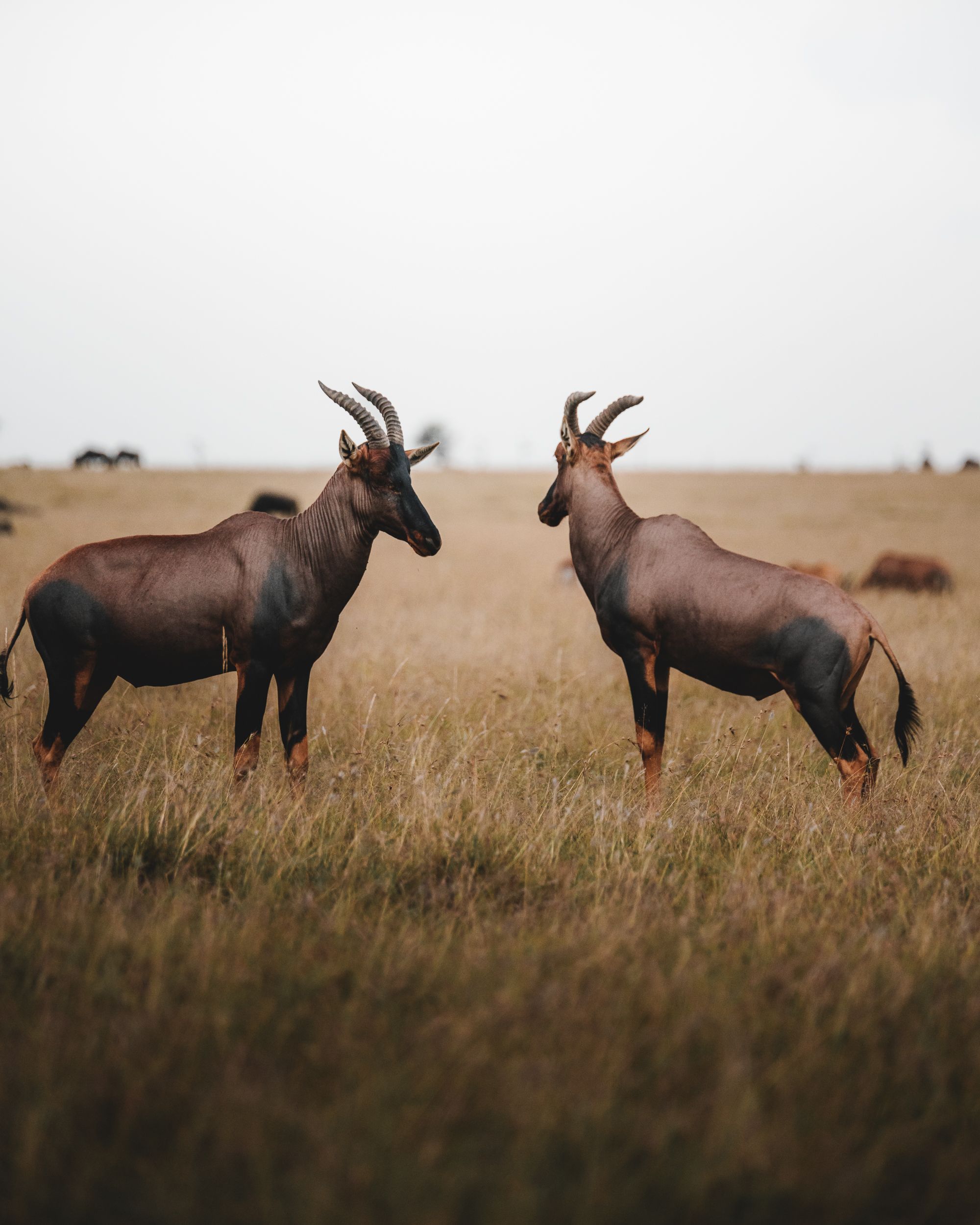
A two-week Kenya safari, day by day, covering Ol Pejeta, Samburu, the Rift Valley, the Mara and Amboseli at a pace you can enjoy.
Quick answer: A 14 day Kenya safari lets you see the country properly: the north (Ol Pejeta and Samburu), the Rift Valley, the Masai Mara and Amboseli, with at least two nights at each stop. The plan below follows that circuit. It starts and ends in Nairobi and keeps the longest drives to between five and six hours.
Details checked in October 2026. Order of stops can be reversed to suit flights and the season.
The 14 day Kenya safari at a glance
Days
Where
Why
1
Nairobi
Arrival and a first look at the city
2 to 3
Ol Pejeta
Rhinos, including the last northern whites, and chimpanzees
Days 2 and 3: Ol Pejeta. Drive north toward Mount Kenya, around four hours. Spend two days on game drives and visit the chimpanzees. Read the Ol Pejeta guide.
Days 4 and 5: Samburu. Continue north into drier country. Samburu is where you look for reticulated giraffe, Grevy’s zebra and gerenuk. See the Samburu guide.
Day 6: Samburu to Lake Nakuru. This is a long travel day, so keep your expectations modest. A late afternoon game drive at Nakuru is a bonus. Lake Nakuru guide.
Day 7: Naivasha and Hell’s Gate. A gentler day: walk or cycle among zebra and giraffe in Hell’s Gate, then relax by the lake. Naivasha and Hell’s Gate guide.
Days 8 to 10: Masai Mara. Three nights give you time for full-day drives and a conservancy visit if you choose. Our Mara guide has the details, and reserve or conservancy helps you decide.
Day 11: Mara to Amboseli. Fly from the Mara to Wilson Airport and on to Amboseli. This saves the longest transfer on the circuit.
Days 12 and 13: Amboseli. Elephants, swamps and a good chance of clear views of Kilimanjaro at sunrise. Amboseli guide.
Day 14: Return to Nairobi. A morning drive, then the road back in time for an evening flight. Leave a margin of several hours.
July to October is the busiest and best time for the Mara because of the migration. January and February are hot and dry, good for Samburu and Amboseli. The rains in April and May bring lower rates and green landscapes, but some roads are slow. See best time to visit Kenya and weather by month.
Is two weeks too long?
Not on this plan, because it changes scenery every few days. The risk is not the length but trying to add too many stops. If you want a shorter version, our 10 day itinerary trims the north, and the 7 day plan focuses on the highlights.
Our advice: Do not squeeze in more parks. We would rather give you three nights in the Mara than add one more stop, and a lighter day around the middle of the trip is worth building in.
Safaris that fit this guide
These Cherish Africa Safaris trips match what this guide covers. We can adjust any of them to your dates, group size and budget.
A 14 day Kenya safari is the trip for travellers who want to understand the country rather than just visit a park. Two weeks lets you combine very different habitats: the highland conservancies of Laikipia, the dry northern reserves of Samburu, the Rift Valley lakes, the grasslands of the Masai Mara and the swamps of Amboseli. Instead of ticking off animals, you start to notice how landscapes, people and wildlife connect. It also allows rest days, so you do not arrive home needing a holiday from your holiday.
Highlights of the 14 day Kenya safari circuit
Ol Pejeta Conservancy: home to the last two northern white rhinos on Earth, both females, protected around the clock, along with a chimpanzee sanctuary and a good population of black rhino. Read our Ol Pejeta guide.
Samburu National Reserve: dry-country species such as Grevy’s zebra, reticulated giraffe, gerenuk, Somali ostrich and beisa oryx, the so-called Samburu Special Five. See the Samburu Special Five and the Samburu reserve guide.
Lake Nakuru: rhinos, birds and a compact park that is easy to explore. See the Lake Nakuru guide.
Naivasha and Hell’s Gate: a break from vehicles, with boat rides and walking or cycling among cliffs. Read the Naivasha guide.
Masai Mara: the big-cat capital, with the migration from roughly July to October. See the Great Migration guide.
Amboseli: elephants against Kilimanjaro. See the Amboseli guide.
How to pace a 14 day Kenya safari
The biggest risk on a long itinerary is spending too much of it in a vehicle. This plan keeps the longest drives to around five to six hours and places rest days or lighter days after them. Spend at least two nights at each major stop. Mix busy game-drive days with quieter mornings, and use lodges with pools for afternoon rests. If you travel as a family or with older guests, you can replace one road transfer with a short flight, for example to or from the Mara, and cut the total driving time. Remember that road conditions and weather can change timings, so build in flexibility.
Options and variations
You can reverse the circuit to suit your flights or the season, or trim the northern section to shorten the trip. Add the coast for a beach finish: read our guides to a safari and beach holiday and Diani Beach. If you are pressed for time, our 10-day itinerary keeps the heart of the route. Travellers who prefer a lighter option can choose the 6-day plan.
Best time for a 14 day Kenya safari
July to October is best for the migration, but it is also the busiest and most expensive time. January and February are hot and dry, with excellent game viewing and fewer visitors. The long rains from March to May and the short rains in November are quieter and greener, and you may find lower rates, though some northern roads can be difficult. Because a two-week trip crosses several climate zones, expect warm days in Samburu and cooler mornings in the highlands and Mara. Use the best time to visit Kenya guide when picking dates.
Who should book a 14 day Kenya safari?
Two weeks suits honeymooners, retirees, photographers, repeat travellers and families with older children. It also suits anyone who enjoys variety and does not want to rush. If you want a quieter trip with more time for each place, consider fewer stops rather than shorter stays. Read our honeymoon safari and solo female travel guides for tailored advice.
Practical preparation for two weeks on safari
A longer trip means more careful packing. Bring layers, quick-drying clothes, a laundry plan (most lodges can wash clothes for a fee or for free) and a spare pair of shoes. Take enough prescription medicine for the whole trip plus extra, and carry the prescriptions. Make sure your travel insurance covers the full period and medical evacuation. Our travel insurance guide, vaccination checklist and Kenya safari travel checklist cover the details. Budget carefully: see the cost breakdown for what affects the price of a longer safari.
Making the most of two weeks
Keep at least one day with no fixed plan so you can follow a sighting or simply rest.
Choose a private vehicle and a driver-guide you get on with, because you will spend a lot of time together.
Vary your activities: add a walk, a village visit, a boat trip or a balloon flight.
Keep a journal or photo log. Two weeks of sightings blur quickly.
Tell us about any dietary needs or mobility concerns early so lodges can prepare.
Is a 14 day Kenya safari worth the extra cost?
A 14 day Kenya safari costs more in total, but the cost per day often falls because you spend less on transfers and can negotiate longer stays at the same camps. What you gain is depth: you see more species, you are less likely to miss a key sighting, and you get time to adjust to the rhythm of the bush. If your budget is limited, consider keeping the length and choosing mid-range lodges rather than cutting days. If your time is limited, a shorter circuit still gives a real taste of Kenya. We are happy to quote both versions so you can compare.
Ready to plan your 14 day Kenya safari?
Tell us your dates, interests and group size, and we will draw up a day-by-day plan with realistic drive times, park fees confirmed in writing and lodges chosen to suit your pace. Get in touch and we will start from there.
Frequently Asked Questions
How many parks can I see in 14 days?
Five or six comfortably: for example Ol Pejeta, Samburu, Lake Nakuru, Hell’s Gate, the Mara and Amboseli.
Is 14 days too long for a Kenya safari?
Not if you vary the scenery. Two weeks suits travellers who want to see the north as well as the famous southern parks.
Can I add the beach to a 14 day safari?
Yes. Many guests finish with three to four days on the coast at Diani or Watamu.
Should I fly or drive between parks?
A mix works best. Drive the shorter legs and fly the longest one, such as Mara to Amboseli, to save time.
What is the best month for a two-week safari?
July to October for the migration, though January and February are also excellent for dry-country parks.
Plan it with people who live here
We are a Nairobi-based team and every trip starts from our own doorstep. If you would like help turning these ideas into a real itinerary, message us on WhatsApp (+254 794 588 242), write to info@cherishafricasafaris.com, or use our contact form. We usually reply the same day.
Francis Magere
Specialist Safari Content
Francis writes and curates the safari guides, destination features and travel tips on this site. Working with the Cherish Africa Safaris team in Kenya, he turns first-hand knowledge of the parks, wildlife seasons and routes into clear, practical advice, so you can plan your safari with confidence.
Have a question about a destination or an itinerary? Write to him directly.
To provide the best experiences, we use technologies like cookies to store and/or access device information. Consenting to these technologies will allow us to process data such as browsing behavior or unique IDs on this site. Not consenting or withdrawing consent, may adversely affect certain features and functions.
Functional Always active
The technical storage or access is strictly necessary for the legitimate purpose of enabling the use of a specific service explicitly requested by the subscriber or user, or for the sole purpose of carrying out the transmission of a communication over an electronic communications network.
Preferences
The technical storage or access is necessary for the legitimate purpose of storing preferences that are not requested by the subscriber or user.
Statistics
The technical storage or access that is used exclusively for statistical purposes.The technical storage or access that is used exclusively for anonymous statistical purposes. Without a subpoena, voluntary compliance on the part of your Internet Service Provider, or additional records from a third party, information stored or retrieved for this purpose alone cannot usually be used to identify you.
Marketing
The technical storage or access is required to create user profiles to send advertising, or to track the user on a website or across several websites for similar marketing purposes.