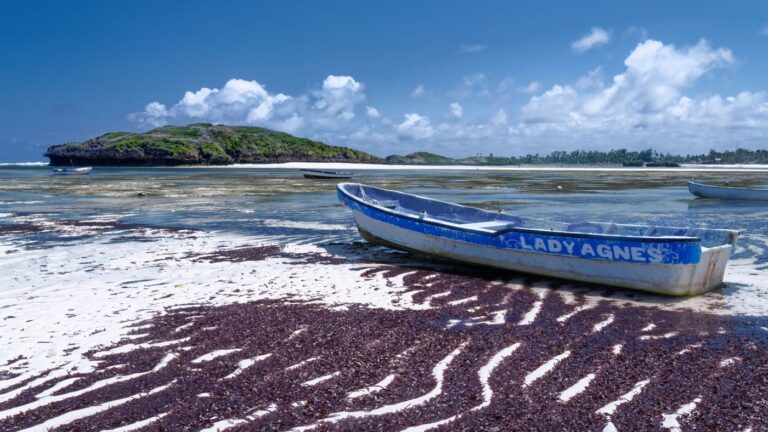
Diani vs Watamu: Which Kenya Beach Fits Your Safari?
Diani is a long white-sand beach with its own airstrip; Watamu is reef-sheltered with a marine park, turtles and forest.…
Kenya is the original safari destination, and still one of the best. From the open plains of the Maasai Mara and the elephant herds of Amboseli to the rift valley lakes, the northern deserts, the highlands of Mount Kenya and the white-sand beaches of the coast, a single country offers almost every African landscape. Our team plans and runs every trip from Kenya.
Use this guide to choose where to go, when to travel and how to put the pieces together.
Every park, reserve, lake and beach on our itineraries. Choose a destination to read about it and see the safaris that visit it.
Amboseli, Tsavo East and Tsavo West: big elephants, Mount Kilimanjaro views and red-dust landscapes.
The most famous wildlife reserve in Africa, with big cats all year and the migration river crossings from about July to October.
Naivasha, Nakuru, Elementaita, Bogoria and Baringo: flamingos, rhinos, hippos, hot springs and birds.
Samburu, Lewa, Ol Pejeta, Meru and Mount Kenya: northern species, rhinos, mountain scenery and quieter parks.
Kakamega Forest and Lake Victoria for rainforest birds and primates.
Diani, Mombasa, Watamu and Arabuko-Sokoke: beaches, reefs, forest and Swahili history.
Most visitors need an electronic travel authorisation (eTA) before arrival. Rules change, so check the official Kenya eTA portal before you book flights.
Speak to your doctor about malaria prophylaxis, routine vaccines and yellow fever requirements. Most parks are malaria-risk areas; Nairobi and the highlands are lower risk.
The Kenya shilling is the local currency. Cards are accepted in most lodges, and M-Pesa is widely used for small payments.
Neutral clothing, a warm layer for mornings, hat, sunscreen, binoculars, a camera with spare batteries, and insect repellent.
Kenya covers about 580,000 km² in East Africa. The Great Rift Valley cuts through the central highlands, and the country runs from the Indian Ocean coast in the south-east, through savanna and highlands, to arid country in the north.
Mount Kenya, at 5,199 m, is the highest mountain in the country and still carries glaciers. On a clear day Kilimanjaro, across the border in Tanzania, can be seen from parts of southern Kenya.
Climate varies with the landscape: tropical and humid on the coast, cooler in the highlands (nights and early mornings can be chilly), and hot and dry in the north. Kenya has two rainy seasons, the long rains from roughly March to May and the short rains from roughly October to December. Exact timing shifts from year to year.
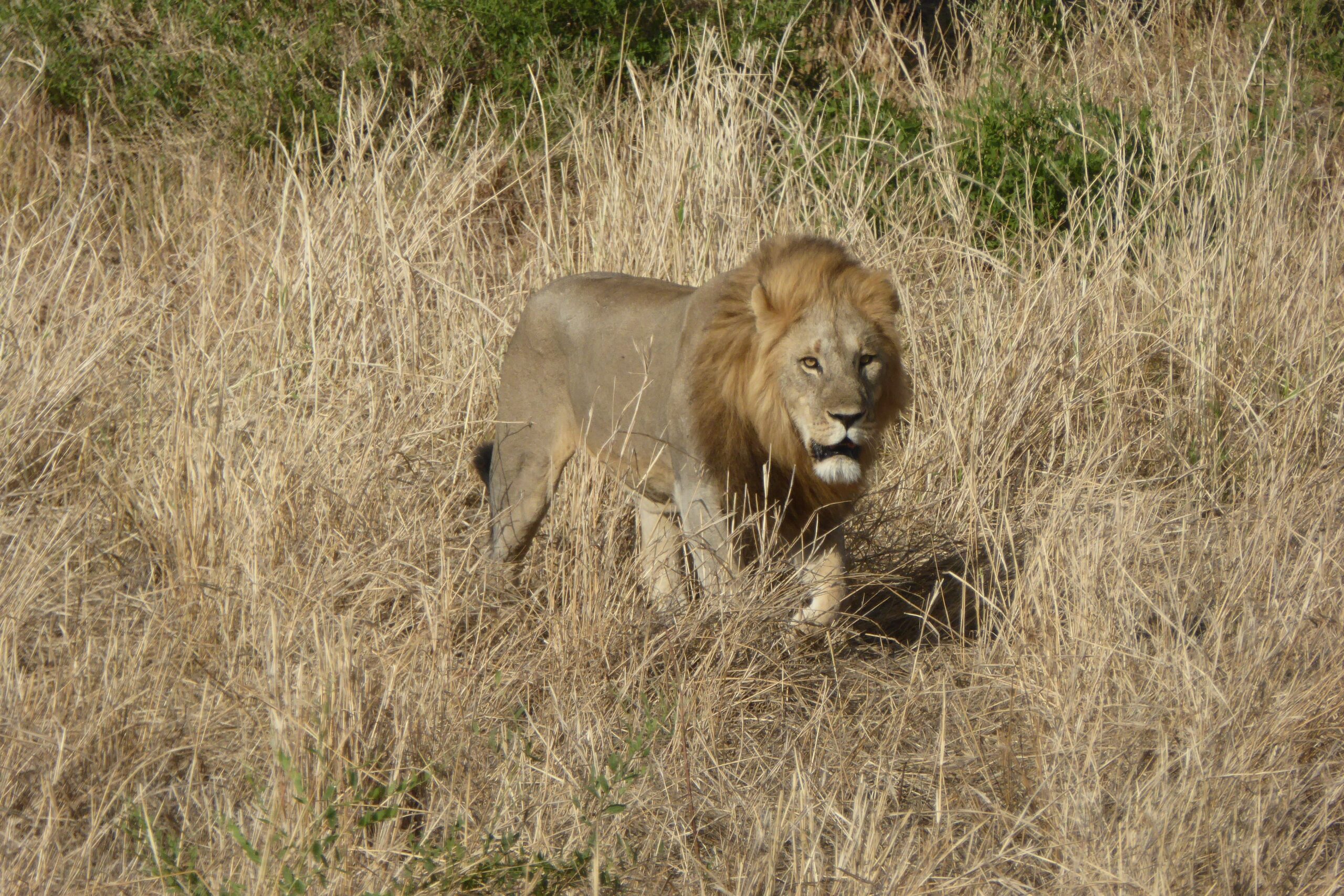
Kenya is home to the Big Five — lion, leopard, buffalo, rhinoceros and elephant — as well as cheetah, giraffe, hippo and zebra. Sightings depend on where you go: the Maasai Mara is the best known for big cats and, from roughly July to October, the Mara River crossings of the Great Migration, while Amboseli is famous for elephants and Samburu for species found mainly in the north.
Beyond the plains, Kenya also offers primates and birdlife in forest areas such as Kakamega, flamingos and rift valley lakes, and marine life along the coast.
| If you want… | Look at |
|---|---|
| Big cats and the Great Migration | Maasai Mara |
| Elephants with Kilimanjaro views | Amboseli |
| Rift valley lakes and flamingos | Lake Nakuru, Lake Naivasha, Hell’s Gate |
| Northern specialities | Samburu |
| Rhino and conservation work | Ol Pejeta, Lewa |
| Vast, wild country | Tsavo East and Tsavo West |
| Forest and birds | Kakamega, Arabuko-Sokoke |
| Mountain scenery | Mount Kenya, the Aberdares |
| Beach time after safari | Diani, Watamu, Mombasa |
Each of these has its own guide on this site. Open the destination pages for details, or tell us your dates and we will suggest a route.
Swahili and English are the official languages, with Swahili the national language. The Maasai settled the central and southern Rift Valley plains in the 18th and 19th centuries, and the Maasai Mara takes its name from them. The coast has a different story: Swahili city-states such as Mombasa, Malindi and Lamu grew through trade across the Indian Ocean, and their mosques and forts are still standing.
Visiting a community is a highlight of many trips. We recommend visits arranged with local hosts, where payment goes to the community.
All trips begin in Nairobi, and we can adjust length and pace to suit you.
Choosing between countries? Read Kenya vs Tanzania safari, then Maasai Mara vs Serengeti if you are weighing the two most famous reserves. For group size, see private vs shared safari.
Four to five days is enough for the Maasai Mara or Amboseli. A week lets you add a Rift Valley lake or Samburu. Ten to fourteen days gives you the Mara, Amboseli and a beach stay on the coast. For help with budgets see how to save on a Kenya safari, or read about combining Kenya and Tanzania.
Facts were checked against Wikipedia: Kenya and Wikipedia: Tourism in Kenya. Where sources disagreed (park counts, visitor figures, migration numbers), we left the figure out.
June to October is the main dry season and includes the Mara migration. January and February are also excellent.
Four to five days for a single park, seven to ten for a mixed itinerary, and two weeks to include the coast.
Yes. Millions of visitors travel safely each year, especially with a reputable operator. Take normal precautions in cities.
Most safari areas are in malaria zones, so talk to your doctor before travelling.
Diani is a long white-sand beach with its own airstrip; Watamu is reef-sheltered with a marine park, turtles and forest.…
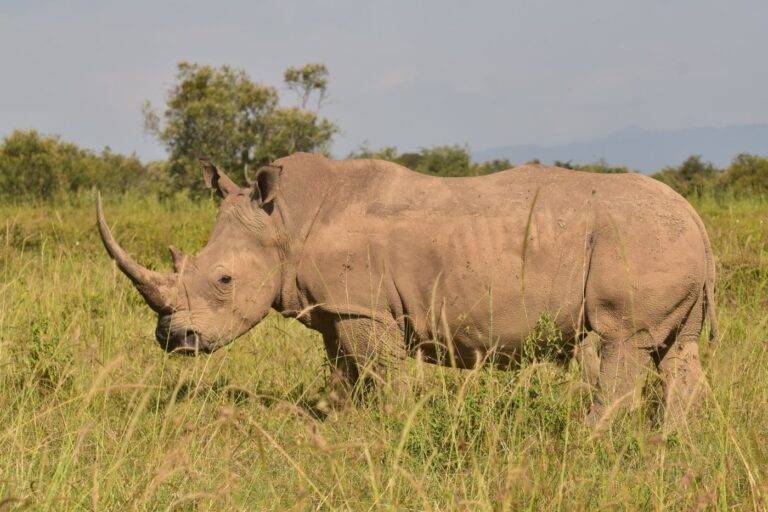
Compare Ol Pejeta and Lewa on wildlife, activities, accommodation, 2026 conservancy fees, family needs and how each fits our Kenya…
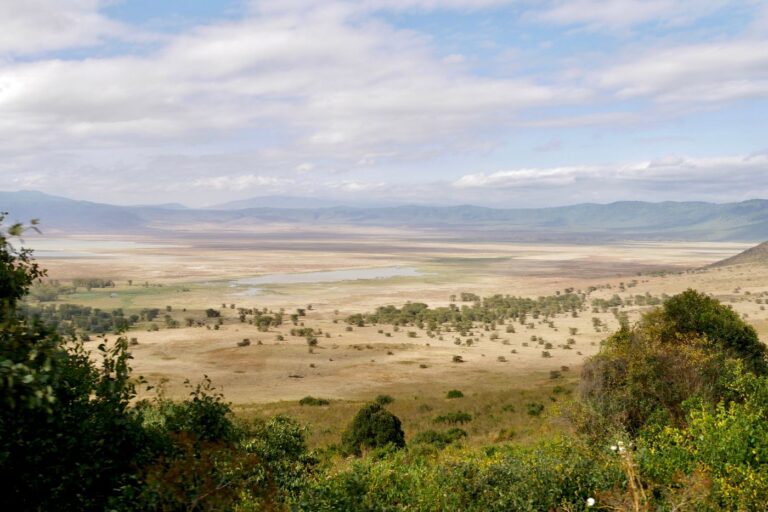
Compare the Tanzania portion of Cherish’s combined Kenya–Tanzania safaris: Serengeti nights, Ngorongoro visits, Tarangire and guide handovers.