Tsavo East National Park: Red Elephants, Big Skies and How to Visit
Red elephants, wide plains and few crowds. Here is how to visit Tsavo East.

Tsavo East is one of Kenya's oldest and largest national parks, a wide, wild sweep of red earth, bush and open plains in the south-east of the country. It is the place for big skies, elephants dusted red by the soil and long, quiet game drives with few other vehicles. It also sits on the Nairobi to Mombasa corridor, which makes it an easy and rewarding stop on the way to or from the coast.
This guide explains what makes the park special, which animals to look for, when to travel and how it combines with Tsavo West, Amboseli and a beach finish.
Tsavo East covers about 13,747 square kilometres of mostly flat, semi-arid savanna and dry grassland, and together with neighbouring Tsavo West it forms one of the largest protected areas in Africa, at roughly 22,000 square kilometres. It was gazetted as a national park in 1948 and is managed by the Kenya Wildlife Service.
The scale is the first thing visitors notice. The park is huge and it feels it: you can drive for hours across open plains broken by the green ribbon of the Galana River, and the sense of space is unlike the smaller parks. Because it is less busy than the Maasai Mara or Amboseli, sightings are often quiet and private, which suits travellers who prefer a more remote atmosphere.
The Athi and Tsavo rivers join inside the park to form the Athi-Galana-Sabaki River, which is the lifeline for wildlife in the dry months.
The green riverine strip winding through dry plains. It draws elephants, buffalo and hippo, and its crocodiles are often seen from the bank.
Described as the longest lava flow in the world, at about 290 km. It forms a dark ridge along the park's western boundary above the river.
A series of white-water rapids over smooth rock on the Galana River, named after the colonial administrator Frederick Lugard.
A long granite inselberg that works as a natural water catchment. In the dry season elephants and other animals gather at the dam below to drink, and you can watch from the rock.
A reservoir on the Voi River that attracts waterbirds and wildlife, especially in the drier months.
In 1898, while the Uganda Railway was being built through this area, two lions are said to have killed some 135 workers before engineer John Henry Patterson shot them. The story is remembered across the park.
Tsavo's semi-arid bush hides animals well, so patient driving and a good guide help a lot.
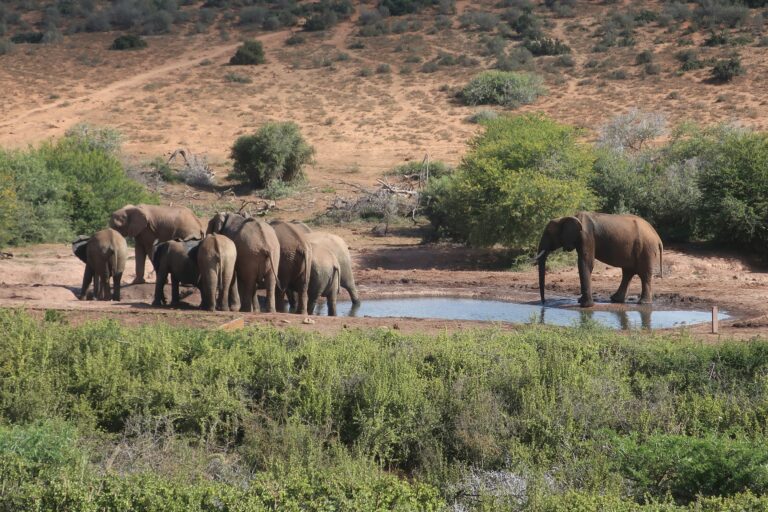
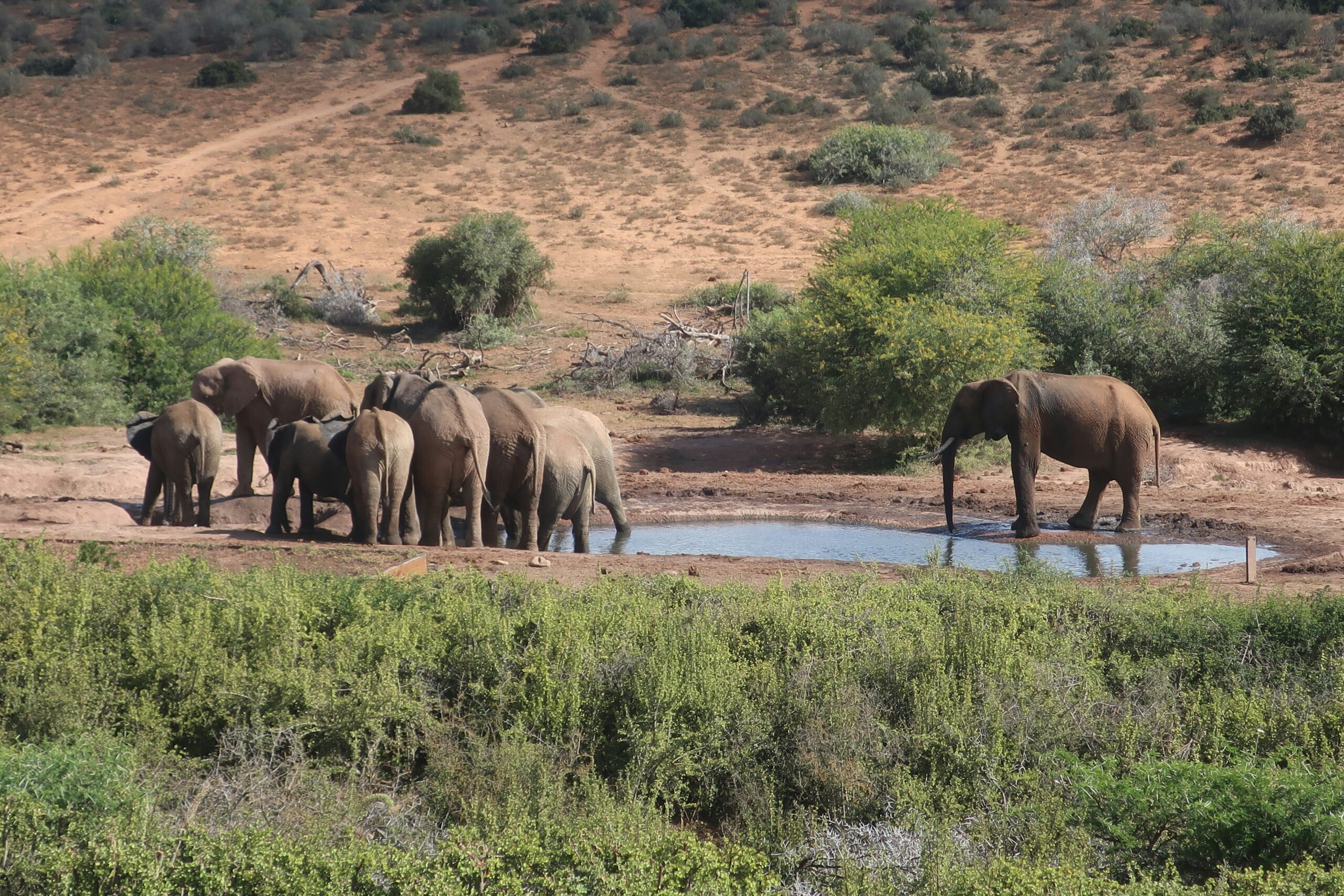
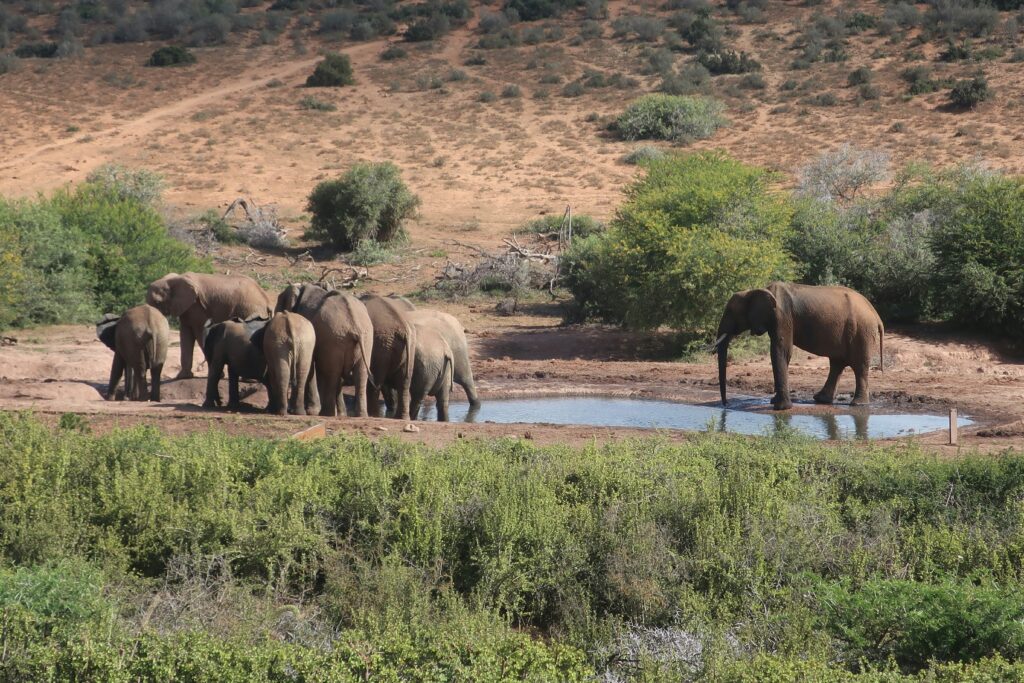
Tsavo's elephants dust-bathe in the red soil, which colours their skin and makes them look red. They are the park's most iconic animal and are often seen in family herds at the waterholes.
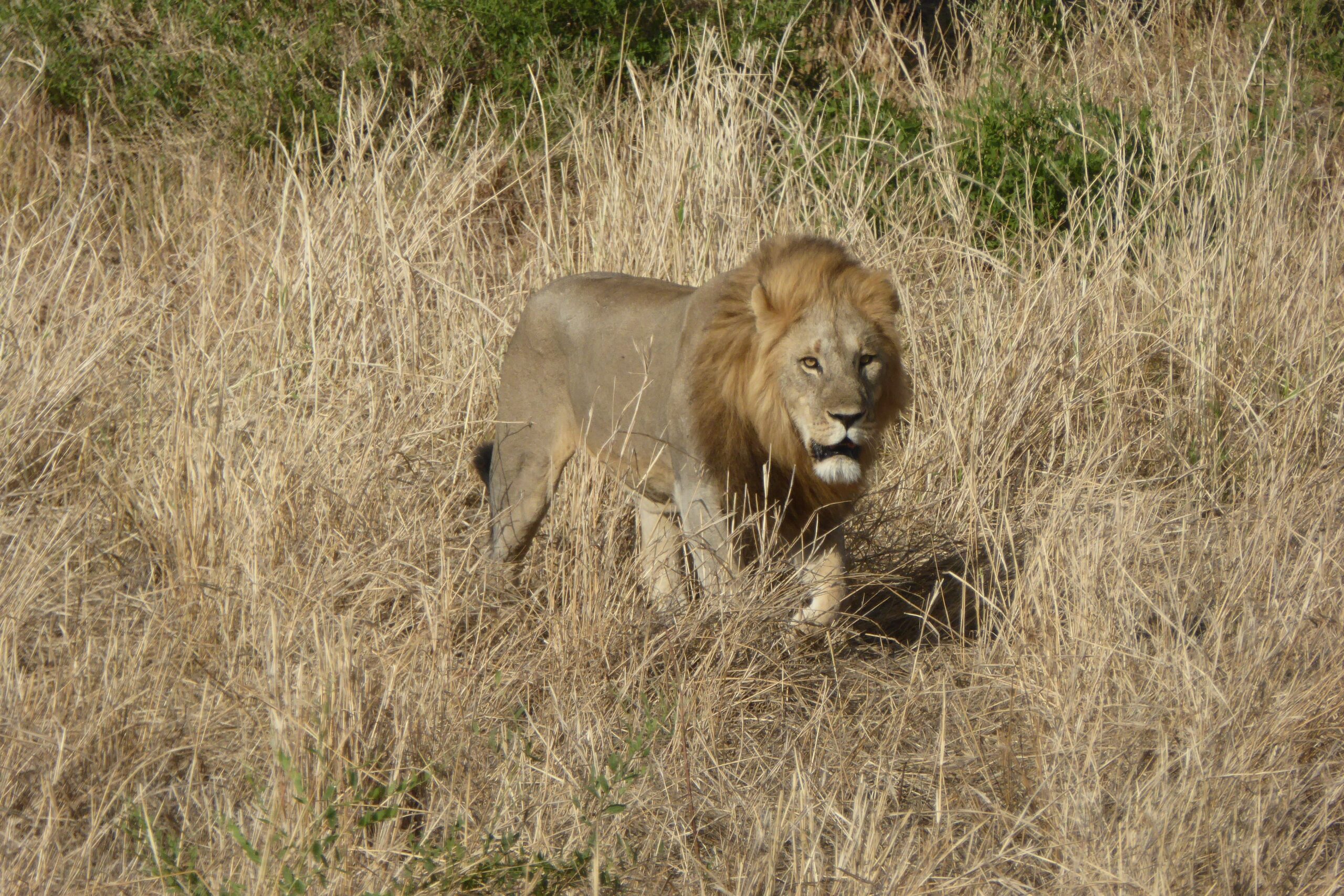
Tsavo's lions are famous, and many males have little or no mane. About 675 lions were counted across the Amboseli-Tsavo ecosystem in 2006.
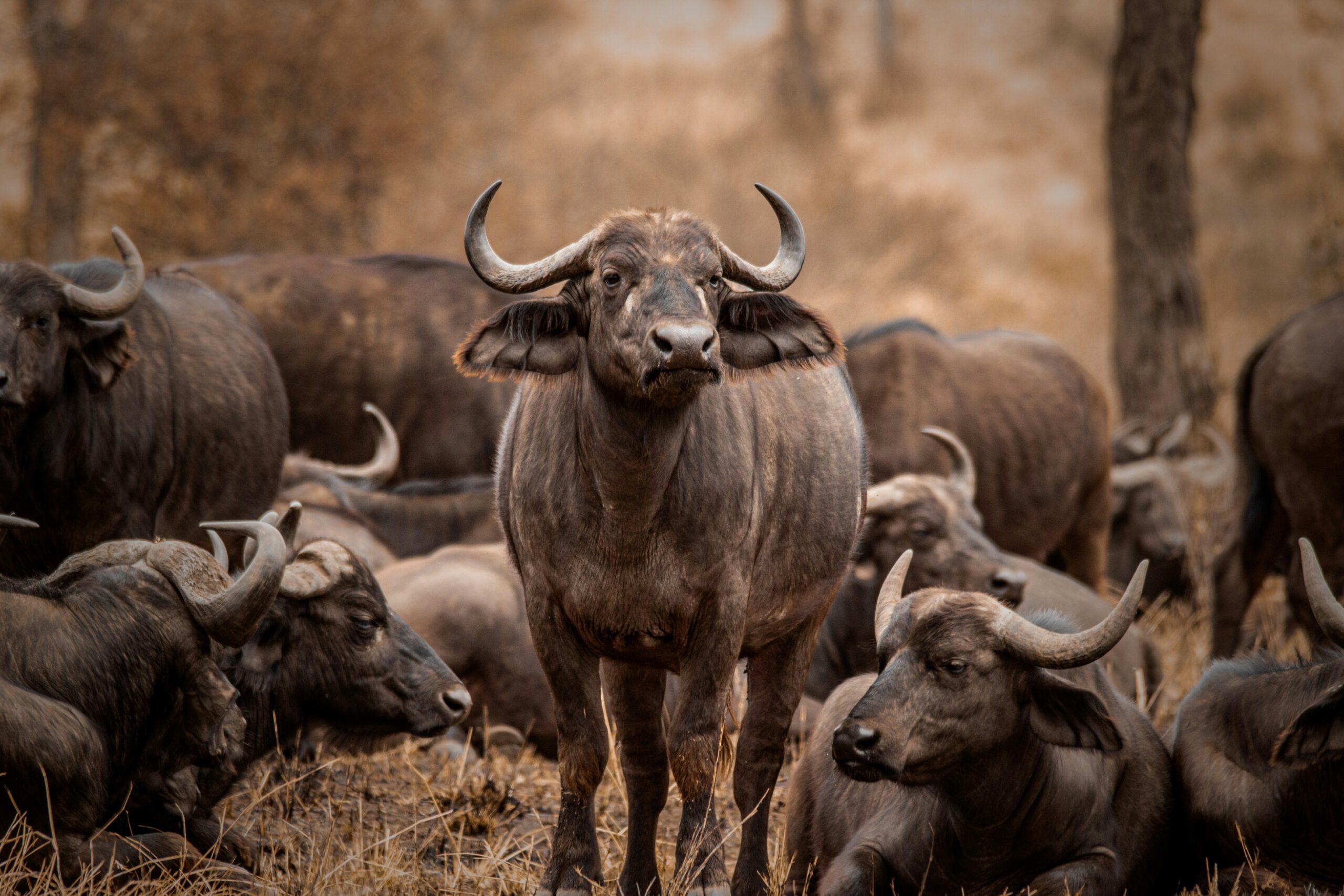
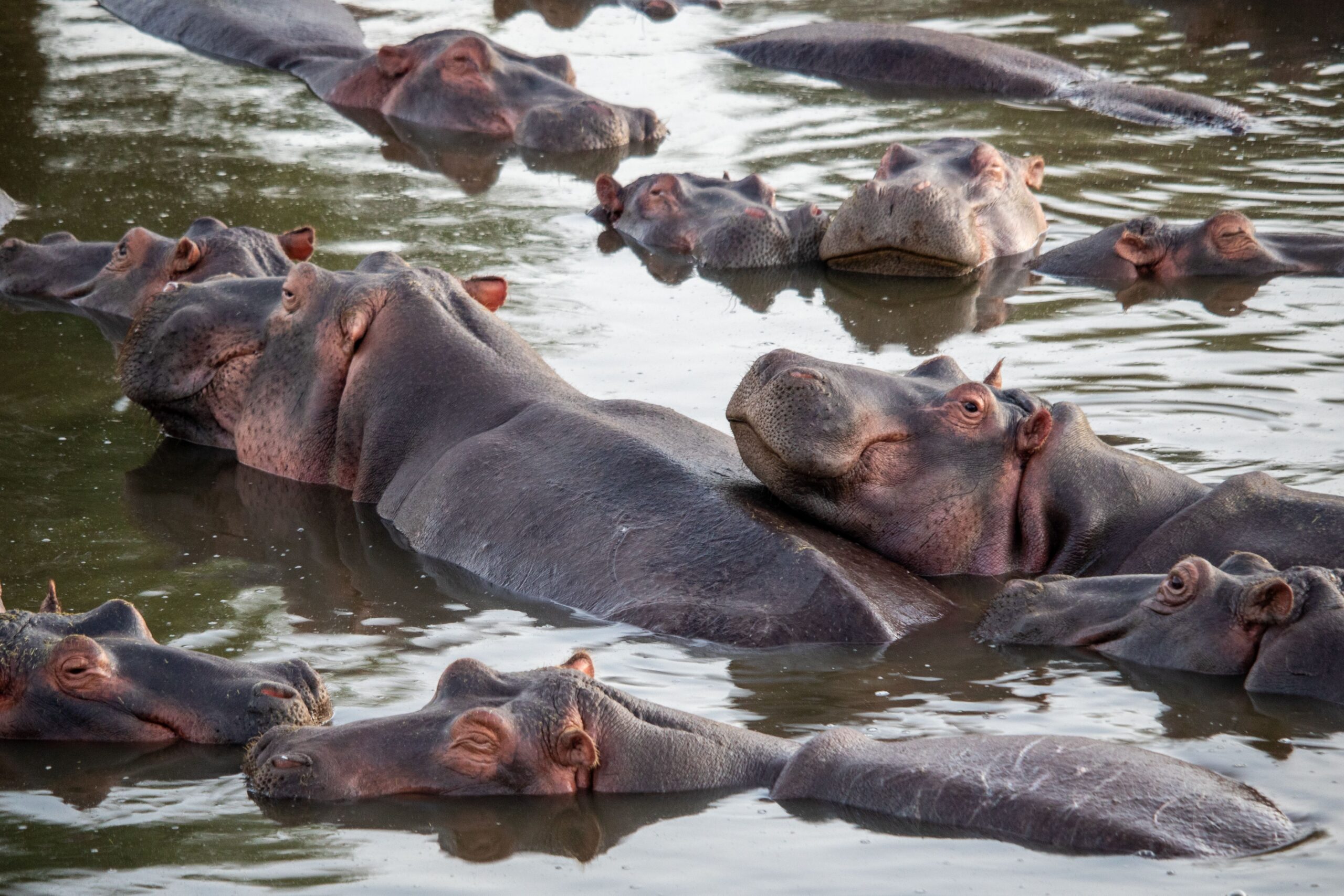
Large buffalo herds, hippo pools and crocodiles are found along the Galana River and at the dams.
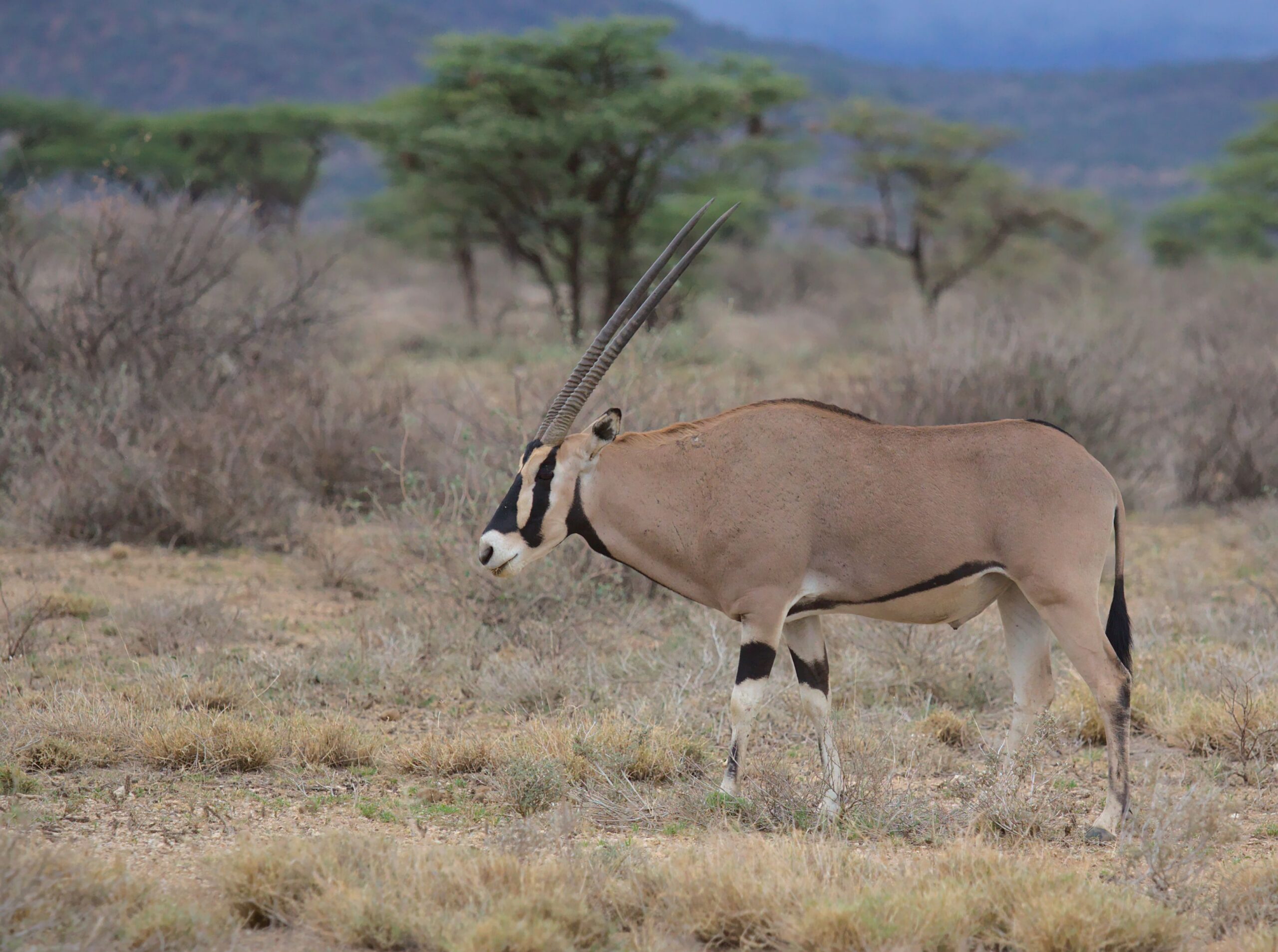
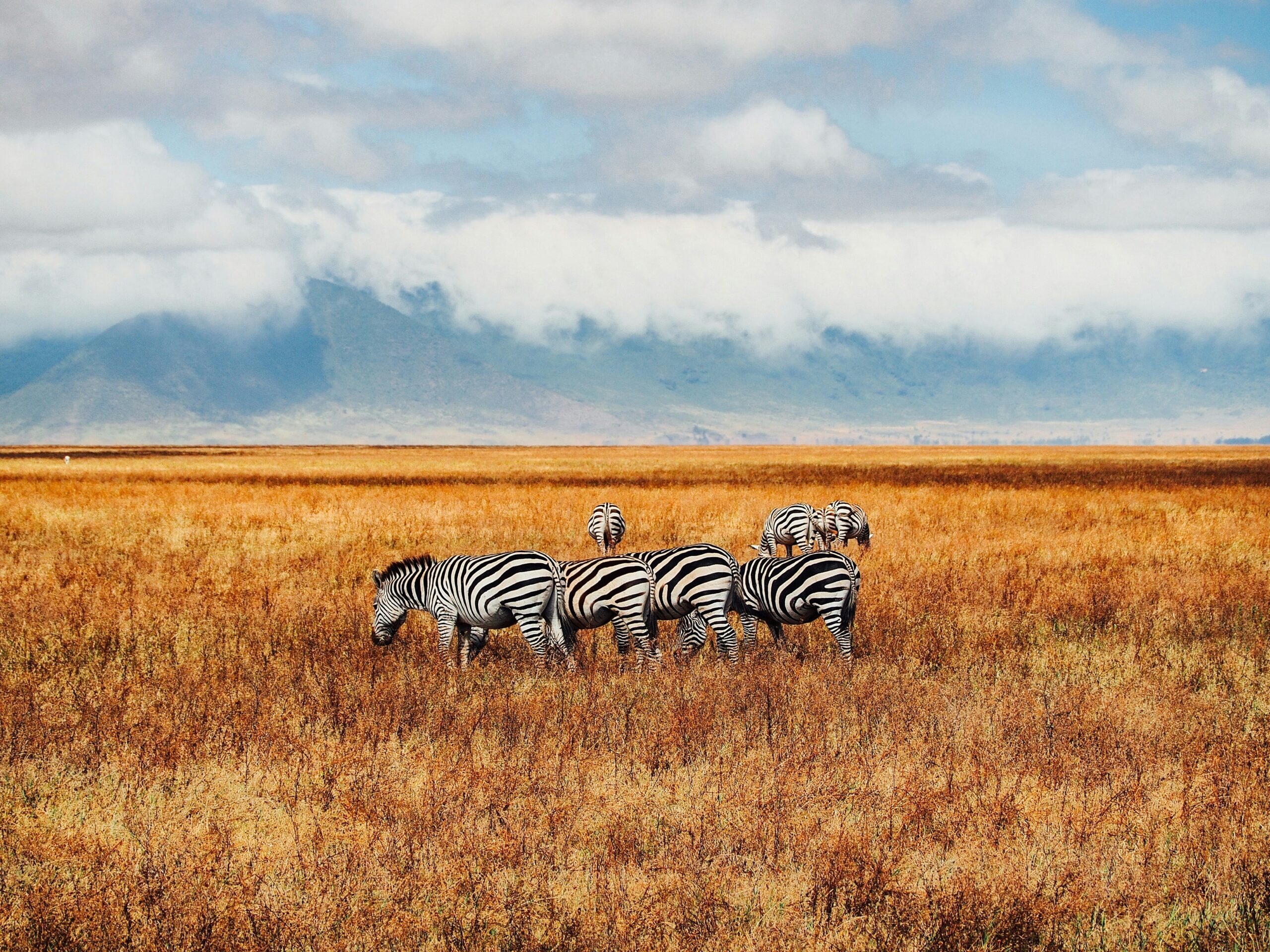
Reticulated and Masai giraffe, zebra, gerenuk, lesser kudu, eland and several antelope species live in the bush.
Leopard, cheetah and a small number of black rhino also live here, but they are elusive in the bush and not guaranteed.
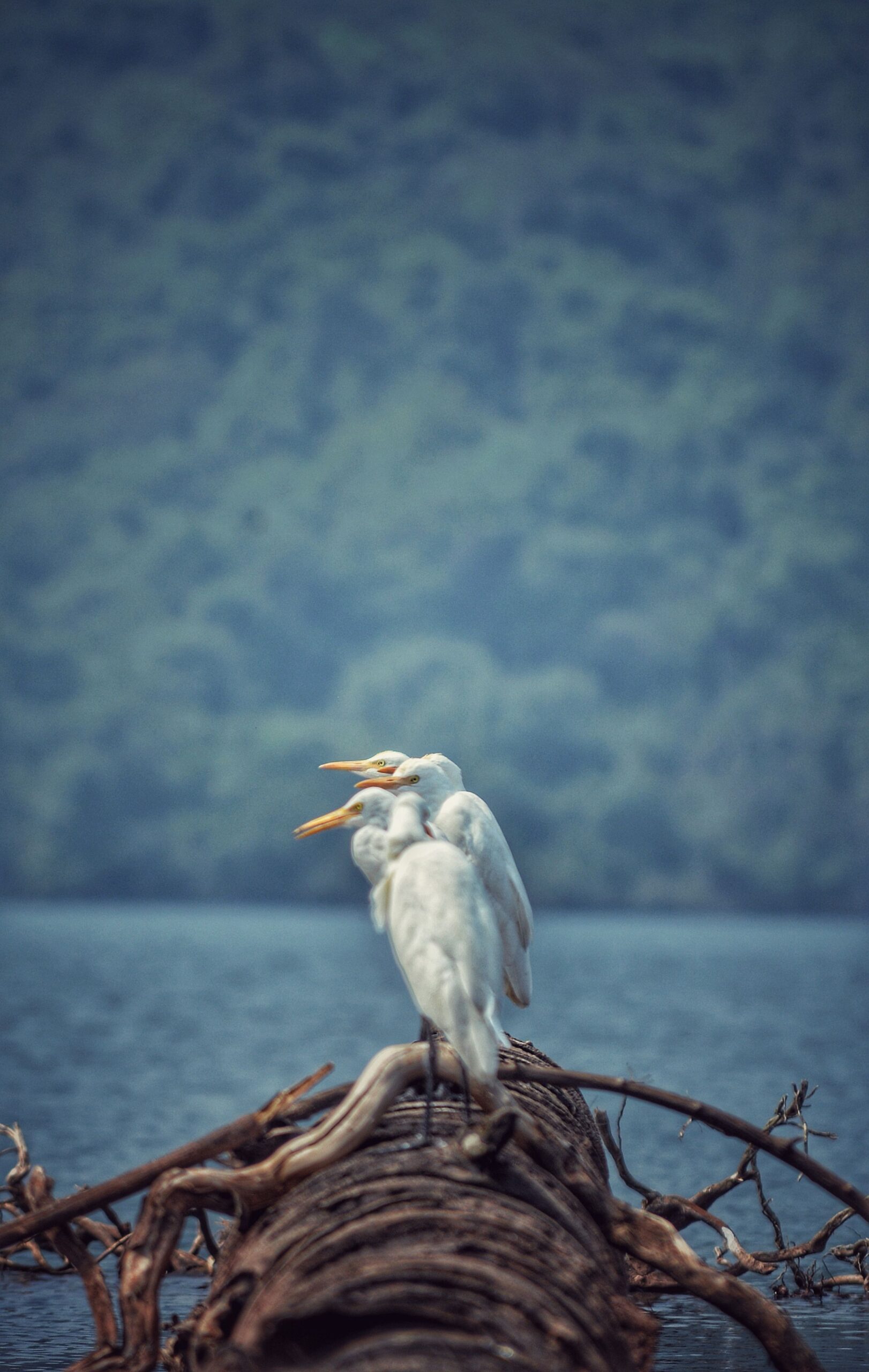
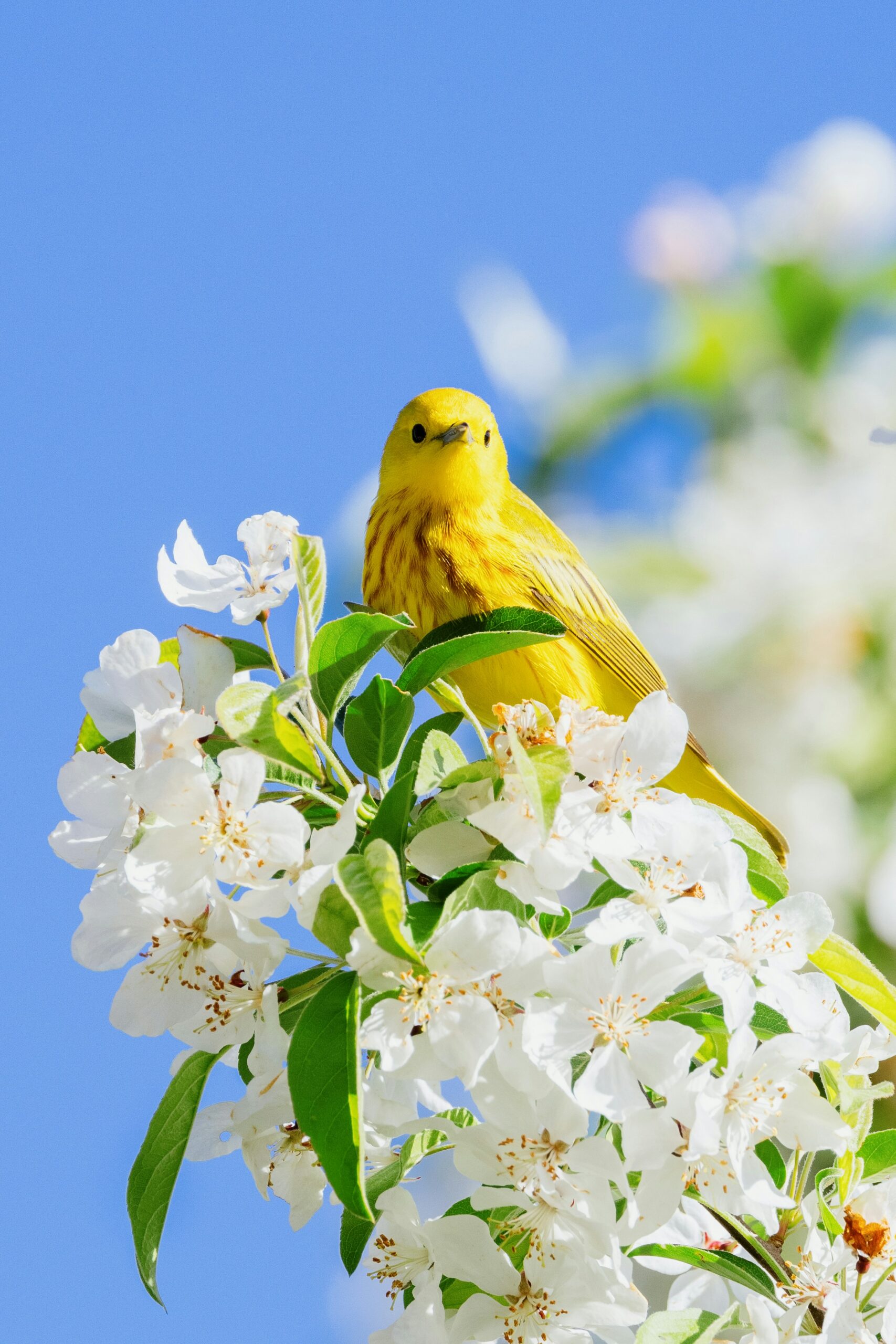
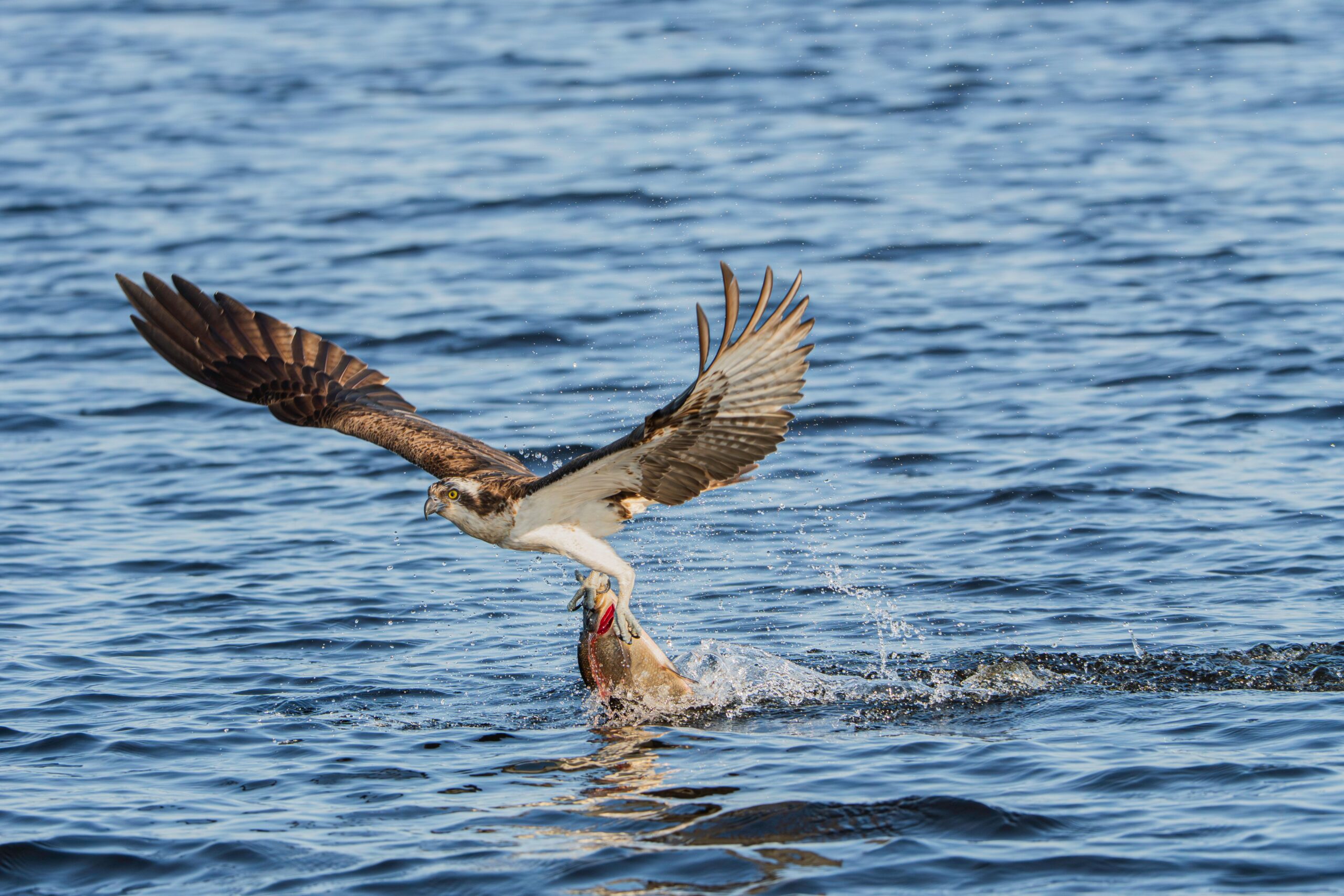
More than 500 bird species have been recorded, including hornbills, starlings and, around the water, kingfishers and herons.
Tsavo East is hot all year, and the dry months bring animals to the river and waterholes, which makes them easier to find. The park suffered a severe drought in 2022, a reminder that rainfall here is erratic.
Roughly 5 hours to Voi Gate along the Nairobi to Mombasa highway. The highway runs between Tsavo East and Tsavo West.
Voi Gate is a little over two hours from Mombasa, which makes the park a natural first or last stop on a beach holiday.
The Madaraka Express stops at Voi, close to the park, and our team can arrange a transfer from the station.
Light-aircraft flights land on airstrips inside the park, and some itineraries combine a flight with a drive.
Lodges and tented camps are spread around the Voi Gate area and along the Galana River, and several look out over waterholes where elephants come to drink. Staying inside the park means less driving and more time at dawn and dusk, when animals are most active. Camps outside the park, near the highway, are usually cheaper and suit short stays. Tell us your budget and we will suggest the best fit.
Tsavo East covers about 13,700 square kilometres, which makes it the largest national park in Kenya. With neighbouring Tsavo West it forms a protected area of roughly 20,000 to 22,000 square kilometres, so large that it is hard to grasp until you are driving across it. Both parks were gazetted in 1948.
The scale gives Tsavo East a different feel from the Mara or Amboseli. Instead of crowds of herds on a single plain, you drive through long stretches of dry bush and open grassland, with wildlife appearing around waterholes, rivers and rocky outcrops. It is a place for travellers who enjoy space, quiet and the sense of exploring.
The Galana River is the lifeline of the park. Lined with palms and dense vegetation, it carries water through otherwise dry country, and its banks are good for elephant, buffalo, hippo and crocodile. Along the river are the Lugard Falls, a series of white rapids cut through rock, with a viewing point and short walks beside the water.
Mudanda Rock is a long inselberg, a bare rock ridge rising out of the plain, that acts as a natural catchment. Rainwater runs off it into a waterhole at its foot, where elephants and other animals gather to drink in the dry season, and visitors can watch from the top of the rock or from the vehicle. To the north the Yatta Plateau, a ridge about 290 kilometres long, is described as the longest lava flow in the world. Aruba Dam, built on the Voi River in 1952, is another reliable stop for wildlife and birds.
Tsavo's elephants are famous for their colour. They throw red soil over their bodies to cool down and protect their skin, and the dust turns the grey animals a deep rusty red that lasts until the next rain. Seeing a red herd against green bush or a blue sky is one of the park's signature sights.
The park has also known great loss. Tsavo's elephants were heavily poached in the twentieth century, and even in recent years some of its best-known big-tusked bulls have been killed. Today rangers, researchers and community groups patrol the park, and visitor fees support that work. We choose camps and lodges that work with the surrounding communities.
Tsavo is also known for its history. In 1898, while a railway was being built through the area, two lions attacked railway workers over several months. They became known as the Tsavo man-eaters, and their story has been told in books and films. Accounts of how many people they killed vary widely, from a few dozen to well over a hundred, so we do not give a single number.
More than 500 bird species have been recorded in Tsavo East, from raptors and hornbills to colourful bee-eaters, rollers and starlings. Among the mammals, lions are present and often seen resting in the shade of rocks and trees. Visitors often remark on the males of this region, which are generally reported to have little or no mane. Giraffe, zebra, buffalo, eland, kudu, gerenuk, dik-dik and many other species can also be seen, and cheetah and leopard are possible.
The drier months, roughly July to September and December to March, are the best for game viewing, because animals gather near water and the vegetation is thinner. The long rains in about March to May and the short rains in about October to November make the tracks muddy and the bush thicker, though the landscape is greener and birdlife is excellent. Temperatures are hot throughout the year, so plan your drives for early morning and late afternoon and rest at midday.
The park can be reached by road from Nairobi in around five hours and from Mombasa in a similar time, or by a short flight to an airstrip. Because of its size, we suggest at least two nights, and three if you want to cover several areas. Combine it with Tsavo West, Amboseli or a stay on the coast for a varied trip.
Two nights is a comfortable minimum, and three nights lets you explore beyond the Voi area. Tsavo East combines well with:
Read our Tsavo East guide and the Tsavo East and West comparison for more detail.
Information was compared across sources. Animal numbers change and sources differ, so we avoid precise current figures. Please confirm details with us when you book.
Its size, its red elephants, its lions (many of the males have little or no mane) and the story of the man-eaters of Tsavo. The Yatta Plateau, Lugard Falls and Mudanda Rock are the best-known landmarks.
About 13,747 square kilometres. Together with Tsavo West it forms a protected area of roughly 22,000 square kilometres.
Tsavo East is flat, open and remote, with long views and the Galana River. Tsavo West is more varied, with hills, springs, lava flows and a rhino sanctuary. Many travellers visit both on one trip.
Voi Gate is roughly 5 hours from Nairobi by road and a little over two hours from Mombasa.
June to October is the long dry season and the best time for game viewing. January and February are also good. The rainy months of March to May and November to December are greener and quieter.
Lion, elephant, buffalo and leopard are all present, and a small number of black rhino live in the park. Because of the thick bush, leopard and rhino are hard to see and should be treated as a bonus.
Red elephants, wide plains and few crowds. Here is how to visit Tsavo East.
Tsavo East and Tsavo West are two very different parks. Compare landscapes, wildlife, best seasons and how to combine them…
The story of the Tsavo man-eating lions of 1898, and what Tsavo West National Park offers visitors today.