Masai Mara National Reserve vs. Private Conservancies: Which Should You Choose?
Plenty of safari content will tell you, correctly, that the conservancies are quieter than the reserve. Fewer people say exactly how much quieter, or why, or when the reserve is still genuinely the right call despite the crowds. Here’s the version with actual numbers behind it.
What’s Actually the Difference Between the Reserve and the Conservancies?
The Maasai Mara National Reserve is the publicly managed core protected area — open to any licensed safari vehicle, with no cap on how many operators or guests can be inside on a given day. The conservancies are a separate system: privately leased land bordering the reserve, owned by Maasai communities and leased to a small number of camps, with those camps’ own guests being the only visitors permitted inside. That structural difference — open access versus a capped, lodge-guest-only model — is what drives almost every other difference between the two.
How Crowded Does the Reserve Actually Get?
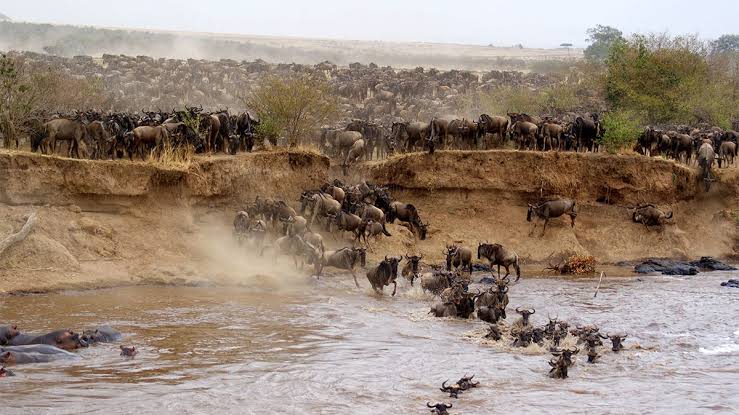
More than most photos suggest, and it’s a documented problem rather than an occasional complaint. The Maasai Mara National Reserve’s own management plan, published by Narok County, records that more than 150 vehicles have been counted at a single popular sighting or river crossing during peak periods, and it explicitly flags “intense visitor pressure at key times of year” as an issue the reserve is actively trying to manage better. The pressure has gotten serious enough that, since June 2024, private vehicles have been banned from the reserve entirely — only authorized safari trucks, land cruisers, and vans with trained guides are now permitted, a rule introduced specifically over environmental damage, noise complaints, and safety concerns from uncontrolled traffic at sightings (Pulse Kenya, Kenya Geographic).
How Do the Conservancies Actually Keep Sightings Uncrowded?
Through hard numerical caps, not just lower demand. Across the conservancy system, camps operate under strict limits on both tourist beds and the number of vehicles permitted at any single wildlife sighting, and self-driving is prohibited everywhere in the system (Wikipedia — Maasai Mara Conservancies). Olare Motorogi Conservancy is a useful concrete example: at 140 square kilometers, it caps total beds at 94 — roughly one bed per 1.5 square kilometers — and enforces a vehicle-to-land ratio of one game-viewing vehicle per 2,100 acres (Wikipedia — Olare Motorogi Conservancy). Multiply that kind of ratio out and the difference from “150 vehicles at one crossing” isn’t subtle — it’s the entire point of the model.
What Can You Do in a Conservancy That You Can’t Do in the Reserve?
Night game drives, off-road driving, and walking safaris are all permitted in the conservancies and explicitly prohibited in the national reserve itself (Wikipedia — Maasai Mara Conservancies). If any of those three activities matter to your trip, that alone can settle the decision regardless of crowding — the reserve simply isn’t an option for them.
Where Does Your Money Actually Go on a Conservancy Stay?
Directly to the Maasai families who own the land, structurally rather than incidentally. Landowners are compensated through either a percentage of camp profits or a fixed lease fee under their agreement, and across the wider conservancy system the umbrella association reports the model now covers more than 16,000 individual landowners across roughly 24 conservancies spanning nearly 180,000 hectares around the reserve (Maasai Mara Wildlife Conservancies Association; Wikipedia — Maasai Mara Conservancies). It’s a genuinely different economic relationship than a standard park entrance fee, and one worth knowing about if community impact factors into your decision at all.
Is the Reserve Ever the Better Choice?
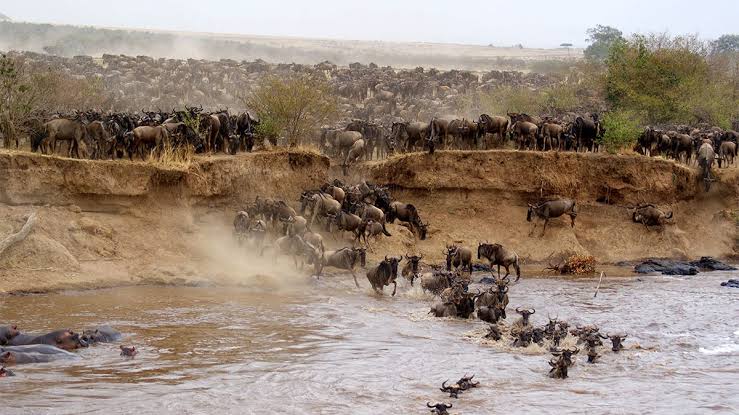
Yes, and it’s worth saying plainly rather than treating the conservancies as strictly superior in every case. The Mara River itself — where the famous migration crossings happen — runs along and through the reserve and the Mara Triangle, not through most of the conservancies, which sit further from the river. If watching an actual river crossing is your priority, our Great Migration in Kenya post goes into the honest timing and crowding trade-offs, but the reserve (or the separately managed Mara Triangle within it) is generally where you need to be for that specific spectacle. The reserve is also typically the lower-cost option, since conservancy stays carry a conservation fee on top of camp rates to fund the lease payments described above — a real consideration on a tighter budget.
So Which Should You Choose?
If a private, uncrowded experience, night drives, or walking safaris matter most to your trip, the conservancies are the clear choice, and the density numbers above explain exactly why. If watching a Mara River crossing specifically is the priority, or budget is tight, the reserve (or Mara Triangle) still earns its place — just go in with realistic expectations about vehicle numbers at the most famous sightings during peak months. Many of the itineraries we build actually combine a few nights in each, getting the migration spectacle where it happens and the privacy where it’s built in by design.
Tell us what matters most — privacy, budget, or being at the river when the herds cross — and we’ll tell you honestly which combination of reserve and conservancy nights actually fits your trip.
Frequently Asked Questions
Is it worth paying extra to stay in a Masai Mara conservancy? For most travelers who want a private, uncrowded experience, yes — conservancies enforce real numerical caps on beds and vehicles per sighting, unlike the open-access reserve, and they permit night drives and walking safaris the reserve doesn’t allow.
Can you see the wildebeest migration from a private conservancy? Some conservancies do get seasonal migration activity, but the famous river crossings happen along the Mara River, which runs through the reserve and Mara Triangle rather than most conservancy land — the reserve is generally the better bet for that specific sighting.
How many vehicles are typically at a sighting in the reserve versus a conservancy?
Official reserve documentation records more than 150 vehicles at a single popular sighting during peak periods. A conservancy like Olare Motorogi enforces roughly one vehicle per 2,100 acres by comparison — a dramatically different density.
Can you self-drive in the Maasai Mara conservancies? No — self-driving is prohibited across the entire conservancy system, the same as the national reserve, which has banned private vehicles from game drives entirely since June 2024.
Does staying in a conservancy actually benefit the local Maasai community? Yes, structurally — landowners receive either a percentage of camp profits or a fixed lease fee under their agreements, with the model now covering more than 16,000 landowners across the wider conservancy system.