Diani Beach, Kenya: Where to Stay, What to Do and When to Go
White sand, warm Indian Ocean water and easy days after a safari. Here is how to plan Diani Beach.

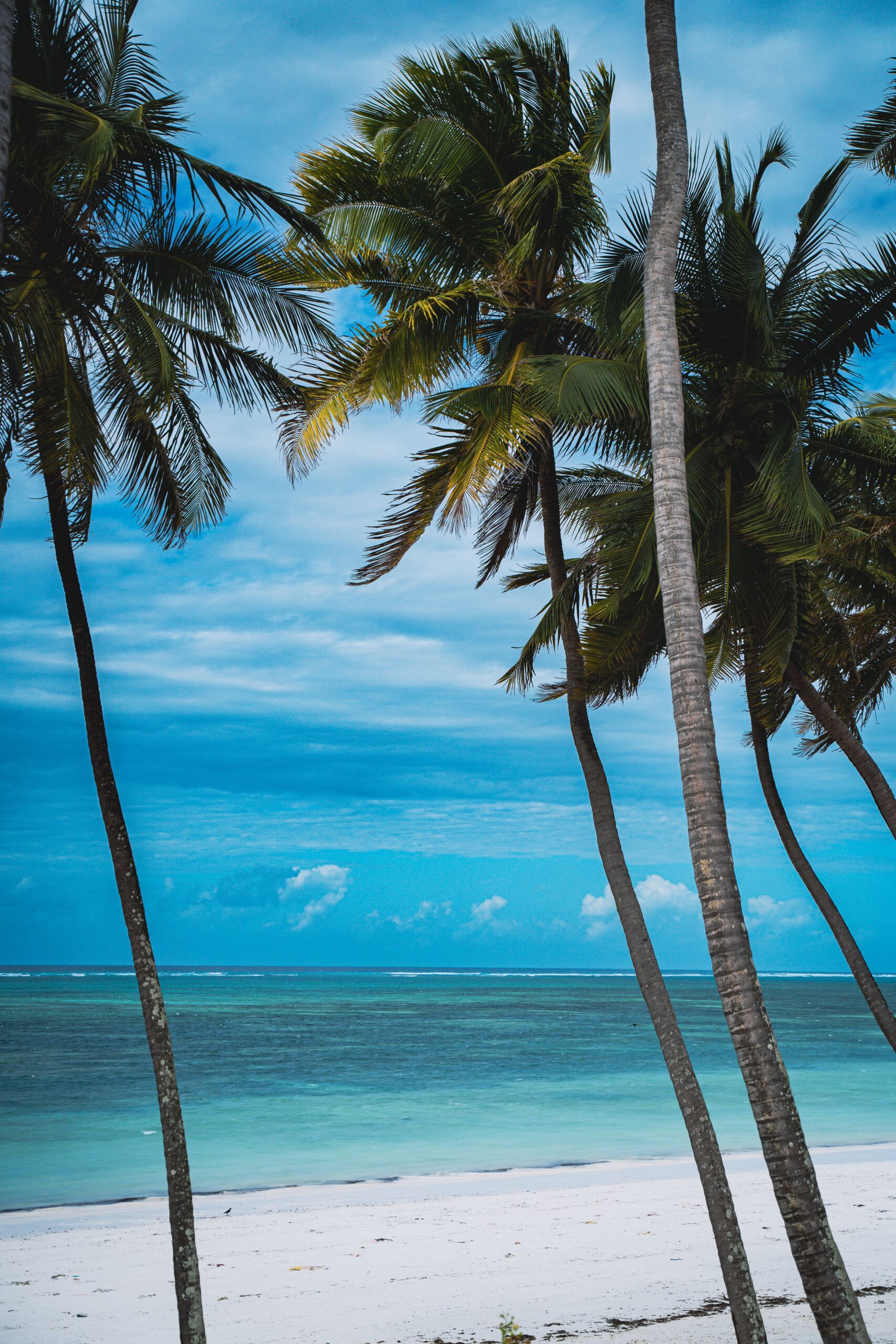
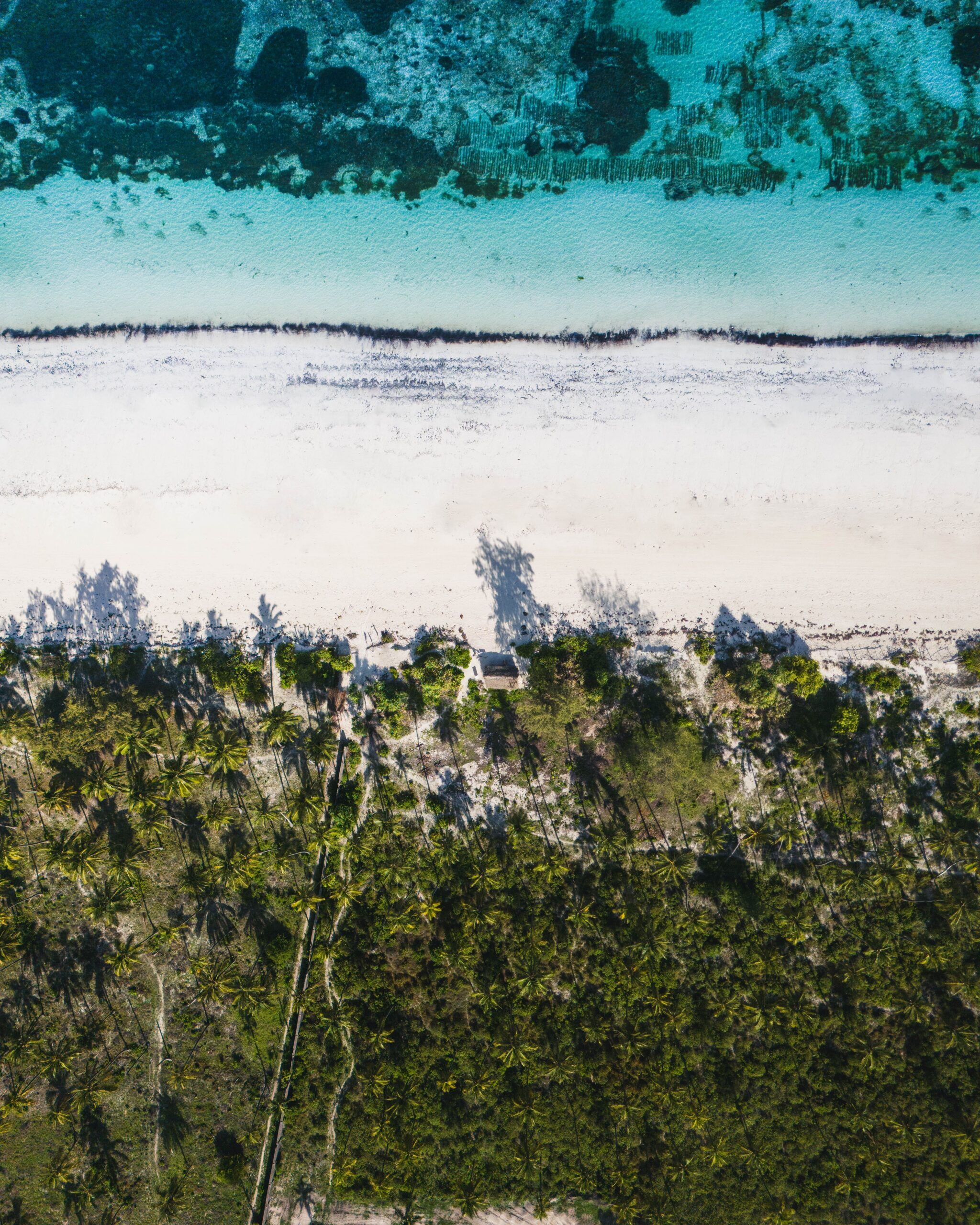
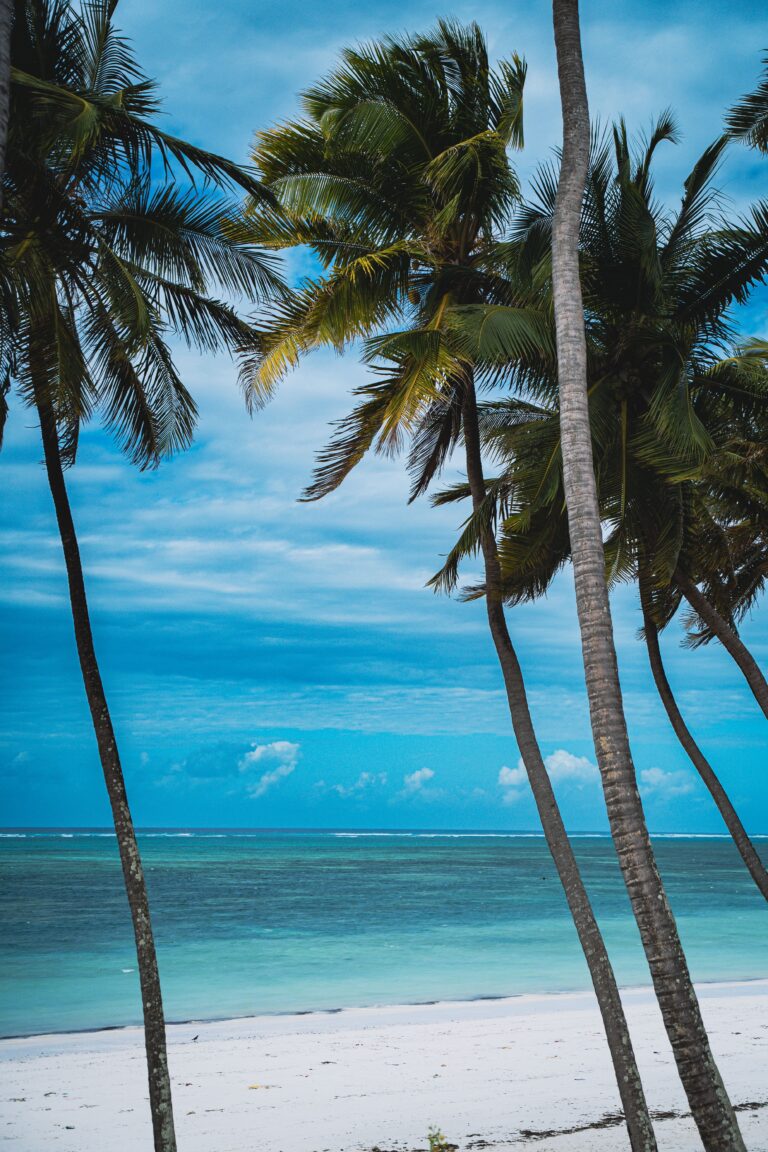
Diani Beach is Kenya's best-known beach, a long stretch of powder-white sand on the south coast, lined with palms and backed by coastal forest. The Indian Ocean is warm and clear, colobus monkeys cross the roads, and reef trips, kitesurfing and dolphin cruises are all close by. It is the classic place to relax after a safari.
Here is what to do at Diani, when to go and how to reach it.
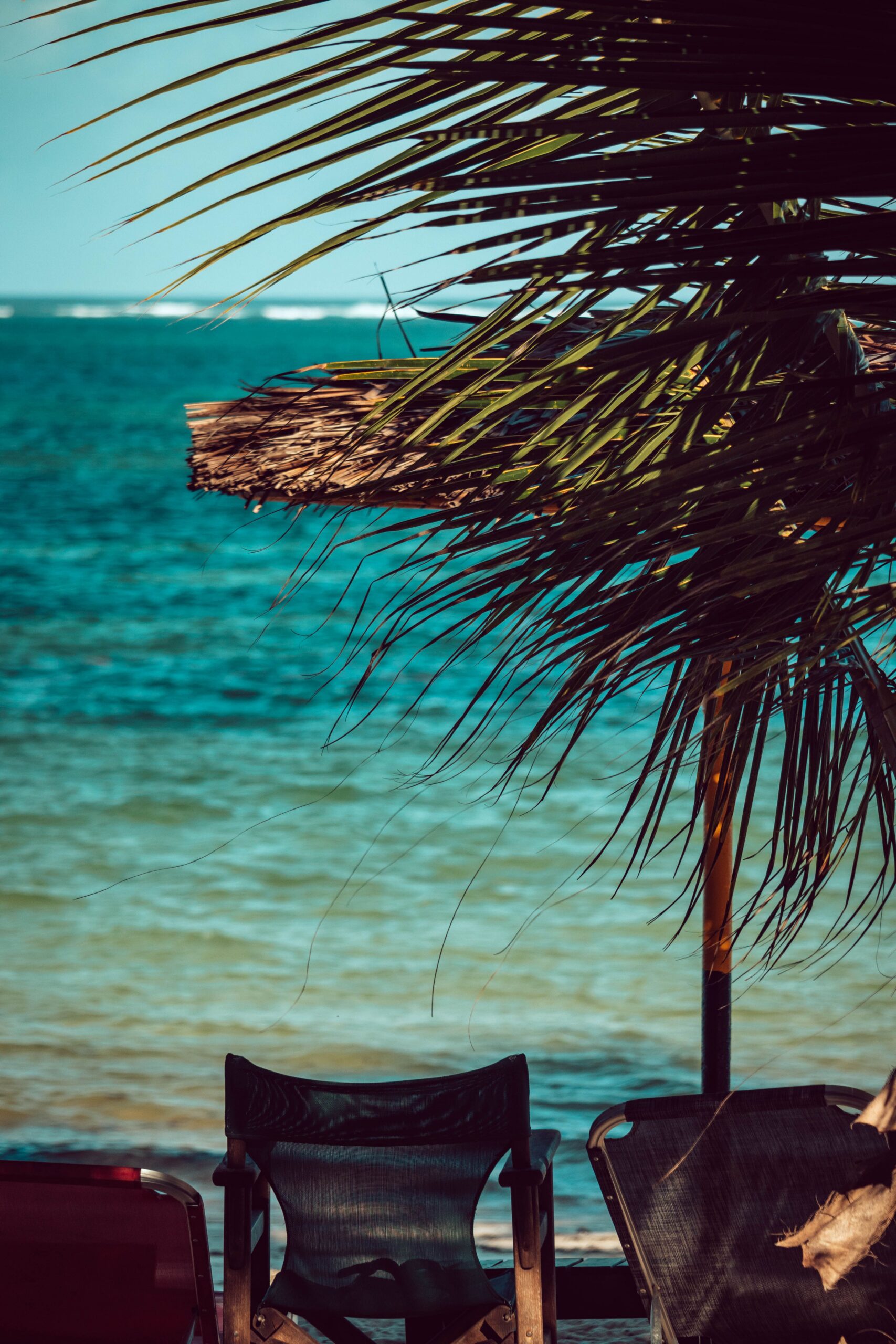
Diani has the feel of a beach town rather than a single resort. Hotels, villas and small guesthouses are spread along the shore, with restaurants and shops on the main road behind. The beach is wide, clean and lined with coconut palms, and at high tide the water is deep enough for swimming.
The coastal forests behind the beach hold monkeys and birds, and the reef offshore protects the lagoon. Tides matter: at low tide the water retreats and tidal pools appear, so check the times if swimming is your priority.
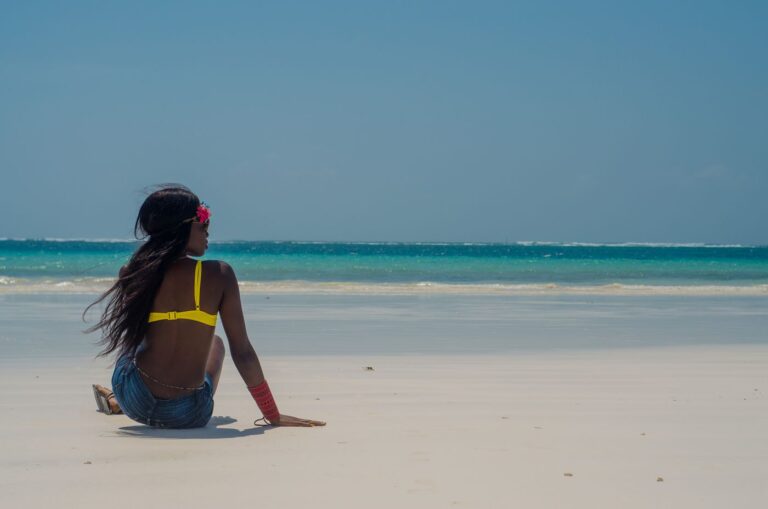
Relax on the sand or swim in warm, clear water at high tide.
Reef trips go out from the beach, and a variety of dive sites lie along the coast.
A day trip by dhow from Shimoni to swim with dolphins and snorkel over coral gardens, with lunch on Wasini Island.
A rescue and education centre protecting Angolan colobus monkeys. Take a guided forest walk.
A sacred forest of the Digo people with guided cultural walks.
About an hour inland, with sable antelope, elephant and forest walks.
Steady winds during part of the year make Diani popular for kitesurfing.
Seafood restaurants, beach bars and a famous coral cave restaurant.
Fly from Nairobi to Ukunda (Diani) airstrip, about one hour. Flights also serve Mombasa.
The Madaraka Express train links Nairobi and Mombasa. From Mombasa, take the Likoni ferry and then a road transfer south.
We arrange all airport and train transfers.
Diani is a long, sheltered stretch of white sand on Kenya's Indian Ocean coast in Kwale County, about 17 kilometres from end to end. The beach runs from the Kongo River at the northern end down towards Galu in the south. A fringing coral reef lies offshore, which creates a calm, shallow lagoon inside it, so the water is often gentle and good for swimming and paddling.
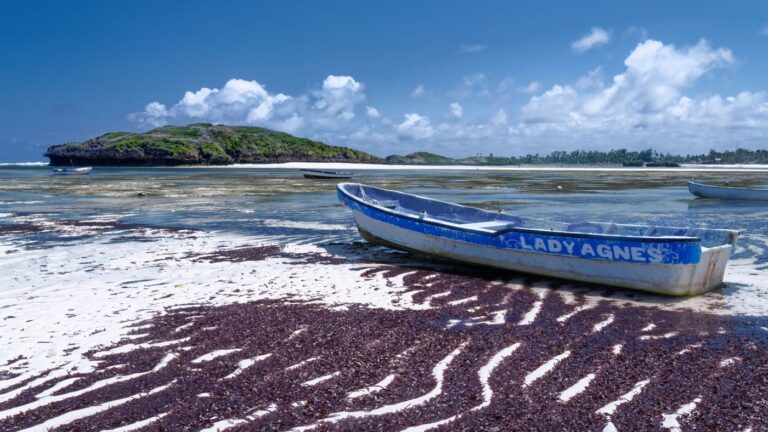
The tide matters here more than at many beaches. At high tide the water is deep enough for a proper swim. At low tide it can retreat a long way, leaving sandbars and shallow pools that are fun for wading but not for swimming in some sections. Check tide times each morning with your hotel, and plan swims, boat trips and kitesurfing around them.
The coast is hot and humid for much of the year, cooled by sea breezes. Sun protection is important, and a hat, reef-safe sunscreen and plenty of water make a real difference.
The reef shelters an excellent range of water activities, many of them available from beach operators and hotels along the strip.
The best-known day trip from Diani is a dhow excursion to the Kisite-Mpunguti Marine Park, a protected area of small islands and coral gardens near the Tanzanian border, managed by the Kenya Wildlife Service. Boats leave early from the coast, and trips usually include snorkelling on the reef and the chance to see dolphins, which are frequently reported here. Turtles and a great variety of fish are common, and whales or whale sharks are seen at certain times of year. Lunch is often served on nearby Wasini Island, where you can also walk through a coral garden and meet the local community.
Wildlife sightings depend on the season and the sea, so we describe them as likely rather than guaranteed. Calmer water is usually found in the drier months, and the trip is a long day, so bring sun protection and a light layer for the boat ride home.
Behind the beach, small patches of coastal forest hold surprising wildlife and culture.
The Digo, one of the nine Mijikenda peoples, are the indigenous people of the Diani area, and Swahili culture has shaped the coast for centuries through trade across the Indian Ocean. At the northern tip of the beach stands the Kongo Mosque, which local sources describe as dating to the sixteenth century, one of the few remaining reminders of older Swahili settlement here. The food reflects that history too: coconut, fish, spices and fresh fruit appear on most menus, and a beachside meal of grilled fish is part of the experience.
If you would like to meet local people, we can arrange a village visit, a cooking class or a guided walk through Kaya Kinondo. Ask before taking photographs, and buy crafts from the people who make them.
The coast has two dry spells and two rainy periods. January to March is dry, sunny and warm, and generally a quieter time on the beach. June to October is also dry, with a cooler south-easterly breeze that is good for watersports and makes the heat more comfortable. The long rains fall around April and May, and shorter rains arrive from about November to mid-December. Rain on the coast tends to arrive in heavy bursts rather than all day, and many hotels offer lower prices in the wetter months.
If you are combining a beach stay with a safari, you can choose the beach season to match. The Mara migration season, from roughly July to October, overlaps with the dry months at the coast, so a safari followed by a beach rest is a popular combination at that time of year.
The quickest way from Nairobi is a short flight to Ukunda airstrip, which is right by the beach strip. You can also fly to Moi International Airport in Mombasa and take a road transfer of roughly an hour. Travellers who prefer the train can take the Madaraka Express from Nairobi to Mombasa and continue by road. Diani is about 30 kilometres south of Mombasa, and the road journey can take from around 45 minutes to over an hour depending on traffic and the Likoni ferry. Driving the whole way from Nairobi is possible but takes the better part of a day.
We arrange airport and station transfers, and we can help you choose between a flight and a rail journey to suit your budget and schedule.
Diani's restaurants range from simple beach shacks to hotel dining rooms and garden restaurants along the main road. Fresh fish, prawns, crab and lobster appear on many menus, usually grilled or cooked in coconut sauce, alongside Swahili dishes such as pilau, biryani and mahamri, a lightly spiced fried bread. Fresh tropical fruit and coconut water are sold everywhere. Most hotels will cater for dietary needs if you tell them in advance, and we can pass on any requirements when we book. Drink bottled or filtered water and ask your hotel which restaurants it recommends.
The calm lagoon, gentle sand and wide choice of hotels make Diani a good fit for both honeymooners and families. Couples often choose a quiet beachfront hotel or villa and spend their days between the sea, a spa and a sunset dhow cruise. Families do well at resorts with children's clubs, shallow water at high tide and activities such as snorkelling lessons, glass-bottomed boats and colobus walks. Let us know the ages of your children and any special occasion, and we will suggest places that suit.
A few simple habits make a coastal holiday smoother. Use sun protection every day, drink plenty of water, and wear reef shoes if you walk at low tide, since sea urchins and sharp coral can hurt bare feet. Use insect repellent in the evening, and speak to your doctor or a travel clinic about vaccinations and malaria precautions before you travel. Keep valuables in the hotel safe, agree prices before you buy from beach sellers or book a boat, and swim only where it is safe at the state of the tide. Your hotel and our team can advise on current conditions.
Pack light cotton clothing, a swimsuit, a wide-brimmed hat, a light jacket for the evening and a modest cover-up for visits to villages and religious sites.
Many of our guests finish a safari with a few days on the coast. A typical plan is a few nights in the Maasai Mara or Amboseli, followed by a short flight from Nairobi to Ukunda. Resting on the beach after early game drives is a pleasant contrast, and the warm water is a good reward after a dusty week. We recommend at least three nights on the coast, so you have time for a boat trip and one cultural or wildlife outing as well as plain relaxation. Tell us your dates and interests, and we will suggest hotels in your budget and arrange the transfers.
Diani is the natural finish to a safari in the Maasai Mara, Amboseli or the Tsavo parks. You can also pair it with the coast's other beaches, Watamu and Mombasa.
Information was compared across more than one source. Seasons, winds, sightings and boat schedules vary from year to year, so please confirm details with us when you book.
Yes, it is a well-established tourist area. Take normal precautions with valuables and use licensed beach operators.
December to March and July to October are the best periods for weather.
Four to five nights is ideal for a beach stay after safari.
Swimming is best at high tide. At low tide the water is shallow and the reef is exposed.
White sand, warm Indian Ocean water and easy days after a safari. Here is how to plan Diani Beach.
How to combine a Kenya safari with Diani Beach: the best routes, how to get to the coast, how many…
Diani is a long white-sand beach with its own airstrip; Watamu is reef-sheltered with a marine park, turtles and forest.…