Quick answer: Samburu National Reserve is a 165 square kilometre reserve in northern Kenya, about 310 km from Nairobi, where you can see the Samburu Special Five: Grevy’s zebra, reticulated giraffe, gerenuk, beisa oryx and Somali ostrich. Allow two to three nights. The best months are June to October, and the drive from Nairobi takes 5 to 6 hours.
Details checked in October 2026. Fees are taken from the reserve’s own 2026 fee table and can change without notice, so confirm before you travel.
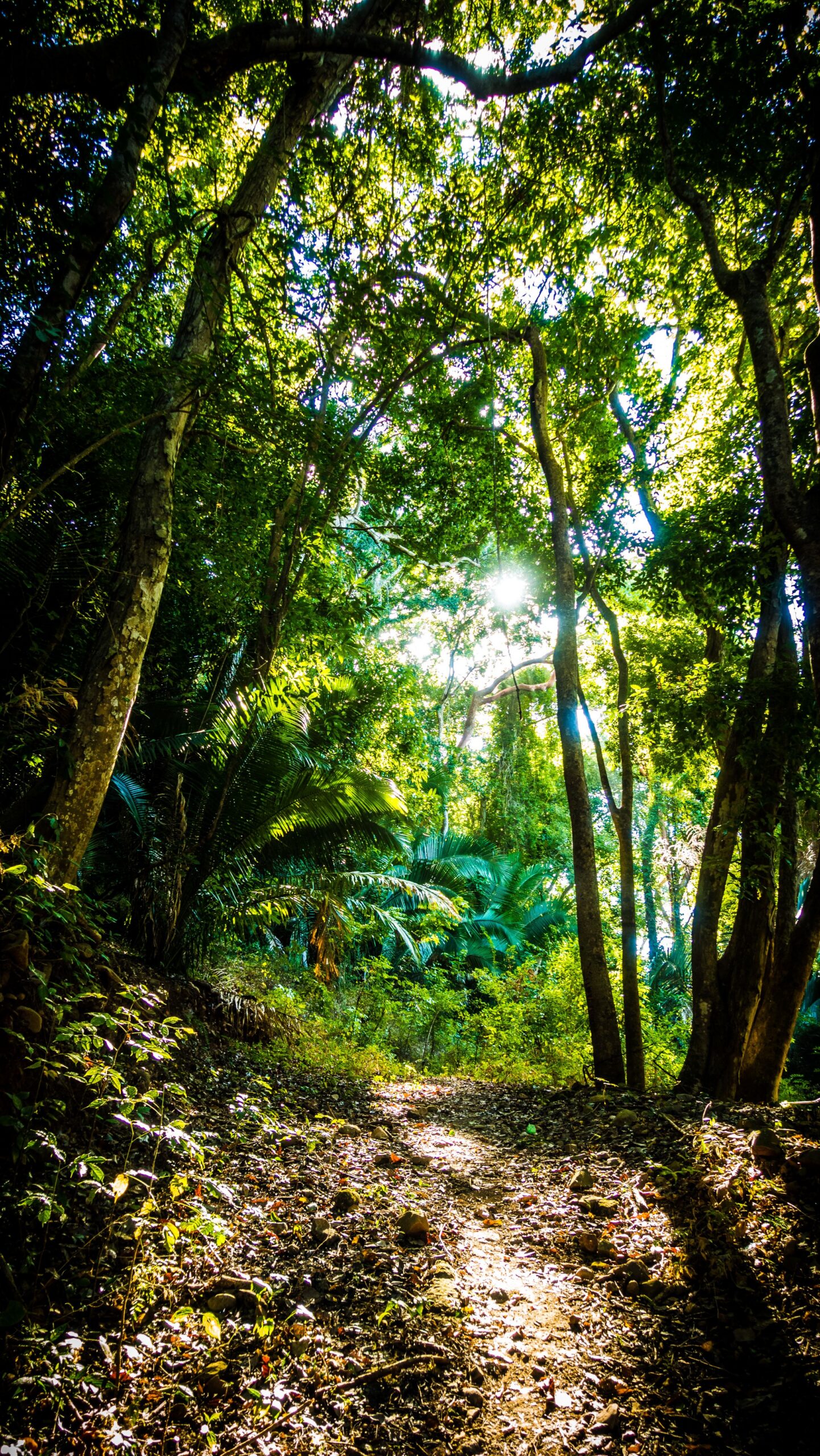
Samburu lies in Kenya’s arid north, along the Ewaso Nyiro River. It is a dramatic landscape of red earth, doum palms and rocky hills, and it offers wildlife you will not easily find in the southern parks. This guide covers what you can see, what it costs, how to get there and when to go.
Samburu National Reserve at a glance
| Detail | What to know |
|---|---|
| Location | Northern Kenya, on the banks of the Ewaso Nyiro River |
| Size | About 165 square kilometres |
| Altitude | Around 800 metres, so days are hot |
| Managed by | Samburu County Government |
| From Nairobi | About 310 km; 5 to 6 hours by road; about 1 hour by air from Wilson |
| Nearest towns | Isiolo (about 80 km) and Nanyuki (about 120 km) |
| Best time | June to October for wildlife at the river; November to May for green scenery and birds |
| Park fee (non-resident adult per 24 hours) | $85 adult, $50 child 3 to 11 (reserve’s own 2026 fee table) |
The Samburu Special Five
Guides in the north talk about the Special Five, a group of species that are common here and rare or absent in the Maasai Mara. Seeing them is the main reason to travel this far.
| Species | What makes it special |
|---|---|
| Grevy’s zebra | The largest and rarest zebra, with narrow stripes and big round ears. Fewer than 3,000 are left in the wild. |
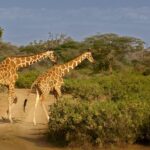
| Reticulated giraffe | Bold, net-like patches. Numbers have fallen by more than half in about 30 years. |
| Gerenuk | The long-necked “giraffe antelope” that stands on its hind legs to feed from bushes. |
| Beisa oryx | A desert antelope with long, straight horns. |
| Somali ostrich | A distinct species with a blue-grey neck. |
The conservation story is part of the visit. Grevy’s zebra and reticulated giraffe are both threatened, so seeing them in the wild is not just a tick on a list. It is a reminder of how much northern Kenya’s wildlife depends on protected land and community conservation.
Other wildlife
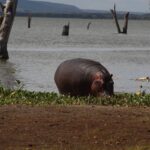
The Ewaso Nyiro River is the reserve’s lifeline, and in the dry months wildlife concentrates along it. Large herds of elephants come to drink and bathe, and the reserve is known for its elephant families. Lions, leopards and cheetahs are all regularly seen, with leopards often resting in riverside trees. Buffalo, waterbuck, impala, dik-dik and baboons are common, and crocodiles and hippos live in the river. Birdlife is rich, and the green season brings extra species. For a full list of what lives where, see our Kenya wildlife guide, and our cheetahs in Kenya guide if big cats are your priority.
The Samburu people
The reserve takes its name from the Samburu people, close relatives of the Maasai. They are known for their colourful beadwork and cattle-herding traditions. Many camps and lodges work with nearby communities, and a visit to a village can be arranged through your guide. Ask us how to make the visit respectful and fairly paid.
How much does a Samburu safari cost?
Park fees are only one part of the cost. According to the reserve’s own 2026 fee table, non-resident adults pay $85 per 24 hours, and children aged 3 to 11 and students up to 23 pay $50. Children under 3 enter free. Kenyan citizens and East African residents pay much lower rates in shillings. A vehicle also pays an entry fee, which is Ksh 800 for a vehicle with fewer than six seats and Ksh 1,600 for six to twelve seats. The reserve says a rate of $90 per adult per 24 hours applies to guests of certain lodges inside the reserve, so ask your camp which rate applies. Compare that with the Mara at $200 per day from July to December, as set out in our Kenya safari cost guide.
Most travellers book Samburu as part of a package. These tours include it:
| Tour | Length | Best for |
|---|---|---|
| Bird Watching Safari from Nairobi through Mount Kenya to Samburu (from $1,258 per person) | 7 days | Birders who want a shorter trip |
| Kenya Safari: Samburu, Lake Nakuru, Masai Mara, Naivasha and Amboseli (from $2,024 per person) | 8 days | First-timers wanting variety |
| Exclusive Kenya Safari: Samburu, Ol Pejeta, Maasai Mara and the Rift Valley lakes (from $2,153 per person) | 8 days | Northern rhinos plus the Mara |
| Classic Kenya Safari: Samburu, Maasai Mara, Lake Nakuru, Naivasha and Amboseli (from $2,099 per person) | 9 days | A classic circuit |
| Photography Safari: Samburu to the Maasai Mara (from $2,498 per person) | 9 days | Photographers |
| Luxury Flying Safari: Lewa, Samburu and the Maasai Mara (from $4,164 per person) | 9 days | A luxury, comfort-first route |
“From” prices are per person and are starting prices: the lowest per-person rate shown on each tour page, which is for the largest group size (and low season where a tour has seasons). Smaller groups and high season cost more, so check the tour page for the full price by group size. Our private versus group safari guide explains how that changes the price.
Getting to Samburu
By road
Samburu is about 310 km from Nairobi. The drive takes roughly 5 to 6 hours via Nanyuki and Isiolo. The road is good for most of the way, and the last section is on reserve tracks. Many itineraries break the journey at Ol Pejeta or Mount Kenya, which makes the day easier.
By air
A flight from Wilson Airport takes about an hour and saves most of the road time. Read our flying safari guide for how bush flights and luggage limits work, and the JKIA and Wilson airport guide for which airport to use.
Best time to visit Samburu
June to October is the dry period. The land is dusty, animals concentrate along the river, and wildlife is easy to find. From November to May the reserve is greener, and the birding is better, although some tracks can be slow after heavy rain. Samburu is hot during the day, so choose light clothing and sun protection. Mornings and evenings are the best times for game drives. Our best time to visit Kenya guide sets Samburu against the rest of the calendar, and our packing list covers what to bring.
How many days do you need?
Two to three nights is enough for most travellers. A typical day starts with an early drive, followed by breakfast and a rest in the heat, then an afternoon drive along the river. With two nights you get four game drives and a good chance at the Special Five. Three nights gives time for a guided walk, a village visit and the neighbouring reserves.
A sample three-night plan
This is how a typical stay runs. We adjust it to your flights, your pace and the season.
- Day 1: Drive from Nairobi via Nanyuki and Isiolo, arriving in time for an afternoon game drive along the river.
- Day 2: A full day of game drives, one at dawn and one in the late afternoon. Spend the midday heat at camp. This is the day to look for gerenuk, Grevy’s zebra and the elephant herds at the water.
- Day 3: A morning drive or guided walk, then an optional village visit, and one more afternoon drive for leopards and cheetahs.
- Day 4: A final dawn drive, breakfast, then the road or flight back, or onwards to Ol Pejeta, Laikipia or Lake Nakuru.
If you are short of time, two nights still works if you fly in from Wilson. Road travellers should avoid squeezing Samburu into a single night, because the drive eats most of two days.
Why Samburu matters for conservation
The northern species are under pressure from drought, competition with livestock and habitat loss. Grevy’s zebra numbers are below 3,000, and reticulated giraffe have fallen by more than half in three decades. Visiting responsibly, using community-linked camps and paying reserve fees all help keep the land open for wildlife. When you book, ask how your camp supports local people and conservation, and whether it works with community conservancies.
Samburu compared with the Maasai Mara
| Samburu | Maasai Mara | |
|---|---|---|
| Known for | Special Five, river elephants | Great Migration, big cats |
| Landscape | Arid, red earth, doum palms | Open grassland |
| Crowds | Usually quieter | Busy in peak months |
| Park fee, non-resident adult per day | $85 | $200 from 1 July to 31 December; $100 from 1 January to 30 June |
| From Nairobi | 5 to 6 hours | 5 to 6 hours by road |
Most travellers do both. If you can afford only one, choose the Mara for the migration, and Samburu for the unusual species and fewer vehicles. Our Mara reserve versus conservancies guide explains the Mara options. If you are deciding whether to pair the Mara with Samburu or with Amboseli, our Maasai Mara with Samburu or Amboseli comparison sets the two routes side by side.
Combine Samburu with Ol Pejeta
Samburu pairs naturally with Ol Pejeta, which sits on the road north from Nairobi. Read our Ol Pejeta guide for the northern white rhinos, and the Laikipia conservancies guide for other private reserves in the area. Birders may like our birdwatching in Kenya guide.
Practical tips
- Ask about the neighbouring reserves. Buffalo Springs and Shaba lie close by and offer a different feel.
- Bring binoculars and a camera with a long lens. Birds and gerenuk can be distant.
- Drink plenty of water. The area is hot and dry.
- Tip fairly. See our tipping guide for suggested amounts.
- Check entry rules. See our visa and entry guide before you fly.
Our honest view
Samburu is the right choice if you want species you will not see in the Mara and a quieter safari. It is not the place for the migration, and it is hot. Two to three nights is the sweet spot. Most travellers add it to a longer route, and we can build one around your dates.
To plan a trip that includes Samburu, message us on WhatsApp at +254 794 588 242 or email info@cherishafricasafaris.com with your dates and group size.
Sources: Samburu National Reserve park entry fee table (samburureserve.com, applicable 2026); published reserve guides from safarifind.com and cheetahsafaris.com; operator price listings. Last checked October 2026.
Frequently asked questions
What is the Samburu Special Five?
Five species typical of northern Kenya that are rare or absent in the Maasai Mara: Grevy’s zebra, reticulated giraffe, gerenuk, beisa oryx and Somali ostrich. Samburu is one of the easiest places to see all five in a few days.
How much is the Samburu National Reserve entry fee?
The reserve’s own 2026 fee table lists $85 per non-resident adult per 24 hours and $50 for children aged 3 to 11 and students up to 23. Children under 3 are free. Guests of certain lodges inside the reserve may pay $90, and vehicles pay a separate fee. Fees can change without notice, so confirm before you travel. Our tour prices include the fees for the safari you book.
How far is Samburu from Nairobi?
About 310 km. The drive takes roughly 5 to 6 hours, through Nanyuki and Isiolo. A flight from Wilson Airport takes about an hour.
What is the best time to visit Samburu?
June to October is the driest period. Animals gather along the Ewaso Nyiro River, so sightings are easiest. November to May is greener and good for birds, although some roads can be slow after heavy rain.
How many days do I need in Samburu?
Two to three nights is right for most travellers. That gives you four to six game drives and time to see the Special Five without rushing.
Is Samburu worth visiting if I am going to the Maasai Mara?
Yes, if you have at least a week. The two feel different. The Mara has the migration and huge herds. Samburu has species you will not see there and is usually far quieter.
Is there malaria in Samburu?
Samburu is a low-altitude area, so ask your doctor about malaria prevention before you travel. Our malaria and travel health guide and vaccinations checklist cover the basics.
Can you see lions and leopards in Samburu?
Yes. Lions, leopards and cheetahs are all seen regularly along the river and on the plains, and elephants gather at the water in large numbers. Leopards are most often found in riverside trees.
Safaris that fit this guide
These Cherish Africa Safaris trips match what this guide covers. We can adjust any of them to your dates, group size and budget.
- 7 Days Bird Watching Safari From Nairobi, Through Mount Kenya Up To Samburu National
- 8 Days Kenya Safari: Samburu, Lake Nakuru, Masai Mara, Naivasha & Amboseli
- 8 Days Safari Adventure: Samburu, Ol Pejeta, Naivasha & Maasai Mara
Not sure which trip suits you? Browse all our Kenya safari tours or send us an enquiry.