Ol Pejeta vs Lewa: Which Conservancy Fits Your Kenya Safari?
Compare Ol Pejeta and Lewa on wildlife, activities, accommodation, 2026 conservancy fees, family needs and how each fits our Kenya…

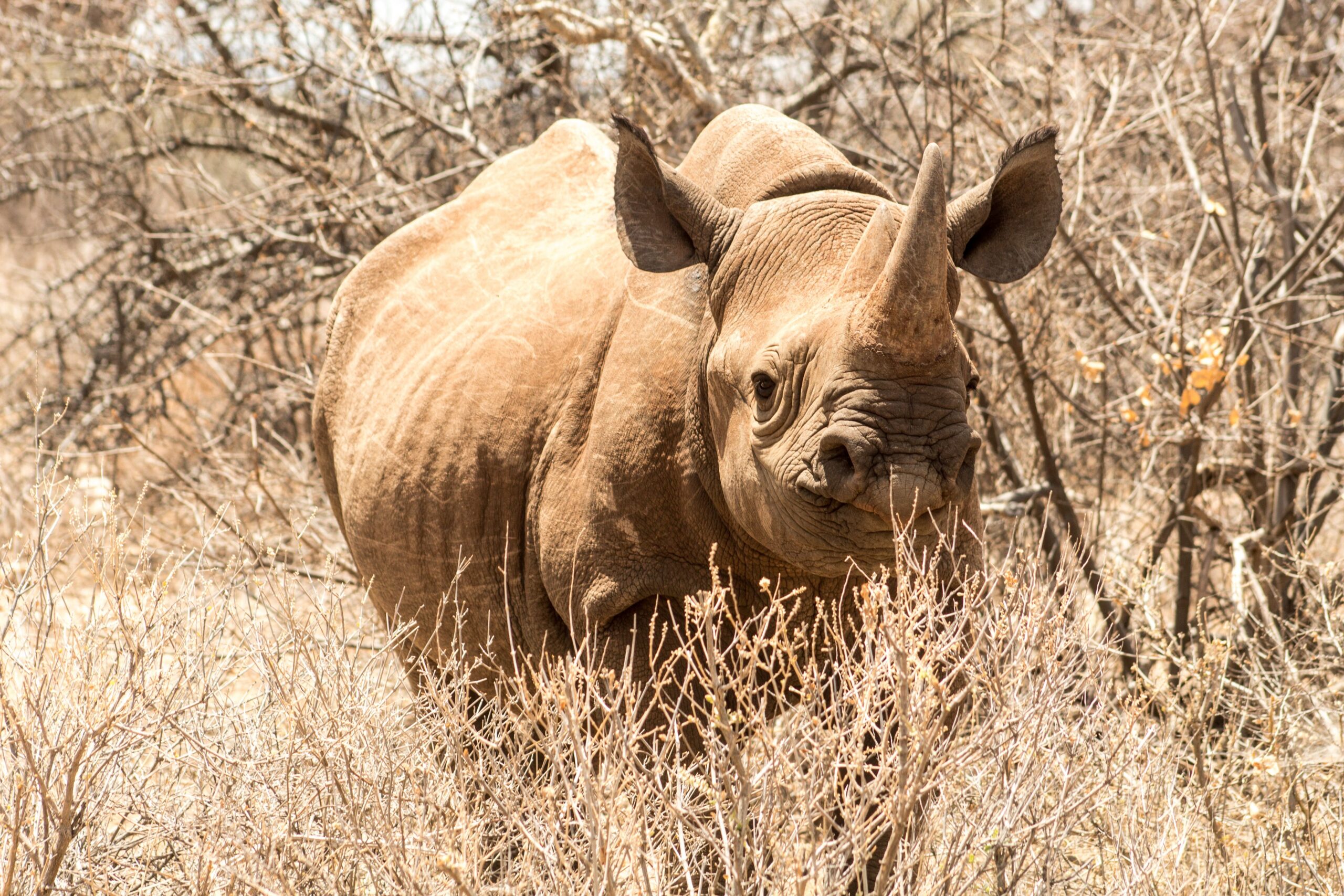
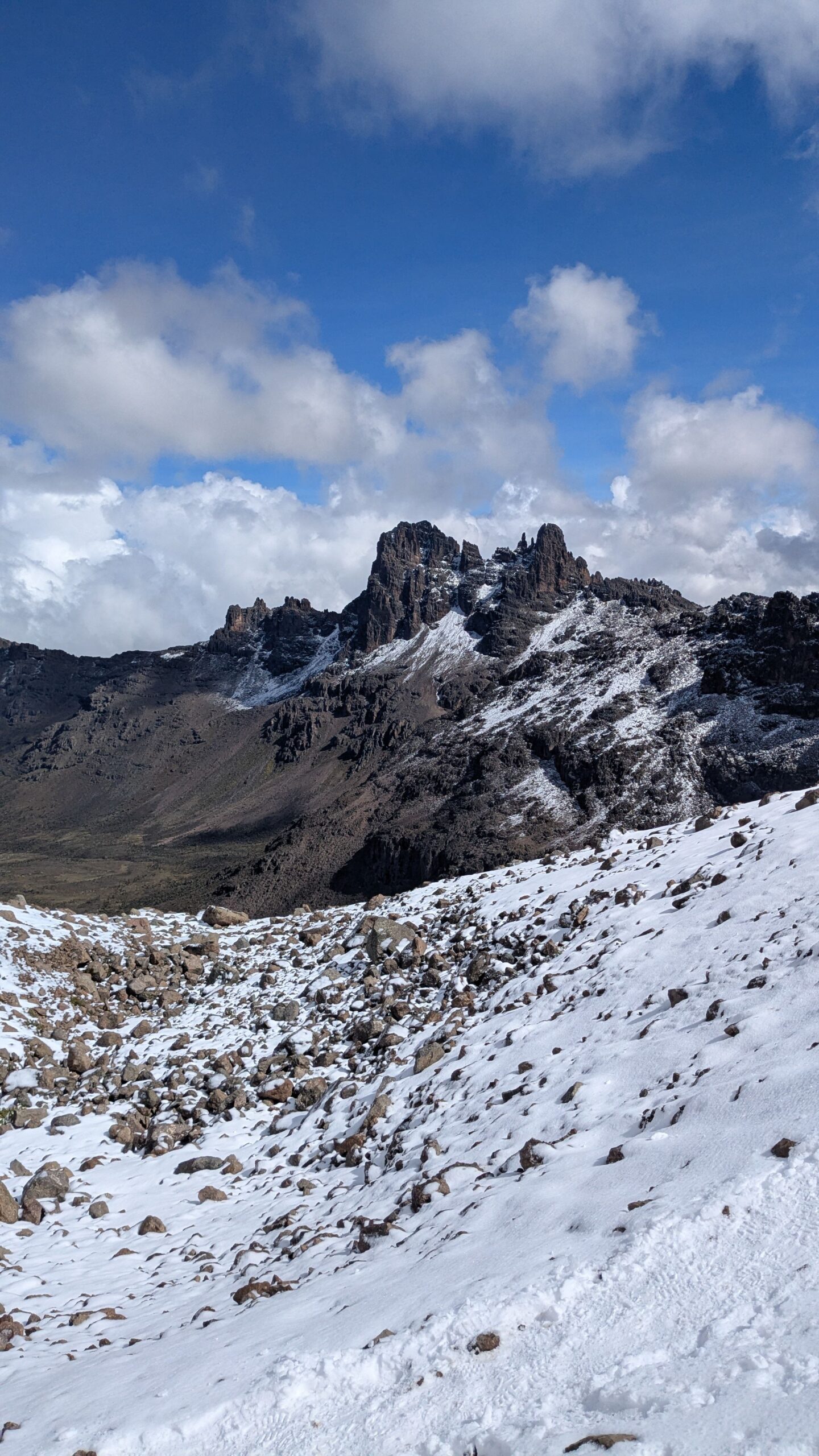
Ol Pejeta Conservancy sits on the Laikipia plateau beneath Mount Kenya, and it has become one of East Africa's most important wildlife conservation stories. It protects the largest black rhino population in East Africa and is home to the last two northern white rhinos on Earth. It is also one of the few places in Kenya where you can see rhino, lion, leopard and chimpanzees in a single trip.
Here is what you can see and do at Ol Pejeta, when to go and how to reach it from Nairobi.
Ol Pejeta is run as a not-for-profit conservancy, and income from visitors pays for anti-poaching patrols, rhino protection and community projects. The land was once a cattle ranch, and a small herd of cattle is still managed here alongside wildlife as part of an experiment in coexistence.
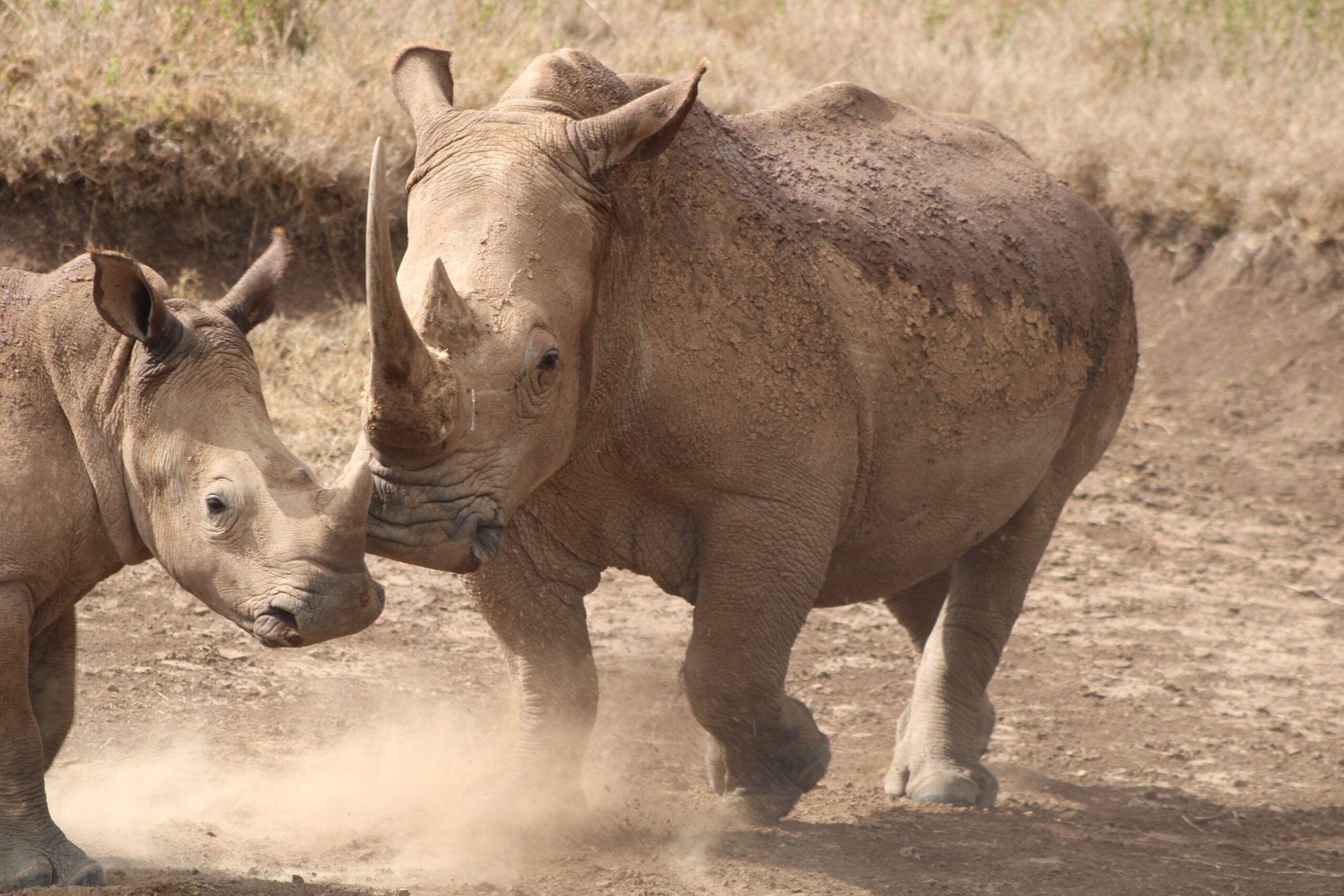
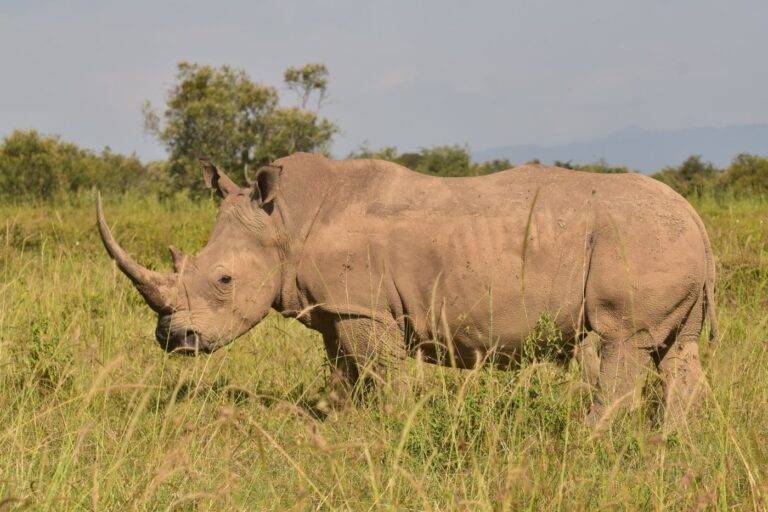
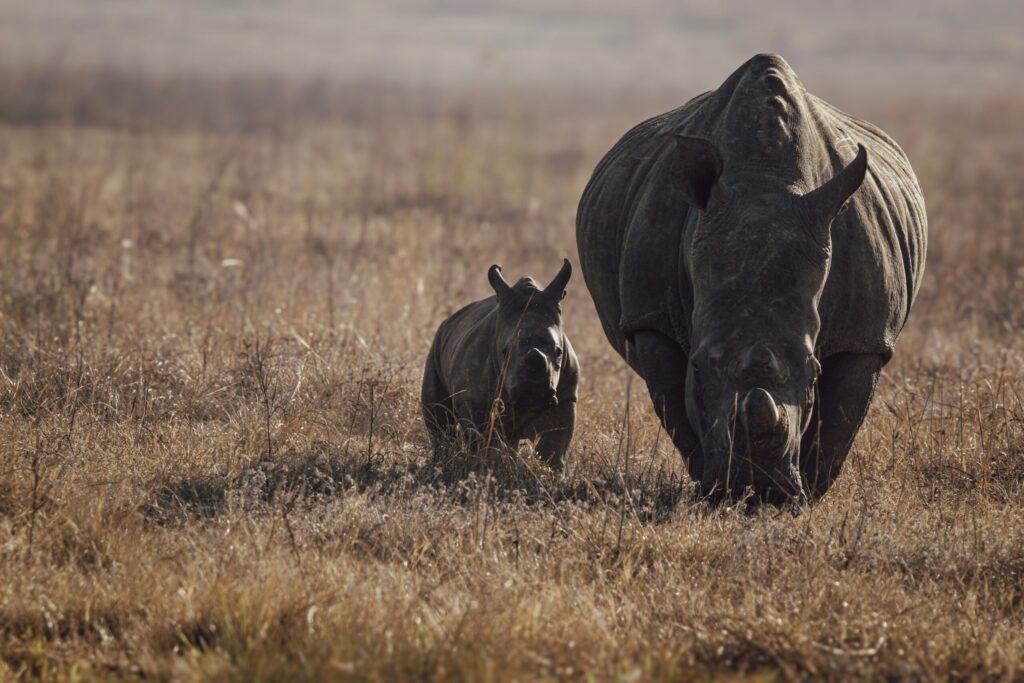
Ol Pejeta is best known for its rhinos. It is home to a large population of black rhino and a growing group of southern white rhino, and it cares for Najin and Fatu, the last two northern white rhinos left in the world. Both are protected around the clock by armed rangers, and an international team is working on assisted reproduction using stored genetic material to try to save the subspecies.
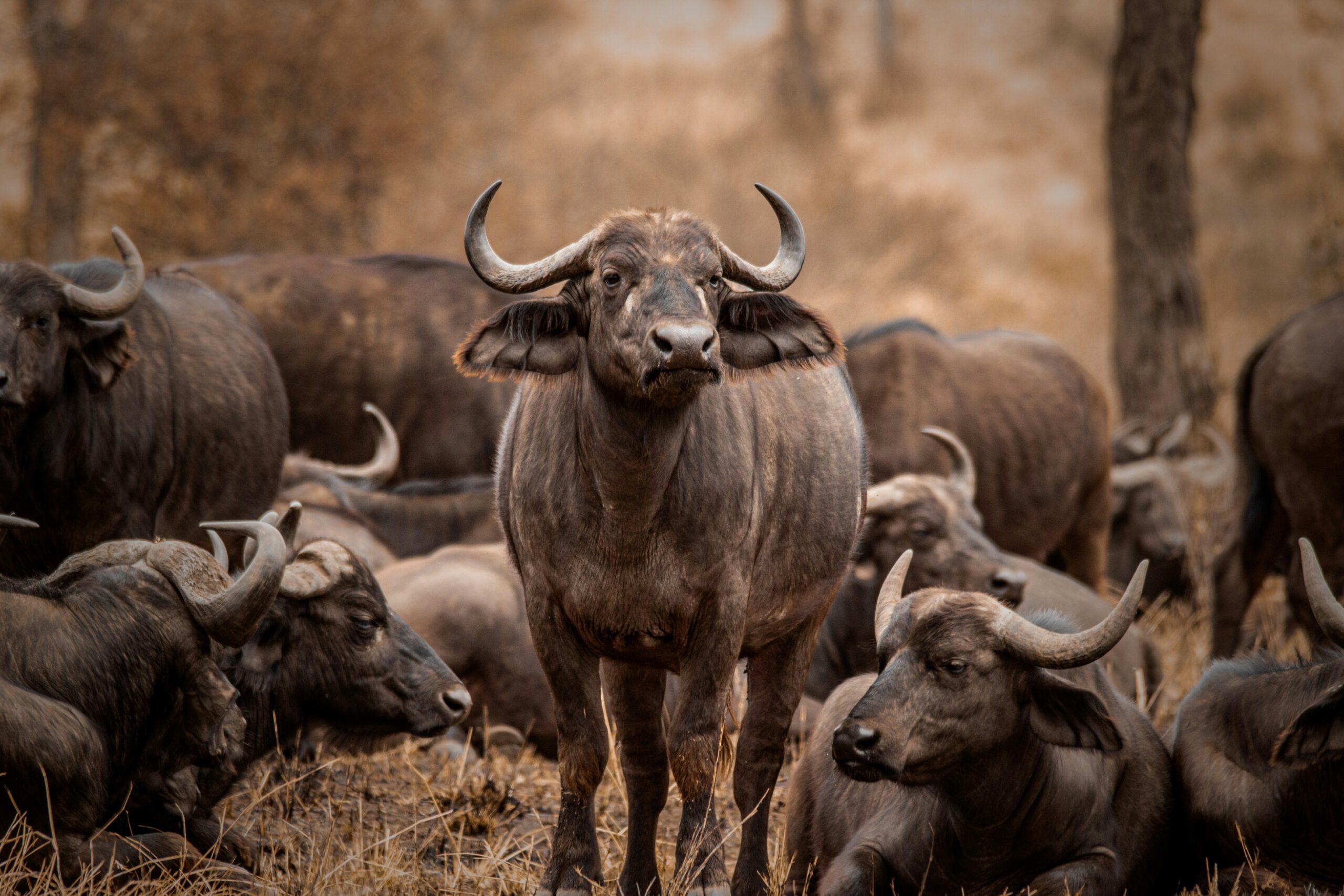
Beyond rhinos, the conservancy has plains game, large herds of buffalo and elephant, healthy lion prides, leopard, cheetah and plenty of birds. Mount Kenya fills the western horizon on clear mornings.
One of the largest populations of this critically endangered species in East Africa. Sightings are common, and rangers monitor individuals closely.
Najin and Fatu, the last two of their kind, are kept in a protected area. Visits are supervised and arranged through the conservancy; you can see them from a respectful distance with a ranger.
The Sweetwaters Chimpanzee Sanctuary, established with the Jane Goodall Institute, is the only chimpanzee sanctuary in Kenya and cares for rescued chimps in a large, fenced forest enclosure.
Open grassland makes big cats easier to find than in thicker bush, especially lions and cheetah.
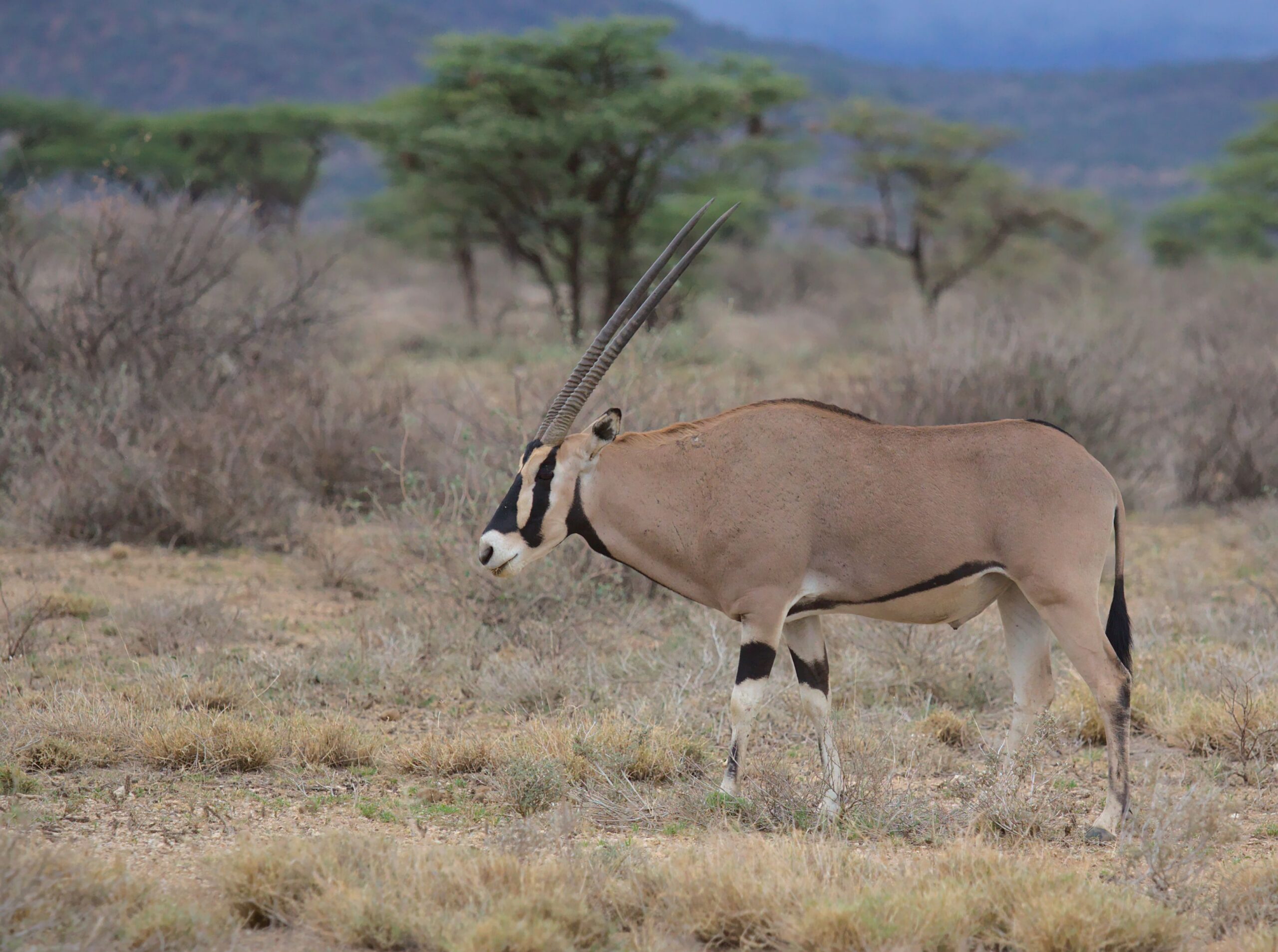
Elephant, Cape buffalo, Grevy's and plains zebra, giraffe, waterbuck, eland and Jackson's hartebeest are all regularly seen.
Hundreds of bird species are recorded, from ostriches and secretary birds to bee-eaters and sunbirds.
Morning and afternoon drives in the main sectors are the core activity. Open vehicles give excellent photography angles.
Ol Pejeta allows night drives, a rarity in Kenyan parks, with the chance to see nocturnal species such as aardvark, bushbabies, civet and leopard.
Guided walks and bike rides are available in designated areas, offering a quieter and more personal way to see the landscape.
A guided visit includes feeding time and an explanation of how chimps came to the sanctuary.
Meet the northern white rhinos and hear the conservation story from a ranger.
Drive north from Nairobi through Thika, Nyeri and Nanyuki, then on to the conservancy gate. The route crosses the Equator near Nanyuki and takes around 4 to 5 hours.
Scheduled flights serve Nanyuki from Nairobi Wilson, and charter flights can land at the conservancy airstrip, saving several hours of driving. We will confirm current options for your dates.
The conservancy has lodges, tented camps and a campsite. We will match one to your budget and dates.
Ol Pejeta Conservancy covers about 360 square kilometres of Laikipia County, in the highlands between the Aberdare range and Mount Kenya, and the equator runs across it. It began as a cattle ranch, and part of the land opened to tourists in 1988 as the Sweetwaters Game Reserve, covering roughly 97 square kilometres at first. In 2004 the land was bought with help from conservation donors so that it could be managed for wildlife. Today it is a conservancy run for conservation, with cattle ranching and tourism helping to pay for the work.
This mix is what makes Ol Pejeta different. It is not a national park, and the money you spend on a visit goes into rhino protection, community projects and research.
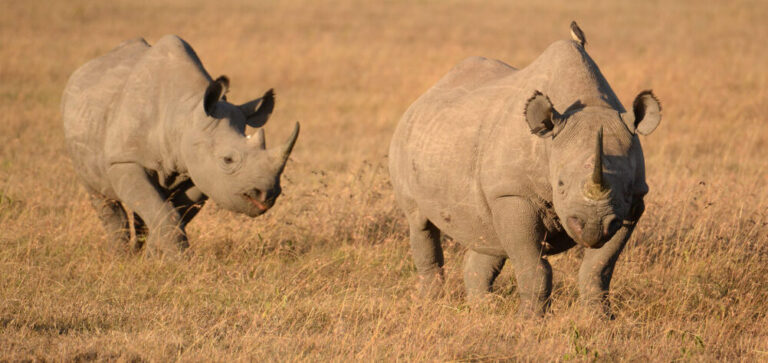
Ol Pejeta is best known for its rhinos. It is a key black rhino sanctuary, where the hundredth calf was born in 2013 and the population has grown under close protection. Visitors have a good chance of seeing black rhino from the vehicle, and southern white rhino graze in the open.
The conservancy also cares for two of the last northern white rhinos in the world. Four were brought here from a Czech zoo in 2009. Sudan, the last male, died in 2018, and two females, Najin and Fatu, remain under permanent armed guard. They are the focus of an international effort to save the subspecies through advanced breeding techniques, and a visit is a rare chance to see the animals, though they are protected and visits are carefully managed.
Security here is intensive, with dedicated rhino patrols, tracker dogs and fence monitoring. Please follow your guide's instructions at all times near the rhinos.
Ol Pejeta also hosts the Sweetwaters Chimpanzee Sanctuary, which opened in 1993 with orphaned chimpanzees from Burundi. Others have joined since, many of them rescued from the illegal pet trade, and the sanctuary now cares for dozens of animals that could not safely be returned to the wild. A guided visit explains their stories and the work of the carers. It is a thoughtful experience rather than a wildlife sighting, and a good one for families.
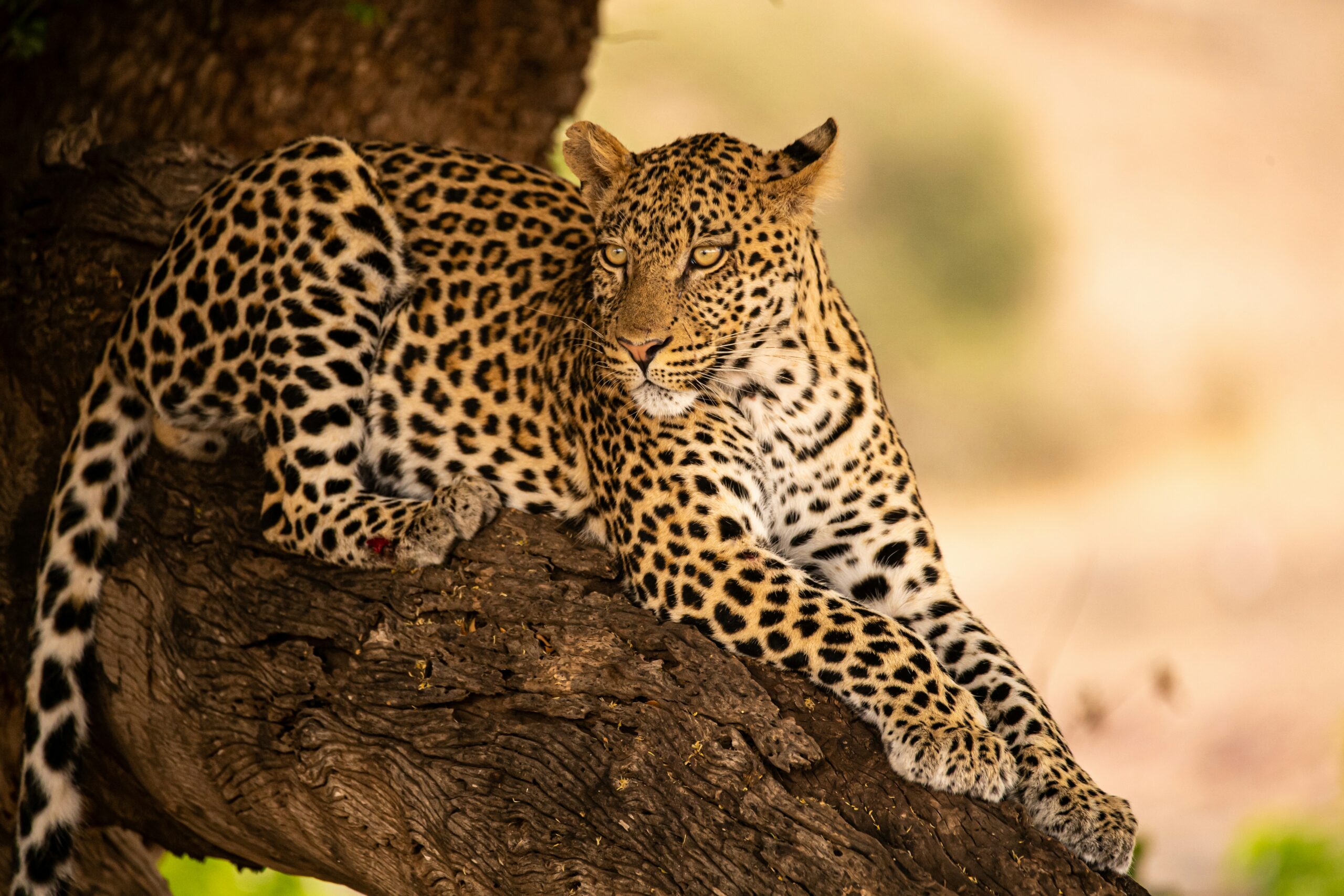
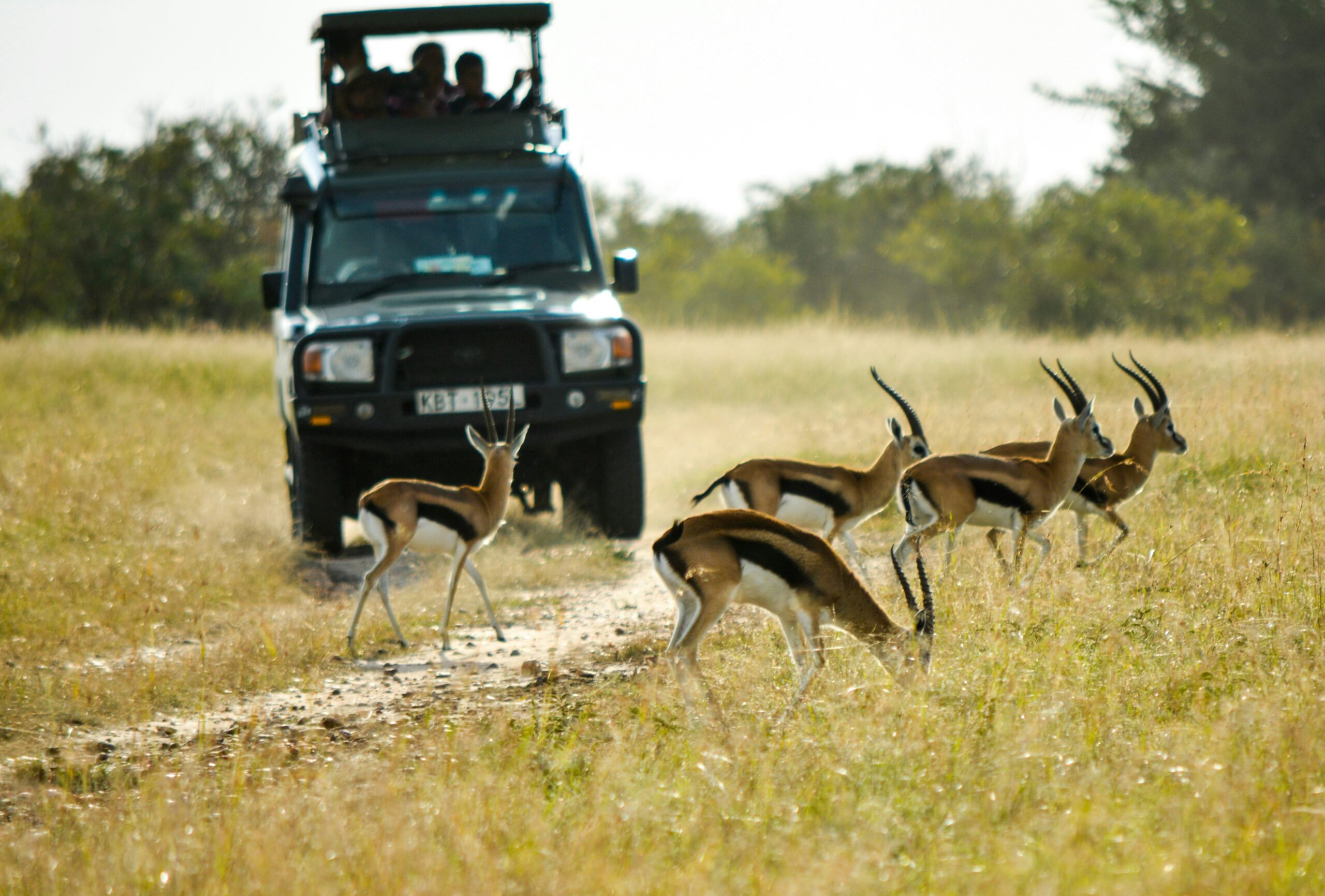
Beyond the rhino, the open plains carry large herds of zebra, gazelle, eland, hartebeest, waterbuck and buffalo, along with elephants, giraffe, lion, leopard, cheetah and hyena. More than 300 bird species have been recorded. The varied habitat and the conservancy's relatively low visitor numbers make it a rewarding place to watch predators in a quiet landscape.
As a private conservancy, Ol Pejeta can offer experiences that national parks cannot. Depending on the season and your lodge, these may include night drives, guided walks, bush meals, cycling and visits to the rhino enclosure and the chimpanzee sanctuary. Ask us about what is available for your dates. Many travellers spend two nights here to allow time for morning and evening drives as well as a visit to the sanctuary.
Ol Pejeta still keeps cattle, including herds of Boran, a hardy breed adapted to the dry country, one of which is reported to be the largest herd of pure Boran in the world. The cattle help to fund conservation and they also graze the grassland in a way that keeps it open for wildlife. It is an example of the way ranching and conservation can share land in Laikipia, where much of the wildlife lives outside national parks.
Protecting rhinos is expensive and demanding. The conservancy employs rangers and tracker dogs, runs foot and vehicle patrols across the grid, and checks its fences constantly. It has used light aircraft and a drone to help monitor the land. The cost of securing the land is high, which is why visitor income matters so much. A visit to Ol Pejeta is a direct contribution to rhino protection.
Ol Pejeta runs programmes with neighbouring communities, including support for schools and clinics and projects that improve water and livelihoods. Millions of dollars have been raised and spent on these programmes since the early years of the conservancy. As elsewhere in Kenya, long-term conservation depends on the people living beside the wildlife, and we choose lodges that share this approach.
Most guests begin with a morning game drive, when the plains are cool and predators are moving. After breakfast there is time for the chimpanzee sanctuary or the rhino enclosure, followed by lunch and a rest during the heat of the day. An afternoon drive follows, and some lodges offer sundowners or a night drive. Because the conservancy is relatively small and well managed, you can see a great deal in two days without long journeys.
Pack layers, a warm jacket for early starts, a hat, sunscreen, binoculars and sturdy shoes. The altitude means evenings can be cold, so a fleece is useful in every season.
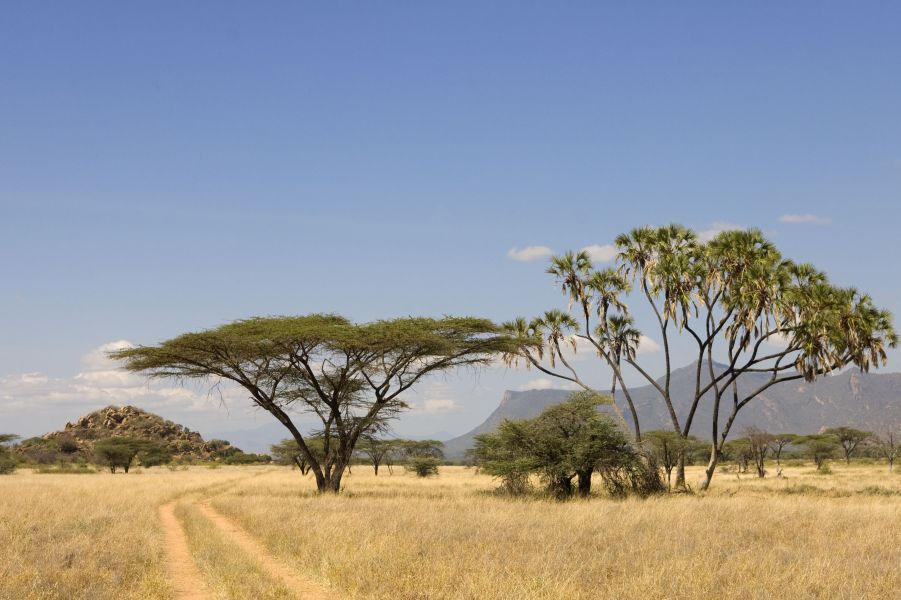
Ol Pejeta lies near the town of Nanyuki, roughly three to four hours by road from Nairobi, and it can also be reached by a short flight. It fits naturally into a northern circuit with Samburu, Lewa, Mount Kenya or the Aberdares. It is cooler than many safari areas because of the altitude, so bring layers for morning and evening drives. Dry months from about June to October and December to March are the most reliable.
Ol Pejeta works well with Lewa Wildlife Conservancy and Samburu National Reserve on a northern Kenya circuit, or with Mount Kenya and the Aberdares for a highlands trip. A rhino-focused itinerary can also add Lake Nakuru National Park.
Information was compared across sources. Wildlife numbers change, so we avoid precise current figures. Please confirm details with us when you book.
Yes. Najin and Fatu are protected at Ol Pejeta and can be visited with a ranger. Visits are controlled to protect the animals.
It is one of the best places in Kenya to see black rhino, and white rhino are common too.
Yes. Night drives are offered with an approved guide and are one of the conservancy's highlights.
Two nights lets you see the rhinos, chimpanzee sanctuary and take a night drive without rushing.
Ol Pejeta is at altitude but is not considered malaria-free. Use repellent and speak to your doctor about prophylaxis before you travel.
Compare Ol Pejeta and Lewa on wildlife, activities, accommodation, 2026 conservancy fees, family needs and how each fits our Kenya…
Quick answer: Ol Pejeta Conservancy is the only place on Earth where you can see a northern white rhino. Only…
Ask most visitors which animals they saw on safari and they will say lions, elephants and giraffe. Ask what stole…