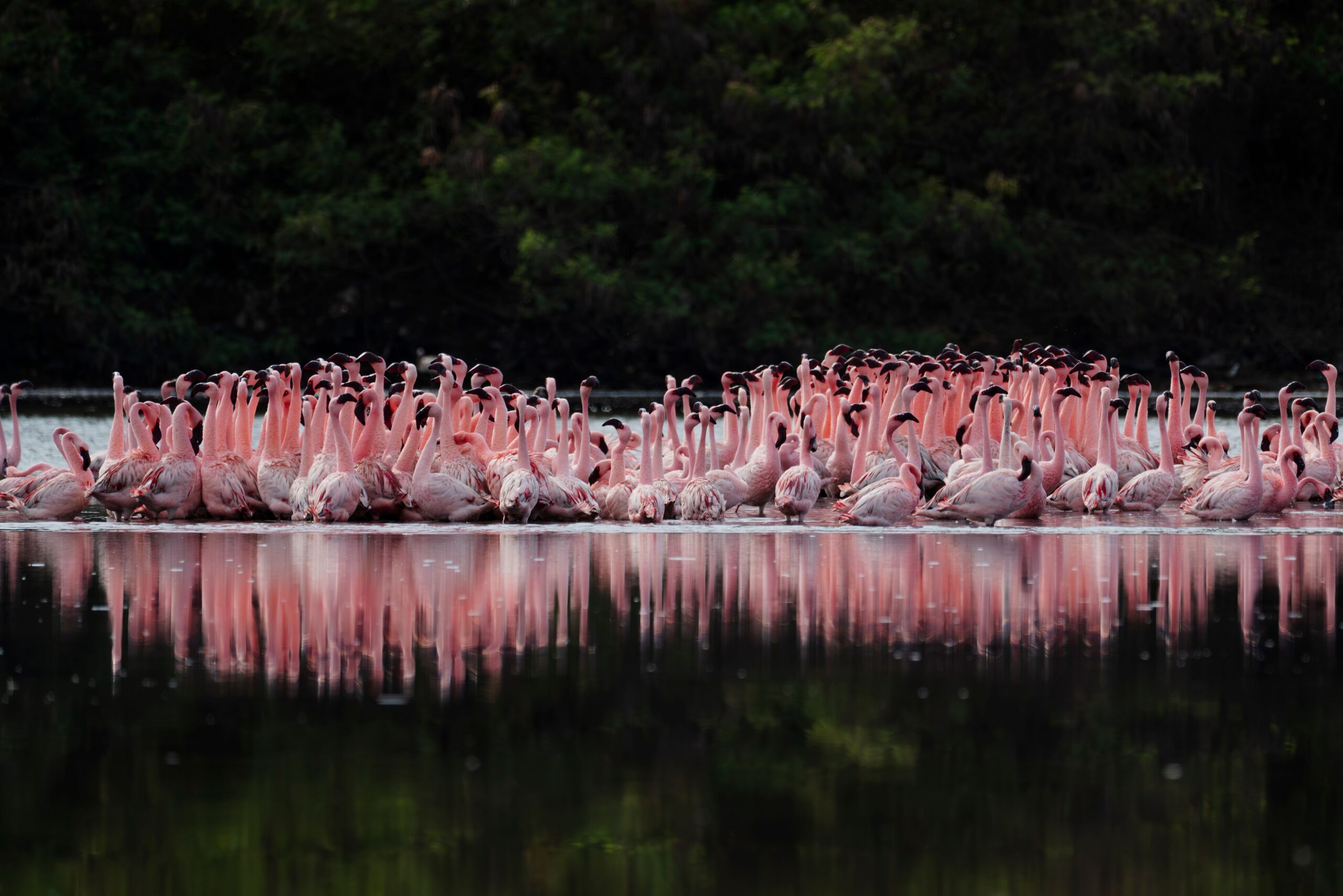
Lake Nakuru National Park is one of the easiest and most rewarding stops on a Kenya safari. It is compact, scenic and full of wildlife, and the vehicle tracks wind around a shallow alkaline lake with woodland, grassland and rocky ridges. This guide explains what you can see, when to go, how the flamingo story works, and how to fit Lake Nakuru into your itinerary.
About Lake Nakuru National Park
The park was first protected in the early 1960s, mainly for its birds, and it has since grown into a wider wildlife sanctuary. It is fenced, which makes it easier to protect rhinos and allows rangers to manage the ecosystem. The lake is a soda lake: salty and alkaline, which suits the algae that feed flamingos and a few types of small fish. The park is also recognised internationally as a wetland of importance, and its diverse habitat includes acacia woodland, euphorbia forest, grassland, rocky cliffs and open water.
Its size is modest compared with the Mara, which means you can see a lot in a single day without long drives. The small scale is a real strength for people who want a relaxed day of wildlife viewing with good photo chances.
Highlights of Lake Nakuru National Park
Rhinos
The park is one of the best places in Kenya to see both black and white rhinos, in part because its fence and ranger patrols provide a safe haven. White rhinos graze in open grassland and are often visible during game drives, while black rhinos prefer thicker bush and need more patience. Seeing a rhino at close range makes the visit memorable, and it highlights the conservation story that brings tourism income to the park.
Birdlife
More than 400 bird species have been recorded, including pelicans, storks, eagles, kingfishers, hammerkops and many waterbirds. The park is a fine place for birders, with woodland birds in the acacia belts and shorebirds on the lake edge. Our birdwatching in Kenya guide compares Nakuru with other top locations.
Big cats
Lions and leopards live in the park. Lions are often seen resting in the shade or on grassland, and sometimes in the acacias near the lake. Leopards are harder to see, but the woodland and forest give them good cover. Patience and a skilled guide help.
Rothschild’s giraffe and other animals
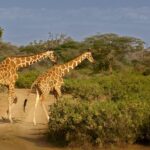
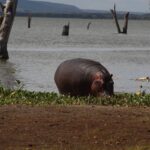
Rothschild’s giraffe, an endangered subspecies, is part of the park’s conservation work. You may also see buffalo, waterbuck, impala, zebra, warthog, baboons, vervet monkeys and hippos. Spotted hyenas and jackals appear around dusk.
Viewpoints
Baboon Cliff is the best known viewpoint, with a sweeping outlook over the lake and the Rift Valley floor. Other lookouts give different angles on the shoreline and the surrounding hills. Bring a camera, and plan to be there in good light.
The Flamingo Question
Lake Nakuru used to be famous for pink crowds of flamingos along the shore, and a huge flock still appears when conditions are right. Their numbers depend on the algae that grow in the lake, which in turn depend on salinity and water levels. When water levels rise or fall, flamingos move to other Rift Valley lakes. For that reason, treat flamingos as a bonus, not a guarantee. Ask your lodge or guide what is happening on the lake before you go. Even without flamingos, the rhinos, big cats and scenery make the park worth visiting.
Park Fees for Lake Nakuru National Park
As of the October 2025 Kenya Wildlife Service tariff, non-resident adults pay USD 90 and children USD 45 per day to enter Lake Nakuru National Park. Vehicle fees and other charges apply, and the amounts can change. Our Kenya national park fees guide lists the details for other parks.
Best Time to Visit Lake Nakuru
The park is open all year. The dry months, June to October and December to February, provide easier driving, clearer views and more animals around water. The wet seasons, March to May and November, bring green scenery and fewer visitors, though some tracks can be slippery. Mornings are best for rhinos and birds, while late afternoons give warm light for photographs.
How to Get There and How Long to Stay
Lake Nakuru is about three hours from Nairobi by road, and the route passes through the Rift Valley with views from the escarpment. It lies close to Lake Naivasha, so many itineraries combine the two. A full day is enough for the main loop, but an overnight stay lets you do an early game drive when the animals are most active. If you are continuing to the Mara, plan a long day of driving, and see our guide to Nairobi to the Maasai Mara by road or air.
Combining Lake Nakuru with Other Stops
Nakuru works well with Lake Naivasha and Hell’s Gate, which are a short drive away, and with the Maasai Mara or Amboseli on a longer route. A typical plan is Nairobi to Naivasha on day one, Nakuru on day two, and the Mara on day three. See our 6-day Kenya safari and 10-day Kenya safari to see how the pieces fit.
Tips for Visiting Lake Nakuru
- Start early. Animals are more active in the cool hours, and rhinos are easier to find.
- Bring binoculars for birds and distant animals.
- Keep windows and roof hatches managed as your guide advises. Baboons are bold and may try to grab food.
- Stay in the vehicle except at designated viewpoints.
- Carry a light jacket for early mornings and sun protection for the day.
- Use a long lens for birds and rhinos. Our safari photography tips explain how to get sharp pictures from a vehicle.
A Sample Day at Lake Nakuru National Park
Arrive at the gate soon after it opens, with a packed breakfast if you left a nearby lodge early. Drive first through the woodland and grassland on the lower side of the lake, where white rhinos and buffalo often graze, then continue toward the shoreline and look for pelicans and storks. By mid-morning, head up to Baboon Cliff for the main viewpoint and a photo stop. Take a long lunch break at a picnic site or at your lodge to avoid the midday heat. In the late afternoon, return to the woodland for lions, leopards and giraffe, and stay until the golden light, then leave before gates close.
Wildlife Behaviour to Watch For
Rhinos are most active at dawn and dusk and rest in shade during the middle of the day, so you may find them lying down. White rhinos are grazers with wide mouths, while black rhinos are browsers with pointed lips that pull leaves from bushes. Giraffes feed in the acacias in the morning and afternoon, and hippos leave the water at night to graze. Pelicans fish in groups, herding fish toward the shore, which makes a lively scene. Take time at each sighting, because small behaviours often tell the best stories.
Why Lake Nakuru Matters for Conservation
The park’s fence and patrols give threatened species a safe space, and rhinos from here have helped supply populations in other protected areas. Tourism revenue supports this work, which is why good manners matter: keep to tracks, keep a respectful distance, and avoid loud noise near animals. The lake is also fragile. Changes in rainfall, farming upstream and urban growth in Nakuru town affect water quality, and the park works with partners on these challenges. Visitors can help by choosing lodges with sound environmental policies and by taking waste with them.
Where to Stay Near Lake Nakuru
Options include lodges and camps inside the park, as well as places on its edge or in the surrounding hills. Staying inside gives you easy access for sunrise drives, while staying outside can mean a wider range of styles. Whichever you choose, ask about transfer times, park-fee arrangements and whether guided night walks or cultural visits are offered. Your operator can match accommodation to your budget and route without needing to quote rates here.
Family and Accessibility Notes
The small size and gentle terrain make Lake Nakuru a good park for families and older travellers. Distances between sightings are short, so children do not spend hours in the vehicle. Roads inside are generally manageable in a standard safari vehicle, although the wet season can make some tracks slippery. If anyone in your group has limited mobility, tell your operator in advance so the vehicle and viewpoints can be planned accordingly. See our guide to Kenya safari for seniors for more on pacing.
What to Pack for Lake Nakuru
Bring neutral clothing in layers, a hat, sunglasses and sunscreen, and a light waterproof for the rainy months. Closed shoes help at viewpoints with loose rock. Binoculars are essential for the birds, and a camera with a zoom lens will bring rhinos and pelicans closer. Carry a refillable water bottle, insect repellent for the evening, and a small day pack for snacks. A power bank is useful because charging points in vehicles are not always available.
Common Mistakes to Avoid
- Expecting flamingos every time. Their numbers change, so treat them as a bonus.
- Trying to see everything in two hours. Give the park a full morning and afternoon if you can.
- Leaving food visible in the vehicle. Baboons will take it.
- Starting late. The best animal activity happens early and late in the day.
- Pushing a guide to get too close to a rhino. A calm distance gives better pictures and keeps animals relaxed.
Frequently Asked Questions
How far is Lake Nakuru National Park from Nairobi?
The park is about three hours’ drive northwest of Nairobi, depending on traffic and road works. It is also a short drive from Lake Naivasha.
Can you see flamingos at Lake Nakuru?
Sometimes. Flamingo numbers depend on water levels and algae growth in the lake, so they move between Rift Valley lakes. Ask your guide or lodge about current conditions before you go.
Are there lions and rhinos at Lake Nakuru National Park?
Yes. The park is fenced, protects both black and white rhinos, and has lions and leopards. Rhino sightings are more likely here than in most parks.
What is the entry fee for Lake Nakuru National Park?
As of the October 2025 KWS tariff, non-resident adults pay USD 90 and children USD 45 per day. Check the current tariff before you travel.
How long should you spend at Lake Nakuru?
A full day or an overnight stay works well. It fits easily between Nairobi, Lake Naivasha and the Maasai Mara.
Deciding between the two Rift Valley lakes? See our comparison, Lake Nakuru vs Lake Naivasha, for wildlife, activities, park fees and where each fits our routes.
Safaris That Fit This Guide
Lake Nakuru fits into several of our routes, including the 5-day Kenya safari. Tell us your dates and interests, and we will plan a route with a rhino-friendly stop.