Lewa Wildlife Conservancy: Rhinos, Grevy’s Zebra and How to Visit
A practical guide to Lewa Wildlife Conservancy in northern Kenya: what you will see, how to get there, when to…
Lewa Wildlife Conservancy is a world-renowned rhino sanctuary and one of Kenya's finest private conservancies. Set between Mount Kenya and the dry country to the north, it protects black and white rhino, the world's largest single population of Grevy's zebra and a long list of other wildlife on land that was once a cattle ranch. It is a place for travellers who want a quiet, conservation-focused safari with guided walks and night drives, not just game drives.
This guide explains the story of Lewa, what you can see and do, when to go and how to combine it with Samburu, Ol Pejeta or the Maasai Mara.
Lewa began as a cattle ranch. The Craig-Douglas family was allocated the land in 1922 and ran it for more than 50 years. In 1983 the Craigs and Anna Merz set up a fenced, guarded rhino sanctuary at the western end of Lewa Downs, and about ten years later it was expanded to cover the rest of the ranch. The adjoining Ngare Ndare Forest was later included, and the conservancy as we know it took shape in the 1990s.
Today Lewa protects more than 12 per cent of Kenya's eastern black rhino population and holds the largest single population of Grevy's zebra in the world, at about 350 animals. It is also part of the Mount Kenya World Heritage Site and runs its own education programme that helps schools and students in the surrounding communities.
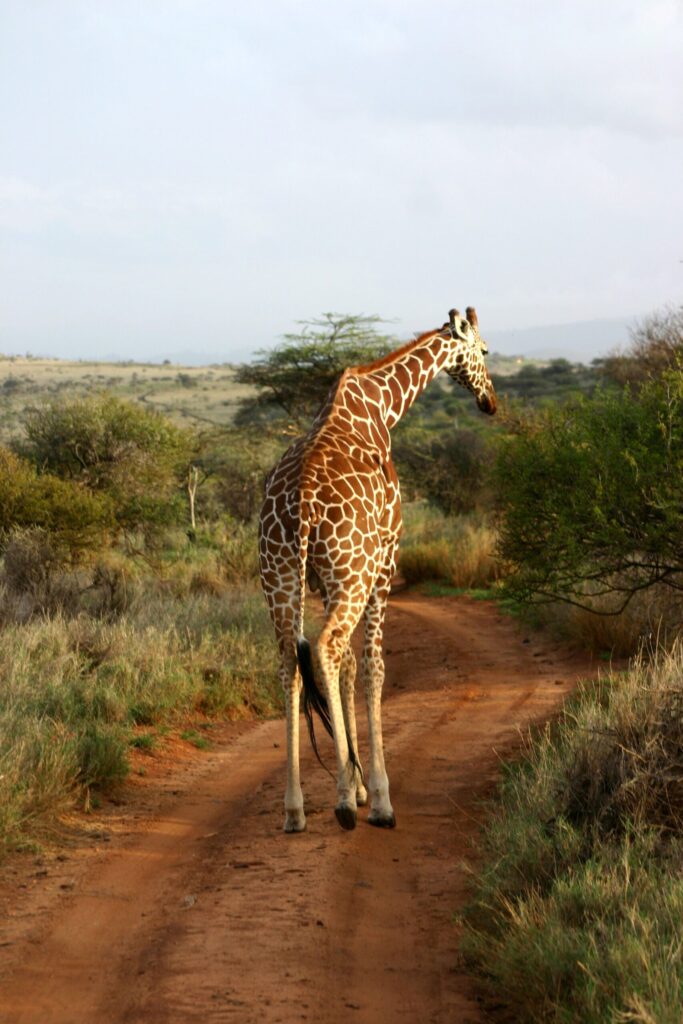
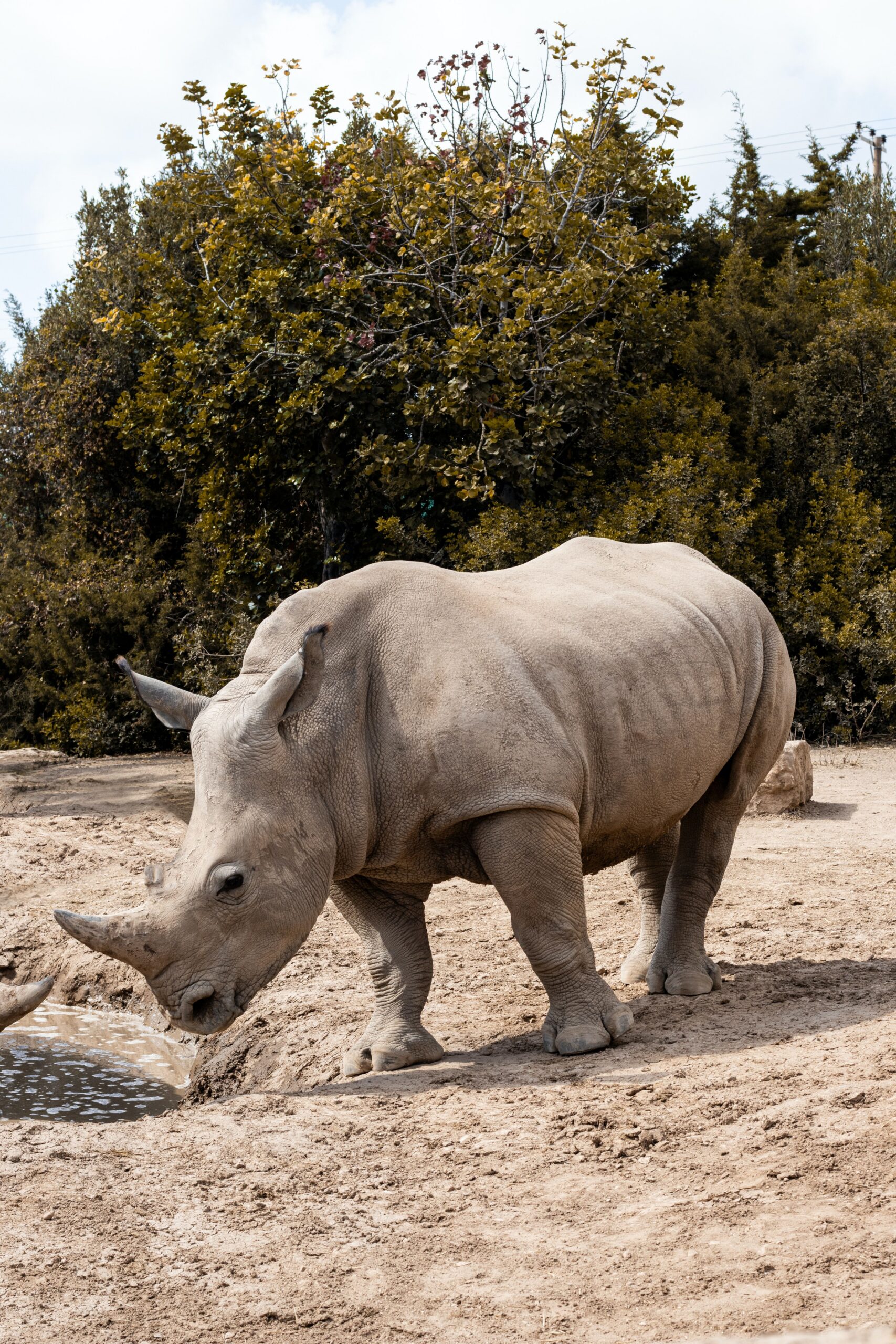
Lewa's rhino monitoring is among the most thorough in Africa, and sightings of both species are frequent.
An endangered species with narrow stripes and large ears. Lewa's population is the largest single group in the world.
Both are present, and elephants move between Lewa and Ngare Ndare Forest.
Lion, cheetah and leopard all live on the conservancy.
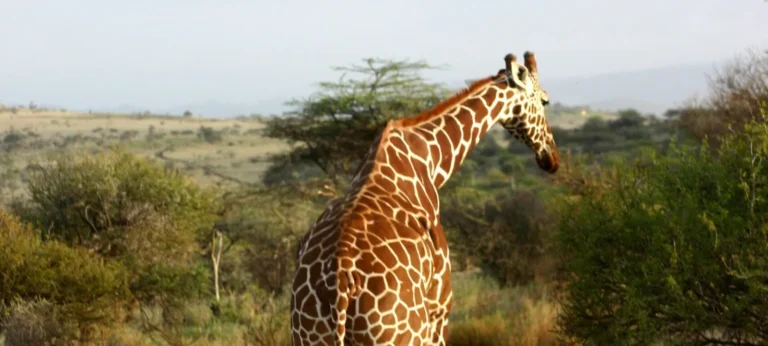
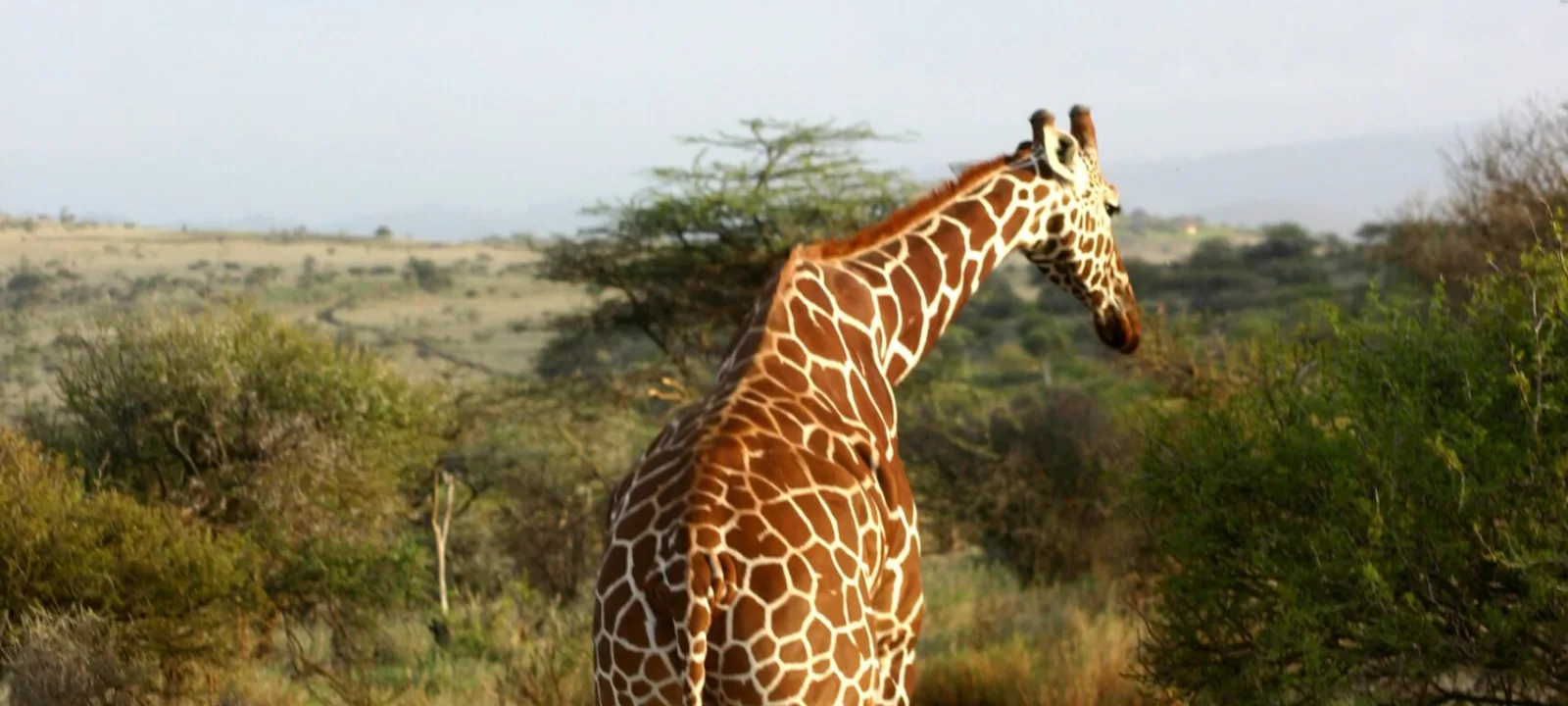
Reticulated giraffe, Jackson's hartebeest, eland, oryx and many other antelope are common.
Lewa has an excellent bird list that includes dry-country species and forest birds in Ngare Ndare.
Day and night drives in open vehicles, led by guides who know the individual rhino.
Walking with an armed ranger and guide lets you see tracks, plants and smaller animals that vehicles miss.
See game from horseback or on a camel in selected areas, where wildlife is relaxed around riders.
Tree-canopy walkways, forest walks and natural pools in the forest next to the conservancy.
Visit the rhino monitoring teams and community projects to see how a conservancy works day to day.
Lewa has two rainy seasons, like the rest of Kenya. Wildlife is resident, so game viewing is good all year.
Around 5 hours from Nairobi via Nanyuki and Isiolo, with Mount Kenya views on the way.
A scheduled or charter flight from Wilson Airport to Lewa's airstrip takes under an hour and is the quickest option.
Lewa and Samburu are close together, so many itineraries link them in a northern loop.
Lewa lies in Meru County in northern Kenya, south of Isiolo and north of Mount Kenya. The land was granted to the Craig family in 1922 and was run as a cattle ranch for more than fifty years. In 1983 the family and Anna Merz set up a fenced rhino sanctuary on the western end of the ranch, called Ngare Sergoi. About a decade later it grew to cover the rest of the ranch, and in 1994 the Ngare Ndare Forest was brought inside the fence.
The conservancy covers roughly 250 km² including the adjoining Ngare Ndare Forest (published figures vary slightly). It is best known for rhinos: it is reported to hold more than 12% of Kenya’s eastern black rhinos, and it is home to one of the largest populations of Grevy’s zebra in the world, in the low hundreds. Elephants, lions, leopards and buffalo are also present, and sitatunga live in the swampy areas.
Population figures change from year to year, so treat these as a guide and ask us for the latest.
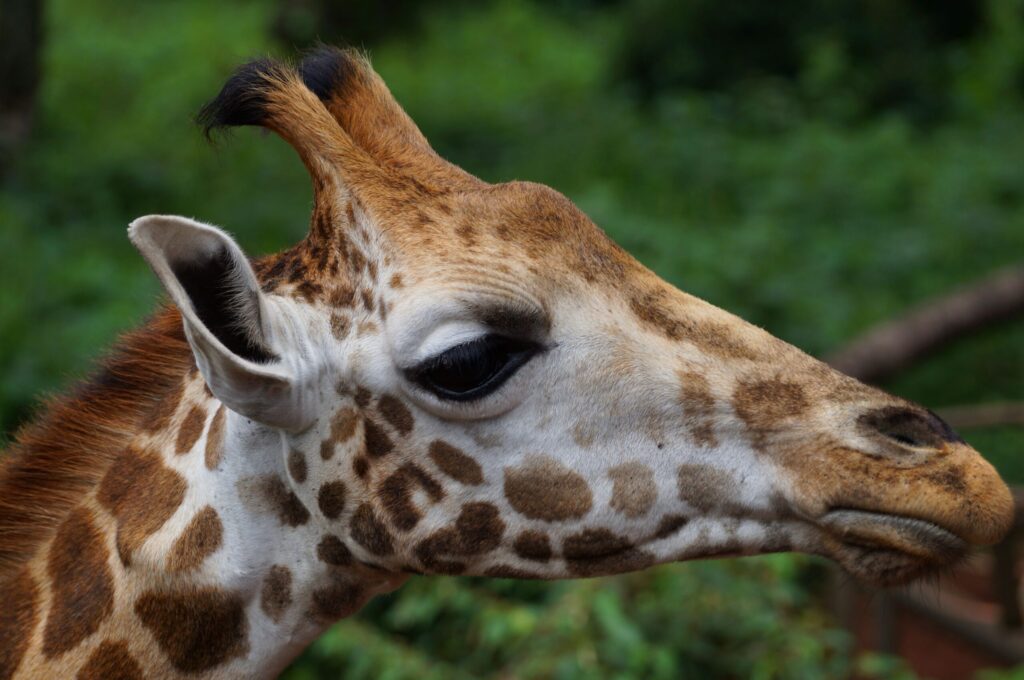
Lewa runs education programmes that support local schools and students, and its model — protecting wildlife while working with neighbouring communities — is one reason it is often held up as an example of conservancy tourism.
Lewa sits close to Mount Kenya and the Samburu region, so it combines well with a northern circuit. For rhino viewing elsewhere see Ol Pejeta, and for a broader trip see our Kenya vs Tanzania safari comparison.
Two to three nights lets you do drives, a walk and a night drive. Lewa combines well with:
Read our guide to Laikipia conservancies for more on this region.
Checked against Wikipedia: Lewa Wildlife Conservancy. Rhino and zebra figures on that page are undated, so we describe them in general terms.
For its rhino conservation, its Grevy's zebra population, its model of working with local communities and for the quiet, high-quality safari it offers.
Yes. Guided bush walks with an armed ranger are possible, as are horse and camel rides in selected areas.
About 5 hours by road, or under an hour by air from Wilson Airport.
Two to three nights, which gives enough time for drives, walks and a night drive.
It can be, because walking, riding and conservation visits give children more to do. Age rules vary between camps, so tell us your group and we will check.
A practical guide to Lewa Wildlife Conservancy in northern Kenya: what you will see, how to get there, when to…
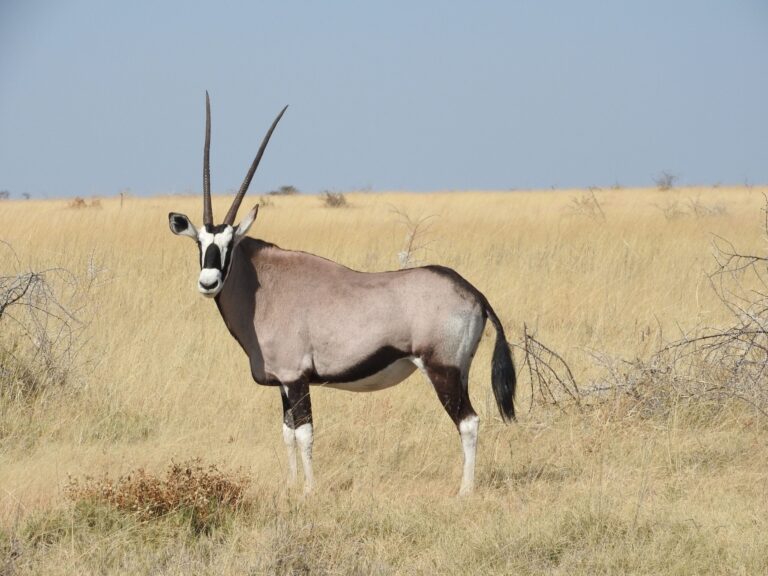
Ask a guide in the Maasai Mara what makes Samburu special and you will get the same answer every time:…
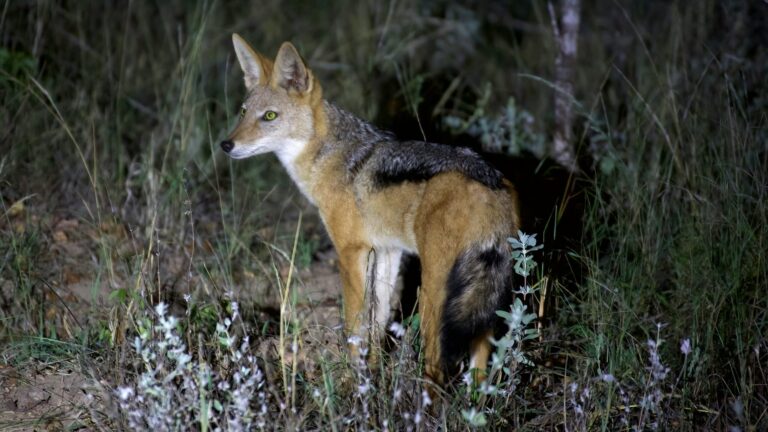
Everyone who comes to Kenya wants the Big Five, and there is nothing wrong with that. But the guests who…