Amboseli safari itinerary at a glance
| Day | Plan | Highlights |
|---|---|---|
| Day 1 | Nairobi to Amboseli, afternoon game drive | First elephants, swamps, sunset over the plains |
| Day 2 | Full day in the park | Dawn drive for Kilimanjaro, elephants, Observation Hill, birdlife |
| Day 3 | Morning drive, return to Nairobi | A last chance for the mountain and the big herds |
The itinerary is designed around the park’s strengths: it is compact, wildlife is concentrated around the central swamps, and the best views of Kilimanjaro come in the early morning. Our best time to visit Amboseli guide explains how the seasons change what you will see.
Amboseli at a glance
| Size | 392 sq km park within an ecosystem of about 8,000 sq km |
|---|---|
| From Nairobi | About 240 km via Namanga: 4 to 5 hours by road or a short flight |
| Park fee (non-resident adult) | USD 90 per day |
| Best for | Large elephant herds with Kilimanjaro (5,895 m) behind them |
| Best months | June to October, and January to February |
| Birds | More than 400 species |
Map data OpenStreetMap contributors. Fees are a planning guide and can change.
Day 1: Nairobi to Amboseli
Leave Nairobi at about 7 am. The road to Amboseli is about 240 to 260 kilometres, depending on the route, and takes four to five hours, passing through Athi River, Kajiado and the dry plains of Maasailand. You will see herds of cattle, goats and sheep along the way, and Maasai herders in red shukas. Stop for a break at a roadside café and enjoy views of the Rift Valley’s edge and Mount Meru to the south on clear days.
You reach your camp or lodge in time for lunch. After a rest in the midday heat, set out on an afternoon game drive at about 3:30 pm. This is a good time to see elephants coming to the swamps to drink and to find lions, buffalo and zebra on the open plains. Watch the sun set, and then enjoy dinner at camp.
If you prefer to save time, flights from Wilson Airport reach the park’s airstrip in under an hour. A flying arrival adds a second game drive on the first day, which is worth considering if your trip is short. For route details, read our guide to getting from Nairobi to Amboseli.
Day 2: A full day with the elephants
This is the heart of the Amboseli safari itinerary. Wake before dawn and be on the road at first light, about 6 am. The early morning hours are the best time to see Kilimanjaro, which is usually clearest between about 6 and 8:30 am, before clouds build around the summit.
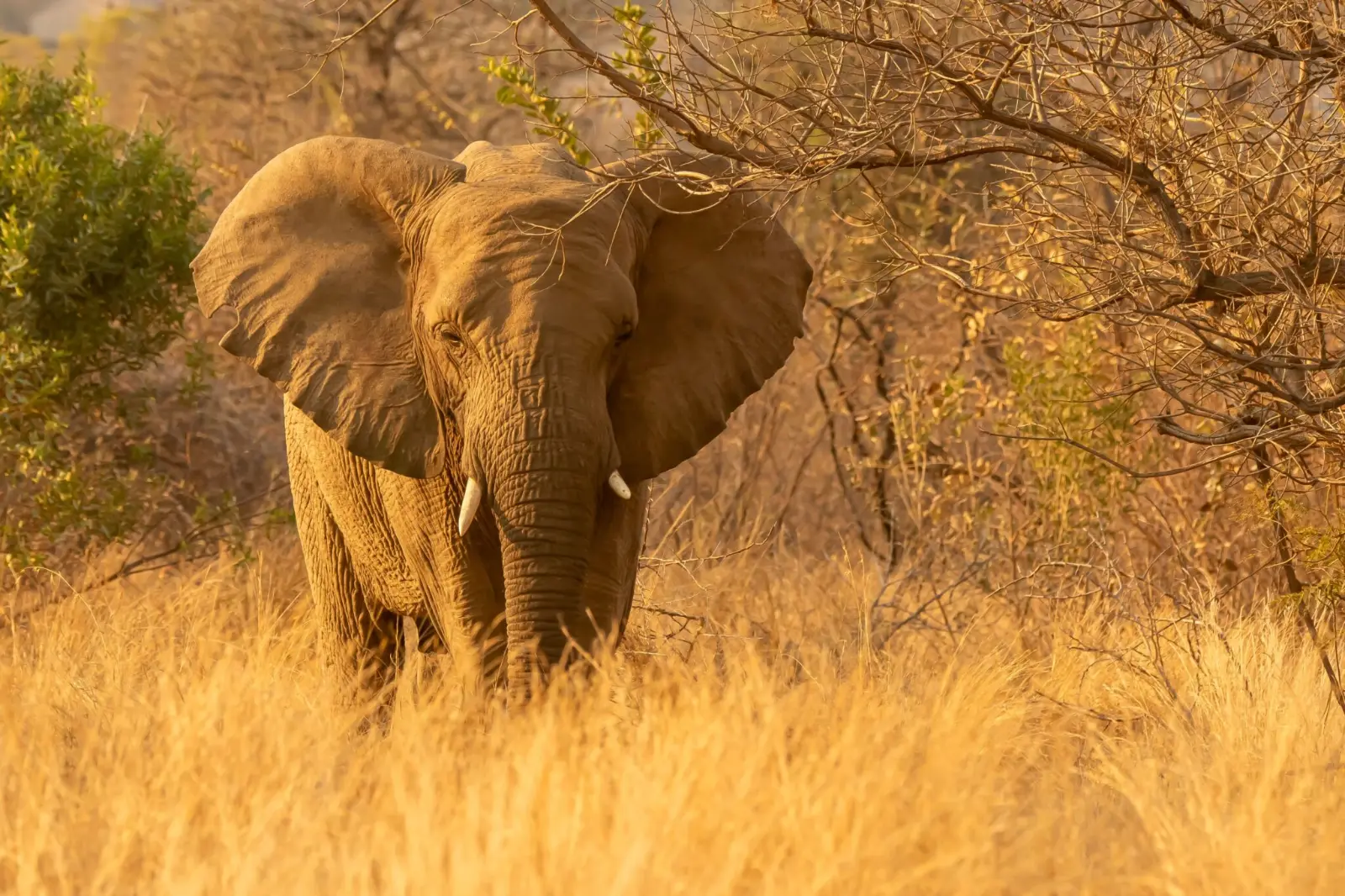
- Dawn drive (6 to 9 am): Look for Kilimanjaro, then follow the tracks to the swamps. Elephants arrive to feed and drink, with calves in tow. The park’s elephants have been studied since 1972 and many are known individually, so you may be told their names.
- Breakfast and rest (9 to 11 am): Return to camp for breakfast, or enjoy a bush breakfast if your camp arranges one.
- Cultural visit or Observation Hill (11 am to 1 pm): Visit a Maasai homestead, or climb Observation Hill, the one place in the park where you may leave your vehicle. The hill gives a sweeping view of the swamps and the plain. Our guide to Maasai culture around Amboseli explains how to choose a respectful visit.
- Lunch and rest (1 to 3:30 pm): The midday heat sends many animals into the shade, so rest at camp.
- Afternoon drive (3:30 pm to dusk): Look for lions, hyenas, giraffes, wildebeest and the swamp birds, including pelicans, herons, kingfishers and crowned cranes. Amboseli has about 400 recorded bird species.
Day 3: Back to Nairobi
Take one more dawn game drive. Kilimanjaro may show itself on this last morning if it hid on day two, so the early start is worth it. Return to camp for breakfast, check out, and leave for Nairobi by about 9:30 or 10 am. You arrive in the city in mid-afternoon, in time for most onward flights, but leave a generous buffer if you have an international departure the same evening.
What you will see on this Amboseli safari itinerary
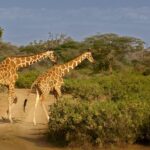
- Almost certain: Elephants, Maasai giraffe, plains zebra, wildebeest, buffalo, impala, Thomson’s gazelle and many birds.
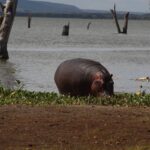
- Likely: Lions, spotted hyenas and hippos in the swamps.
- Possible: Cheetah, jackals and serval.
- Unlikely: Leopards are rarely seen, and there are no rhinos in Amboseli, so this itinerary does not deliver the full Big Five.
Drive or fly: which is better?
| Driving | Flying | |
|---|---|---|
| Travel time | 4 to 5 hours each way | Under 1 hour plus transfers |
| Game drives | About 4 to 5 in total | Up to 6 in total |
| Luggage | Flexible | Soft bags, strict weight limits |
| Cost | Lower | Higher |
| Best for | Groups, families, budget | Short trips, couples, first-timers |
For a three-day trip, driving is a reasonable choice, because the road is manageable and you still have a full day in the park. If you can afford to fly one way, you gain extra game drives.
What is included and what is not
A typical package like this covers transport in a safari vehicle with a driver-guide, accommodation, meals, game drives and park fees. Things that are normally extra include drinks, tips, balloon flights, flights, travel insurance and personal items. Because quotes differ, always ask exactly what is included. See our Amboseli National Park fees guide to understand the gate costs, which are USD 90 per non-resident adult per day and USD 45 per child.
Make your Amboseli safari itinerary longer
- Add a day in Tsavo West. Amboseli and Tsavo West make a natural pair, and a combined park ticket saves money. See our Tsavo guide.
- Add the Masai Mara. Combine Amboseli with the Mara for a classic route. Our 4-day Kenya safari itinerary shows how to link parks.
- Add the coast. Finish with a few days on the beach after the safari.
- Extend to four days. A second night in the park gives you a second dawn for Kilimanjaro and time to enjoy camp.
Browse our Kenya safari packages for fixed itineraries.
Tips for making the most of your Amboseli safari itinerary
- Prioritise the dawn drive. It is your best chance for Kilimanjaro and for active wildlife.
- Bring dust protection. A scarf and a lens cloth help in the dry season.
- Pack layers. Mornings are cool and afternoons warm. See what to wear on safari.
- Bring binoculars. They help for birds, distant elephants and Kilimanjaro’s summit.
- Keep a flexible mindset. Wildlife does not follow schedules. If a pride of lions is on the move, stay with them.
Alternative versions of the Amboseli safari itinerary
Two-day fly-in version
If you only have a weekend, fly from Wilson Airport in the morning, reach Amboseli by mid-morning and take a game drive straight after lunch. Spend the next morning on a dawn drive, with a second drive before an early afternoon flight back. It is short, but it delivers elephants and, with luck, Kilimanjaro. Check luggage limits with the airline, since light aircraft use soft bags only.
Four-day version with an extra night
Add one more night to get a second full day. Use the extra time for a guided walk on community land, a visit to the Maasai village, a long picnic breakfast at the swamps, and a sunset game drive at Observation Hill. You also get two chances at a clear mountain on consecutive dawns. This is the version we recommend for photographers.
Amboseli and Tsavo West
Spend two nights in Amboseli and two in Tsavo West before returning to Nairobi or continuing to the coast. A combined ticket for the two parks costs less than two separate tickets, and the contrast between swamps and volcanic hills is dramatic. Read our Tsavo East guide if you want to extend the route further east.
Where to stay in Amboseli
Accommodation falls into a few broad types, and each suits a different style of trip:
- Lodges inside the park: Larger properties near the swamps, with pools and dining rooms. They are convenient for early drives.
- Tented camps on community land: Smaller, quieter, with a more personal feel, and often with Maasai staff and guides. They may offer walks and night drives.
- Camping: Public and special campsites for budget-minded or adventurous travellers. See our camping safari guide.
Pick a place with a view of Kilimanjaro if the mountain matters to you, and ask whether the camp offers early departures for dawn drives. For help choosing between tents and lodges, see our post on safari tents versus lodges.
A closer look at the swamps and wildlife
The swamps at the centre of Amboseli are the key to the whole park. Underground streams fed by Kilimanjaro’s melting snow keep them green all year, even when the surrounding plain is dry. Elephants wade in to feed on reeds and papyrus, hippos rest in the deeper pools, and waterbirds gather in the shallows. You will also see lions and hyenas patrolling the edges, looking for young or weak animals. Some swamp areas are fenced to give vegetation a chance to recover from heavy elephant pressure.
In the wet months the dry bed of the old Pleistocene lake can fill with a thin sheet of water, which attracts flamingos and other birds. The contrast between the white lakebed, the green swamps and the blue mountain is what makes Amboseli so photogenic.
Photography plan for a short trip
- Dawn on day two: Position your vehicle where the mountain is in the frame, with elephants in the foreground.
- Late morning: Use the hard light for close-ups of elephants, textures and details.
- Late afternoon: Warm side light on the plains, long shadows and good animal portraits.
- Observation Hill: A wide view over the swamps, ideal for landscape shots.
For more advice, read our safari photography tips.
Health, safety and practical notes
- Check vaccination and malaria advice well before travel. Our Kenya health checklist explains what to ask your doctor.
- Drink plenty of water, as days are hot and dry.
- Follow your guide’s advice around elephants, and never leave the vehicle except at designated places such as Observation Hill.
- Carry travel insurance that covers medical evacuation. See our travel insurance guide.
- Carry a card or cash for tips, and see our tipping guide for amounts.
Frequently asked questions
Is 3 days enough for Amboseli?
Yes. Amboseli is compact, and three days with two nights gives you a full day in the park, two dawn drives and enough time to see elephants and, weather permitting, Kilimanjaro.
Should I drive or fly to Amboseli?
Driving takes four to five hours each way and costs less. Flying takes under an hour and adds game drives, but luggage limits are strict.
Can I add the Masai Mara?
Yes. Amboseli and the Mara combine well in a four- to six-day trip, either by road via Nairobi or by flying between the parks.
What should I pack for Amboseli?
Layers, a hat, sunscreen, dust protection, binoculars and neutral-coloured clothes. Mornings are cool, and afternoons are warm.
Is this itinerary suitable for children?
Yes. The park is flat and the drive is manageable. Children enjoy the elephants, and non-resident children pay a reduced park fee.
Will I see Kilimanjaro?
Often, but not guaranteed. The clearest views are at dawn, from about 6 to 8:30 am, especially in the dry months.
Want this itinerary priced for your dates? Ask our team and we will send a clear quote.