What makes Laikipia different
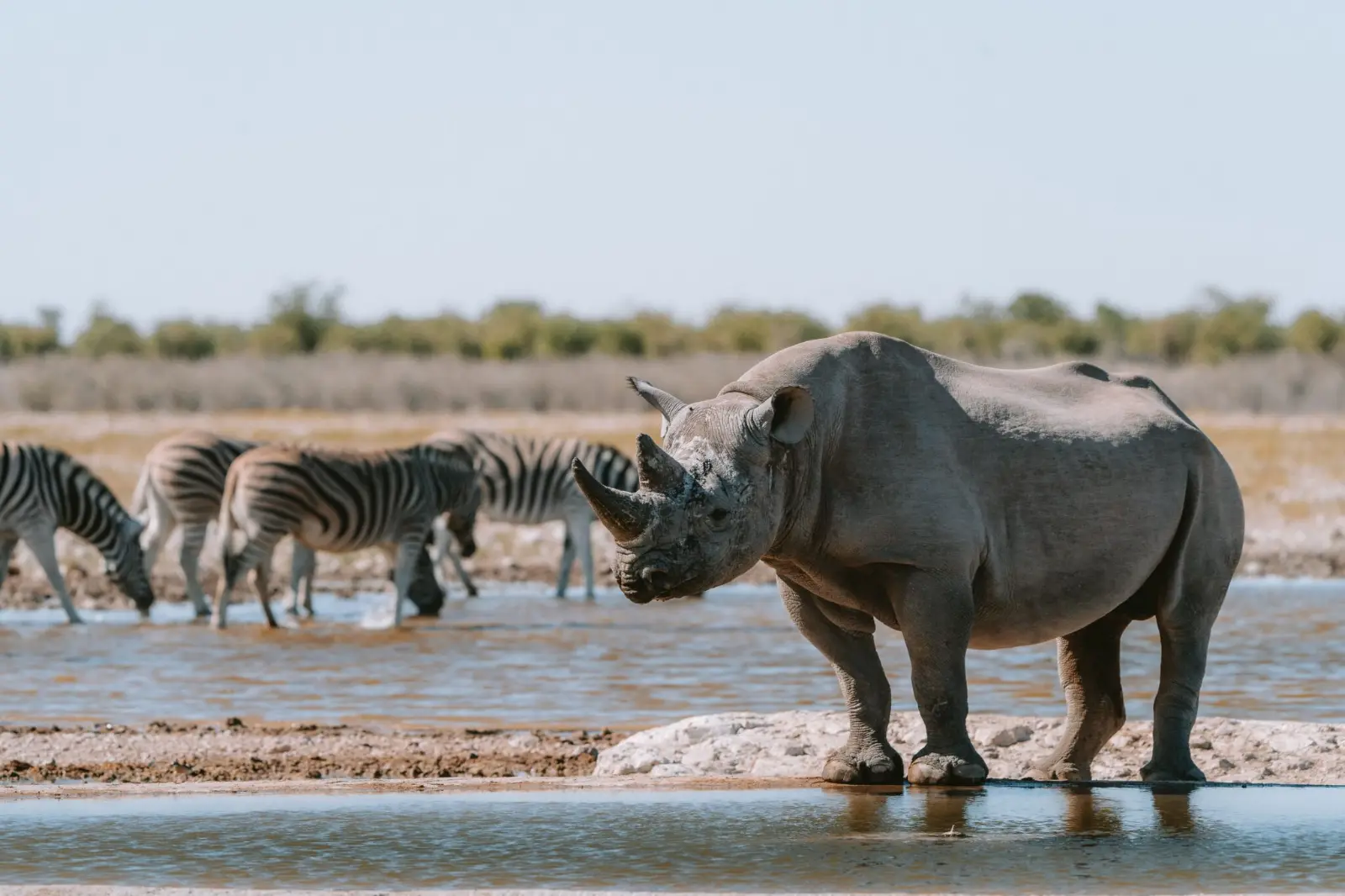
Unlike national parks, much of Laikipia is private or community land. Many conservancies allow walking, horse riding, camel trips, night drives and off-road driving, which are restricted in most parks. Vehicle numbers are low, so sightings feel private. The region also protects a significant share of Kenya’s black rhinos, and it is a stronghold for endangered species such as Grevy’s zebra and African wild dogs.
Key conservancies
- Ol Pejeta. Home to the last northern white rhinos and a chimpanzee sanctuary. See our Ol Pejeta guide.
- Lewa. A pioneer of rhino conservation, with a reputation for high-quality safaris.
- Loisaba, Borana and others. Larger private conservancies with luxurious lodges and a wide range of activities.
- Community conservancies. Places such as Il Ngwesi are owned by local communities, and visits support their livelihoods.
Wildlife
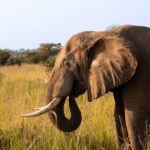
Expect elephants, lions, leopards, buffalo, giraffes (including the patterned reticulated giraffe), Grevy’s zebra and a range of antelope. Wild dogs are a special sight and, though shy, are more frequently seen here than in most places. Birdlife is rich, with dozens of species of raptors and savannah birds.
Activities
- Walking safaris with armed rangers to learn about tracks, plants and insects. See what a safari is.
- Night drives in selected conservancies. See where night drives are allowed.
- Horse riding and camel treks for a slower view of the landscape.
- Cultural visits to local communities.
Getting there
You can drive from Nairobi to Nanyuki in about three to four hours, then continue to your lodge. Many people fly into private airstrips from Wilson Airport; see the flying safari guide.
When to go
Laikipia is good year-round. The dry months of June to October and January to March are the easiest for wildlife viewing, but green months are beautiful and quieter. Evenings at altitude can be cool.
Combine with
Pair Laikipia with Samburu for a northern circuit (Samburu guide) or with the Mara for contrast. Ask us about including a night in a bush camp under the stars.
Quick answers
What is special about Laikipia?
Private and community conservancies allow walking, night drives, horse riding and camel treks, with few vehicles and strong rhino and wild dog populations.
How far is Laikipia from Nairobi?
About three to four hours by road to Nanyuki, or a short flight to private airstrips.
Is Laikipia good year-round?
Yes. Dry months are easiest for wildlife viewing, while green months are quieter and scenic.
Safaris that fit this guide
These Cherish Africa Safaris trips match what this guide covers. We can adjust any of them to your dates, group size and budget.
- 8 Days Safari Adventure: Samburu, Ol Pejeta, Naivasha & Maasai Mara
- 8 Days Classic Kenya Safari: Samburu, Ol Pejeta, Maasai Mara & Amboseli
- 8 Days Exclusive Kenya Safari: Samburu, Ol Pejeta, Maasai Mara & the Great Rift Lakes
Keep reading: Ol Pejeta Conservancy: See the Last Northern White Rhinos.
Not sure which trip suits you? Browse all our Kenya safari tours or send us an enquiry.
Why Laikipia Kenya is a safari region worth knowing
Laikipia is one of the most successful examples of conservation beyond national parks. Once dominated by large cattle ranches, the plateau north-west of Mount Kenya is now a patchwork of private conservancies, community lands and research areas that together protect a remarkable share of Kenya’s wildlife. It is home to the largest black rhino population in East Africa, a major population of endangered Grevy’s zebra, and one of the country’s best chances of seeing African wild dogs. Because land is privately managed, rules differ from national parks, and visitors can do things that are not allowed elsewhere, such as walking safaris, night drives and horseback rides.
Key conservancies in Laikipia
- Ol Pejeta Conservancy: home to the last two northern white rhinos, a large black rhino population, a chimpanzee sanctuary and lions. Read our Ol Pejeta guide.
- Lewa Wildlife Conservancy: a pioneering conservancy for rhinos, Grevy’s zebra and community conservation. See the Lewa guide.
- Borana, Loisaba, Mugie and Segera: private conservancies offering riding, walking, game drives and upscale camps.
- Community conservancies: lands owned by local people who share income from tourism and conservation.
- Mpala Research Centre: a scientific station that studies savannah ecology and supports conservation across the region.
Wildlife you may see in Laikipia Kenya
Black and white rhinos, elephants, lions, leopards, cheetahs, buffalo and a rich assortment of antelope occur across the plateau. The northern species, such as Grevy’s zebra, reticulated giraffe, gerenuk and Somali ostrich, appear on the drier eastern edge. African wild dogs, one of Africa’s most endangered carnivores, range widely across Laikipia and are often tracked by researchers. Birdlife is excellent, with raptors, hornbills and many dry-country species. Because conservancies manage land to benefit wildlife, animals are generally relaxed and sightings can be close. Learn more about the dogs in our guide to hyenas and wild dogs.
Activities that make Laikipia different
- Walking safaris: follow a ranger on foot to learn about tracks, plants and small creatures. See our walking safari guide.
- Horse riding: ride among zebra and giraffe on private land. See the horseback safari guide.
- Camel trips: quiet, low-impact expeditions in drier parts.
- Night drives: see nocturnal animals such as aardvarks, bushbabies and genets, where permitted.
- Conservation visits: meet rhino rangers, visit research centres and learn how conservation works.
- Fly camping: sleep out under the stars with a guide.
Getting to Laikipia
Laikipia is about four hours by road from Nairobi to Nanyuki, the main gateway town, with further travel inside conservancies. Many visitors fly from Wilson Airport to airstrips on the plateau, which takes about an hour. Light aircraft have strict baggage limits, so pack soft bags. Road trips are scenic but long, passing farmland and views of Mount Kenya. Choose flying if time is tight. See the airport guide for flight arrangements.
When to go to Laikipia
Laikipia can be visited year-round. The dry months of June to October and December to March are best for wildlife viewing, while the rains from April to May and November bring green landscapes and fewer visitors. The plateau is cooler than the lowlands because of its altitude, around 1,800 to 2,000 metres, so evenings can be chilly. Bring a fleece. Check road and weather conditions before travelling in the rains.
Combining Laikipia with other destinations
Laikipia pairs naturally with Samburu to the north and Mount Kenya to the south. See the Samburu guide and Mount Kenya guide. It also works well before the Masai Mara, adding a different style of safari. Our 10-day itinerary includes Laikipia, and the 14-day route adds even more time. For lesser-known options, read hidden gems in Kenya.
Responsible travel in Laikipia
Many Laikipia conservancies work closely with local communities, sharing tourism income and employing local guides, rangers and staff. Choosing these camps supports conservation and livelihoods. Respect wildlife rules, avoid single-use plastics, and ask about community projects. Read our responsible safari guide for ideas. To plan a Laikipia trip, contact our team.
A sample three-night stay in Laikipia Kenya
On day one, fly or drive to the plateau and settle into a conservancy camp, with an afternoon game drive. Day two could begin with a walking safari at sunrise, followed by a visit to a rhino sanctuary or conservation project and a relaxed lunch. After a rest, an evening drive or sundowner on a ridge ends the day. On day three, choose horse riding or a camel trip in the morning, and a night drive after dinner if the conservancy offers it. On day four, enjoy a final game drive before heading to Samburu, Mount Kenya or the Masai Mara. This mix shows how Laikipia combines wildlife with active experiences and conservation insight, and why many guests describe it as the most varied part of their trip.
Who should visit Laikipia Kenya?
- Travellers who want more than game drives and enjoy walking, riding and conservation visits.
- Rhino lovers who want to see both black and white rhinos in protected settings.
- Repeat visitors who have already done the Mara and want a different style of safari.
- Families and couples who prefer small camps and flexible activities.
- Photographers who appreciate varied landscapes and fewer vehicles at sightings.
Practical tips for visiting Laikipia
- Book camps early for peak seasons, since conservancies limit visitor numbers.
- Check which activities each conservancy offers, because rules vary.
- Pack layers for cool mornings and evenings, and sturdy walking shoes.
- Carry malaria prevention and insect repellent as advised by your doctor.
- Bring binoculars and a camera with a good zoom lens.
- Follow ranger guidance, especially on foot and around rhinos.
See the Kenya safari travel checklist for a full packing list.
Laikipia Kenya: our view after guiding here
What we like most about Laikipia is the sense of purpose behind every camp. Guides know individual animals, rangers explain why decisions are made, and guests leave with a deeper understanding of conservation than a simple game-drive trip provides. The region is not the cheapest or the easiest to reach, but for travellers who want to feel involved in the future of Kenya’s wildlife, it is hard to beat. If you would like Laikipia as part of a bigger journey, tell us your dates and interests and we will recommend the conservancies that suit you best.
Is Laikipia Kenya worth adding to your itinerary?
Yes, if you value variety, conservation and a less crowded experience. A few nights here will give you rhinos, walking, riding and a deeper understanding of how conservancies work, and it pairs well with almost any other region of the country.
Booking Laikipia Kenya
Because conservancies limit visitor numbers, the best camps fill early, especially for July to October and the Christmas season. Tell us your dates, the activities you want and how long you can spend, and we will confirm availability and a clear, itemised quote with all conservancy fees included, so there are no surprises when you arrive.
Plan it with people who live here
We are a Nairobi-based team and every trip starts from our own doorstep. If you would like help turning these ideas into a real itinerary, message us on WhatsApp (+254 794 588 242), write to info@cherishafricasafaris.com, or use our contact form. We usually reply the same day.
Laikipia Kenya: Key Takeaways
The main points on Laikipia Kenya are covered above. If you would like help applying them to your own dates and budget, our team can plan the trip with you. For more advice on Laikipia Kenya, or a quote tailored to your group, contact Cherish Africa Safaris and we will reply the same day.