From a Land Cruiser, a giraffe is a spotted shape behind a window. From a horse, it is a tall, calm animal that turns its head, watches you walk past and carries on feeding. That difference is the reason a horseback safari in Kenya has such a loyal following, and why camel safaris and cycling trips are growing too. Not every park allows them, and the best ones sit on private land, so this guide explains where each experience is possible, what the rules are and who it suits.
Why get out of the vehicle at all?
Wildlife tends to treat a horse or a camel as part of the landscape rather than a threat, which is why riders get closer than vehicles do. On horseback you can canter alongside zebra and giraffe, or walk quietly past an elephant herd. On a camel you sit high up and move at a plodding, silent walking pace. On a bike you hear and smell the bush in a way that a closed vehicle never allows. The trade-off is that these activities are limited to places where the big predators are managed, so you are not going to ride through a pride of lions.
Horseback safari Kenya: where you can ride
Riding safaris are not allowed inside the Masai Mara National Reserve. They run in the surrounding private conservancies and on ranches, and the main horse-riding regions are Laikipia, the Mara’s conservancies, the Chyulu Hills near Amboseli, Mount Kenya and the Lake Naivasha area. Basic riding ability is a prerequisite almost everywhere, and the better operators match every guest to a horse that suits their level.
Laikipia: Lewa, Borana and Sosian
Laikipia is the heartland of Kenyan horse safaris. Sosian Lodge, with Mount Kenya as a backdrop, offers rides of two to three hours in the morning and afternoon, with up to six hours in the saddle each day, and multi-night options of five to seven nights with a one-night fly camp. Lewa Wilderness has more than 30 horses and suits every level, from short, relaxed outings to faster half-day rides and a full day with an overnight fly camp. The neighbouring Borana conservancy welcomes beginners through to advanced riders. Read more in our Laikipia guide and the Lewa Wildlife Conservancy guide.
Typical sightings at Sosian include zebra, oryx, giraffe, eland and gazelle on open plains.
The Chyulu Hills
On the south-western edge of the Chyulu Hills, near Amboseli, Ol Donyo Lodge runs rides for beginners through to advanced riders, with views toward Kilimanjaro and the chance to see some of the last “big tusker” elephants in Africa. See our Chyulu Hills guide for the area.
The Masai Mara conservancies
Riders in the Mara stay in mobile camps that move with the route, from deluxe tents to basic two- or three-person tents. Meals are cooked fresh, and guests often help with pitching camp. The conservancies around the reserve have different rules from camp to camp, which is explained in our Masai Mara conservancies guide.
What to expect on a ride
- Rides are led by experienced guides, often with an armed ranger.
- Expect between two and six hours in the saddle per day, depending on the operator.
- Areas that offer horse riding usually have fewer big cats, because cats can make horses skittish.
- Weight limits and rider assessments are normal, so tell the operator honestly about your experience.
Camel safari in Kenya
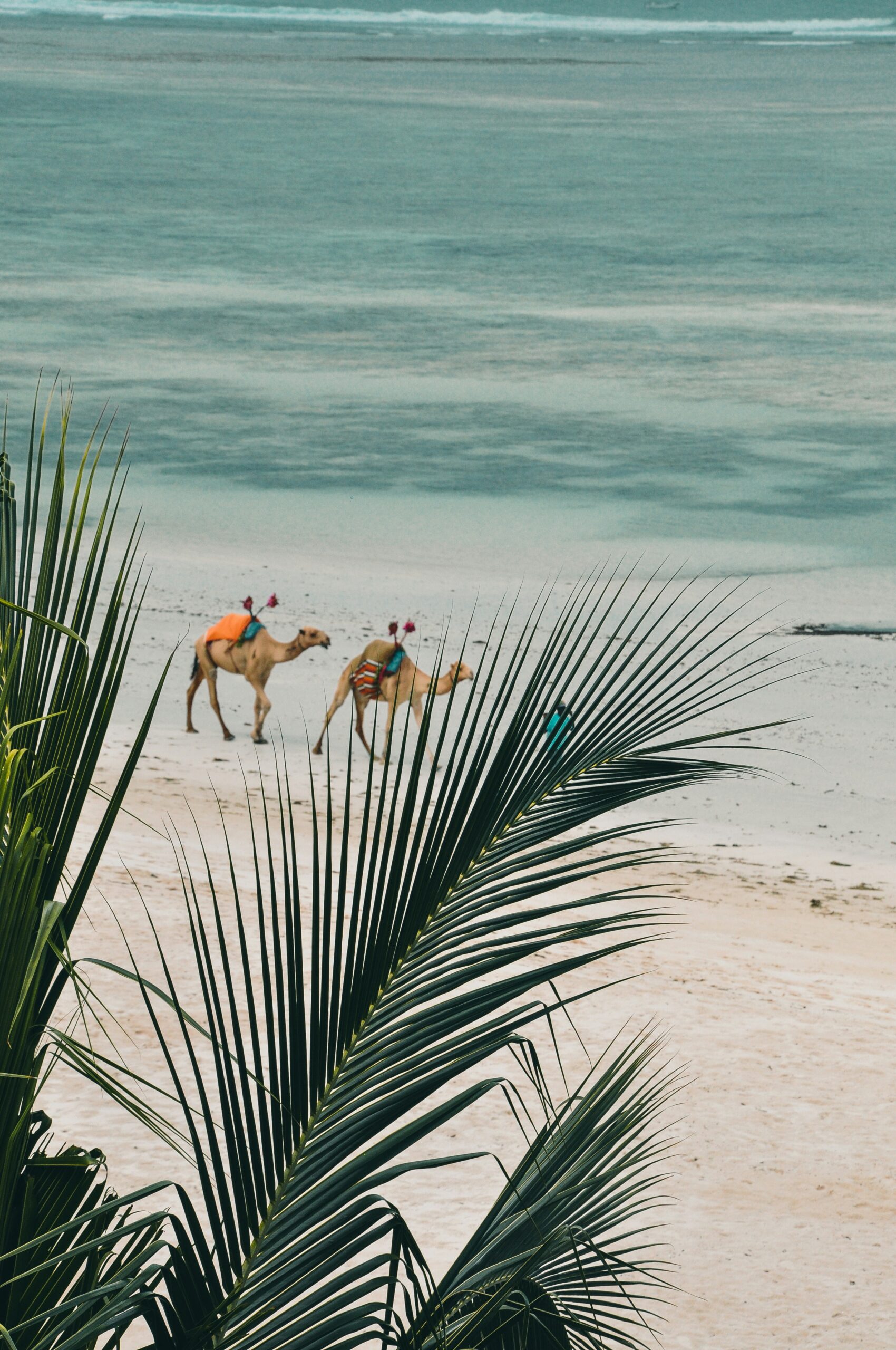
The camel is the traditional transport of the north. Camel safaris run in Laikipia, at Lewa Borana, Loisaba and Suyian, and in the Samburu region at places such as Sasaab. They are led by local Samburu and Pokot guides, who know the animals, the land and the weather. You ride high, you move at a walking pace and wildlife is easy to spot from that height.
Camel treks are the easiest of the three activities to try, because you do not need riding experience. Some trips let you walk beside the camels, with the animals carrying luggage and supplies to a fly camp. Families like them because there is no steep learning curve. They are usually a paid extra unless the stay includes activities. If you like the idea of travelling slowly, also read our walking safari guide.
Cycling and mountain biking
Hell’s Gate National Park
This is the most accessible option. Hell’s Gate covers roughly 68 km², sits at about 1,900 metres in the Rift Valley near Lake Naivasha and was established in 1984. It is one of the few Kenyan parks where you can cycle, walk and rock-climb. You will see zebra, giraffe, buffalo and many birds, and landmarks such as Fischer’s Tower and the Central Tower are on the route. The non-resident entry fee is US$50 for adults and US$25 for children. Read the Lake Naivasha and Hell’s Gate guide for the gorge, hot springs and boat rides.
Karura Forest, Nairobi
Inside the city, Karura Forest has more than 50 km of marked trails for walking, jogging and cycling, plus horse riding at the Sigiria entrance. Bike hire is listed at about KES 500 per hour. It is a good option for a jet-lag morning.
Conservancy mountain biking
Some conservancies, such as Loisaba, run guided bike outings of up to four hours. These are always guided because big game is nearby.
Where to find each experience
| Activity | Where | Experience needed |
|---|---|---|
| Horseback safari | Laikipia (Lewa, Borana, Sosian), Chyulu Hills, Mara conservancies | Basic riding ability |
| Camel safari | Laikipia (Lewa Borana, Loisaba, Suyian), Samburu | None |
| Cycling | Hell’s Gate National Park, Karura Forest | Basic fitness |
| Guided mountain biking | Private conservancies such as Loisaba | Comfortable on a bike |
What to wear and bring
- Neutral-coloured clothes (khaki, green, brown).
- Long trousers for riding and sturdy closed shoes or boots.
- A hat, sunscreen, sunglasses and a water bottle.
- A small daypack and a light jacket for cool mornings.
Our packing list covers the rest.
Safety
These activities are only offered where it is safe, and they are always guided. Stay with the group, follow instructions and keep your voice low. Never try them alone in a park. Check that your travel insurance covers riding, cycling and walking among wildlife before you go.
When is the best time of year?
The dry months, roughly June to October and January to February, are the best for any activity on foot or on horseback. The ground is firm, the grass is shorter and wildlife gathers near water. The long rains from March to May can make trails slippery and some camps close for the season. Check dates when you book, because riding camps are small and fill up early.
Fitness, age and weight
You do not need to be an athlete, but you do need to be comfortable sitting in a saddle for hours if you choose a long ride. Most operators set minimum ages and weight limits for horse riding, and these vary from camp to camp, so tell us your group’s ages, heights and experience before you book. Camel rides and cycling are more forgiving. Children can usually ride a camel with a guide, and Hell’s Gate is popular with families.
What does it cost?
Riding, camel and bike activities are usually priced as extras on top of your accommodation, or included in a package with a riding camp. The park fee also applies where you enter a national park such as Hell’s Gate, and there is a conservancy fee on private land. We build these into a single itinerary so you can see the full cost up front.
Combining a horseback safari Kenya trip with game drives
A popular combination is a few days of game drives in the Mara, followed by two nights in Laikipia with a morning ride and a camel walk. Another is a Hell’s Gate cycling day on the way to Lake Naivasha, then a boat trip. Both combine well with the Big Five circuit; see our Big Five guide and the Kenya safari packages.
Frequently asked questions
Can I ride a horse in the Masai Mara?
Not inside the national reserve. Private conservancies and ranches around the Mara, and Laikipia, offer riding safaris.
Do I need riding experience for a horseback safari in Kenya?
Yes, basic riding ability is expected. Operators match guests to horses by ability, and some lodges offer beginner rides.
Do I need experience for a camel safari?
No. Camel rides are guided and suitable for beginners and families.
Can I cycle in a national park in Kenya?
Yes, in Hell’s Gate National Park, which is one of the few parks where cycling is allowed.
Are these activities included in the price of a safari?
Sometimes. Many camps charge extra, so ask what your package includes.
Want an active safari that mixes wildlife drives with something different? Talk to our team and we will plan it.