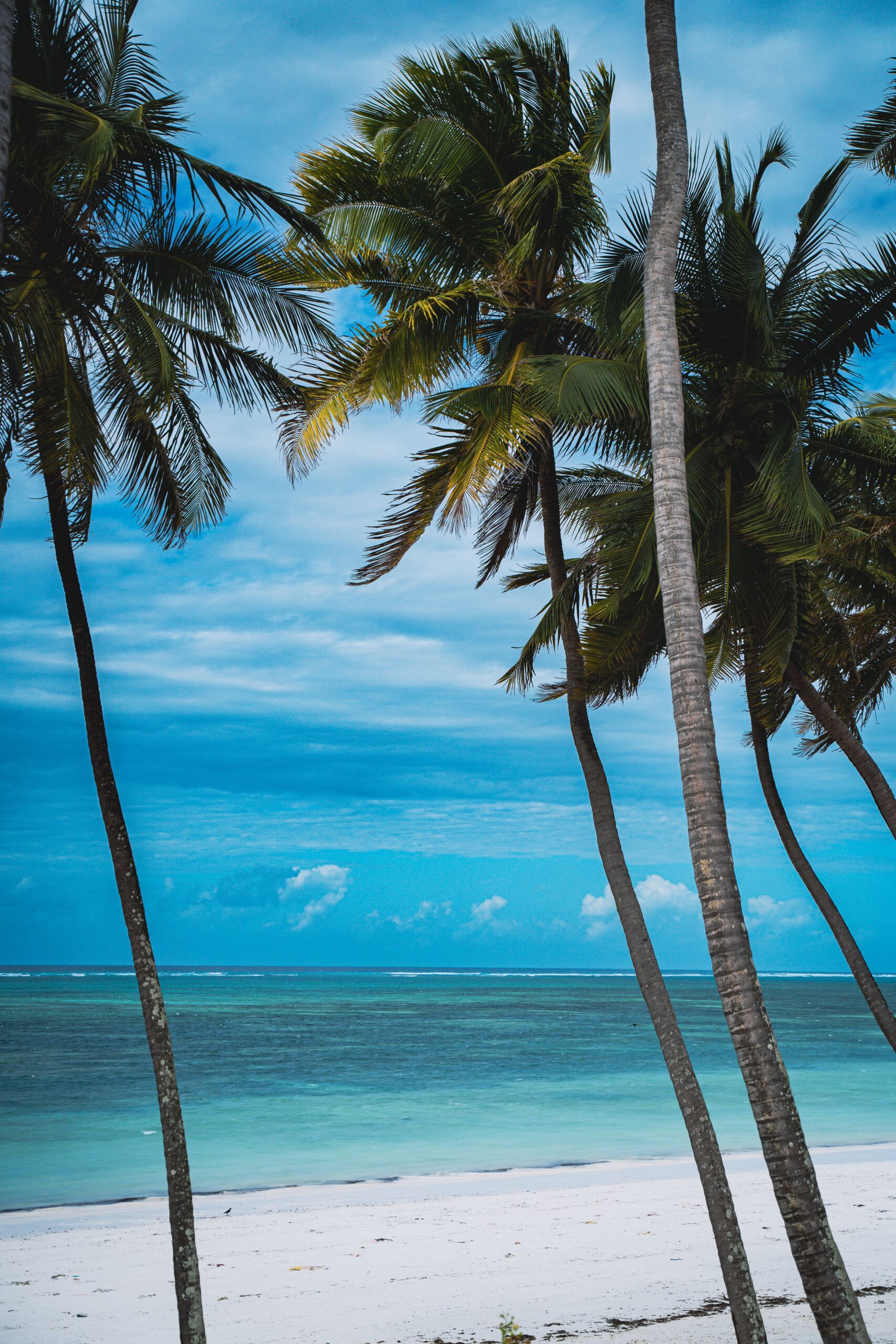
What makes Kilifi special
Kilifi is a mix of fishing villages, creative communities and quiet resorts. A bridge crosses the creek, and the water below is dotted with dhows and small boats. The town has an easygoing atmosphere, cafés with sea views and a small but lively arts scene. It is a good counterpoint to the busier beaches of Diani and Mombasa.
Things to do
- Mnarani Ruins. The remains of a 14th-century Swahili town with a mosque and tombs on a hill above the creek, with beautiful views.
- Kilifi Creek. Kayaking, paddleboarding or taking a sunset boat ride are popular.
- Bofa Beach. A long white beach with fewer people than the main resorts.
- Takaungu and Vipingo. Small coastal communities with local crafts and relaxed beach scenes.
- Rabai. Inland, a village associated with the first Christian mission in East Africa and a small museum with historic exhibits.
- Kaya forests. Sacred Mijikenda forests, some of which are protected as World Heritage. See Kenya’s UNESCO sites.
Food and drink
Expect fresh fish, prawns, coconut curries and tropical fruit. Local markets sell mangoes, cashews and cassava. Our Kenyan food guide lists coastal dishes to try.
When to visit
The best months are late June to October and December to March. April to June can be wet and humid. Kilifi is hot year-round, so bring light clothing and sunscreen.
Getting there
Kilifi is about an hour’s drive north of Mombasa on a good road, and roughly an hour from Malindi. Many travellers combine it with a few days in Watamu or Diani; see the safari and beach holiday article.
Who it suits
Kilifi is ideal for couples, writers and anyone who wants to relax. Families will enjoy the calm waters, though facilities are simpler than in major resorts. If you want help weaving Kilifi into a safari-and-coast itinerary, contact us.
Quick answers
What is Kilifi known for?
A scenic creek, Swahili ruins at Mnarani, baobab trees and quiet beaches.
How far is Kilifi from Mombasa?
About an hour north by road.
Is Kilifi good for families?
Yes, for calm waters and slow days, though facilities are simpler than in the largest resorts.
Safaris that fit this guide
These Cherish Africa Safaris trips match what this guide covers. We can adjust any of them to your dates, group size and budget.
- 7 Days Masai Mara & Diani Flying Package: Safari & Beach Getaway
- 6 Days Bush & Beach Safari: The Best of Kenya’s Wilderness and Coastline
- 8 Days Tsavo Bush & Diani Beach Safari: A Perfect Blend of Adventure and Relaxation
Keep reading: Shimba Hills National Reserve: Sable Antelope and Waterfalls Near Diani, Malindi, Kenya: Beaches, History and Day Trips From the Coast, Kenya in December: Christmas Safari, Beaches and Busy Camps.
Not sure which trip suits you? Browse all our Kenya safari tours or send us an enquiry.
Why Kilifi Kenya is the coast’s best-kept secret
Kilifi Kenya sits on the north coast, between Mombasa and Malindi, and it has long attracted travellers who want a quieter, more local alternative to the busy resorts. The town is built around a tidal creek crossed by a long bridge, with beaches, boatyards, small restaurants and a creative community of artists, sailors and conservationists. There are few large resorts, and visitors find a slower pace, warm hospitality and authentic Swahili culture. If you are tired of crowds and want a base that feels like a real place, Kilifi Kenya is worth the detour.
Things to do around Kilifi Kenya
- Kilifi Creek: kayak, sail or take a boat trip across the glassy water, which is one of the prettiest on the coast.
- Mnarani Ruins: explore the remains of a fourteenth to seventeenth century Swahili settlement with a mosque and tombs overlooking the creek.
- Beaches: relax on quiet stretches such as Bofa Beach, away from resort crowds.
- Takaungu village: visit a historic village with old stone houses and a local craft tradition.
- Arabuko Sokoke Forest: a short drive away, a rare patch of coastal forest with birds and butterflies. Read our Watamu guide for nearby options.
- Snorkelling and diving: arrange trips to nearby reefs and marine parks.
- Baobab trees and village walks: enjoy walks with local guides to see baobabs and learn about traditions.
Food and drink in Kilifi
Kilifi’s restaurants range from beach shacks to creekside cafés. Expect fresh fish, coconut curries, grilled prawns and Swahili staples such as pilau and mahamri, a coconut-flavoured doughnut. Fresh juices and coffee are widely available, and some places serve wood-fired pizza and craft beer. Eat where locals eat for the best value, and ask about the catch of the day. Carry cash, because card payment is not universal.
Best time to visit Kilifi Kenya
The coast is warm all year, with temperatures around thirty degrees Celsius. The driest and most pleasant periods run from December to March and June to October. The long rains in April and May and the short rains in November can bring heavy downpours and humidity, though prices fall. Sea conditions vary, and some water sports depend on the tides and winds.
Getting to Kilifi from Mombasa and Nairobi
From Mombasa, Kilifi is roughly an hour to an hour and a half by road, depending on traffic at the Nyali bridge and Mtwapa. From Malindi it is closer, around an hour. Many travellers combine it with Watamu or Malindi. From Nairobi, you can fly to Mombasa or Malindi, or take the SGR train to Mombasa and drive north. See our guides to the SGR train after safari, Malindi and Mombasa.
Who Kilifi Kenya suits
Kilifi suits couples, families with older children, creative travellers, sailors and anyone who prefers local character to resort polish. It is not ideal if you want nightlife, big-name hotels or an all-inclusive package. If you want a larger resort scene, look at Diani Beach. If you want history, combine it with Fort Jesus and the UNESCO sites in our heritage guide. To add the coast to a safari, read our safari and beach holiday guide, and contact us to plan.
Creative life and community in Kilifi Kenya
One reason Kilifi Kenya stands out is its community. Over the years, artists, musicians, sailors, scientists and entrepreneurs have settled around the creek, creating cafés, galleries, markets and cultural events that give the town its distinctive character. Local organisations run projects in conservation, education and health, and research institutes study tropical disease and marine life. Visitors can join workshops, attend open-air events, buy handmade crafts and talk to people who live and work here. The result is a place that feels lived-in rather than built for tourists, which many travellers find refreshing after a safari.
Water activities in Kilifi Kenya
The creek is calm and sheltered, so it suits beginners as well as experienced sailors. Kayaks and stand-up paddleboards can be rented, and sailing boats, dhows and small motorboats offer trips at sunrise or sunset. On the open coast, snorkelling and diving trips visit reef areas with colourful fish, though conditions vary with the season and tides. Fishing trips run with local captains. Always use licensed operators, wear life jackets and follow local advice on currents. Bring reef-safe sunscreen and a hat for protection.
Kilifi Kenya with children
Families enjoy the creek, the beaches and the relaxed pace. Children can paddle in shallow water, look for crabs, watch boats and eat fresh fruit on the sand. Many guesthouses have gardens and swimming pools. The absence of large crowds makes it easier to relax. Be careful with sun, jellyfish and sea currents, and choose accommodation with a safe swimming area. Teenagers might enjoy kayaking or a day trip to the forest. The main drawback is the lack of big-resort entertainment, so bring games, books and a flexible attitude.
Combining Kilifi Kenya with a safari
A classic plan is to start with a few days in the Masai Mara or Amboseli, then fly to Mombasa or Malindi for a coastal finish. The coast helps you recover from long safari days and balances wildlife with culture and sea. Travel between Nairobi and the coast by plane or by train, and plan an overnight stop if you want to see Mombasa on the way. Our 6-day itinerary and 10-day itinerary can be extended with beach days, and our team will tailor a route that includes Kilifi.
Practical tips for Kilifi Kenya
- Carry cash in small notes, as some places do not accept cards.
- Dress modestly in town and in villages, especially away from the beach.
- Use licensed boat operators and ask about safety equipment.
- Take malaria precautions and insect repellent, particularly in the evenings.
- Book accommodation early for December and Easter, when the coast is busiest.
- Drink bottled water and eat at busy, reputable places.
Our verdict on Kilifi Kenya
Kilifi Kenya is not a place for ticking off sights. It is a place to slow down: watch the tide change in the creek, share a plate of fresh fish with new friends and let the days drift. After weeks of early starts on safari, that quiet rhythm is exactly what many travellers need. If you want a coast stay that feels personal and unhurried, and you are happy without big-resort facilities, give Kilifi two or three nights, and you may find yourself extending the trip. We can help you reach it smoothly and fit it around your safari dates.
When Kilifi Kenya is at its best
Visit in the cooler dry months for the clearest water, calmest creek and most comfortable days. A midweek stay in the shoulder season gives you the quietest experience. Whatever the date, bring a sense of humour for unpredictable transport and a willingness to chat to the people you meet, because conversations are what make the town memorable. Ask your hosts for their favourite spots and try at least one place you did not plan.
Plan it with people who live here
We are a Nairobi-based team and every trip starts from our own doorstep. If you would like help turning these ideas into a real itinerary, message us on WhatsApp (+254 794 588 242), write to info@cherishafricasafaris.com, or use our contact form. We usually reply the same day.
Kilifi Kenya: Key Takeaways
The main points on kilifi Kenya are covered above. If you would like help applying them to your own dates and budget, our team can plan the trip with you. For more advice on kilifi Kenya, or a quote tailored to your group, contact Cherish Africa Safaris and we will reply the same day.