Details checked in October 2026. Conservancy rules, fees and camp numbers change, so confirm current details with your operator.
What “responsible” means in practice
The word is used loosely, so it helps to be specific. On a Kenya safari, responsible travel comes down to four things: who benefits from your money, how many people and vehicles the wildlife has to put up with, how you behave around animals and communities, and how much you waste. You can improve all four with the choices you make before you leave home.
How community conservancies work
The Maasai Mara National Reserve is surrounded by conservancies, which are community-owned conservation areas. Maasai landowners lease their land to tourism operators and receive rent, and many of them also work in the camps. Together the Mara conservancies cover well over a thousand square kilometres, and some, such as Mara North, involve hundreds of landowners.
The model works because the land earns more as a wildlife area than it would as grazing alone. The wildlife gets space to move, and the community has a reason to protect it. Conservancy camps are small, with limits on beds per area and on tents per camp, and the number of vehicles at a sighting is kept low.
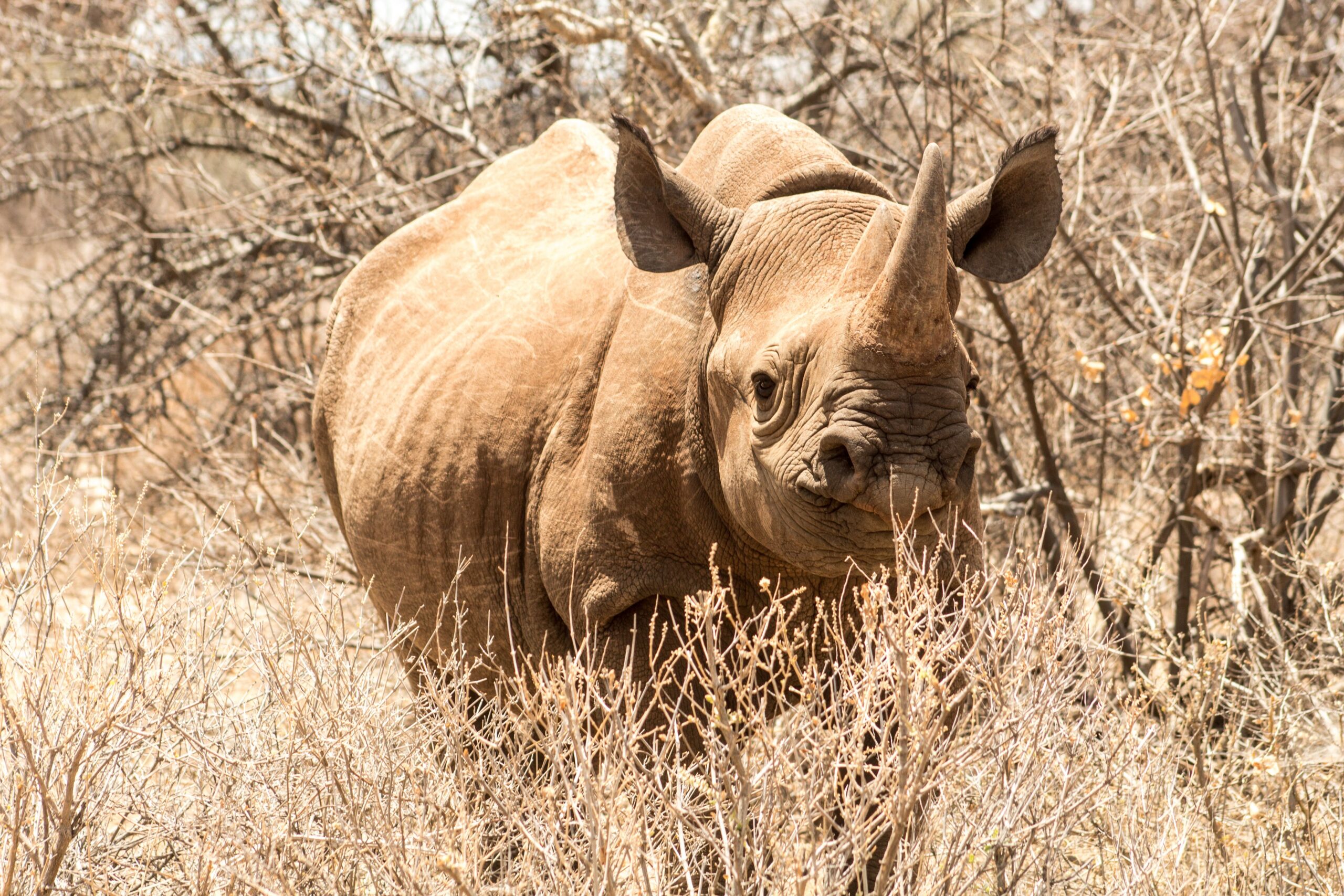
Laikipia has its own conservancy story. Our guides to Lewa Wildlife Conservancy, Ol Pejeta Conservancy and the wider Laikipia conservancies explain how private and community land protect rhinos and other wildlife.
Reserve or conservancy?
You do not have to choose one. Many itineraries include both. The difference matters for the experience:
- National reserve: larger crowds in peak season, game drives in vehicles only and a fee paid per person per day.
- Conservancy: private land with its own rules, fewer vehicles, and in many cases walking safaris and night drives, which are not allowed in the reserve.
A common plan is to stay in a conservancy and spend a full day in the reserve to see the river crossings in migration season. For the season itself, see our Maasai Mara guide.
Choose an operator who can answer these questions
Any operator can write “eco-friendly” on a brochure. Ask for specifics:
- Are you licensed, and can I verify it? See how to choose a licensed operator.
- Where do the conservancy and park fees in my quote go?
- What share of the camp staff are from nearby communities?
- How many vehicles can be at one sighting, and what is your policy?
- What do you do about plastic, water and waste at the camps you use?
- Are cultural visits optional, and how is the money shared?
A confident operator will answer in plain words. A vague answer tells you something too.
Behave well on a game drive
The best experience and the most responsible one are usually the same. Stay in the vehicle unless your guide says otherwise, keep your voice low, never ask the driver to approach an animal or leave the track, and leave when a sighting gets crowded. Do not feed or call to wildlife. Our safari etiquette guide has the full list.
Cultural visits done properly
A visit to a Maasai village can be a respectful exchange or an awkward performance, depending on how it is run. Ask beforehand how the income is shared, ask for permission before photographing people and treat it as a visit to someone’s home. We cover this in our Maasai village etiquette guide.
Spend your money well
- Tip your driver-guide and camp staff fairly. See the tipping guide.
- Buy crafts from makers or cooperatives and pay a fair price.
- Eat local food in Nairobi and on the road. See our guide to Kenyan food.
- Choose an operator based in Kenya, where more of the trip’s cost stays in the country.
Cut your waste
Bring a refillable water bottle, because many camps provide filtered water. Pack reef-safe sun cream if you are going to the coast, take back non-recyclable waste where possible, and say no to single-use plastics. Small habits across a group of six add up quickly over a week.
How we plan responsible trips
Our team is based in Nairobi and plans every trip with a local driver-guide, so the people who earn from your safari live in the country you are visiting. If you want a conservancy stay, a quieter park or a lower-impact itinerary, tell us and we will build it into the plan. We will also tell you plainly when a place is crowded in your dates.
Mistakes we see
- Assuming a camp is responsible because its website says so.
- Booking only the busiest reserve in peak season and ignoring conservancies.
- Pressuring a driver-guide to get closer to an animal.
- Visiting a village without asking how the visit is run.
Sources
Safaris that fit this guide
These itineraries include conservancies and quieter areas, and you can ask us to adjust them:
- 8 Days Kenya Safari: Samburu, Lake Nakuru, Masai Mara, Naivasha and Amboseli — a multi-park trip with room for a conservancy stay
- 5 Days Mid-Range Maasai Mara Migration, Lake Nakuru and Lake Naivasha Safari — a short trip built around the Mara
- 6 Days Luxury Flying Package — a luxury trip that you can shape toward conservancy camps
Keep reading: how to book a Kenya safari, private and group safaris and Kenya safaris with children.
Why a responsible safari in Kenya matters
A responsible safari in Kenya is not a marketing label. It is a way of travelling that leaves wildlife, landscapes and local people better off for your visit. Tourism is one of the main funding sources for conservation in Kenya, but it can also cause harm if it is badly managed: crowded sightings, off-road driving, waste, exploitative cultural visits and money that leaves the country. The good news is that small choices, from the operator you pick to how you behave on a drive, make a measurable difference. You do not need to be a conservation expert, only curious and willing to ask questions.
Signs of a genuinely responsible operator
- It is licensed, with trained, fairly paid guides and drivers.
- It can tell you which conservancies or parks it uses and how the money is shared.
- It limits group sizes and vehicle numbers at sightings.
- It employs and buys from local communities wherever it can.
- It has clear policies on waste, water and plastic.
- It is open about prices and what is included.
Our guide to choosing a licensed safari operator shows how to check these points before you book.
Conservancies and community benefit
Conservancies are areas of land owned or leased by local communities, set aside for wildlife and tourism. Landowners receive regular lease payments, which can pay for schools, clinics and livelihoods. In exchange, they manage grazing, limit development and allow wildlife to move freely. Because vehicle numbers are restricted, game drives feel more intimate, and activities such as night drives and walking safaris are often allowed. The Mara and Laikipia have well-known examples. Read our guides to Masai Mara conservancies and Laikipia to see how they work.
Responsible behaviour on a game drive
- Stay in the vehicle and keep your voice low.
- Never encourage your guide to leave the track or crowd an animal.
- Leave animals that show stress, such as a cheetah trying to hunt or a mother with a young calf, to continue undisturbed.
- Do not feed wildlife, even birds, and do not leave litter.
- Ask your guide to limit time at a sighting if there are too many vehicles.
- Switch off flash and avoid shining lights directly at animals at night.
Our Masai Mara rules and etiquette guide has more detail.
Responsible cultural visits
A visit to a Maasai or Samburu community can be enriching if it is done respectfully and the money goes to the community. Ask how the visit is organised, who benefits and whether the people involved choose to take part. Avoid visits that feel staged or turn people into attractions. Ask permission before photographing individuals, and be prepared to pay a fair fee. Read our guide to visiting a Maasai village for practical advice.
Reduce your footprint
- Bring a refillable water bottle. Kenya bans single-use plastic bags, and many camps provide filtered water.
- Choose camps that use solar power, recycle water and manage waste carefully.
- Pack reef-safe sunscreen and biodegradable toiletries, especially if you will visit the coast.
- Buy crafts and food from local makers rather than imported goods.
- Tip fairly. See our tipping guide.
Planning your responsible safari in Kenya
Choose fewer destinations and stay longer in each, which reduces travel emissions and gives you time to learn. Travel in shoulder seasons if you can, to spread the benefit of tourism through the year and avoid overcrowding. Ask us for conservancy options, and we will build a route that fits your values and budget. When you are ready, contact our team.
Frequently Asked Questions
What is a conservancy in Kenya?
A conservancy is a protected area on community or private land that is managed for wildlife and tourism. In the Maasai Mara, landowners lease their land to operators and earn rent, and visitor numbers are kept low.
Is a conservancy better than a national reserve?
They offer different experiences. Conservancies have fewer vehicles and often allow walking safaris and night drives, while the reserve is larger and is where the famous river crossings happen. Many itineraries combine both.
How can I tell if a safari company is responsible?
Ask where your fees go, how many staff are local, how many vehicles share a sighting and how waste is handled. Check that the company is licensed. Clear, specific answers are a good sign.
Are Maasai village visits ethical?
They can be, if the visit is optional, the community decides how it is run and the income is shared fairly. Ask your operator how it works and always ask before photographing people.
Does a responsible safari cost more?
Not necessarily. Some conservancy stays are more expensive than a basic lodge, but many responsible choices cost nothing, such as quiet behaviour, a refillable bottle and fair tipping.
How can I reduce my impact on a Kenya safari?
Choose a licensed Kenya-based operator, share vehicles sensibly, follow wildlife rules, cut single-use plastic and spend money locally. Staying in a conservancy for part of the trip also directs fees to landowners.
Responsible safari in Kenya: Key Takeaways
The main points on responsible safari in Kenya are covered above. If you would like help applying them to your own dates and budget, our team can plan the trip with you. For more advice on responsible safari in Kenya, or a quote tailored to your group, contact Cherish Africa Safaris and we will reply the same day.