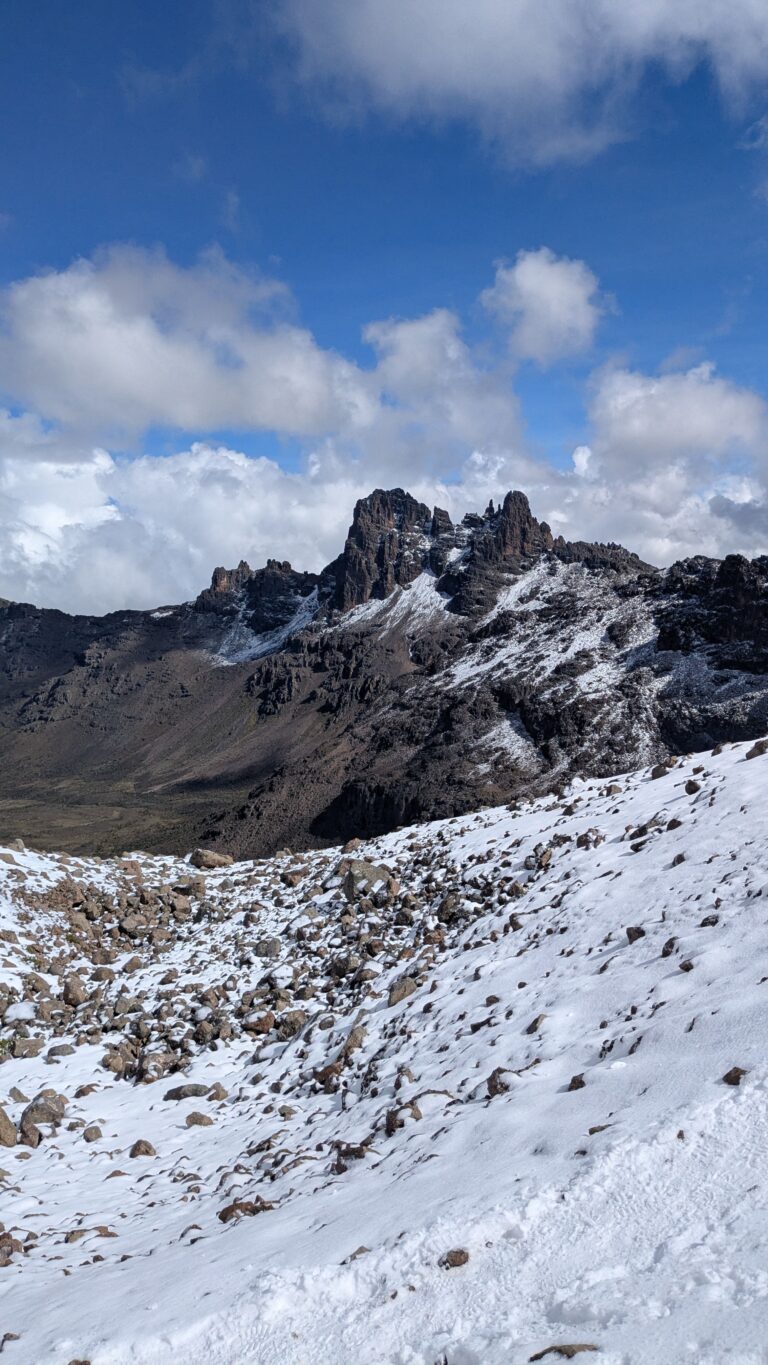
Mount Kenya: Climbing Point Lenana and Other Ways to Explore the Mountain
Routes, timing and altitude advice for Point Lenana, plus easier ways to enjoy the mountain.

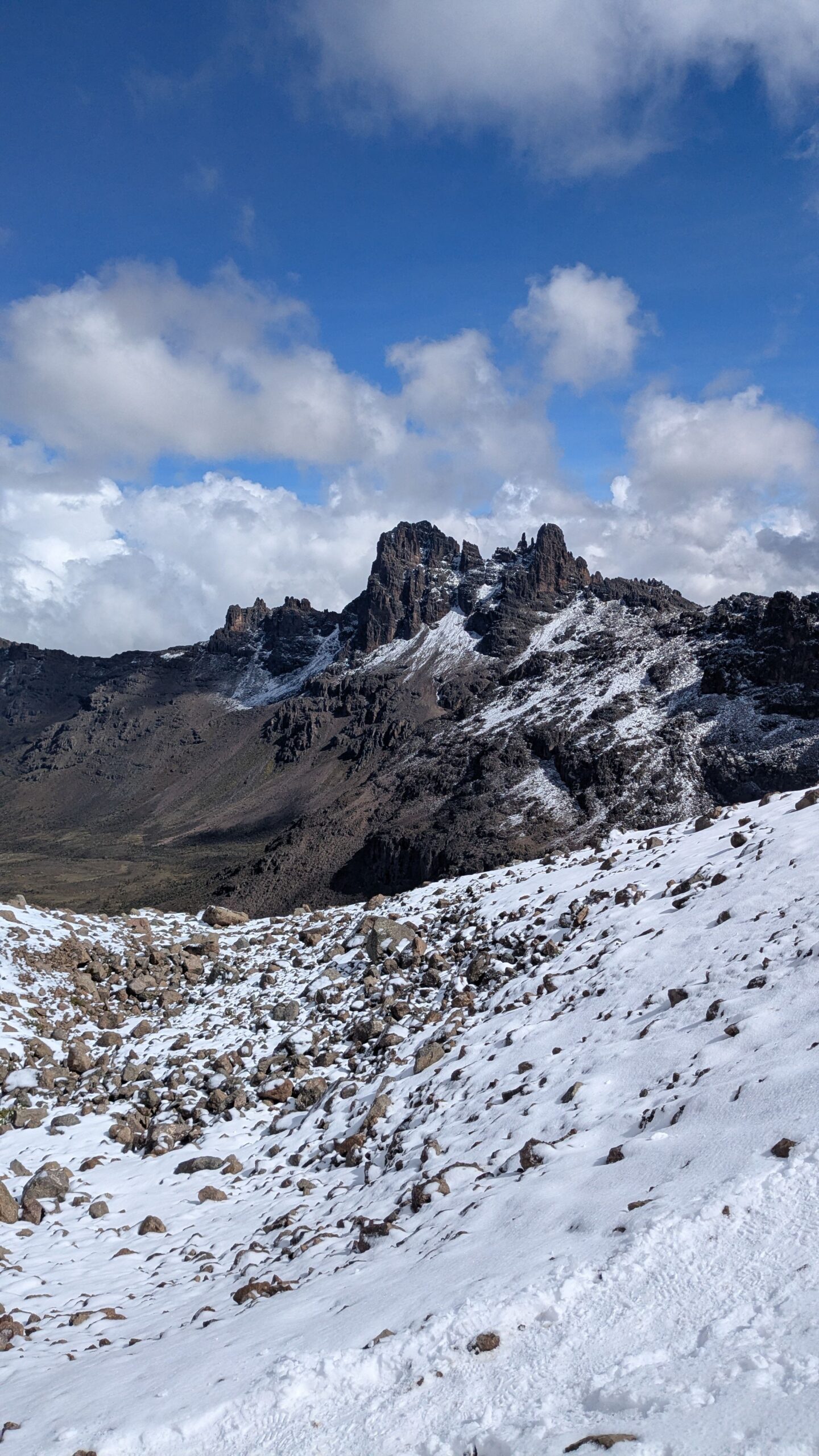
Mount Kenya is Africa's second-highest mountain, an extinct volcano on the Equator whose jagged peaks still hold small glaciers. The national park and surrounding forest are a UNESCO World Heritage site. You do not have to be a mountaineer to enjoy it: forest walks, moorland hikes and the trek to Point Lenana are all possible for fit walkers.
Here is how climbing Mount Kenya works, which routes suit which hikers and when to go.
The mountain rises from farmland and rainforest through bamboo, then moorland dotted with giant groundsel and lobelia, to bare rock and ice. The two highest peaks, Batian and Nelion, are technical climbs requiring ropes and experience.
Point Lenana, the third summit, can be reached on foot by fit trekkers and offers sunrise views of the main peaks and, on clear days, over the plains of Kenya. The mountain also supports elephants and buffalo in its lower forests.
Gradual ascent from the north-west, popular for acclimatisation, with good chances of seeing wildlife in the lower sections.
The shortest and steepest route from the west, with a challenging boggy section known as the Vertical Bog.
A scenic route from the east passing Lake Ellis, Lake Michaelson and the Gorges Valley. Usually considered the most beautiful.
From Nairobi, the Naro Moru gate is about 3.5 hours away. Chogoria is on the eastern side.
You must go with an accredited guide and porters. Allow time to acclimatise because altitude sickness is a real risk.
Layered clothing, waterproofs, sturdy boots, gloves, a warm hat and a sleeping bag if huts are used.
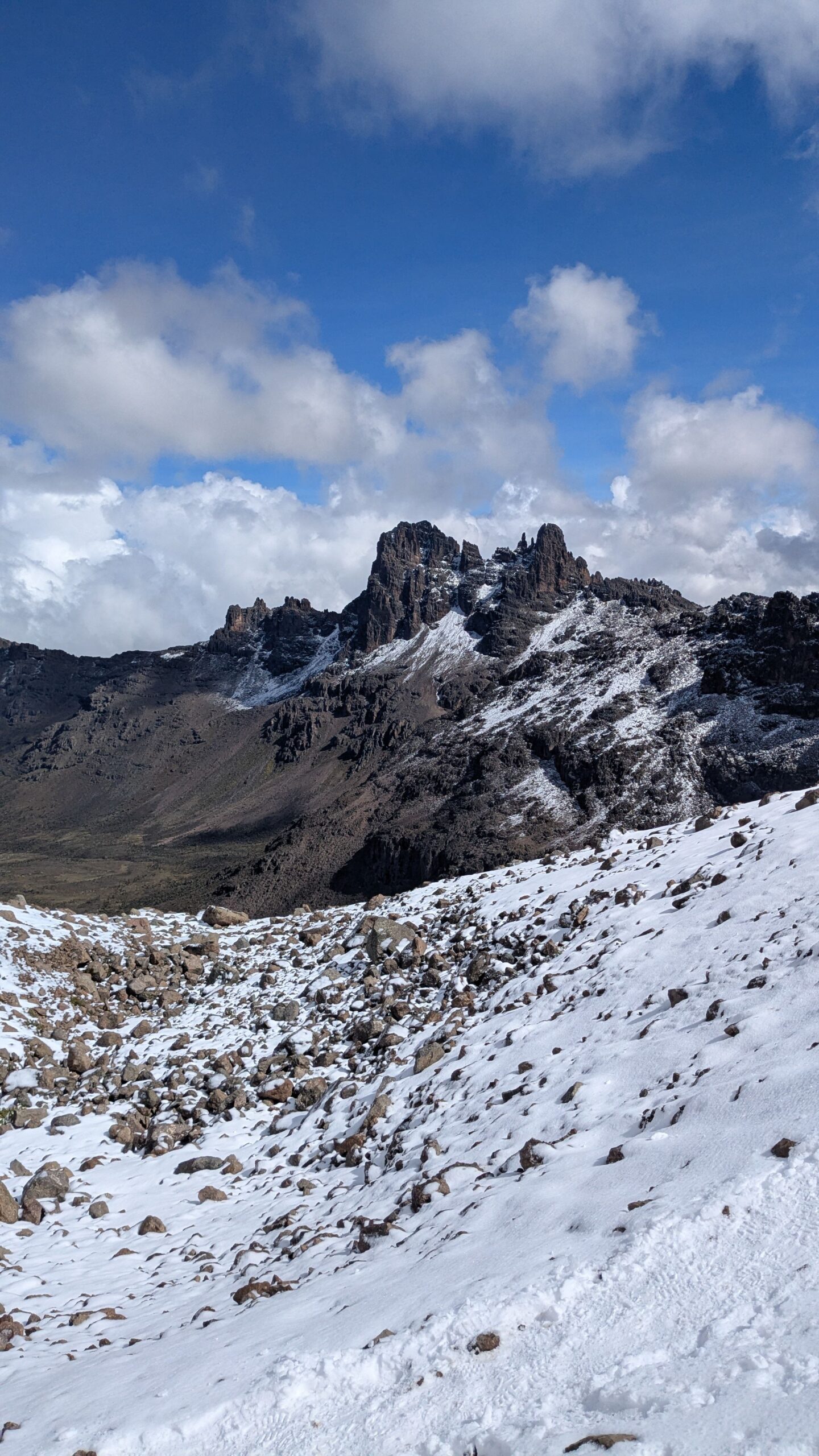
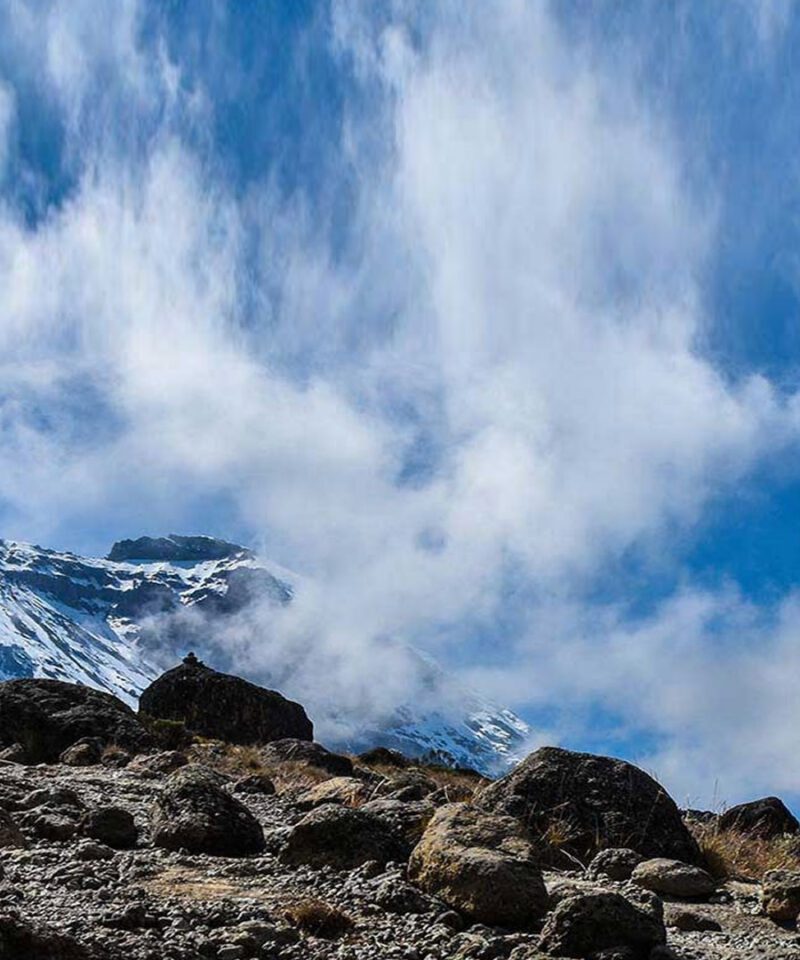
Mount Kenya is an ancient extinct volcano and the second-highest mountain in Africa. Its highest peak, Batian, rises to 5,199 metres, with its twin Nelion close behind at 5,188 metres. During its active period, roughly three million years ago, the volcano may have reached some 6,500 metres. Erosion and glaciers have since carved the jagged summit towers you see today.
The mountain sits almost on the equator in central Kenya, yet its upper slopes are cold enough to carry glaciers. These have been shrinking fast. UNESCO counts twelve remnant glaciers and warns that they may disappear within a few decades, a striking reminder of climate change on the equator.
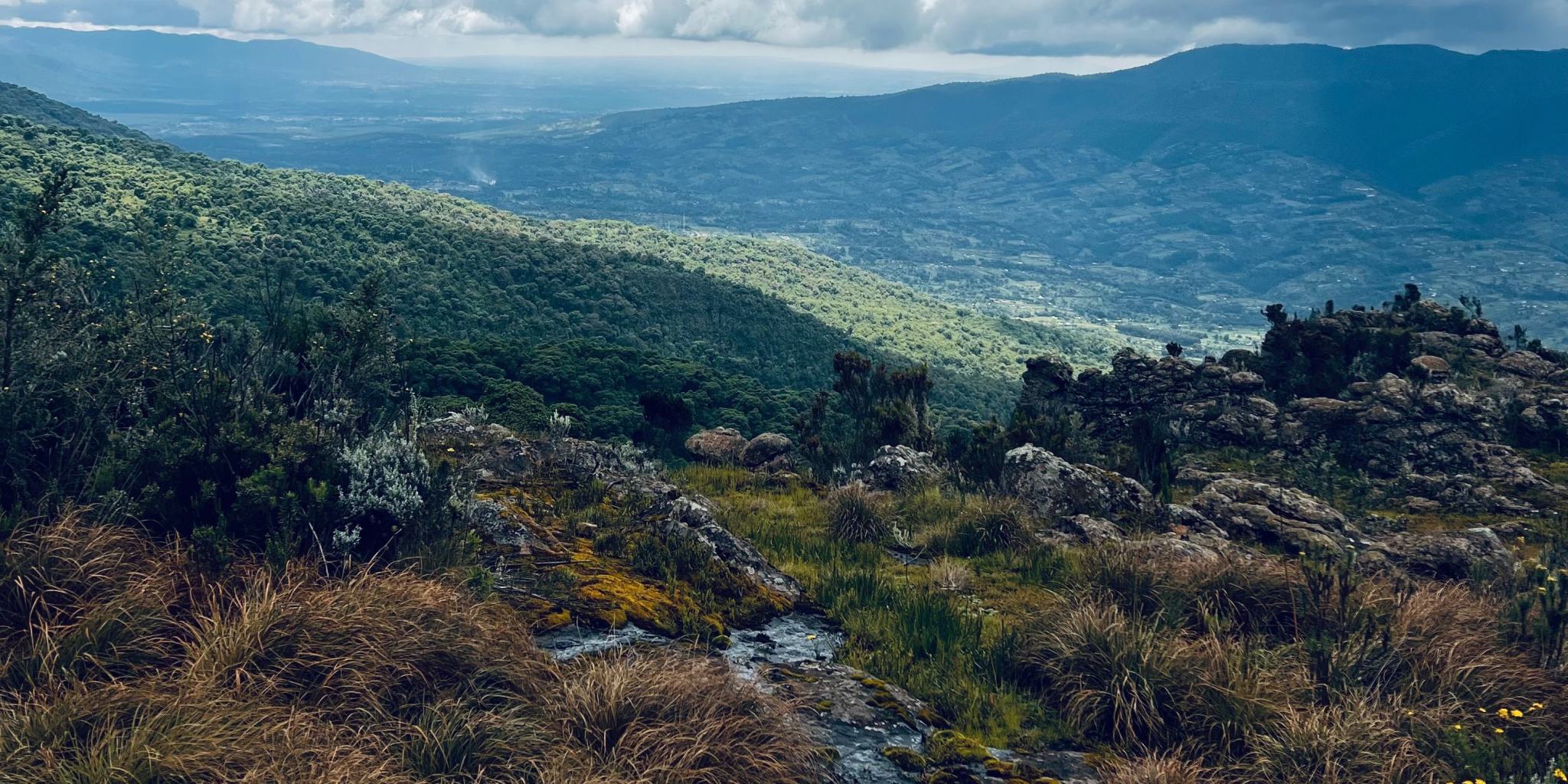
Climbing Mount Kenya is like travelling through several climates in a few days. Below about 2,500 metres the slopes are covered in forest. Between roughly 2,500 and 3,000 metres lies a belt of bamboo, and above 3,000 metres you enter the alpine zone of moorland, tussock grassland and open glades. Continuous vegetation ends at about 4,500 metres, and above that the mountain is rock, scree and ice.
This variety supports an unusual range of wildlife and plants. The high moorland is known for its giant groundsels and lobelias, strange plants that grow nowhere else but the high mountains of East Africa.
The Kikuyu and Meru peoples regard Mount Kenya as holy. They associate it with Ngai, the creator, and with his wife Mumbi, and traditionally people faced the mountain when they prayed. Kenya itself takes its name from the mountain. Climbers and visitors are asked to treat it with respect, to carry out all litter and to follow park rules.
The national park covers about 715 square kilometres, mostly above the 3,000-metre contour, and is surrounded by a forest reserve of about 705 square kilometres. The mountain became a biosphere reserve in 1978 and a UNESCO World Heritage site in 1997. In 2013 the World Heritage area was extended to include the Lewa Wildlife Conservancy and the Ngare Ndare Forest, which together hold the world's largest resident population of Grevy's zebra.
The mountain is also a vital water tower. Rivers rising on its slopes supply farms and towns across central Kenya, and the volcanic soils around it are fertile.
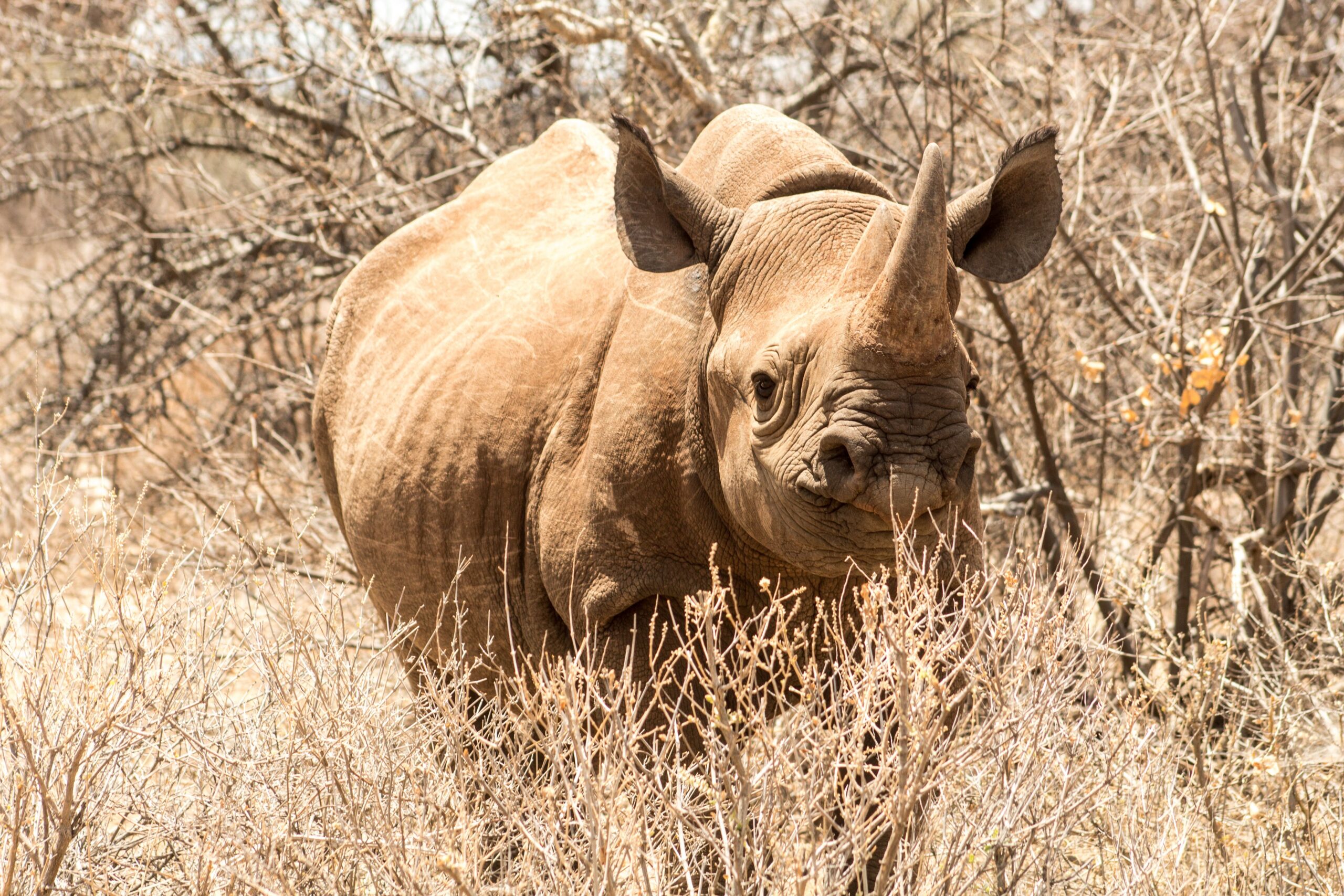
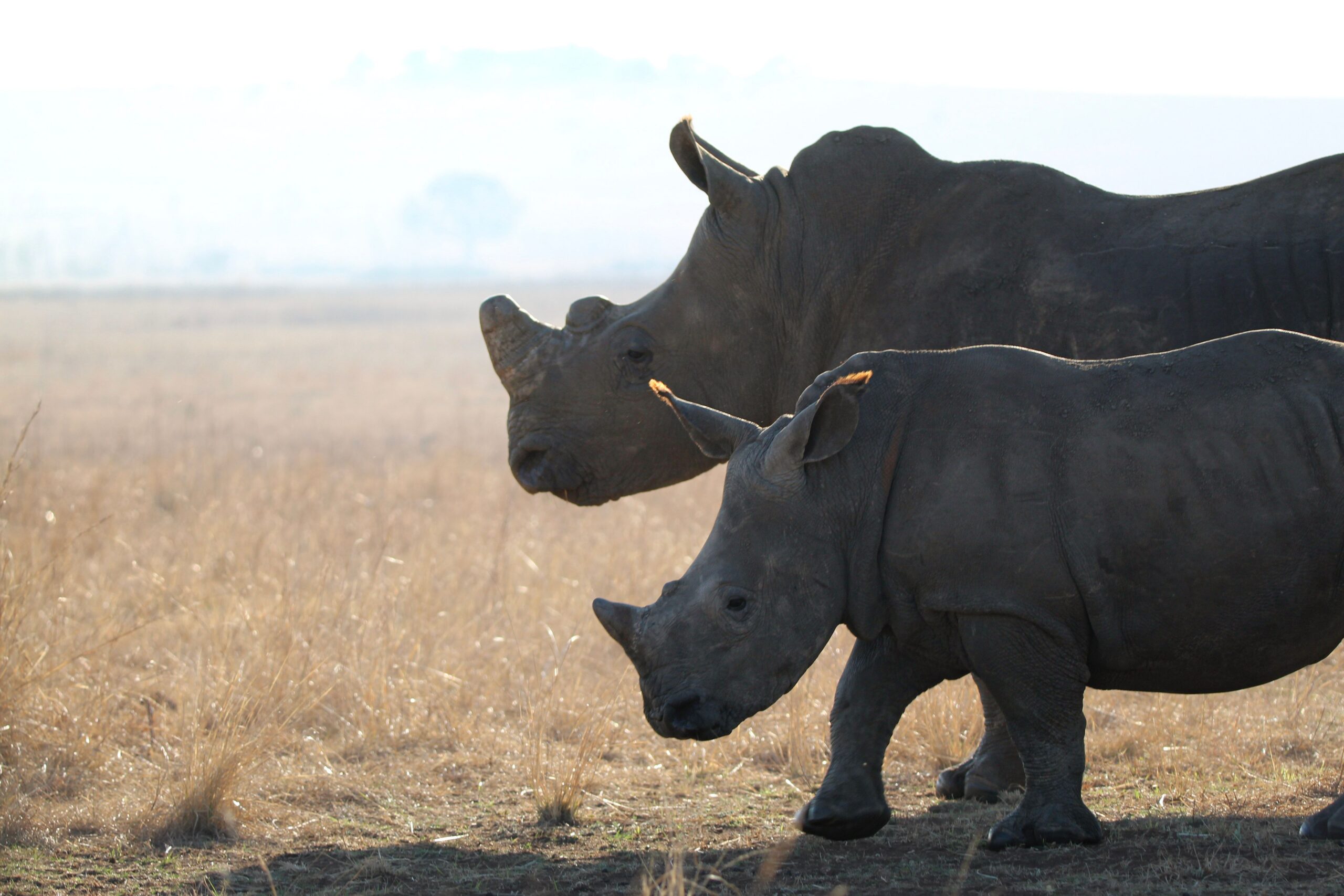
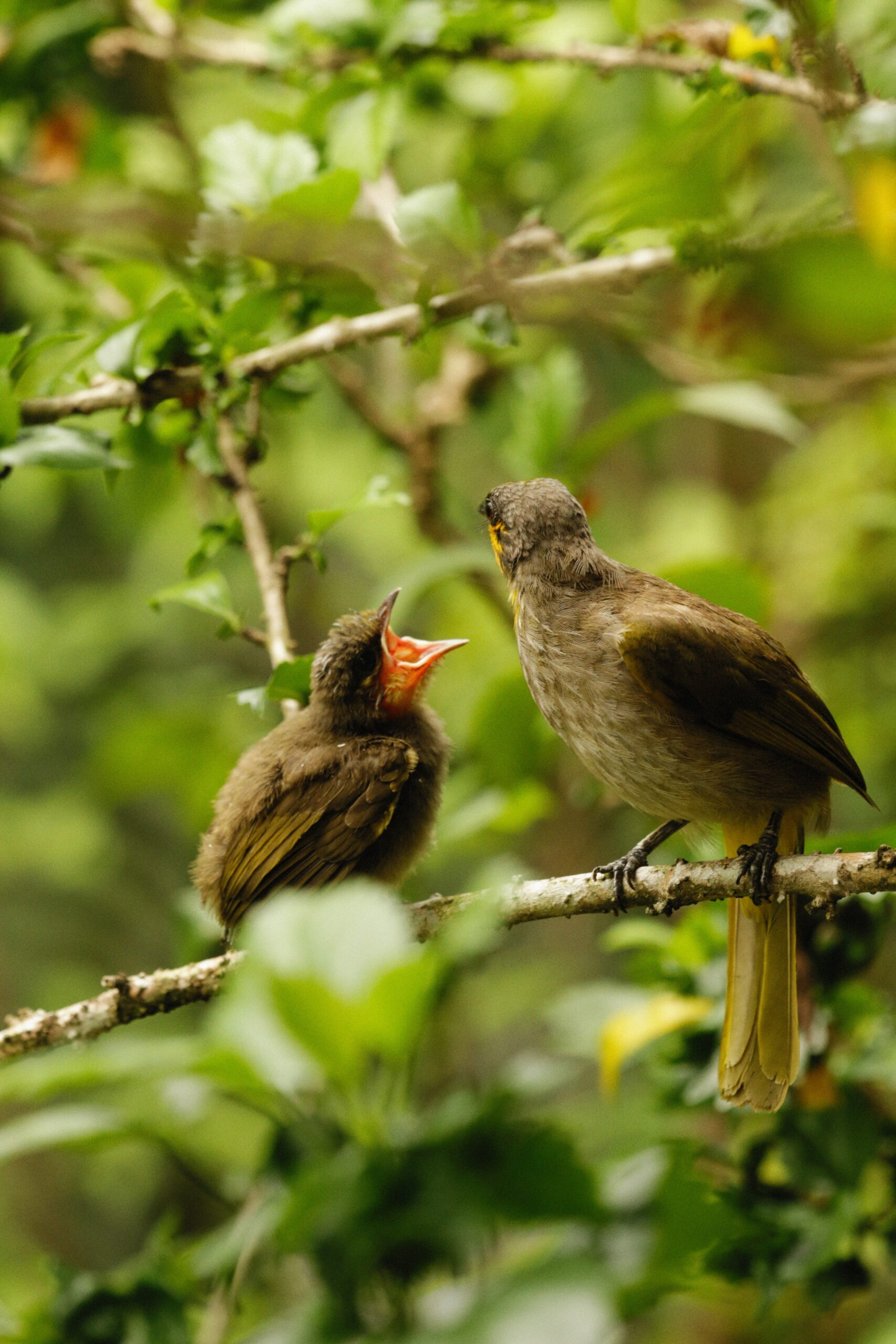
The forest on the lower slopes holds elephants, buffalo, black rhino, leopard, black-and-white colobus and other monkeys, along with many bird species. Most animals are shy in the thick forest and are rarely seen by trekkers, but signs of elephant and buffalo are common on the trails. Higher up, rock hyrax and sunbirds live among the moorland plants. Electric fencing along part of the boundary keeps elephants out of farmland, which is an important part of reducing conflict between people and wildlife.
Three main routes lead to the high peaks. The Sirimon route, from the north-west, is a gradual and popular way up. The Naro Moru route is the shortest and steepest, and the Chogoria route, from the east, is the most scenic, passing lakes and cliffs. Most trekkers aim for Point Lenana at 4,985 metres, which can be reached without technical climbing, while Batian and Nelion need climbing skills and equipment. A trek usually takes three to five days, and we recommend extra time to acclimatise.
Altitude is the main challenge on Mount Kenya. Headaches, nausea and poor sleep are common as you climb, and serious altitude sickness can develop. A slow pace, plenty of fluids and an extra acclimatisation day all help. Anyone who feels seriously unwell must descend. You should be comfortable walking for several hours a day, and a medical check before you go is sensible. Nights above 3,000 metres can fall below freezing, so bring a warm sleeping bag and proper layers, waterproofs, a hat and gloves.
You can enjoy the mountain without trekking to the summit. The foothills around Nanyuki, Naro Moru and Chogoria have forest walks, lodges with views of the peaks and farms that welcome visitors. The Lewa and Ngare Ndare area has forest walks and wildlife drives, and the mountain is often visible on clear mornings. Many of our guests combine a night at the foot of the mountain with Ol Pejeta, Lewa or Samburu.
Information was compared across sources. Conditions on the mountain change quickly, so confirm routes and weather with us before you travel.
Most trekkers take 3 to 5 days to reach Point Lenana and descend.
Not for Point Lenana. Batian and Nelion need technical climbing skills and equipment.
Yes. Take your time and ascend slowly. We include acclimatisation days.
Routes, timing and altitude advice for Point Lenana, plus easier ways to enjoy the mountain.
Mount Elgon National Park in western Kenya is known for salt caves, elephants, hot springs and quiet hikes. Learn how…
Kenya protects a remarkable share of its land for wildlife, and the names on the map can be confusing. Is…