What the landscape is like
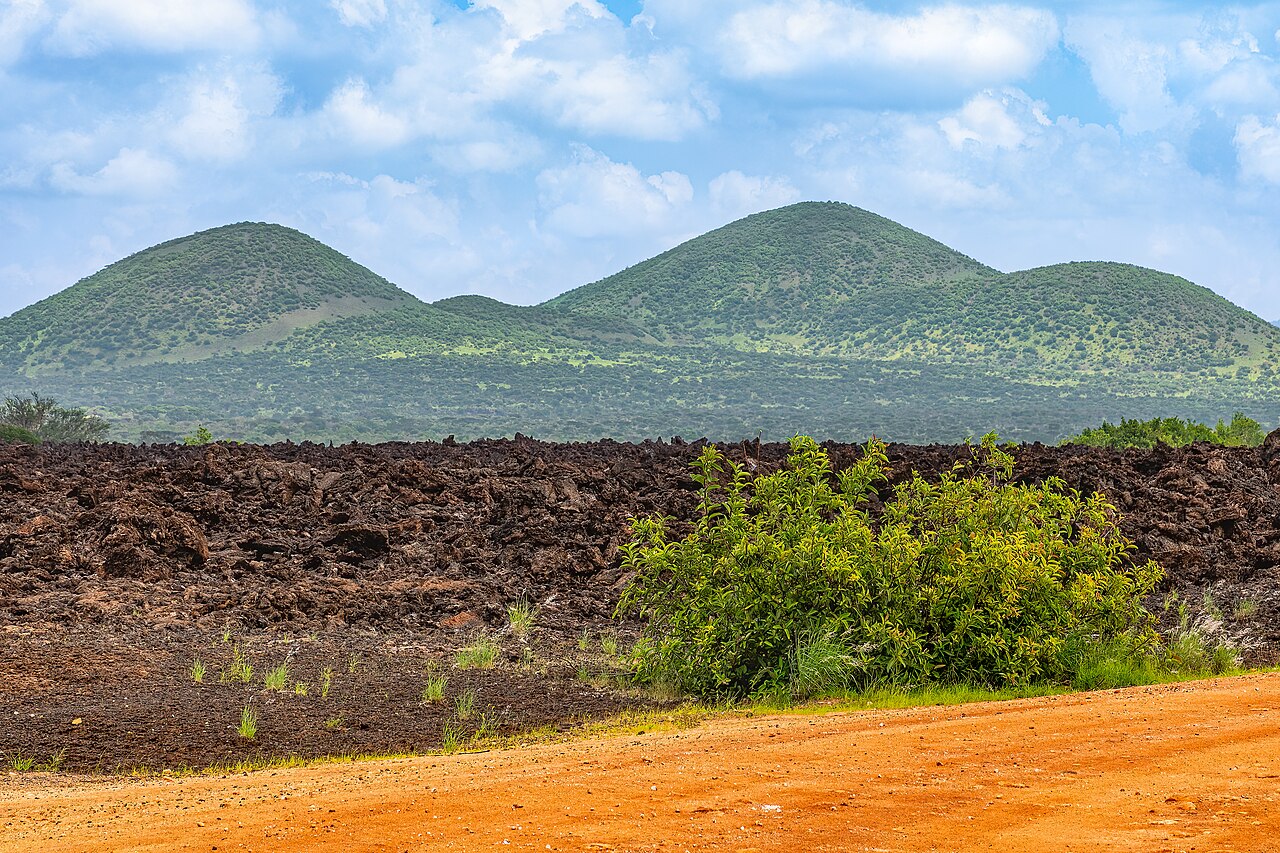
The hills stretch for roughly a hundred kilometres. They are volcanic and young in geological terms, and they are made of porous rock that soaks up rain like a sponge. Water filters underground and re-emerges at springs further south, including Mzima Springs in Tsavo West, which is why the hills matter so much to the region’s wildlife. The upper slopes hold patches of cloud forest, and the lower plains are dotted with acacia, red soil and rocky cones.
Wildlife
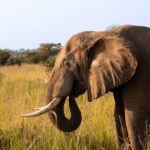
Chyulu offers a classic Kenyan mix without the vehicle queues. Expect elephants, buffalo, giraffes, zebras, wildebeest, antelope and lions, along with leopards and cheetahs in the quieter corners. Birdlife is abundant, from raptors on the ridges to forest birds in the shade. Because the area connects with Amboseli, Tsavo West and Maasai-owned ranches, animals move freely, and conservation efforts have helped to reduce poaching and support communities.
Things to do
- Game drives. Gentle, uncrowded and often with extraordinary scenery.
- Walking safaris. On some private ranches, you can explore on foot with a guide.
- Horse riding. A signature activity, giving a close-up view of the plains.
- Lava tubes and caves. The Leviathan Cave system is among the longest lava tubes in the world, though visits need a guide and proper equipment.
- Hiking the hills. Climb a volcanic cone for sunset views.
- Cultural visits. Meet Maasai communities that live around the hills.
When to go
The dry months from June to October and January to February offer the clearest views and easiest roads. The green months are beautiful but can bring mist and mud. Mornings are the best time to see Kilimanjaro, as covered in our Amboseli guide.
Getting there
Chyulu is about five hours by road from Nairobi, or a short flight to an airstrip in the area. It combines naturally with Amboseli and Tsavo West; see the Tsavo guide and how to reach Amboseli. Lodges are few, small and often high-end, so book early.
Who should visit
Chyulu is for travellers who prefer wide-open landscapes, privacy and a slower pace. If you want a big migration show, go to the Mara; if you want solitude and an authentic Kenyan feel, this is a wonderful choice. Ask us about combining it with Amboseli in a southern circuit.
Quick answers
Where are the Chyulu Hills?
Between Amboseli and Tsavo West in southern Kenya, roughly five hours by road from Nairobi.
What is Chyulu Hills known for?
Young volcanic hills, lava tubes, Kilimanjaro views, horse riding and uncrowded game viewing.
Can I combine Chyulu with Amboseli?
Yes. They sit side by side and combine naturally in a southern Kenya circuit with Tsavo West.
Safaris that fit this guide
These Cherish Africa Safaris trips match what this guide covers. We can adjust any of them to your dates, group size and budget.
- 6 Days Comfort Safari: Amboseli, Lake Nakuru, and Maasai Mara Exploration
- 7 Days Classic Kenya Safari – Maasai Mara, Lake Nakuru, Naivasha
- 5 Days Mid Range Maasai Mara Migration, Lake Nakuru, Lake Naivasha Safari
Not sure which trip suits you? Browse all our Kenya safari tours or send us an enquiry.
What makes Chyulu Hills National Park special
Chyulu Hills National Park is a volcanic range of rolling green hills, lava fields and open grassland that sits between Amboseli and Tsavo West. It is among the youngest volcanic landscapes in Africa, with cinder cones, craters and lava tubes formed by relatively recent eruptions. The hills act as a giant sponge, soaking up rain and releasing it as springs that feed the waters of Tsavo, including Mzima Springs. From the ridges you can see Mount Kilimanjaro on clear days, and the hills often catch cloud and mist. The park feels wild and remote, and visitors are few, which suits travellers who value space and silence.
Lava caves and volcanic landscapes
The Chyulu Hills are known for lava tubes, caves formed when the outer surface of a lava flow hardened while molten rock continued to flow inside, leaving hollow tunnels. Leviathan Cave, one of the longest lava tubes in the world, lies in the area, and other caves attract experienced cavers. Cave visits need proper equipment, guides and permission, as the passages are dark, rough and sometimes unstable. Even if you do not enter a cave, the black lava fields and cinder cones make dramatic photographs against green grass and blue sky. Wear sturdy shoes and carry a torch with spare batteries if you plan any underground exploration.
Wildlife in Chyulu Hills National Park
- Elephants and buffalo: regularly seen in forest edges and on grasslands.
- Predators: lions, leopards, cheetahs and spotted hyenas occur, though they are not easy to find.
- Plains animals: giraffes, zebras, eland, gerenuk and several antelope species use the open areas.
- Birds: raptors, hornbills and forest birds thrive across habitats.
Because the hills are heavily vegetated in places, wildlife is not as easy to see as in Amboseli, and patience is required. Read our Amboseli guide and Tsavo East and West guide to compare nearby parks.
Things to do in the Chyulu Hills
- Walking safaris: guided walks across hills and grassland, with a ranger or Maasai guide.
- Horse riding and cultural visits: offered by some private lodges on surrounding land.
- Cave exploration: for experienced visitors, with specialist guides.
- Birdwatching and photography: dramatic skies, volcanic scenery and Kilimanjaro views.
- Stargazing: with little light pollution, the night sky is exceptional.
See our walking safari guide for how walking safaris work and what to expect.
When to go to Chyulu Hills National Park
The dry months of June to October and January to February are the most comfortable, with clearer skies and easier access. Rains in March to May and November can turn tracks to mud and cloud the views. Early mornings give the best chance of seeing Kilimanjaro. Temperatures on the hills are cooler than on the plains, so bring a warm layer.
Getting to Chyulu Hills
The park lies off the Nairobi–Mombasa road, and the journey from Nairobi takes several hours by road. Many visitors reach the area by combining it with an Amboseli or Tsavo West trip, or by flying to a nearby airstrip with a lodge transfer. Roads inside the park are rough, so a 4×4 vehicle and an experienced driver are advisable. Fees differ from other parks, so ask us for current figures. See the Nairobi to Amboseli guide for route details.
Who should visit Chyulu Hills?
This park suits travellers who have already seen the classic reserves, or who want a quieter, more adventurous trip. It is ideal for walkers, photographers, geology enthusiasts and anyone who values solitude. If you want guaranteed big-cat sightings, Chyulu is not the first choice. Combine it with Amboseli or Tsavo for variety. To plan a route, contact our team.
Water, wildlife and why the hills matter
The ecological importance of Chyulu Hills National Park extends far beyond its borders. Porous volcanic rock absorbs rainfall that then flows underground to emerge at springs in the surrounding dry lands, supporting wildlife, farms and communities. Protecting the forests and grassland on the hills therefore helps protect water for people and animals across a wide area. Conservation groups and communities work together on fire management, anti-poaching patrols and wildlife corridors that connect the hills with Tsavo and Amboseli, allowing elephants and other animals to move freely between landscapes. Visitors contribute through park fees and by choosing responsible camps.
Chyulu Hills compared with Amboseli and Tsavo West
- Amboseli: open, flat and famous for elephants with Kilimanjaro views. Much easier game viewing but busier.
- Tsavo West: a mix of lava flows, springs and bush, with Mzima Springs and the Shetani lava flow. More varied but harder to spot animals.
- Chyulu Hills: hills, caves and wide views, with fewer visitors and more emphasis on walking and landscape than on big herds.
For many travellers, the best plan is to combine two or three of these. Our Mara vs Amboseli vs Tsavo comparison helps you balance the options.
Packing and preparation for Chyulu Hills National Park
Pack layers, because mornings on the hills can be cool, and a rain jacket for sudden showers. Bring sturdy walking shoes for lava rock, a hat, sunscreen, binoculars, a torch and a camera. Carry plenty of water, and a small first-aid kit. If you plan to enter caves, make sure you have proper equipment and a guide, and check that your insurance covers caving or hiking. Our Kenya safari travel checklist lists general items for any trip.
Tips for a better visit
- Spend at least two nights in the area, so you have time to walk and enjoy the landscape.
- Ask your guide about the geology and the history of the hills, which is fascinating.
- Travel early in the morning for clear views of Kilimanjaro.
- Respect local communities and ask before photographing people.
- Do not expect crowded wildlife sightings; enjoy the space and silence instead.
A short itinerary including Chyulu Hills National Park
A three-night route could begin with Amboseli, where you spend a day with elephants and Kilimanjaro views, continue to the Chyulu Hills for a night with a walking safari and sunset on the ridge, then end in Tsavo West at Mzima Springs and the lava flows before returning to Nairobi or the coast. This route shows three different faces of southern Kenya in a short time, and it is far quieter than the Mara circuit. If you have a few extra days, add Tsavo East for the red elephants. We handle the logistics, vehicles and fees, so you can enjoy the changing scenery without worrying about the details. Ask us to build it into a safari that fits your dates.
Why add Chyulu Hills National Park to your trip?
If you love landscapes, quiet and the feeling of being far from everything, Chyulu Hills National Park offers all three. It is a place to slow down, stretch your legs and see Kenya from a different angle, literally from the ridges looking out across the plains.
Plan it with people who live here
We are a Nairobi-based team and every trip starts from our own doorstep. If you would like help turning these ideas into a real itinerary, message us on WhatsApp (+254 794 588 242), write to info@cherishafricasafaris.com, or use our contact form. We usually reply the same day.
Chyulu hills national park: Key Takeaways
The main points on chyulu hills national park are covered above. If you would like help applying them to your own dates and budget, our team can plan the trip with you. For more advice on chyulu hills national park, or a quote tailored to your group, contact Cherish Africa Safaris and we will reply the same day.