1. Lake Turkana National Parks
Inscribed in 1997, these remote parks protect the shores and islands of the world’s largest permanent desert lake, along with important fossil sites. It is an adventurous trip. See our Lake Turkana guide.
2. Mount Kenya National Park and Natural Forest
Also inscribed in 1997 and later expanded, this includes Africa’s second-highest mountain, its glaciers, moorland and forests. You can climb it or simply enjoy the foothills from a lodge. Read our Mount Kenya guide.
3. Lamu Old Town
Listed in 2001, Lamu is East Africa’s oldest and best-preserved Swahili settlement, with narrow lanes, carved doors, mosques and no cars. Donkeys and dhows are the main transport. See the Lamu guide.
4. Sacred Mijikenda Kaya Forests
Added in 2008, these are patches of coastal forest that once held fortified villages and still hold ritual significance for the Mijikenda people. Visits are with local guides who explain the customs. Kaya Kinondo near Diani is accessible; read about the area in the Diani guide and Kilifi guide.
5. Fort Jesus, Mombasa
This 16th-century Portuguese fort was inscribed in 2011. Its walls, bastions and museum tell of centuries of trade and conflict on the Indian Ocean coast. See things to do in Mombasa.
6. Kenya Lake System in the Great Rift Valley
Also listed in 2011, this includes Lake Bogoria, Lake Nakuru and Lake Elmenteita, known for flamingos, hot springs and birdlife. Read our guides to Nakuru, Elmenteita and Bogoria and Baringo.
7. Thimlich Ohinga
Inscribed in 2018, this is a remarkable dry-stone enclosure in western Kenya near Lake Victoria, built several centuries ago. It is rarely visited but impressive, and it adds a cultural stop to a western Kenya route with Kakamega.
How to combine them
- Rift Valley loop: Nakuru, Elmenteita, Bogoria, Baringo and Mount Kenya.
- Coast loop: Mombasa, Kaya Kinondo, Lamu.
- Remote adventure: Lake Turkana combined with Samburu.
Respect rules at protected sites: stay on paths, hire local guides and never remove stones or souvenirs. If you would like to explore a heritage theme, tell us how many days you have and we will plan a route.
Quick answers
How many UNESCO sites does Kenya have?
This guide covers seven: Lake Turkana, Mount Kenya, Lamu Old Town, the Kaya forests, Fort Jesus, the Rift Valley lakes and Thimlich Ohinga.
Which site is easiest to visit?
Fort Jesus in Mombasa and the lakes of Nakuru and Elmenteita are the most accessible.
Which site is the most remote?
Lake Turkana National Parks in the far north.
Safaris that fit this guide
These Cherish Africa Safaris trips match what this guide covers. We can adjust any of them to your dates, group size and budget.
- 3 Days Amboseli Safari Adventure: Majestic Wildlife & Mount Kilimanjaro Views
- 6 Days Comfort Safari: Amboseli, Lake Nakuru, and Maasai Mara Exploration
- 7 Days Classic Kenya Safari – Maasai Mara, Lake Nakuru, Naivasha
Not sure which trip suits you? Browse all our Kenya safari tours or send us an enquiry.
Why Kenya’s UNESCO World Heritage Sites are worth the detour
Most visitors come to Kenya for wildlife, but the country’s UNESCO World Heritage Sites show another side: ancient Swahili towns, sacred forests, remote desert lakes and mountains that shaped local belief for centuries. Kenya’s list mixes natural and cultural sites, from the snow-capped peaks of Mount Kenya to the stone walls of Thimlich Ohinga. Visiting even one or two adds depth to a trip and often takes you away from the busiest routes. The sites below are grouped so you can see how they fit into a wider itinerary.
Natural sites among Kenya’s UNESCO World Heritage Sites
Lake Turkana National Parks
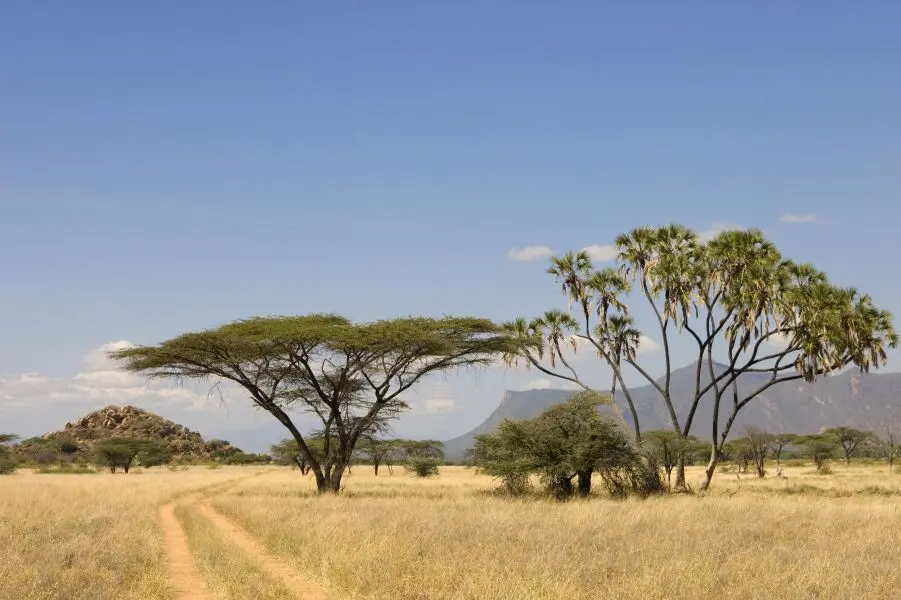
Lake Turkana, in the far north, is the largest permanent desert lake in the world and one of the most remote places in Kenya. The protected area includes Sibiloi National Park, famous for fossil discoveries that have helped scientists understand human evolution, as well as Central Island and South Island national parks, which host crocodiles and migratory birds. Getting there requires time and planning, and the heat is intense. It rewards travellers who want solitude and landscapes that feel like another planet. Plan with a specialist operator and allow several days.
Mount Kenya National Park and Natural Forest
Mount Kenya is Africa’s second-highest mountain, with jagged peaks, glaciers on the upper slopes and moorland, bamboo and forest on the lower ones. Trekkers climb Point Lenana, the highest accessible summit for non-technical climbers, while others enjoy day walks or wildlife in the forest zones. Elephants, buffalo and many birds live on the lower slopes. Mount Kenya is considered sacred by local communities and is surrounded by farmland and tea estates. A visit can be paired with Laikipia, Samburu or Aberdare for variety.
The Kenya Lake System in the Great Rift Valley
This serial site covers Lake Bogoria, Lake Nakuru and Lake Elementaita, soda lakes famous for flamingos, pelicans and hot springs. Bogoria offers geysers and steaming vents, while Nakuru offers rhinos and a compact game drive. Elementaita is quieter and used by pelicans. See our Lake Nakuru guide and Naivasha and Hell’s Gate guide for nearby stops.
Cultural sites among Kenya’s UNESCO World Heritage Sites
Lamu Old Town
Lamu is one of the oldest and best-preserved Swahili settlements in East Africa, with narrow alleys, carved wooden doors, coral-stone houses and a ban on cars. Donkeys and dhows are the main transport. Visitors come for the architecture, the slow pace and the cultural life, including festivals tied to the Islamic calendar. Allow at least two nights to settle into the rhythm, and respect local dress codes.
Sacred Mijikenda Kaya Forests
The Kayas are remnants of fortified villages in the coastal forests, still used by Mijikenda elders for ceremonies and community decisions. They are protected both as cultural landmarks and as pockets of rare coastal forest. Visits are usually guided and need prior arrangement and permission, since the forests remain places of ritual.
Fort Jesus, Mombasa
Built by the Portuguese at the end of the sixteenth century, Fort Jesus is a monument to the contest for the Indian Ocean trade routes. It changed hands many times and now holds a museum. Read our Fort Jesus guide and things to do in Mombasa to plan a visit.
Thimlich Ohinga Archaeological Site
In western Kenya, near Lake Victoria, Thimlich Ohinga is a large stone-walled enclosure built by pastoral communities several centuries ago. The dry-stone walls have survived without mortar, and the site is the best example of the ohinga tradition in the region. It is rarely visited, which makes it a rewarding stop for those interested in archaeology.
Which UNESCO World Heritage Sites are easiest to visit?
For most travellers, the easiest are the Rift Valley lakes (a few hours from Nairobi), Fort Jesus (in Mombasa, usually combined with a coast stay) and Mount Kenya (within reach of Nairobi, Laikipia and Samburu). Lamu requires a flight or a long road-and-boat journey. Lake Turkana and Thimlich Ohinga require more time and planning. Choose according to your interests, and combine them with a classic safari rather than treating them as separate trips.
Combining UNESCO World Heritage Sites with a safari
A simple combination is a Rift Valley safari: Nairobi, Lake Nakuru, Lake Naivasha, then on to the Masai Mara. Add Mount Kenya or Laikipia for a highland chapter. For culture, finish at the coast with Mombasa and Fort Jesus, or take a short flight to Lamu. See our safari and beach holiday guide and the 10-day itinerary for routes. To build your own, contact our team.
What the UNESCO World Heritage listing means for travellers
A UNESCO World Heritage listing recognises places of outstanding universal value that need protection for future generations. For visitors, it usually means better management, clearer rules and a stronger story behind what you see. It also brings responsibilities: sites are fragile, and local communities often live in or beside them. Follow signs, hire local guides, avoid touching carvings or removing anything, and pay entry fees, which fund upkeep. A well-managed visit supports preservation and local livelihoods.
Best time to visit Kenya’s UNESCO World Heritage Sites
The dry months of January to March and June to October are generally easier for travel. Mount Kenya climbing is best in the drier seasons, and the northern desert can be unbearably hot at midday, so plan early starts. The coast is humid year-round, with the long rains from April to May making some roads difficult. Rift Valley lakes are good throughout the year, but flamingo numbers vary with water levels and algae. Check conditions with your operator before you commit.
Practical tips for visiting heritage sites
- Carry cash for small fees, guides and local crafts, because card machines are rare.
- Dress modestly at cultural sites such as Lamu and the Kayas.
- Ask permission before photographing people or ceremonies.
- Bring water, a hat and sunscreen, especially in the north and at the coast.
- Hire a licensed local guide, who can explain history that signs do not.
- Leave time in your schedule, because access can be slow and roads rough.
Building a heritage-focused trip
If heritage is your main interest, think in clusters rather than single sites. The Rift Valley lakes and Nairobi make an easy short trip. The coast cluster joins Mombasa, Fort Jesus and the Kayas, with beach days to balance the history. The highlands cluster combines Mount Kenya with Laikipia and Samburu. Lake Turkana and Lamu are destinations in their own right and are best treated as separate journeys. Whichever you choose, give each site enough time, hire knowledgeable guides and keep the schedule flexible. Many of these places are best appreciated slowly, with time to talk to people who live there and to watch the light change over water, forest or stone. Ask us about a custom itinerary that blends wildlife with the culture and history that make Kenya more than a safari destination.
Plan it with people who live here
We are a Nairobi-based team and every trip starts from our own doorstep. If you would like help turning these ideas into a real itinerary, message us on WhatsApp (+254 794 588 242), write to info@cherishafricasafaris.com, or use our contact form. We usually reply the same day.
UNESCO world heritage sites: Key Takeaways
The main points on UNESCO world heritage sites are covered above. If you would like help applying them to your own dates and budget, our team can plan the trip with you. For more advice on UNESCO world heritage sites, or a quote tailored to your group, contact Cherish Africa Safaris and we will reply the same day.