Who are the Maasai?
The Maasai are a pastoralist people who live in southern Kenya and northern Tanzania. They speak Maa, a language of the Eastern Nilotic family, and most also speak Swahili and English. In the 2019 census, about 1.19 million people in Kenya identified as Maasai, and roughly a million more live in Tanzania. Traditionally, their lives revolve around cattle, which are the main source of food and the measure of wealth. Goats and sheep are also herded, and the diet traditionally includes milk, meat and, on special occasions, blood from cattle, though modern diets now include maize meal, rice, vegetables and fruit as well.
Amboseli at a glance
| Size | 392 sq km park within an ecosystem of about 8,000 sq km |
|---|---|
| From Nairobi | About 240 km via Namanga: 4 to 5 hours by road or a short flight |
| Park fee (non-resident adult) | USD 90 per day |
| Best for | Large elephant herds with Kilimanjaro (5,895 m) behind them |
| Best months | June to October, and January to February |
| Birds | More than 400 species |
Map data OpenStreetMap contributors. Fees are a planning guide and can change.
Today, many Maasai combine herding with farming, wage work, tourism, conservation and business. Jewellery and beadwork are sold to visitors, and many young Maasai study and work in cities while keeping ties to their communities.
The Maasai Amboseli connection
The name Amboseli is said to come from the Maa word empusel, meaning a salty, dry place. The area was set aside as a Maasai reserve in 1906 and became a national park in 1974. Like other Kenyan parks, such as the Masai Mara and Tsavo, it was created on land that the Maasai had used for generations. Over the decades, this has shaped relations between communities and conservation authorities, including debates over who controls the park and who benefits from tourism.
Today, the park covers about 392 square kilometres at the core of an ecosystem of about 8,000 square kilometres that crosses into Tanzania. Most of that wider ecosystem is community land, where Maasai families graze livestock and where wildlife roams freely. Elephants, zebra, wildebeest and lions all move between the park and these community areas. The health of Amboseli therefore depends on the goodwill and livelihoods of its Maasai neighbours.
Living alongside wildlife
Coexistence is not always easy. Elephants can damage crops and water pipes, lions and hyenas kill livestock, and droughts push herders and wildlife towards the same water points. Over the past decades, several approaches have helped:
- Tourism revenue and lease payments. Camps on community land pay lease fees to landowners, and some pay conservation fees per guest.
- Employment. Maasai work as guides, drivers, rangers, cooks and camp managers, bringing local knowledge to the park.
- Community conservation programmes. Initiatives such as lion monitoring projects have trained young Maasai warriors to track lions, warn herders and reduce retaliatory killing.
- Compensation and insurance schemes. Some funds pay herders when predators kill livestock, which reduces the incentive to kill predators.
These programmes are imperfect, and tensions over land, grazing and benefit-sharing remain. But the basic idea, that wildlife must pay its way for the people who live with it, is why the best camps now involve Maasai landowners directly. Our guide to responsible safaris and community conservation explains what to look for.
Maasai culture: what you will notice
Clothing and beadwork
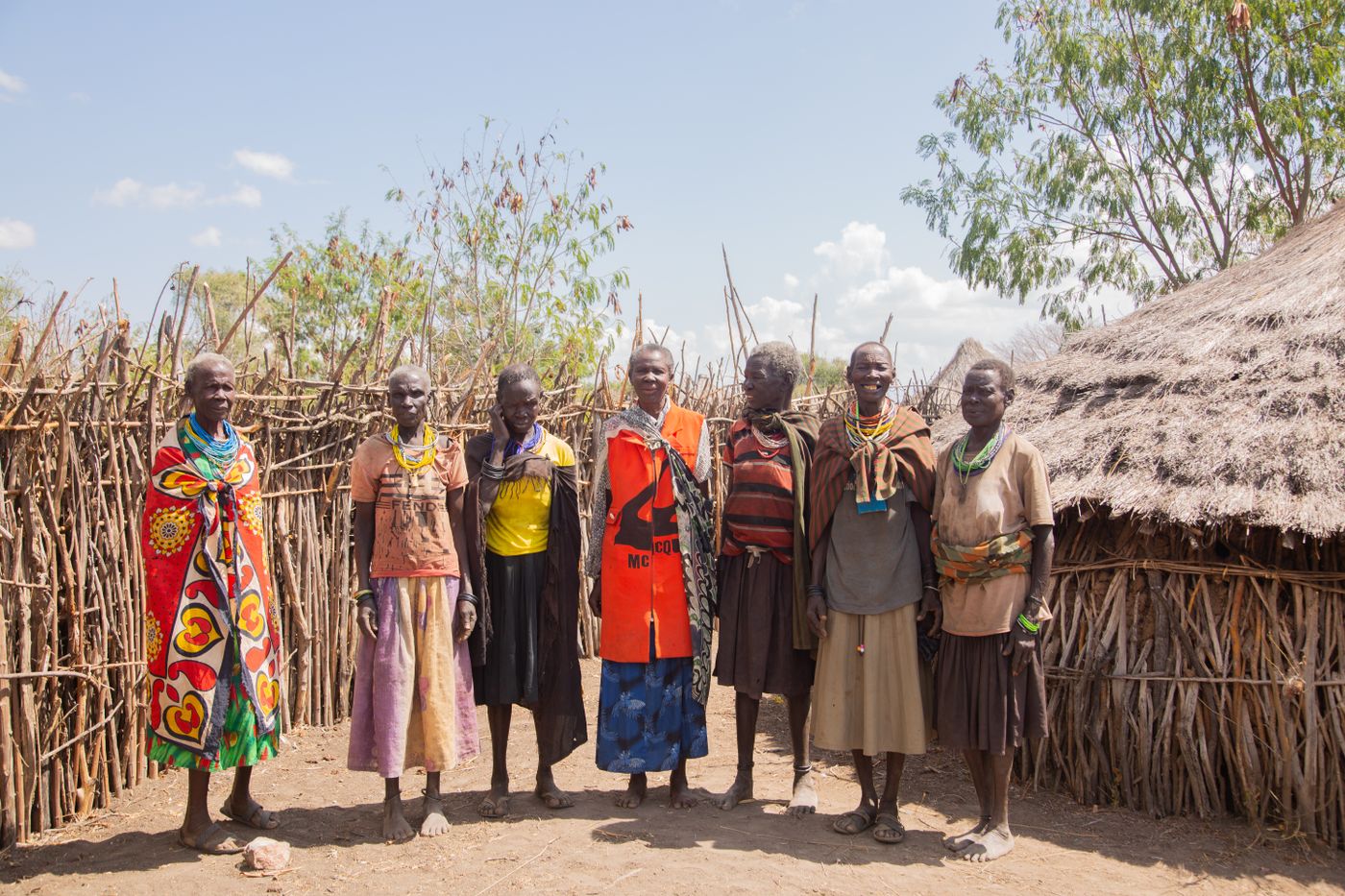
The red or checked cloth known as the shuka is the best-known piece of Maasai dress. Cotton cloth replaced animal hides in the 1960s, and red remains a favourite colour. Beaded jewellery, necklaces, bracelets and earrings, shows a person’s age, gender and social status. The beadwork you can buy is made by women, often in cooperatives, and buying it directly is a good way to support families.
Age-sets and warriors
Maasai society is organised in age-sets, with men moving through stages from boyhood to warrior (moran) to junior and senior elder. Warriors traditionally wear long braided hair, which is shaved at a ceremony marking the move to elderhood. The famous adumu, or jumping dance, is performed by warriors, who compete to jump the highest while keeping their bodies straight.
Homesteads
Maasai families often live in circular homesteads enclosed by a thorn fence, which protects people and livestock from predators at night. Houses are low, made of a frame of branches plastered with mud and dung. Livestock are brought into the enclosure in the evening. Many families now also have homes built with modern materials, which is why a village visit may not look quite like old photographs.
Greetings and language
A few phrases in Maa will earn warm smiles. A common greeting is supa, to which the reply is epa, and ashe oleng means thank you very much. Our guide to Swahili phrases for travellers covers the widely understood language.
Visiting a Maasai Amboseli village: what to expect
Many camps and tours offer a cultural visit to a Maasai homestead. It typically lasts about an hour. You are welcomed with a song or dance, shown a traditional house and how fire is made, introduced to beadwork and invited to buy crafts. Some visits include a talk about school and clinic projects supported by visitors’ fees.
A good visit is respectful, informative and fair. A poor one feels like a staged performance followed by high-pressure sales. These tips help you choose well:
- Ask who runs it. A visit arranged with a community or group ranch, where an agreed fee goes to a committee, is better than a roadside stop run by a middleman.
- Ask where the money goes. A transparent answer, such as a school fund or women’s cooperative, is a good sign.
- Agree the fee in advance. Your operator should tell you the entry fee and what it includes, so there are no surprises.
- Ask before taking photographs. Do not photograph people without permission, and respect a refusal.
- Buy crafts directly. Prices are usually negotiable, but pay a fair price for good work.
- Do not hand out sweets or money to children. It encourages begging. If you want to help, give to a school or project through your operator.
Other ways to experience Maasai Amboseli culture
- Walks with Maasai guides on community land, where you learn about plants, tracks and traditional medicine.
- School and clinic visits arranged through a camp that supports them.
- Beadwork workshops and cooperatives, where you can see how items are made and buy them from the makers.
- Bush meals and storytelling at camps run in partnership with local communities.
Respecting Maasai culture as a visitor
A few simple habits make a big difference. Greet people politely before asking questions. Dress modestly in villages. Be patient and let your host decide what to share. Avoid treating a visit as a photo opportunity. If you are curious about something, ask: most people are happy to explain, especially when you listen. For more on behaving well on safari, read our safari etiquette guide.
Planning your Maasai Amboseli cultural visit
A cultural visit fits easily into a two- or three-night Amboseli stay, usually on the second afternoon after the morning game drive. It works well in the heat of the day, when animals rest. Combine it with the wildlife highlights in our guide to the elephants of Amboseli, and plan your timing using the best time to visit Amboseli. If you also plan to see the Mara, read our post on Mara conservancies, where Maasai landowners play a similar role.
A typical Maasai Amboseli cultural visit, step by step
- Arrival and greeting. Your guide introduces you to the village leader or host, who welcomes the group.
- Songs and dance. Men and women sing, and the men may perform the jumping dance. Visitors are often invited to join in, which is good fun if you take it lightheartedly.
- The homestead. You step through the thorn-fence entrance, see the cattle enclosure and, in some visits, are invited into a house. It is low, dark and warm inside, with a fireplace and sleeping platforms.
- Demonstrations. You may see fire made with sticks, how milk is stored, or how beadwork is strung.
- Questions and conversation. This is the best part of a good visit. Ask about school, herding, water, drought and what young people want to do. Honest answers are far more interesting than any performance.
- The market. Crafts are laid out for sale. There is no obligation to buy, though a small purchase is appreciated.
Myths and realities about the Maasai
- Myth: All Maasai live in traditional villages. In reality, many live in towns, own phones and cars, work in tourism, government and business, and visit family in rural homesteads.
- Myth: The Maasai oppose conservation. Many Maasai are active conservationists, and community conservancies like those around the Mara and Amboseli were created by Maasai landowners.
- Myth: Cultural visits are always staged. Some are, but visits arranged with a community and a clear benefit-sharing model can be warm, informative and fair.
- Myth: The Maasai only drink milk and blood. The traditional diet centres on milk and meat, but modern diets include ugali, rice, vegetables and fruit.
How the dry season shapes Maasai Amboseli life
Rainfall decides almost everything in this semi-arid landscape. In the dry months from June to October, herders move cattle further to find grass and water, often towards the swamps at the edge of the park, where conflict with elephants and other wildlife is most likely. In wet years, pastures recover and herds grow. Droughts can be devastating: livestock die in large numbers, and families rely on relief, savings or work elsewhere. Understanding this rhythm helps visitors see why water, grazing and conservation are so closely tied together here, and why Maasai Amboseli communities value tourism as a more stable source of income.
Women, children and education
Women play a central role in Maasai households. They build and maintain homes, collect water and firewood, milk the cattle and produce the beadwork sold to visitors. Women’s cooperatives and groups, where women pool their craft and sell directly, give them an independent income, and many use it to pay school fees. Education is a priority for many families, and projects supported by tourism, including school buildings and bursaries, are visible around Amboseli. If you want to help, ask your operator to connect you with a school or cooperative, rather than giving directly to children.
Combining Maasai Amboseli culture with game drives
The best itineraries blend wildlife and culture. A dawn game drive for elephants and Kilimanjaro, a late breakfast, a cultural visit at mid-morning, a rest in the heat of the day and a late afternoon game drive make a balanced day. Do not rush the cultural visit: an hour of real conversation is worth more than a quick photo stop. And if you have the time, a guided walk with a Maasai guide on community land lets you experience the landscape on foot, with someone who has known it all their life.
Frequently asked questions
What does Amboseli mean?
The name is believed to come from the Maa word empusel, meaning a salty, dry place.
Are the Maasai connected to Amboseli National Park?
Yes. The park was created on Maasai grazing land, first as a reserve in 1906 and as a national park in 1974. Most of the wider ecosystem is still Maasai community land.
Is a Maasai village visit worth it?
It can be, if it is arranged with the community, the fee is clear and the money benefits local people. Avoid roadside stops that feel staged and sales-driven.
Can I take photos in a Maasai village?
Ask permission before photographing people, and respect a refusal. Some hosts may ask a small fee for photography.
How long does a cultural visit take?
About an hour is typical, usually including a welcome dance, a tour of a homestead and time to browse beadwork.
How can I support Maasai communities near Amboseli?
Stay at camps that pay community lease fees and employ local staff, buy crafts directly from makers, and give to schools or projects through your operator.
Want a respectful cultural visit in your Amboseli trip? Ask our team and we will arrange it with the community.