The best time to visit Amboseli at a glance
| Months | Season | What it means for you |
|---|---|---|
| January to February | Short dry season | Warm and mostly dry, with clear mornings and good wildlife viewing |
| March to May | Long rains | Green, quiet and cheaper, with muddy tracks and more cloud |
| June to October | Long dry season | Best wildlife viewing and the most reliable Kilimanjaro views, but busier |
| November to December | Short rains | Showers, fresh green grass, dramatic skies and good birding |
If you only want one answer, choose late June to October for animals, or January to February for a mix of good weather and fewer crowds.
Amboseli at a glance
| Size | 392 sq km park within an ecosystem of about 8,000 sq km |
|---|---|
| From Nairobi | About 240 km via Namanga: 4 to 5 hours by road or a short flight |
| Park fee (non-resident adult) | USD 90 per day |
| Best for | Large elephant herds with Kilimanjaro (5,895 m) behind them |
| Best months | June to October, and January to February |
| Birds | More than 400 species |
Map data OpenStreetMap contributors. Fees are a planning guide and can change.
Dry season: the best time to visit Amboseli for wildlife
This is the classic safari season and the most popular time to visit. Rainfall is minimal, the grass is short, and animals depend on the swamps in the middle of the park, so elephants, buffalo, zebra, wildebeest and giraffe gather in large numbers. Roads are firm and easy to drive, and the weather is dry and sunny, with cool mornings and warm afternoons.
Kilimanjaro is also most likely to be visible, with cooler overnight air and less moisture to form cloud. The downsides are dust, which can reduce visibility and affect your camera, and higher prices and more vehicles at popular sightings. Book accommodation early for July to October.
Short dry season: January and February
January and February are hot and mostly dry. The park is quieter than in the main dry season, and many travellers rate it as the best compromise: clear mornings, good wildlife viewing and fewer vehicles. It is also a good time for birds, since resident species are joined by migrants from Europe and Asia. Daytime temperatures are around 28 degrees Celsius on average, and nights are about 15 degrees, so bring a warm layer for early drives.
Long rains: March to May
The long rains transform Amboseli. The dry plain can become a shallow lake, grass grows quickly, and the landscape turns green. Animals disperse across the park because water is everywhere, so game viewing is harder than in the dry season. Some tracks become muddy and some camps close or reduce service in April and May. On the plus side, you will find far fewer visitors and lower prices, and clean mornings after rain can give the clearest, most dramatic views of Kilimanjaro, with fresh snow on the summit.
If you have flexible dates and enjoy photography and birdwatching, the green season is rewarding. If you want to see as many animals as possible in a short stay, avoid April and May.
Short rains: November and December
November and December bring showers, usually in the afternoon or evening, and a fresh green look. Cloud cover is more variable, so Kilimanjaro views are less reliable than in the dry season, but the light is atmospheric. Birding is excellent, and December is also a popular holiday period, so expect higher demand in the second half of the month.
When is Kilimanjaro visible from Amboseli?
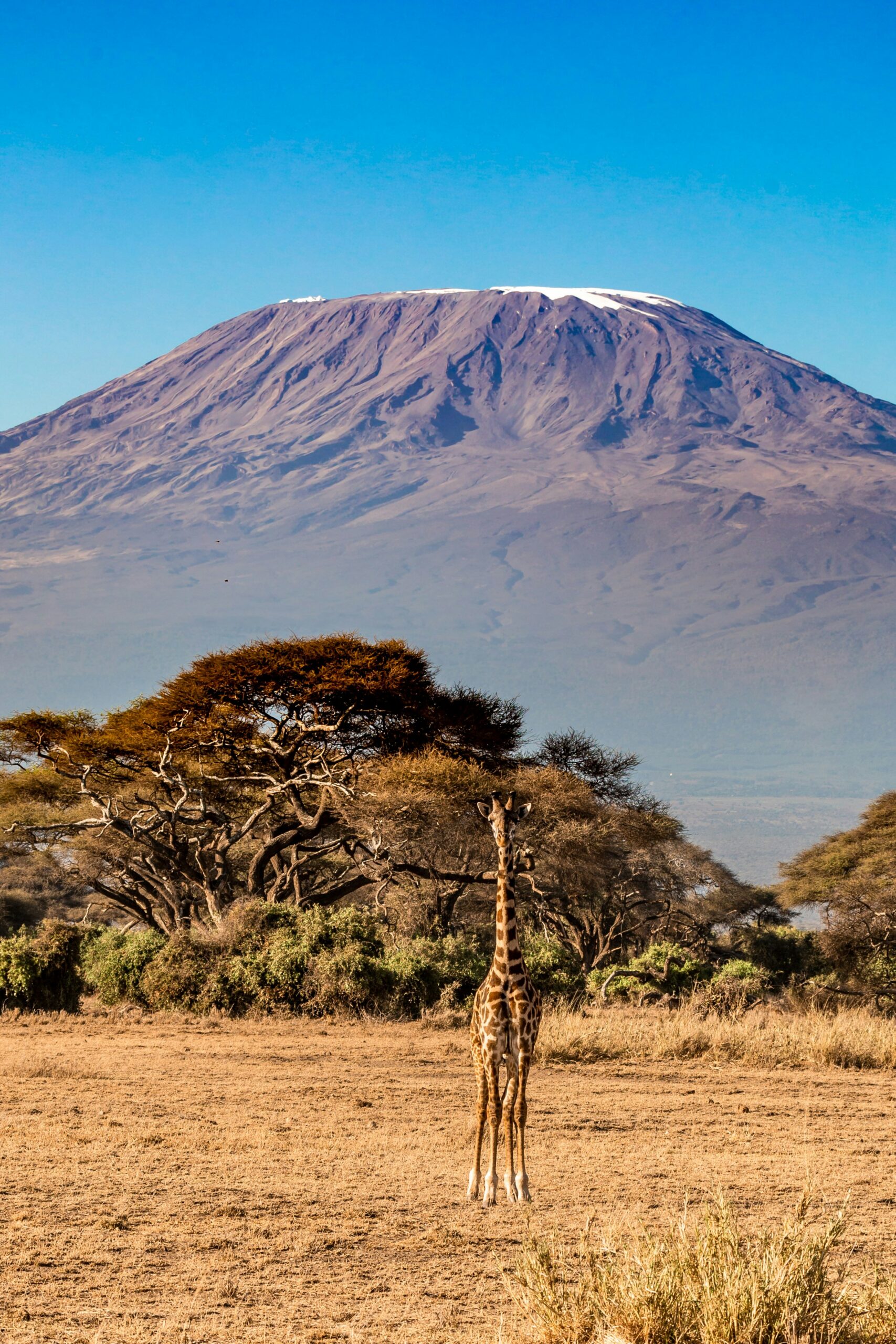
Kilimanjaro’s summit stands at about 5,895 metres, and it rises across the border in Tanzania, but the best views are from Amboseli. Clouds often cover the summit by late morning, so timing is as important as the month. A general guide:
- Clearest: About 6 am to 8:30 am, when the air is cool.
- Second chance: Late afternoon, about 4:30 pm to 6:15 pm.
- Least reliable: Late morning to mid-afternoon, when haze and cloud tend to build.
That is why an early start on at least one morning is non-negotiable if the mountain matters to you. Observation Hill, the only place in the park where you can get out of the vehicle and walk, is an excellent viewpoint.
Best time to visit Amboseli for wildlife, birds and photography
- Elephants and general wildlife: July to October, when animals concentrate at the swamps.
- Birds: December to March, with resident and migratory species, especially waterbirds in the swamps.
- Photography: The green season for skies and light, the dry season for animals near the vehicle.
- Quiet, uncrowded safaris: January to February and May to early June.
- Cheaper trips: April, May and November.
How the seasons affect fees and bookings
Amboseli’s park fee is the same all year, at USD 90 per non-resident adult per day (see our Amboseli National Park fees guide), but accommodation rates, availability and crowding vary. High season is roughly December to March and July to October, with the busiest weeks around Christmas and the July to September holidays. In the green season, you often find the best value, with some camps offering lower rates.
Combining Amboseli with other parks
Amboseli works well with Tsavo, Nairobi and the Masai Mara. If you plan a trip with the Mara, remember that the Mara’s best months for the migration are July to October, which overlap with Amboseli’s dry season. See our guide to the best time to visit the Masai Mara and our Kenya weather by month page to compare.
Getting there and how long to stay
Amboseli is about four to five hours from Nairobi by road, or under an hour by light aircraft from Wilson Airport. Two nights is usually enough to see the highlights, since the park is compact. See our guide to getting from Nairobi to Amboseli for options.
Month-by-month guide to Amboseli
| Month | Weather and landscape | Wildlife and views | Crowds |
|---|---|---|---|
| January | Hot and mostly dry after the short rains | Good game viewing, clear mornings, migrant birds arrive | Moderate after the holidays |
| February | Hottest and driest stretch of the early year | Animals return to the swamps, good Kilimanjaro mornings | Low to moderate |
| March | Rains begin and the plains turn green | Game spreads out, big skies, good birding | Low |
| April | Peak of the long rains, muddy tracks | Harder game viewing, lush scenery, snow-capped Kilimanjaro after storms | Very low |
| May | Rains ease through the month | Green and quiet, some camps reopen at the end | Very low |
| June | Dry and cool | Dry season begins, wildlife gathers at the swamps | Rising |
| July | Dry, dusty and clear | Excellent game viewing and Kilimanjaro views | High |
| August | Dry and dusty | Strong elephant and buffalo sightings at the swamps | High |
| September | Dry and warm | Consistently good viewing | High |
| October | Dry, with first signs of rain late in the month | Good wildlife, end of the dry season | Moderate to high |
| November | Short rains, showers in the afternoon | Green flush, dramatic skies, birds breeding | Low |
| December | Rains ease, festive season | Good birding and lush scenery, mixed cloud | High around Christmas |
Treat these as general patterns. Weather varies from year to year, and the rains do not always arrive on schedule, so ask us for current conditions before you travel.
Which season suits which traveller?
- First-time safari-goers: Choose June to October or January to February for easy driving, plentiful animals and dry weather.
- Photographers: Visit in the dry season for animals near the vehicles, or in the green season for light, clouds and rain-washed mornings with a clear Kilimanjaro.
- Birdwatchers: Go between November and March, when resident and migratory birds are at their best. The swamps hold pelicans, herons, cranes and many raptors.
- Families: The school holidays in July, August and December are busy, so book early. January and February are quieter for families who can travel then.
- Budget travellers: The green season, especially April, May and November, often offers the best prices.
- Couples seeking quiet: January and February, or early June before the high season builds.
What to pack for each season
- Dry season: A scarf or buff for dust, a warm layer for dawn drives, sunscreen, a hat and lens-cleaning kit for your camera.
- Rainy season: A light waterproof jacket, closed shoes, quick-dry clothes and a waterproof bag for electronics.
- All year: Binoculars, insect repellent, a refillable water bottle and neutral-coloured clothes.
Our guide to what to wear on safari gives a fuller list.
Why timing matters more in Amboseli than in bigger parks
Amboseli is small, at about 392 square kilometres, and almost all its wildlife depends on the central swamps. In the dry season the animals have nowhere else to go, so they are concentrated and easy to find. In the wet season, water is everywhere and they spread out across the park and into the surrounding Maasai land. That makes the dry season far more productive for a short stay. In a larger park, such as the Masai Mara or Tsavo, animals are always somewhere, but in Amboseli, the swamps make the difference.
The mountain adds another layer. Because the clouds that cap Kilimanjaro build during the day, a single dawn drive can be the difference between a postcard photograph and a grey sky. Plan on at least one early start, and stay two nights so that you have a second chance if the first morning is cloudy.
Common mistakes when choosing the best time to visit Amboseli
- Booking only one night, which leaves no second chance for the mountain.
- Expecting a clear view in the middle of the day.
- Ignoring the dust in July to September and bringing no protection for cameras.
- Travelling in April or May for wildlife, then being disappointed by the muddy tracks.
- Booking late for the Christmas and July to August peaks, when the best camps fill up early.
Our recommendation
For the widest appeal, we suggest mid-June to October, with a dawn drive on your first morning. For a quieter, still-reliable trip, January and February are an excellent alternative. If you love green landscapes and birds and do not mind some rain, March and November reward you with great light and few other vehicles. Whichever you choose, give Amboseli at least two nights, and consider combining it with Tsavo, Nairobi or the Masai Mara. For help with the practical side, see how to get to Amboseli, and read our guide to the elephants of Amboseli.
Frequently asked questions
What is the best time to visit Amboseli?
June to October is the best overall for wildlife and Kilimanjaro views. January and February are also good, with fewer visitors.
When is Kilimanjaro most visible from Amboseli?
Early morning, from about 6 to 8:30 am, and in late afternoon. June to October and January to February are the most reliable months.
Is Amboseli good during the rainy season?
Yes, if you value green landscapes, birding and lower prices. Animals are more spread out, and tracks can be muddy in April and May.
When is the busiest time in Amboseli?
December to March and July to October, with peaks around Christmas and the July to September school holidays.
How many days do I need in Amboseli?
Two nights is usually enough to see the highlights, including a dawn drive for Kilimanjaro.
What is the weather like in Amboseli?
Average daytime temperatures are about 28 degrees Celsius and nights about 15 degrees. The long rains are March to May, and the short rains November to December.
Not sure which month suits you? Ask our team and we will match your dates to Amboseli.