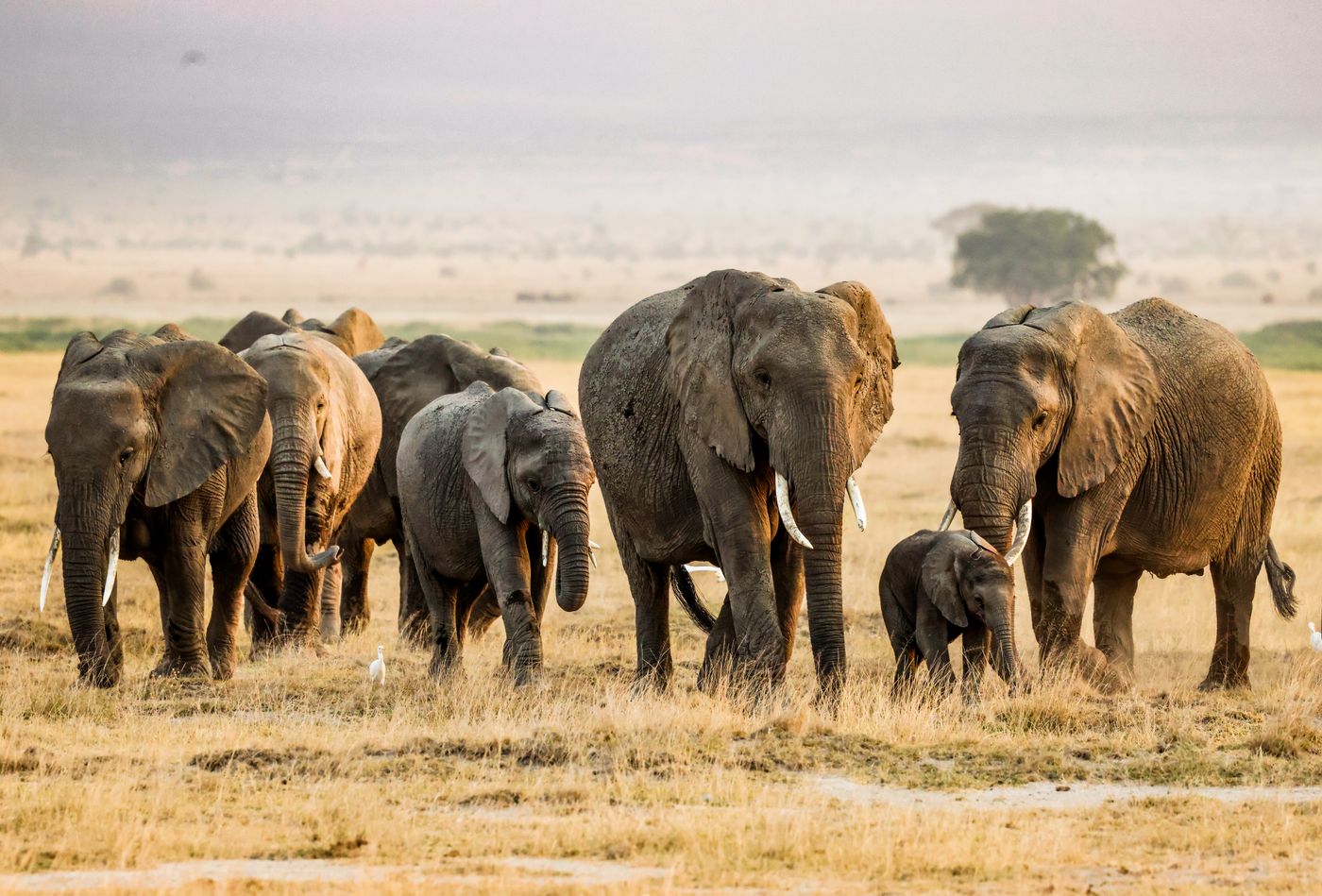
Quick answer: Amboseli is Kenya’s best park for elephants. Large, well-known herds walk across open plains and swamps with Mount Kilimanjaro behind them, and the park has hosted one of the longest elephant studies in the world since 1972.
Amboseli at a glance
| Size | 392 sq km park within an ecosystem of about 8,000 sq km |
|---|---|
| From Nairobi | About 240 km via Namanga: 4 to 5 hours by road or a short flight |
| Park fee (non-resident adult) | USD 90 per day |
| Best for | Large elephant herds with Kilimanjaro (5,895 m) behind them |
| Best months | June to October, and January to February |
| Birds | More than 400 species |
Map data OpenStreetMap contributors. Fees are a planning guide and can change.
Many parks have elephants. Amboseli has elephants you can actually watch for an hour without a tree in the way. This guide covers what makes the herds special, where to find them, how to behave around them and what else lives here.
Why Amboseli elephants are special
The park’s swamps are fed by snowmelt from Kilimanjaro that travels underground, so even in a drought there is water and green grass. Elephants know this, and they return daily. Open ground means clear views, and decades of protection mean the animals are relaxed around vehicles. Many families include big tuskers, a rare sight elsewhere in Africa.
The elephant research project
In 1972 American ethologist Cynthia Moss began studying Amboseli elephants, and the project continues today. Researchers know individual animals and their family trees across generations, which has taught the world a great deal about how elephants communicate, grieve and cooperate. When your guide says an elephant family is known, they often mean it literally.
Where to find them
| Area | What you see |
|---|---|
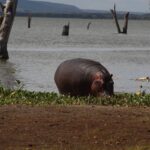
| Swamps and marsh edges | Herds feeding and bathing, hippos, egrets, buffalo |
| Open plains near Observation Hill | Good vantage, elephants with Kilimanjaro at dawn |
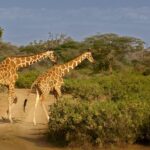
| Acacia woodland | Shade-loving giraffe, impala and baboons |
| Lake Amboseli (dry bed) | Dust devils, zebra, wildebeest and ostrich |
How to behave around elephants
- Turn the engine off and stay quiet.
- Never get between a mother and calf.
- Leave if ears spread wide and the elephant shakes its head. This is a warning.
- Do not stand up or lean out of the vehicle.
- Follow your guide, who reads body language every day.
Other wildlife
Amboseli has lions and cheetahs on the plains, and giraffes among the acacias. Read about lions in Kenya, elephants across Kenya, giraffes and hippos and crocodiles. Birders will find more than 400 species, including 47 raptors.
Plan your visit
For timing, read best time to visit Amboseli. For costs see Amboseli fees 2026, and for the overview see our Amboseli National Park guide. Ask for a quote and one of our specialists will get in touch.
Frequently asked questions
Who studies the Amboseli elephants?
The Amboseli Elephant Research Project, begun in 1972 by ethologist Cynthia Moss, is one of the longest-running studies of wild elephants in the world, and individual families are known by name.
How many elephants are in Amboseli?
The population is in the region of a thousand-plus animals across the wider ecosystem, and herds are easy to see because the open plains give clear views.
Are Amboseli elephants friendly?
They are wild but very used to vehicles. Keep quiet, do not block their path and let your guide manage distance.
What else can I see besides elephants?
Lions, cheetahs, giraffes, zebras, buffalo, hippos and more than 400 bird species.
Where is the best place to photograph elephants with Kilimanjaro?
Open areas near the swamps and Observation Hill at dawn or late afternoon, depending on cloud.