Cooler than most people expect
Many visitors assume Kenya is always hot. In June it is not. This is part of Kenya’s cooler season, and Nairobi and the highlands can feel quite fresh, with chilly early mornings and cloud that burns off by mid-morning. Game drives in open vehicles can be cold at dawn, so a fleece, scarf and light gloves are useful. At the coast it remains warm but is less humid than earlier in the year. Our packing list explains how to layer.
Wildlife and the migration
Timing is variable, but vanguard herds can reach the Mara in late June, and the first dramatic river crossings sometimes begin around then. It is a gamble, not a guarantee. What is guaranteed is excellent resident wildlife viewing. Grass begins to dry out, which makes predators easier to see, and the roads are firming up after the rains. Our guide to the Great Migration and the article on Kenya in July show how the picture builds over the following weeks.
Other parks worth a look
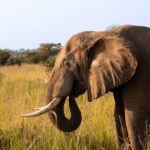
- Amboseli. Dry weather brings elephants into open ground and the mountain views tend to be clear; see the Amboseli guide.
- Samburu. Cooler temperatures make game drives comfortable. Read the Samburu reserve guide.
- Ol Pejeta. A good month for rhinos and chimpanzees; see our Ol Pejeta article.
Prices and crowds
June is considered shoulder season. Rates are usually lower than in July to September, and you are more likely to find availability at the camps you want. Madaraka Day on 1 June is a public holiday, so Nairobi can be busy that weekend, but the parks are generally calm.
Is June right for you?
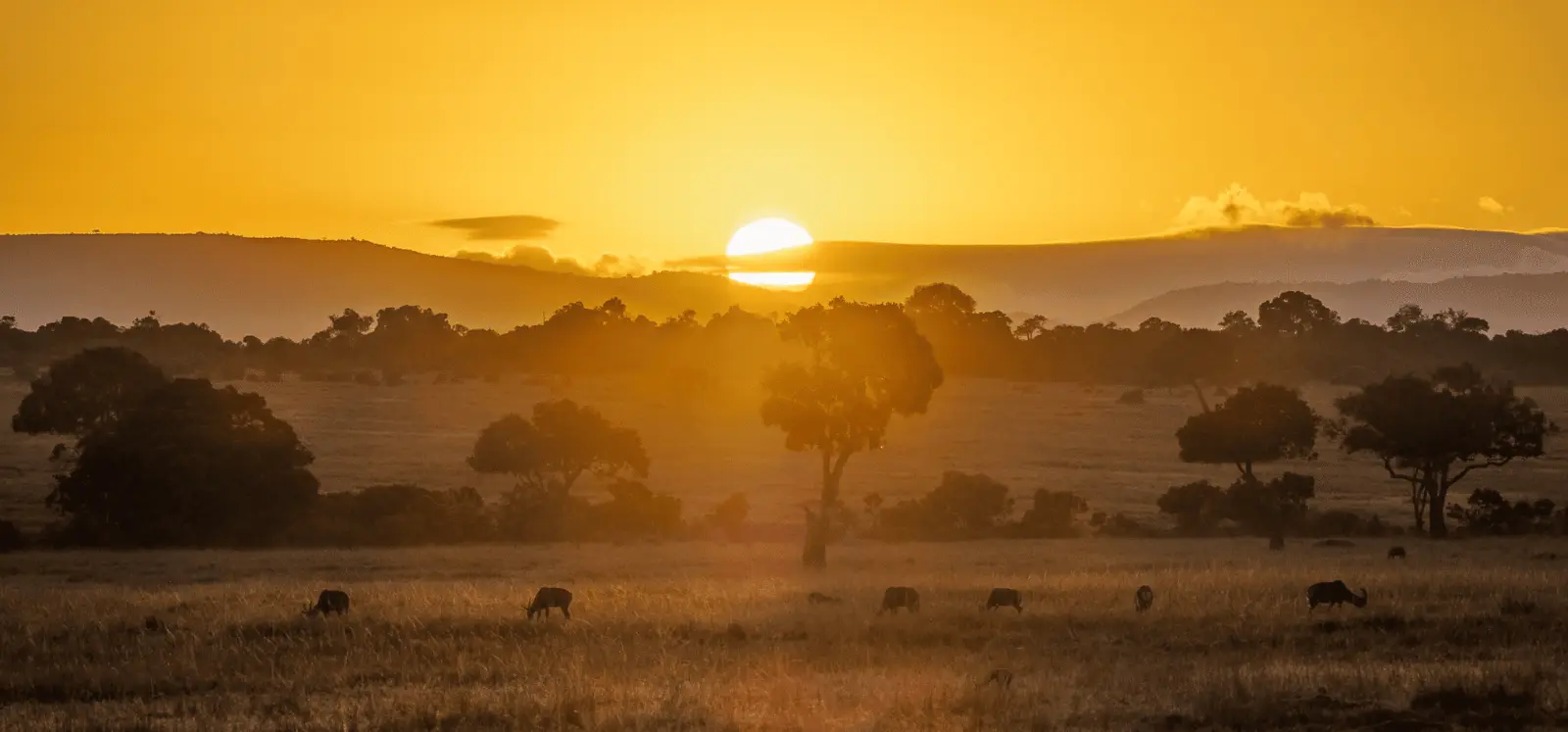
Pick June if you want comfortable weather for hiking, good road conditions and a fair chance of early migration action without paying peak rates. If your heart is set on river crossings, plan for July to September instead; our best time to visit Kenya article compares the options. Whatever you choose, leave room for a long lunch at the lodge and a slow sunset. June light is gentle and golden, and it makes every photograph better.
Quick answers
Is June cold in Kenya?
Mornings in Nairobi and the highlands can be cool, and dawn game drives in open vehicles can be chilly. Days are pleasant and the coast stays warm.
Does the migration reach Kenya in June?
Lead herds can reach the Maasai Mara in late June, but timing varies and crossings are more reliable from July onwards.
Is June cheaper than July in Kenya?
Usually yes. June is shoulder season, so rates tend to be lower than in July to September.
Safaris that fit this guide
These Cherish Africa Safaris trips match what this guide covers. We can adjust any of them to your dates, group size and budget.
- 7 Days Budget Kenya Safari: Maasai Mara, Lakes & Hell’s Gate Adventure
- 3 Days Amboseli Bush Safari Adventure
- 3 Days Amboseli Safari Adventure: Majestic Wildlife & Mount Kilimanjaro Views
Not sure which trip suits you? Browse all our Kenya safari tours or send us an enquiry.
Why Kenya in June is a smart time to travel
Kenya in June is the start of the long dry season, and for many travellers it is the best balance of weather, wildlife and value. The rains of March to May have ended, the landscape is still green, roads are drying out and the skies are clearer. The July to October peak has not yet arrived, so prices are often lower and parks are quieter. Early arrivals of the wildebeest migration may reach the Mara by late June, depending on the year, which can give you a head start on the famous river crossings with fewer crowds.
Weather in Kenya in June
June is cooler than most people expect. Days are pleasantly warm, often twenty to twenty-eight degrees, but nights and early mornings can be chilly, especially in the highlands, the Mara and around Nairobi. Rain is light compared with April and May, but the occasional shower can occur, particularly early in the month. The coast is warm with a breeze from the southeast monsoon, which can make the sea choppy. Pack layers, including a warm fleece and a windproof jacket for early game drives. See our what to wear on safari guide.
Wildlife and the migration in June
In June, the great herds are generally still in the Serengeti, moving north in search of fresh grazing. In some years, the first wildebeest and zebra reach the southern Mara in late June, and by July the numbers build. Do not plan a June trip purely around river crossings, since timing varies. Instead, enjoy the Mara’s resident wildlife: lions, leopards, cheetahs, elephants, hippos and giraffes are present year-round, and predators are active. Read the Great Migration guide for more on timing.
Other parks worth visiting in June
- Amboseli: drier conditions make elephants easier to see, and clearer mornings bring Kilimanjaro views. See the best time to visit Amboseli.
- Lake Nakuru: good for rhinos and birds.
- Samburu: dry-country species and river wildlife.
- Tsavo East and West: green landscapes and elephants. See the Tsavo guide.
- Laikipia: comfortable weather for walking safaris. See the Laikipia guide.
Prices and crowds in Kenya in June
June is often considered the shoulder before the peak. Camp rates may be lower than in July to October, and availability is better, though high-demand camps in the Mara can still book out. Park fees in the Mara are at the lower January to June rate until the end of the month, then rise in July. See our Mara fees guide for details. Flights and car hire are generally easier to book than in peak months.
Is Kenya in June right for you?
Choose June if you want good wildlife, cooler weather, fewer crowds and better value. It suits photographers, couples, families and first-time visitors who do not insist on river crossings. If witnessing the migration at the Mara River is your main goal, consider moving your dates to late July through September. For help choosing, read the best time to visit Kenya guide, or contact our team.
Sample itineraries for Kenya in June
Five days: Mara and Nakuru
Spend one night at Lake Nakuru for rhinos and birds, then three nights in the Masai Mara for big cats, and return to Nairobi on day five. This route gives a strong first taste of Kenya’s wildlife and works well in June, when the roads are drying and crowds are modest.
Seven days: Amboseli, Mara and Nakuru
Begin with two nights in Amboseli for elephants and mountain views, then travel to Lake Nakuru for one night and the Mara for three nights. A flight between parks can save time. See our 6-day itinerary for a similar plan.
Ten days: highlights and the north
Add Samburu and Laikipia to experience dry-country wildlife and private conservancies, then finish in the Mara. Follow our 10-day itinerary for details.
What to pack for Kenya in June
- Layers: T-shirts for the day and a warm fleece or down jacket for early drives, which can be cold.
- A windproof jacket, since open vehicles can feel chilly at speed.
- Long trousers, a hat and sunglasses.
- Closed shoes and warm socks.
- Binoculars and a camera with a zoom lens.
- A scarf or buff for dust and wind.
Our Kenya safari travel checklist includes everything else.
Photography in June
Drier air and clean light make June good for photography. Dawn and dusk give warm colours, while clear skies show off mountains such as Kilimanjaro. Fresh green grass provides a lovely backdrop for animals, and fewer vehicles at sightings make for cleaner compositions. See our safari photography tips for advice on settings and technique.
Practical points for Kenya in June
- Madaraka Day on 1 June is a public holiday, so expect some services to be closed.
- Nights are cold in the highlands. Ask camps whether they provide hot-water bottles.
- Mosquitoes are fewer than in the wet season, but take malaria precautions anyway. See the malaria and health tips.
- Book early for late June if you hope to see the first herds arrive in the Mara.
Kenya in June compared with July and August
Many travellers wonder whether to go in June or wait for July. The main difference is the migration. In July and August, the herds are almost certainly in the Mara, river crossings are likely and camps are at their busiest and most expensive. In June, you may see fewer wildebeest, but you will have more space, lower rates and better availability. If crossings are your priority, July to September is safer. If you want the Mara at its quietest with strong predator viewing, June has a lot to offer. Either way, a good guide matters more than the month.
Common questions about Kenya in June
Is June a good time for a first safari?
Yes. Comfortable weather, good wildlife and moderate prices make it an excellent choice for first-timers.
Will it rain?
Occasional showers are possible, especially in early June, but the long rains are over and most days are dry.
Is it too cold?
Mornings and evenings are cool, particularly in the highlands, but with layers it is comfortable. Camps often provide blankets and hot-water bottles.
Is June good for the beach?
The coast is warm, but the southeast monsoon can make the sea rougher and the weather cloudier. Check forecasts and pick a sheltered area such as Diani or Watamu. See our safari and beach holiday guide.
Our verdict on Kenya in June
June is one of our favourite months. The rain has gone, the grass is green, the air is clear and the parks have breathing space. You may not catch every migration crossing, but you will have wonderful predator sightings, comfortable days and better value. If your dates are flexible, aim for the second half of the month.
Booking Kenya in June
Book camps and flights at least three to four months ahead for the best choice, and earlier for late June, when demand rises. Tell us your priorities and we will recommend the parks and camps that match them, with all fees itemised. Contact our team to start planning.
Plan it with people who live here
We are a Nairobi-based team and every trip starts from our own doorstep. If you would like help turning these ideas into a real itinerary, message us on WhatsApp (+254 794 588 242), write to info@cherishafricasafaris.com, or use our contact form. We usually reply the same day.