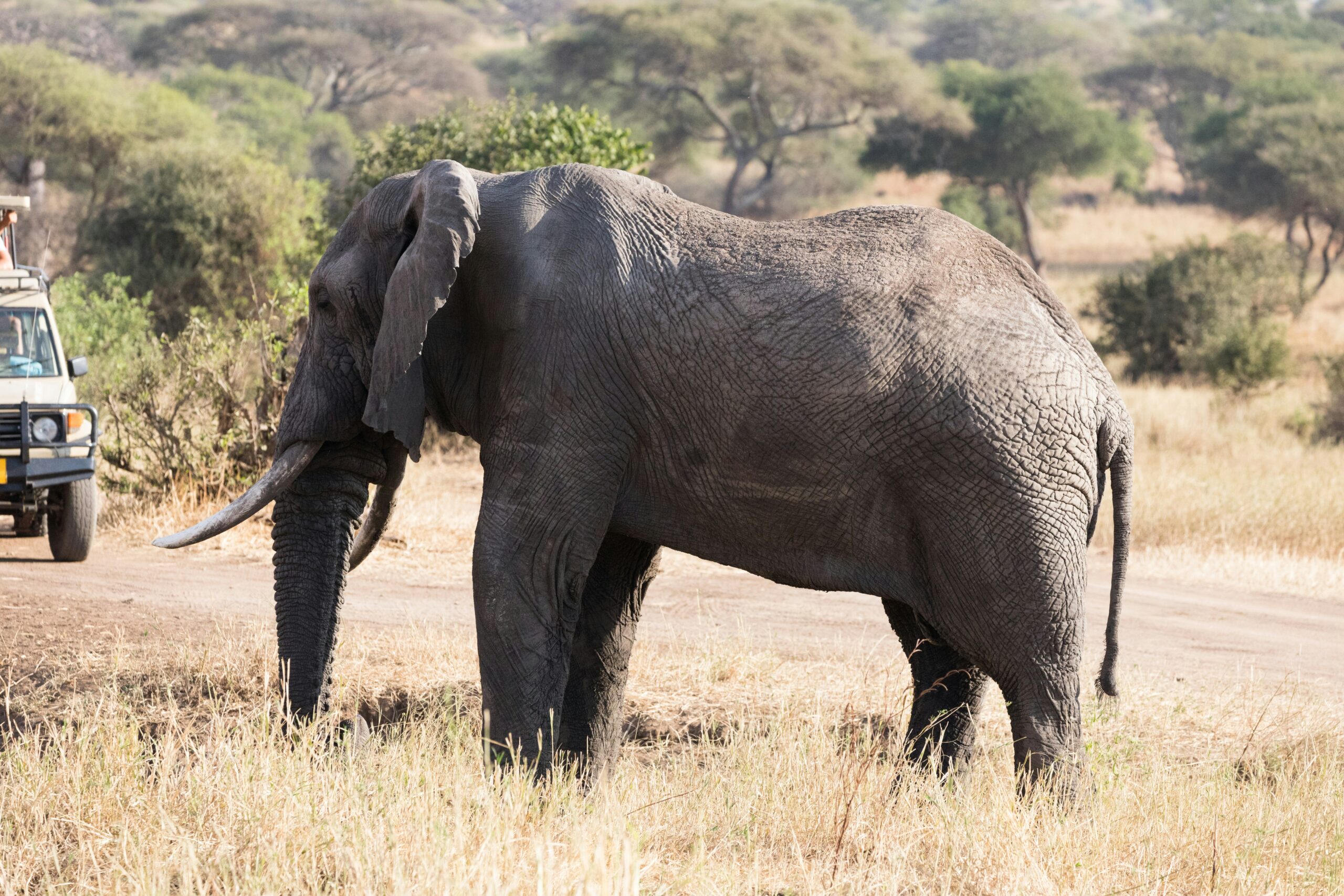
Where to see elephants in Kenya, from Amboseli and Tsavo to Samburu and Lewa, how many there are, and how to watch them safely.
Quick answer: For elephants in Kenya, Amboseli is the best place to get close, with Mount Kilimanjaro behind them. Tsavo has the largest population, and you can also see them in the Mara, Samburu, Laikipia and Lewa. Kenya’s 2021 census counted 36,280 elephants, about 14,964 of them in the Tsavo ecosystem.
Details checked in October 2026.
Where to see elephants
Place
Why go
Amboseli
Open plains, swamps and big herds. Amboseli has one of the longest-running elephant studies in the world, which began in 1972 and is now run by the Amboseli Trust for Elephants. Amboseli guide
Tsavo East and West
The largest population in Kenya, famous for red elephants that dust themselves with the local soil. Tsavo guide
Samburu
Elephants along the Ewaso Ng’iro River, easy to see because the river draws them. Samburu guide
Masai Mara
Herds in the reserve and conservancies. Mara guide
Lewa and Laikipia
About 400 migratory elephants pass through Lewa, which has an underpass where you can watch them cross. Lewa guide
Elephants in Amboseli have been watched for decades and are used to vehicles, so you can often sit quietly while a family walks past a few metres away. Swamps keep them in the park in the dry season. On a clear morning, Kilimanjaro rises behind them, which is the photograph many guests come for. Sunrise is usually the clearest time, so book a dawn drive.
How elephant herds work
A herd is a family led by an older female, the matriarch, and it includes her sisters, daughters and young. Adult males leave and live alone or in loose bachelor groups. Calves are born after a pregnancy of about 22 months and stay close to the herd for years. Matriarchs remember water sources and routes, which is why losing older females hurts a population.
Elephants in Tsavo: the red giants
Tsavo’s elephants look red because they dust-bathe in the iron-rich soil. The park’s elephant population has risen, from 11,217 in 2014 to 14,964 in the 2021 census. The bush is thicker than Amboseli, so sightings need patience, and the best viewing is near waterholes and rivers in the dry season. Our 8 day safari from the Mara to Tsavo’s red elephants follows this idea.
Best time to see elephants
Dry months, from June to October and January to February, bring elephants to rivers, swamps and waterholes. During the long rains, in April and May, they spread out across the landscape and are harder to find. See best time to visit Kenya.
How to behave around elephants
Stay in the vehicle and keep quiet. Raised ears, a shaking head or a mock charge are warnings.
Keep your distance from mothers with calves.
Never block an elephant’s path. Your driver will reverse if needed; let them.
Kenya’s elephant numbers have recovered from the poaching crisis of the 1970s and 1980s, but pressure on land and human-elephant conflict remain. Community conservancies, fenced corridors and the work of groups such as the Sheldrick Trust help. Our responsible safari guide explains how to choose trips that help.
Photography tips
Use a longer lens for portraits and a shorter one for the whole herd with Kilimanjaro. Shoot at eye level when possible, and watch for dust and mud bathing. See safari photography tips.
Our advice: If elephants are the main reason you are coming, stay at least two nights in Amboseli and be in the park at sunrise. We would add Tsavo only if you have a few extra days.
Safaris that fit this guide
These Cherish Africa Safaris trips match what this guide covers. We can adjust any of them to your dates, group size and budget.
Kenya’s elephant numbers have recovered after the poaching crisis of the 1970s and 1980s, when the population fell sharply. According to the national wildlife census published in 2021, Kenya holds roughly 36,000 elephants, spread across several large ecosystems. The Tsavo ecosystem holds the largest single group, with roughly 15,000 elephants across Tsavo East and West and the surrounding rangelands. The Greater Mara ecosystem, Laikipia and Samburu, and the Mount Kenya and Aberdare forests hold most of the rest. Numbers change over time, so treat these figures as a guide rather than an exact count. The recovery is a conservation success story, but it also brings pressure: elephants need space, and conflict with farmers is a growing challenge.
Where to see elephants in Kenya: a park-by-park summary
Amboseli National Park: famous for large herds with big tusks, often seen against Kilimanjaro. The long-running research on Amboseli’s elephants has made them among the best-known in the world. See the Amboseli elephants guide.
Tsavo East and Tsavo West: the ‘red elephants’, which look rusty because they dust themselves with the red soil. See the Tsavo East guide and Tsavo East and West guide.
Masai Mara: good numbers, especially along rivers and in woodland, and they often walk past safari vehicles at close range.
Samburu and Buffalo Springs: elephants gather along the Ewaso Ng’iro River in the dry season.
Laikipia and Ol Pejeta: elephants roam wide conservancies and often use private land.
Shimba Hills and the Aberdares: forest elephants, which are harder to see but rewarding for patient visitors.
Elephants in Kenya: behaviour you can watch for
Elephants live in family groups led by an older female, the matriarch, who remembers water sources and dangers learned over decades. Calves stay with their mothers for years and are helped by aunts and older sisters. Bulls leave the herd as adolescents and live alone or in small bachelor groups. You may see elephants dust-bathing, spraying water over their backs, feeding on acacia branches or digging for water in dry riverbeds. Flapping ears help them cool, while a raised trunk smelling the air tells you they are checking for danger. Learn to read these signs and your sightings become more meaningful. Our elephant orphanage guide explains how orphaned calves are raised and returned to the wild.
Staying safe around elephants
Elephants are gentle on the whole, but they are wild and powerful. Stay inside your vehicle, keep your engine off when they are close and never block their path. If an elephant flaps its ears, shakes its head or trumpets, the vehicle should back away calmly. Be especially careful around mothers with calves and bulls in musth, a period of raised hormones that makes males unpredictable. Never feed elephants or throw objects. Your guide will read the animals and choose a safe distance. Follow instructions quickly, because a wrong move can put both you and the animals at risk.
Best time to see elephants in Kenya
Dry months bring elephants to rivers, swamps and waterholes, which makes them easy to find. In Amboseli, the best sightings come in the dry season from June to October, and again in January and February. Tsavo is spectacular after the rains, when the red soil turns green, though the elephants are easier to spot in the drier months. In Samburu, the river draws herds in dry weather. Photographers also like the weeks just after rain, when the light is clear and the grass is fresh. Check the best time to visit Kenya guide for wider timing advice.
How to choose a trip to see elephants in Kenya
For classic photographs with Kilimanjaro, choose Amboseli, ideally for two nights. For a wilder, less crowded feel, choose Tsavo East or West. For a trip that includes other big game, pair elephants with the Masai Mara. If you want a combination of both big herds and variety, consider a route such as Amboseli and Tsavo West. Compare parks in our guide Mara vs Amboseli vs Tsavo, and check park entry costs in the park fees guide. For help creating a custom itinerary, contact us.
Elephant facts that make safaris more interesting
African elephants are the largest land animals on Earth, and an adult can eat well over a hundred kilograms of vegetation a day.
A pregnancy lasts about twenty-two months, the longest of any land mammal, and calves are born weighing roughly a hundred kilograms.
Elephants communicate with low-frequency rumbles that travel long distances through the ground and air.
Their trunks contain tens of thousands of muscles and can pick up a coin or uproot a small tree.
Tusks keep growing throughout life, and elephants are usually right- or left-tusked, like people are right- or left-handed.
Threats to elephants in Kenya and how tourism helps
Poaching for ivory is still a threat, though Kenya has cut it sharply through better enforcement, rangers, intelligence and community involvement. Loss of habitat and conflict with farmers are now among the biggest challenges, as growing human populations take over migration routes. Drought also kills elephants, especially calves. Tourism supports conservation through park fees, conservancy payments and jobs for local communities. You can help by choosing licensed operators, following park rules, and staying at camps that employ and support nearby residents. Read our responsible safari guide for practical ideas.
Elephants in Kenya: what to expect on your own safari
Elephant sightings are among the most reliable on a Kenya safari, but the quality of the encounter depends on patience. A guide who knows the herds can anticipate where they will cross a road or drink at a waterhole, and a quiet vehicle lets the animals behave naturally. Early mornings and late afternoons are best, when herds move between feeding and resting areas. Bring binoculars for watching calves play, and a zoom lens for portraits. Above all, be present: watching a family of elephants cross a plain is something you will remember long after the photographs fade.
Frequently Asked Questions
Where is the best place to see elephants in Kenya?
Amboseli National Park, where herds walk in front of Mount Kilimanjaro. Tsavo has the largest numbers.
How many elephants are there in Kenya?
The 2021 national wildlife census counted 36,280 elephants, with about 14,964 in the Tsavo ecosystem.
Why are Tsavo elephants red?
They dust-bathe in the iron-rich red soil, which colours their skin.
When is the best time to see elephants?
The dry months, June to October and January to February, when elephants gather near water.
Is it safe to watch elephants on safari?
Yes, if you stay in the vehicle, keep quiet and give mothers with calves plenty of space.
Plan it with people who live here
We are a Nairobi-based team and every trip starts from our own doorstep. If you would like help turning these ideas into a real itinerary, message us on WhatsApp (+254 794 588 242), write to info@cherishafricasafaris.com, or use our contact form. We usually reply the same day.
Francis Magere
Specialist Safari Content
Francis writes and curates the safari guides, destination features and travel tips on this site. Working with the Cherish Africa Safaris team in Kenya, he turns first-hand knowledge of the parks, wildlife seasons and routes into clear, practical advice, so you can plan your safari with confidence.
Have a question about a destination or an itinerary? Write to him directly.
To provide the best experiences, we use technologies like cookies to store and/or access device information. Consenting to these technologies will allow us to process data such as browsing behavior or unique IDs on this site. Not consenting or withdrawing consent, may adversely affect certain features and functions.
Functional Always active
The technical storage or access is strictly necessary for the legitimate purpose of enabling the use of a specific service explicitly requested by the subscriber or user, or for the sole purpose of carrying out the transmission of a communication over an electronic communications network.
Preferences
The technical storage or access is necessary for the legitimate purpose of storing preferences that are not requested by the subscriber or user.
Statistics
The technical storage or access that is used exclusively for statistical purposes.The technical storage or access that is used exclusively for anonymous statistical purposes. Without a subpoena, voluntary compliance on the part of your Internet Service Provider, or additional records from a third party, information stored or retrieved for this purpose alone cannot usually be used to identify you.
Marketing
The technical storage or access is required to create user profiles to send advertising, or to track the user on a website or across several websites for similar marketing purposes.