For the first time in years, Kenya has a number it can trust. The Kenya wildlife census 2025, launched on 11 December 2025 by the Wildlife Research and Training Institute (WRTI), counted the country’s animals from the air, on the ground and by camera trap over about fourteen months. The headline is good: more elephants, giraffes and rhinos than at the last count. The fine print is not: cheetahs and wild dogs have roughly halved, the buffalo count has fallen and some of Kenya’s rarest antelopes are down to a few dozen animals. This is what the numbers say, what they leave out and what they mean if you are planning a safari.
How the 2025 Kenya wildlife census worked
The survey ran from June 2024 to August 2025. It combined roughly 1,500 hours of aerial surveys with ground counts and camera trapping, and used modelling to avoid counting the same animals twice. Separate coastal and marine assessments picked up species that planes cannot see. It compares against the 2021 count, which makes it a four-year snapshot.
The good news: elephants, giraffes and rhinos
| Species | 2025 census | 2021 count |
|---|---|---|
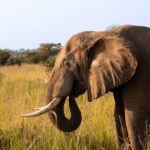
| Elephants | 41,952 | 36,280 |
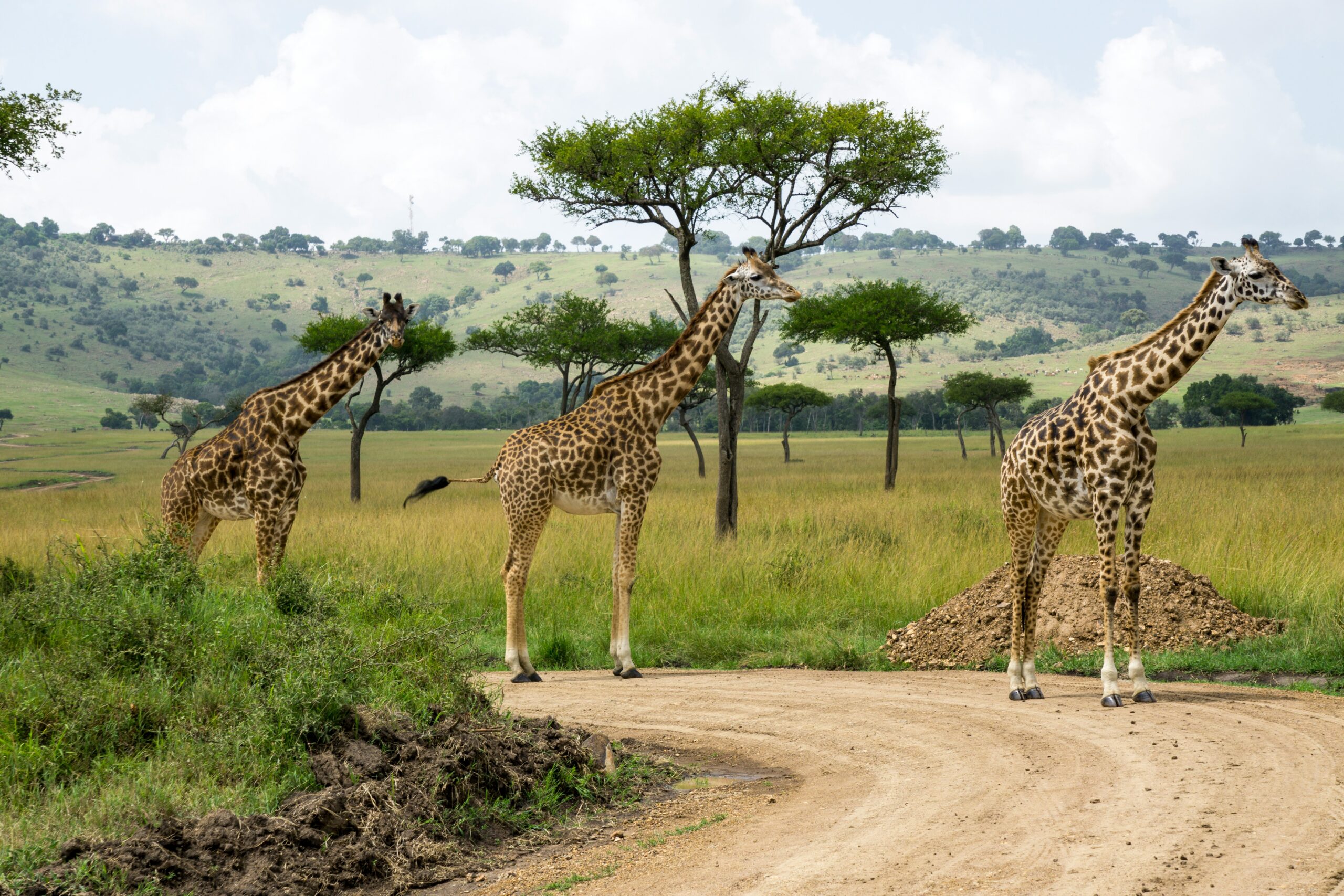
| Giraffes | 43,002 | 35,355 |
| Rhinos (black and white combined) | 2,102 | 1,812 |
Press coverage has quoted different growth figures, with elephant growth reported anywhere from about 4 percent to about 16 percent depending on which baseline outlets used. The raw counts above are the safest numbers to quote. Whichever way you read them, all three species have moved in the right direction. Anti-poaching work and habitat protection are credited for the gains in elephants and rhinos.
For visitors this is welcome news. Amboseli, Tsavo and the Mara all have strong elephant populations; read our elephant guide. Rhinos are doing well in protected sanctuaries such as Lewa, Ol Pejeta and Lake Nakuru, which you can read about in our rhino guide. Giraffes are covered in our giraffe guide.
The predators: lions, cheetahs and wild dogs
The census put Kenya’s lions at 2,512, cheetahs at 605 and African wild dogs at 310. Reporting on the census says cheetah and wild dog numbers have roughly halved over the last four years, while the lion count has declined too. These are the animals most affected by lost habitat and conflict with livestock owners, and they need very large, connected ranges to hunt.
If you are hoping to see big cats, the Mara and its conservancies still offer some of the best chances in Africa. Read about lions, cheetahs and leopards. Wild dogs are rare and mostly seen in Laikipia.
Buffalo: a drop that needs context
Rangeland buffalo were counted at 27,389, down from 41,659. That is a big fall on paper. The report itself notes that the figure may reflect seasonal differences in when and where surveys were flown, not just a true decline, so it is one to watch rather than to panic over. Buffalo are an important part of the Big Five; see the Big Five guide.
Grevy’s zebra and Kenya’s rarest antelopes
| Species | Count | Note |
|---|---|---|
| Grevy’s zebra | 2,465 | Dropped, no baseline given |
| Mountain bongo | 176 | Small, fragmented population |
| Hirola | 245 | Fell sharply |
| Sable antelope | 40 | Down from 51 |
| Roan antelope | 21 | Critically low |
These are the species that conservationists are most worried about. Grevy’s zebra, with its narrow stripes and large round ears, is found mainly in Laikipia and Samburu; read our zebra guide. The antelopes are covered in our field guide to antelopes.
Waterbirds: the silent collapse
Populations of wetland waterbirds at 11 key sites fell by around 80 percent. That is the sharpest decline in the report. Wetlands hold flamingos, pelicans, storks and ibises, and they are also the first places to suffer from drought, drainage and pollution. See our birdwatching guide to see what is at stake.
What the report recommends
- Protecting and restoring wildlife corridors so animals can move between parks.
- Relocating settlements that have grown close to conservation areas.
- A proposed ban on hotels along buffalo migration routes in the Mara.
It also points to rising human-wildlife conflict as a general concern, which is why community conservancies matter; read our Mara conservancies guide.
What the census means for your safari
- Big herds of elephants and giraffes are easy to find in Amboseli, Tsavo and the Mara.
- Cats take more patience. The Mara is still the best bet, and a good guide matters.
- Rare species are best seen in sanctuaries and conservancies that protect them.
- Your fees help. Park entry and conservancy fees pay for rangers and surveys such as this one. Read how in how safari tourism funds conservation.
How to read a wildlife census
A census like this is an estimate, not a head count. Aerial surveys are very good at counting large animals in open country, such as elephants, giraffes and buffalo, and weaker at animals that live in dense forest, hide in thickets or move at night. That is why this survey also used ground counts and camera traps, and why rare, secretive species come with wider margins of error than elephants do. Timing matters too: a survey flown in the wet season can find animals spread across a huge area, while a dry-season survey finds them concentrated near water. When a number changes sharply, ask whether the animal has really declined or whether it was simply somewhere else on the day.
Species by species: what to expect on safari
| Animal | Census result | On safari |
|---|---|---|
| Elephant | 41,952, up from 36,280 | Easy in Amboseli, Tsavo and the Mara |
| Giraffe | 43,002, up from 35,355 | Common in the Mara, Nakuru, Naivasha and Laikipia |
| Rhino | 2,102, up from 1,812 | Best in sanctuaries such as Lewa, Ol Pejeta and Lake Nakuru |
| Lion | 2,512 | Reliable in the Mara and Amboseli |
| Cheetah | 605 | Best in the Mara; needs patience |
| Wild dog | 310 | Rare; mostly Laikipia |
| Buffalo | 27,389, down from 41,659 | Still common; one of the Big Five |
| Grevy’s zebra | 2,465 | Samburu and Laikipia |
Why the news is mixed
The gains show that protection works when it is funded and enforced. Elephants and rhinos have benefited from years of anti-poaching work, intelligence-led policing and secure sanctuaries. The losses show the limits of that approach. Cheetahs and wild dogs need huge areas that stay connected, and they are caught by fences, roads, farms and conflict with herders in a way that elephants, protected in big parks, often are not. Wetland birds are suffering because water, not land, is the scarce resource. This is why the report puts so much stress on corridors, land-use planning and community involvement, not just rangers.
What to do with the numbers
- If you are planning a trip: do not change your plans because of the census. The parks are full of animals, and your visit is part of what pays for monitoring and protection.
- If you care about cats: choose camps in conservancies with low vehicle numbers, where big cats are less disturbed. Read our conservancies guide.
- If you want to help: support operators who hire locally and pay conservancy fees. Our responsible safari guide explains what to look for.
Frequently asked questions
When was the Kenya wildlife census 2025 released?
The report was launched on 11 December 2025. The survey itself ran from June 2024 to August 2025.
Who carried out the census?
The Wildlife Research and Training Institute (WRTI), using aerial surveys, ground counts and camera traps.
How many elephants are in Kenya?
The 2025 census counted 41,952 elephants, up from 36,280 in the 2021 count.
How many lions are left in Kenya?
The census counted 2,512 lions, along with 605 cheetahs and 310 African wild dogs.
Which Kenyan species are declining the most?
Cheetahs and wild dogs, which have roughly halved in four years, wetland waterbirds (down about 80 percent at key sites) and rare antelopes such as sable and roan.
Want to see the animals the census counted? Talk to our team.