
Kenya Safari With Kids: A Real Parent’s Planning Guide
Every year we get a version of the same email: “We’d love to bring the kids, but is it actually a good idea?” It’s a fair question, and it deserves a better answer than a marketing brochure gives you. A Kenya safari with young children can be one of the best trips a family ever takes together — or a stressful one, if you book the wrong camp, skip the health prep, or expect a toddler to sit through a three-hour game drive. This guide is the honest version: what actually varies by camp, what the real health precautions are (sourced from the CDC and independent UK travel-health authorities, not guesswork), and how to plan around your kids’ ages rather than in spite of them.
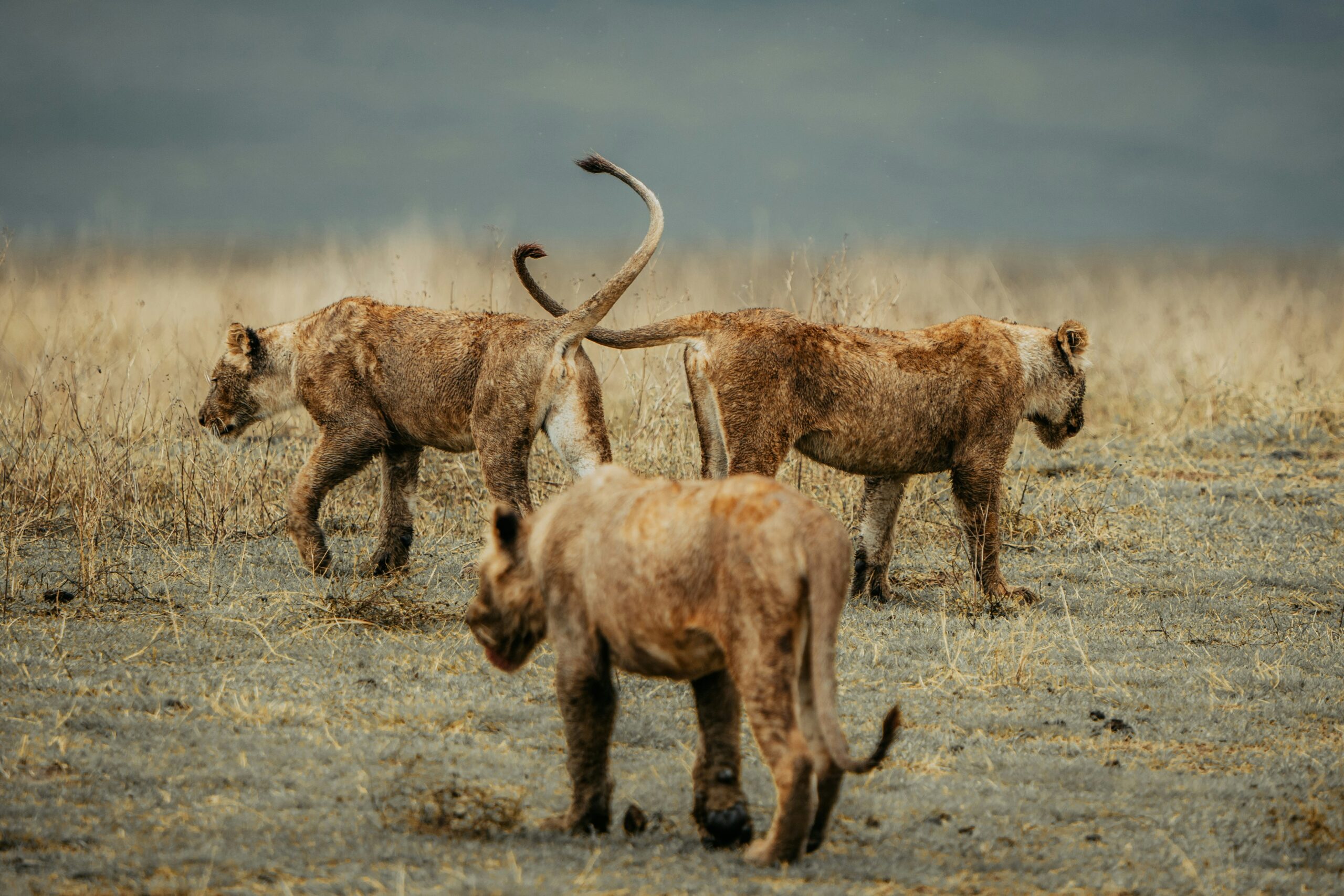
Is Kenya a Good Safari Destination for Kids?
Yes, for most ages, and often better than parents expect. Kenya’s safari circuit has decades of experience hosting multi-generational family trips, short flight times between camps, and — critically — a growing number of properties that build their entire program around families rather than tolerating children as an afterthought. The trip that works well is rarely a generic itinerary with kids squeezed in; it’s one built specifically around your children’s ages, attention spans, and what actually interests them.
What Age Can Children Go on a Kenya Safari?
There’s no single national age rule — this is set camp by camp, and it varies more than most parents assume. As a general pattern across the industry: many lodges and camps set a minimum age of 5 to 7 for game drives, some family-oriented camps welcome children of any age (including infants) with private vehicles and dedicated guides, and a number of exclusive-use or walking-safari camps set the bar higher, often 12 or 16, because of proximity to dangerous game on foot.
Because this varies so much — and changes without much notice — treat any age figure you read online, including this one, as a starting point rather than a booking decision. Always confirm the specific camp’s current policy directly before you commit dates, especially if you’re traveling with a child under 6.
How Long Should Game Drives Be With Young Kids?
Plan for shorter, more frequent outings rather than the classic dawn-to-dusk drive. A general guideline that works well in practice: 1.5 to 2.5 hours per drive for children under 8, with a flexible return-to-camp option if a child hits their limit, versus the traditional 3-4 hour drives adults often prefer. This is one of the clearest reasons a private vehicle matters more with kids than with any other traveler type — a shared game-drive vehicle with strangers has no flexibility to turn back early or skip a long detour when a five-year-old has had enough.
Is Malaria a Serious Risk for Children on a Kenya Safari?
It depends heavily on exactly where in Kenya you’re going, and this is worth understanding properly rather than glossing over. According to the UK’s National Travel Health Network and Centre (NaTHNaC), Kenya has two genuinely distinct risk zones: Nairobi city and highland areas above roughly 2,500 metres carry very low malaria risk, where bite avoidance alone is generally sufficient, while most other areas of the country — including the Maasai Mara and Tsavo, the two regions where the overwhelming majority of family safaris actually happen — sit in the high-risk zone, where antimalarial medication is recommended (NaTHNaC).
That means the honest answer for a typical Kenya family itinerary (Nairobi plus the Mara, or Nairobi plus Amboseli or Tsavo) is that your children will spend most of the trip in a genuine malaria-risk area, and prevention needs to be taken seriously rather than treated as a formality.
The CDC’s own clinical guidance sets out which antimalarial drugs are actually appropriate by age and weight, and it’s more specific than most travel blogs let on:
| Drug | Who it’s approved for | Key restriction |
|---|---|---|
| Atovaquone-proguanil | Children weighing 5 kg (11 lb) and up, pediatric tablet available | Dosing under 11 kg (24 lb) is off-label use in the US |
| Chloroquine or mefloquine | Infants and children of any age or weight | Only where local resistance patterns allow (a doctor confirms this for your specific route) |
| Doxycycline | Children aged 8 and older only | Not used in younger children — risk of tooth discoloration and bone growth effects |
| Primaquine | Children traveling to areas with mostly P. vivax malaria | Requires a G6PD blood test first to rule out a reaction |
(Source: CDC Yellow Book, Malaria)
Pediatric antimalarial doses are calculated strictly by body weight and should never exceed the adult dose — this is exactly the kind of detail to bring up with a travel health clinic or pediatrician 4-6 weeks before departure, not something to self-diagnose from a blog post (including this one). For very young infants, both the CDC and NaTHNaC guidance point in the same practical direction: where travel to a high-risk area with a very young baby can reasonably be delayed, that’s worth weighing seriously against the trip dates.
Does My Child Need the Yellow Fever Vaccine for Kenya?
This depends on your child’s age and where you’re traveling from, and it’s an area where the guidance is unusually specific. The CDC recommends yellow fever vaccination from 9 months of age onward for travel to at-risk areas (CDC Yellow Book). Below that age, the guidance gets more nuanced:
Infants under 6 months should not receive the vaccine at all — early clinical studies found a real, if rare, risk of vaccine-associated encephalitis in this age group. For infants between 6 and 8 months, the CDC guidance calls for “careful consideration of risk at destination and ability of caregivers to prevent mosquito bites” before vaccinating — in plain terms, a conversation with a travel medicine doctor about your specific route and dates, not a default yes or no.
In practice, this is one of the more common reasons families with a baby under 9 months choose to delay a Kenya trip by a few months rather than navigate the vaccine question at that age. It’s a completely reasonable call, and one we’d rather tell you honestly than have you discover after booking.
What About Insect Repellent for Babies and Toddlers?
Repellent matters as much as medication, especially in the evenings when mosquitoes are most active around camps. The American Academy of Pediatrics’ general guidance: DEET-based repellents are the most studied and effective option, with 10% DEET giving roughly 2 hours of protection and 30% giving about 5 hours — concentrations above 50% don’t add meaningful extra protection, so there’s no benefit to reaching for the strongest bottle on the shelf (HealthyChildren.org, AAP).
One restriction worth knowing before you pack: products containing oil of lemon eucalyptus (OLE) or PMD should not be used on children under 3 years old. For infants and very young toddlers, the AAP’s guidance is to weigh the real risk of insect-borne illness against the amount of product used, and to be especially cautious with newborns and premature infants specifically. This is a conversation worth having with your pediatrician before you travel, not something to decide from a packing list.
Which Kenya Parks and Camps Work Best for Families?
The private conservancies bordering the Maasai Mara National Reserve tend to work better for families than the reserve itself, for a specific reason: conservancies allow off-road driving, night drives (in most cases, age-restricted — see below), and walking activities, which the public reserve does not. That flexibility matters when you’re trying to keep a restless 7-year-old engaged, or when a toddler falls asleep mid-drive and you’d rather head back than push through a fixed route.
Beyond the Mara, Amboseli’s classic elephant-and-Kilimanjaro scenery tends to hold younger children’s attention well simply because the wildlife viewing is so visually dramatic and close, while Tsavo’s larger distances and longer transfer times generally suit families with older children better than toddlers.
Whichever region you choose, the deciding factor for a family trip is rarely the park name — it’s whether the specific camp runs junior ranger programs, has family tents or interconnecting rooms, sets a sensible minimum age for its own drives, and is willing to build a shorter, kid-paced schedule rather than the standard adult one. Ask about all four before you book, not just the first.
Should Kids Go on Night Game Drives?
Generally, no — and most camps that offer night drives set their own minimum age for exactly this reason, commonly somewhere between 12 and 16. Night drives run later, involve more sitting still in the dark waiting for nocturnal species to appear, and are simply a harder sell for a young child’s attention span than a bright, animal-dense morning drive. If a night drive is something your older children are keen on, it’s worth asking your camp about their specific age policy directly. [LINK → your Night Game Drives post] goes into what these drives are actually like and who tends to enjoy them most.
What Should We Pack for a Family Safari in Kenya?
Beyond the standard adult safari packing list, a few kid-specific additions make a real difference: a first-aid kit with children’s-dose fever and pain medication (dosed for your child’s current weight, checked with your pediatrician before you go), any prescribed antimalarial medication with a few days’ buffer supply in case of delayed flights, kid-appropriate sun hats and SPF 50 sunscreen (East African sun at altitude is stronger than most parents expect), a small pair of binoculars per child (genuinely improves engagement more than almost anything else), and snacks that survive heat and long drives without melting.
So, Is a Kenya Safari With Kids Worth It?
For most families, yes — with the right camp and the right prep. If your children are under 5, look specifically for camps with no minimum age, private vehicles, and flexible schedules, and have the yellow fever and malaria conversation with a travel health clinic well before booking. If your children are 6 to 12, you have the widest range of camps and activities open to you, and this is genuinely the age range where safari tends to make the deepest impression. If your children are teenagers, walking safaris and night drives become realistic options that weren’t available a few years earlier, and Kenya’s range of activities can rival an adult-only trip.
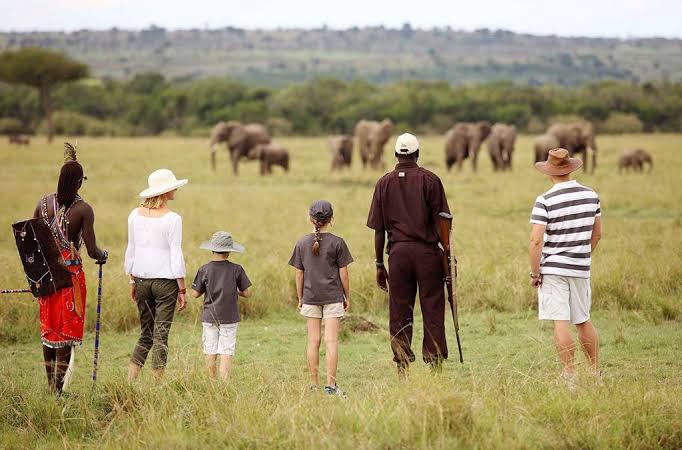
Tell us your children’s ages, your dates, and what matters most to you — good wildlife odds, minimal flight time, a specific camp style — and we’ll tell you honestly which parks and camps actually fit, and which don’t, before you book anything.
Frequently Asked Questions
What is the minimum age for a Kenya safari? There’s no single national minimum — it’s set by each camp, and ranges from no minimum at all (with a private vehicle) up to 12 or 16 at some walking-safari and exclusive-use properties. Always confirm directly with your specific camp.
Is malaria medication necessary for kids on a Kenya safari? In most safari areas, yes — Nairobi and the highlands are low-risk, but the Maasai Mara, Amboseli, and Tsavo are all in Kenya’s high-risk malaria zone according to independent UK travel health guidance. Which specific medication is appropriate depends on your child’s age and weight, and should be confirmed with a doctor or travel health clinic.
Do babies need the yellow fever vaccine for Kenya? Only from 9 months of age under standard CDC guidance. Infants under 6 months should not receive it, and 6-8 months requires individual risk assessment with a doctor. Some families with very young babies choose to delay travel until this becomes more straightforward.
Are night game drives safe for children? Most camps that offer night drives set their own minimum age, typically 12-16, largely because young children struggle to stay engaged through a slower, darker drive rather than for safety reasons specifically. Ask your camp directly.
What’s the best age to take kids on their first Kenya safari? There’s no single “best” age — camps built for young children can make a trip work well from infancy, while camps without that infrastructure are a much better fit from around 6 upward. The right camp for your children’s specific age matters more than the age itself.
Written by Francis. Traveling with young children and not sure which camps actually fit? Get in touch and tell us their ages — we’ll tell you honestly which properties work and which don’t.