What to expect from the weather
Early March is warm, with dusty savannah and clear mornings. As the month goes on, afternoon thunderstorms become more likely, especially in the highlands and around the Maasai Mara. The rain rarely falls all day. It tends to arrive as a heavy burst, then clear, leaving the grass noticeably greener within days. The pattern varies from year to year, so treat any calendar as a guide and not a promise. Our best time to visit Kenya guide explains how the seasons usually line up.
Wildlife in March
Game viewing is still productive. In the Mara you can expect lion prides, elephants, buffalo, hyenas and a great deal of birdlife, and fresh green grass attracts plains game such as zebra, topi and gazelles. Young animals are a feature of this period. The migration herds are in the southern Serengeti, so this is not a river-crossing month. If that is your priority, read our Great Migration guide before choosing dates.
Amboseli is a pleasant choice in early March, when the swamps still hold elephants and Kilimanjaro is often visible at dawn. Later in the month cloud can hide the mountain more often. Read our Amboseli guide for how to get the best chance of a clear view.
Why March can be good value
Many lodges lower their rates towards the end of March because the main tourist season is over. You may find upgrades or longer stays for the same price. Vehicles are fewer at sightings, so you get more time to watch behaviour rather than queue for a view.
Things that need care
- Roads in the Mara. The black cotton soil gets sticky when it rains. A good driver-guide and a properly equipped 4×4 matter more than ever.
- Camp closures. A few lodges close for maintenance from April, so book early if you have a favourite.
- Light rain gear. A thin waterproof jacket is enough; see our packing list.
Other ideas for March
The coast can be very hot and humid before the rains, which suits swimming and snorkelling in the morning. Birdwatchers will still find migrants on the Rift Valley lakes; see our birdwatching guide for spots worth visiting.
Overall, March works for travellers who want a quieter safari, good light after rain and the freedom to adapt plans. Keep your schedule a little loose and you will be rewarded.
Quick answers
Does the rainy season start in March in Kenya?
The long rains usually begin in late March, but the timing varies from year to year. Early March is often still hot and dry.
Is March a good time for safari in Kenya?
It can be. Game viewing is still productive, crowds are lighter and rates often fall towards the end of the month.
What should I pack for Kenya in March?
Light layers, a waterproof jacket, sun protection and closed shoes that handle mud. Our packing list has details.
Safaris that fit this guide
These Cherish Africa Safaris trips match what this guide covers. We can adjust any of them to your dates, group size and budget.
- 6 Days Comfort Safari: Amboseli, Lake Nakuru, and Maasai Mara Exploration
- 7 Days Classic Kenya Safari – Maasai Mara, Lake Nakuru, Naivasha
- 5 Days Mid Range Maasai Mara Migration, Lake Nakuru, Lake Naivasha Safari
Not sure which trip suits you? Browse all our Kenya safari tours or send us an enquiry.
Why Kenya in March can be a clever choice
Kenya in March sits between the long dry spell of January and February and the long rains that begin in earnest in April. In many years the first half of March remains hot, dry and dusty in the south and east, with good wildlife viewing and fewer visitors than the peak months. As the month goes on, clouds build and the first rains begin, bringing the landscape back to life. Because March falls in the shoulder period, camp rates and park fees are generally lower than in the migration months, which makes it appealing for travellers who want a good safari without peak prices.
Weather in Kenya in March
March is warm to hot, particularly in the lowlands and on the coast, where temperatures can reach the low thirties and humidity rises. In the highlands and around Nairobi, days are pleasant, with cooler mornings. Rain is unpredictable: some years bring early downpours, others stay dry until April. Expect dusty roads early in the month and occasional storms later. Pack light layers, sun protection and a rain jacket. See our best time to visit Kenya guide for monthly detail.
Wildlife in Kenya in March
- Masai Mara: resident big cats, elephants, giraffes and hippos are active, and you may find newborn animals. The main migration herds are in the Serengeti.
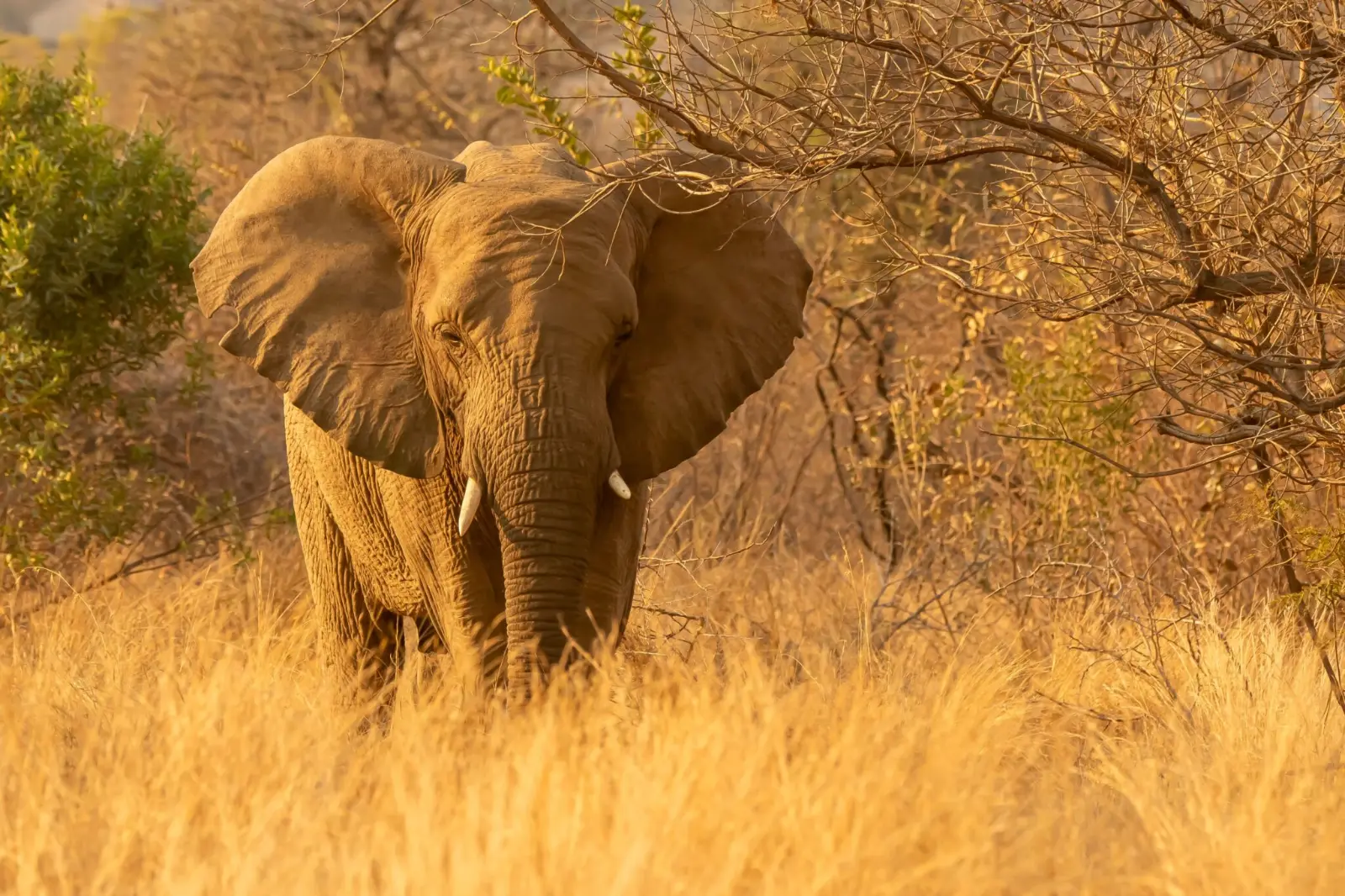
- Amboseli: elephants gather near swamps in the dry spell, and dust can give dramatic light. See the Amboseli guide.
- Samburu and Laikipia: dry-country species such as Grevy’s zebra and reticulated giraffe are easier to see in the heat. See the Samburu guide.
- Tsavo: hot, dry conditions favour elephants at waterholes. See the Tsavo East guide.
- Birds: migrants are still present before their journey north, adding to bird lists.
Why March can be good value
Rates at many camps fall from the peak, and availability is better than in the high season. Mara park fees follow the January to June rate (lower than in July to December). Flights and car hire are easier to book, and you may find special offers. Read our Mara fees guide and cost breakdown for details. Because you are travelling just before the rains, choose flexible bookings and confirm cancellation terms.
Things that need care in March
- Early storms can make some tracks muddy, so keep your plans flexible.
- The coast is hot and humid, with high mosquito activity. Take malaria precautions.
- Check which camps remain open as the rains approach.
- Keep an eye on the forecast and the news for flight delays.
- If Easter falls in or near March, expect busier roads and higher prices.
Other ideas for March
March is a good month for northern Kenya, Lake Nakuru and Nairobi, as well as for combining a short safari with the coast. It also works for walking safaris in Laikipia before the heaviest rains. Birdwatchers will enjoy the mix of resident and migratory species, and photographers can capture storm light over the plains. Browse our Laikipia guide and Lake Nakuru guide for ideas.
What to pack for Kenya in March
Pack light clothing in neutral colours, a fleece for mornings, a waterproof jacket, a hat, sunglasses, sunscreen and insect repellent. Closed shoes, binoculars and a camera with a dust cover are useful. See our what to pack list and Kenya safari travel checklist.
Is Kenya in March right for you?
Choose March if you want good value, quieter parks and still-decent weather, and you can accept some uncertainty about rain. If you need guaranteed dry weather or want to see the migration, choose another month. To plan your trip, contact our team.
Sample itineraries for Kenya in March
Five days: Mara and Nakuru
Begin with a night at Lake Nakuru for rhinos and birds, then spend three nights in the Masai Mara for big cats. Return to Nairobi on day five. March mornings are often clear, and the rains are not yet in full swing. See our 4-day itinerary for a shorter version.
Seven days: Amboseli, Tsavo and the coast
Combine two nights in Amboseli, a night in Tsavo West, and a few nights at the coast. Hot, dry conditions in the early part of the month favour wildlife viewing at waterholes. See the safari and beach holiday guide for ideas.
Ten days: north and Mara
Include Samburu and Laikipia, then finish in the Mara. See our 10-day itinerary.
Photography tips for Kenya in March
Dust, building clouds and soft light make March photogenic. Early morning and late afternoon give golden tones, and storm clouds add drama. Keep your camera protected from dust with a cover, and clean lenses regularly. Look for elephants at waterholes, birds before migration and big cats resting in the heat. See our safari photography tips for settings and technique.
Common questions about Kenya in March
Is March the start of the rainy season?
The long rains usually begin in late March or April, but timing varies. Some years March is mostly dry, others see early storms.
Is it too hot?
Lowlands and the coast are hot, but early mornings and evenings are comfortable. Plan activities for those times.
Can I see the migration?
Not in Kenya. The herds are in the Serengeti in March. Read the Great Migration guide for when they reach the Mara.
Is March good for families?
Yes, if you choose shaded camps with pools, shorter game drives and flexible plans.
Practical tips for Kenya in March
- Book flexible fares and accommodation in case weather changes.
- Drink plenty of water and wear a hat in the heat.
- Use insect repellent, particularly at dusk.
- Confirm park fees and road conditions with your operator.
- Arrange insurance that covers weather-related delays. See our travel insurance guide.
Family and honeymoon ideas for Kenya in March
March suits families who want warm weather without peak crowds, and couples who prefer quiet camps and lower rates. For families, choose camps with pools, shaded areas and flexible meal times, plan shorter game drives and mix wildlife with coast time. For honeymooners, March offers romantic skies, private dining under the stars and attentive service, since camps are less full. Ask about special touches such as bush breakfasts and sundowners. Whether you travel as a family or a couple, build in slow mornings and early nights so you can enjoy the quiet magic of the bush.
Final advice for Kenya in March
March rewards travellers who value atmosphere and value over certainty. Pack for sun and storms, keep your plans flexible and trust your guide to adapt each day. You may see dust-coloured elephants one morning and rain-washed plains the next, which is a very Kenyan way to travel.
Booking Kenya in March
Tell us your dates and what you hope to see, and we will recommend parks and camps that work best before the rains, with flexible terms and all fees itemised.
Plan it with people who live here
We are a Nairobi-based team and every trip starts from our own doorstep. If you would like help turning these ideas into a real itinerary, message us on WhatsApp (+254 794 588 242), write to info@cherishafricasafaris.com, or use our contact form. We usually reply the same day.