Kenya has more than 40 ethnic communities, each with its own language, food, music and way of building a home. Most safari itineraries will introduce you to one of them, the Maasai. Bomas of Kenya, in Langata on the edge of Nairobi, tries to introduce you to many in one afternoon. It is a cultural village, a theatre and a restaurant rolled into one, and it is a regular stop on Nairobi city tours. Whether it is worth your limited time depends on what you want from your trip. This guide covers what you see, the dance show times, the entrance fee and an honest verdict.
What is Bomas of Kenya?
Bomas of Kenya was founded in 1971 by the Kenya Tourist Development Corporation as a showcase for the country’s cultural heritage. The word boma means a homestead or enclosure in Swahili. Today it sits about six miles (roughly 10 km) from the city centre, close to the main entrance of Nairobi National Park, and it has two parts: the villages and the theatre.
The traditional villages
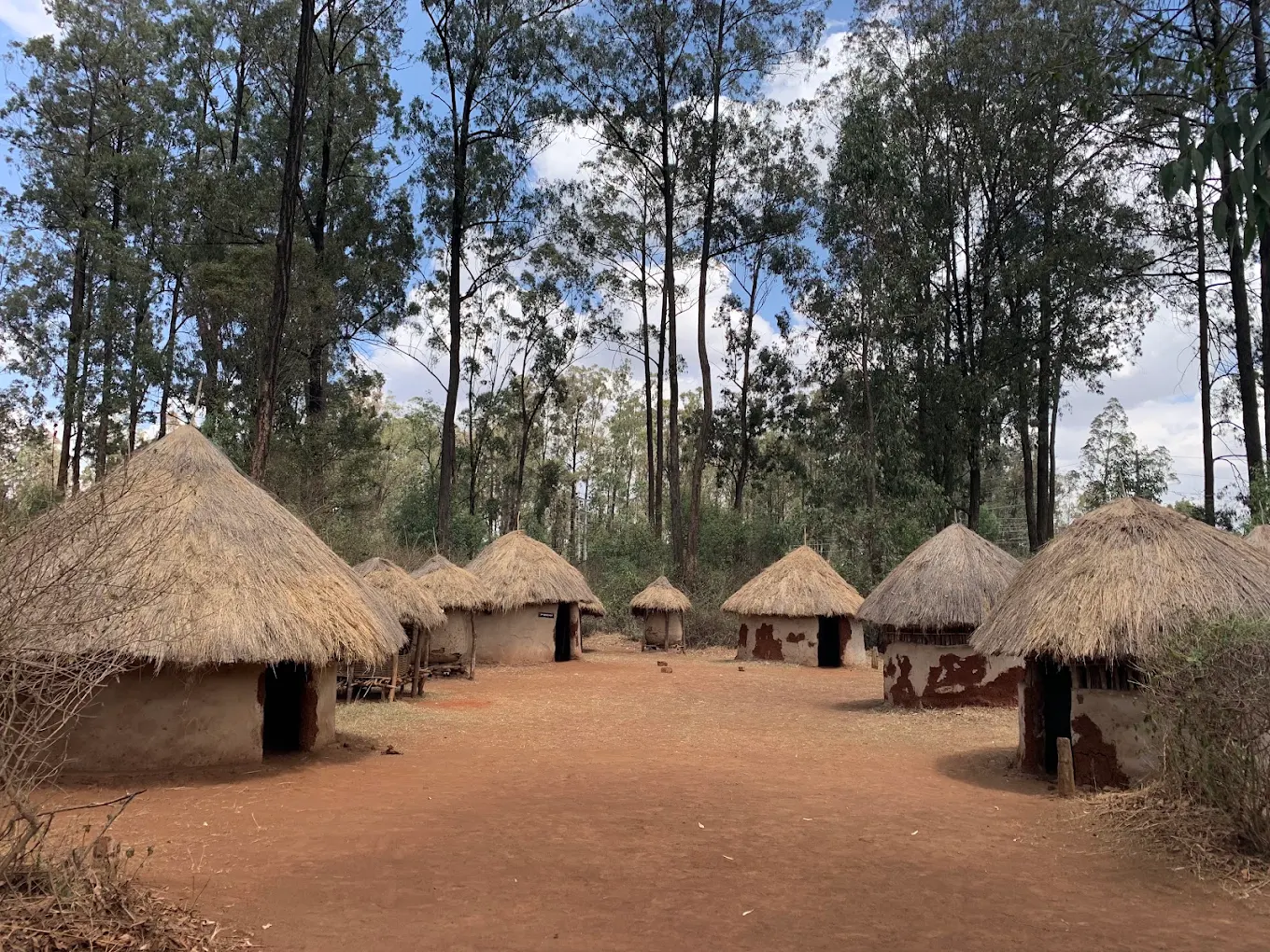
The grounds hold 23 replica homesteads, each built to show how a particular community lives. The layouts are not decorative. In a polygamous household the huts are arranged by wife, reflecting hierarchy. The size and position of the granary tells you who owns what. Roofing, partitions and decoration all differ between communities, so a walk from a Kikuyu homestead to a Luo or Kalenjin one shows how varied Kenyan life is. Guides explain the details, and there are monkeys and warthogs wandering the greenery.
The dance show
The main event is a 90-minute performance in a hut-shaped auditorium that can seat 3,000 people, one of the largest of its kind in Africa. The programme includes around eight performances: Kalenjin warrior dances, Swahili taarab music, rhythmic drumming, acrobatic displays and a staged Kikuyu circumcision ceremony performed without the actual procedure. Visitors are sometimes invited to join in. It is loud, energetic and a lot of fun if you are in the mood.
There is also the Utamaduni Restaurant, which serves traditional Kenyan dishes from different regions.
Bomas of Kenya opening hours and show times
| Day | Opening hours | Dance show |
|---|---|---|
| Monday to Friday | 10am to 5pm (some sources say 6pm) | About 2.30pm to 4pm |
| Weekends and public holidays | 10am to 5pm | About 3.30pm to 5.15pm |
Arrive at least an hour or two before the show to walk through the homesteads. Afternoons can be hot and the paths mix paved and natural ground, so wear comfortable shoes and a hat.
Entrance fee
Non-resident tickets have recently been reported at about KES 2,000 per person, which covers the grounds and the dance performance. Older sources quote KES 1,000. Kenyans and residents pay less. Bring cash if you can, because card and eCitizen payments at the gate can be unreliable. If you join one of our Nairobi city tours, the ticket and transport are handled for you.
Is Bomas of Kenya worth it?
It depends on how you travel. Here is how we explain it to guests.
- Go if you have a free afternoon in Nairobi, you have not yet met a Kenyan community and you enjoy music and dance. It is also good for families, because kids tend to love the drumming.
- Skip if you only have a few hours in the city or you are heading to Amboseli or the Mara, where you can visit a real Maasai village on your game drive. Our guide to Maasai culture around Amboseli explains the difference.
- Be realistic. Bomas is a staged presentation. It will not give you the intimacy of a home visit. But as a one-stop introduction to Kenya’s diversity, it is hard to match, and you leave with a better sense of how different the country’s communities are.
How to combine it with other Nairobi sights
Bomas sits near Nairobi National Park, so the day can be built in an easy loop. Do the national park early, lunch at Utamaduni, then the 2.30pm show. Other Langata-area stops include the Giraffe Centre, the David Sheldrick Elephant Orphanage and the Karen Blixen Museum. If you want souvenirs on the way, see our Kenya souvenirs guide. For a wider plan, read things to do in Nairobi.
Practical tips
- Book a driver or tour, because traffic around Langata Road is heavy in the late afternoon.
- Photography is allowed in most areas, but ask before photographing individuals.
- Bring a light jacket for the end of the show, as the auditorium can cool down quickly.
- Carry small notes for tips and for the restaurant.
Kenya’s communities in a nutshell
Bomas makes more sense if you know who you are looking at. Kenya’s largest communities include the Kikuyu, Luhya, Kalenjin, Luo and Kamba, followed by the Kisii, Meru, Mijikenda of the coast and many smaller groups such as the Maasai, Samburu and Turkana. They speak more than 40 languages between them, and Swahili and English tie the country together. Each community has its own way of building, farming or herding, and its own ceremonies, dress and music. A walk through the homesteads at Bomas is the quickest way to see the differences side by side.
Dances to watch for
Programmes change, but the performances usually draw on several traditions. Kalenjin warrior dances are athletic and loud. Swahili taarab is a sung, melodic style from the coast with Arab and Indian influences. The famous Maasai jumping dance (adumu), where young men leap straight up from a standing position, is a favourite with visitors. Drumming and acrobatic items usually fill the gaps. If you are given the chance to join in, take it. Nobody expects you to be good.
A half-day plan for Bomas of Kenya
- 10.30am. Drive out to Langata and start with Nairobi National Park or the Giraffe Centre.
- 1pm. Lunch at Utamaduni Restaurant, where you can try traditional dishes from different regions.
- 2pm. Walk through the homesteads and ask the guides about the differences.
- 2.30pm. The dance performance begins on weekdays.
- 4pm. Head back to the city before the evening traffic builds up.
Bomas with children
Bomas works well with kids. The drumming holds attention, the grounds are open and the monkeys and warthogs keep younger children entertained. Bring a hat, water and sunscreen, because the afternoon sun is strong and the auditorium is open-sided. If you want something similar but more hands-on, ask us about visits to a real Maasai homestead during a safari to Amboseli or the Mara.
Learn a few Swahili words first
- Jambo or Habari: hello.
- Asante (asante sana): thank you (very much).
- Karibu: welcome.
- Pole pole: slowly, slowly.
- Tafadhali: please.
Guides and performers appreciate the effort, and it breaks the ice immediately.
Frequently asked questions
What time is the dance show at Bomas of Kenya?
On weekdays the performance usually runs from about 2.30pm to 4pm. On weekends and public holidays it starts later, around 3.30pm.
How much does Bomas of Kenya cost?
Non-residents have recently paid about KES 2,000, which includes the dance performance. Kenyans and residents pay less. Cash is best.
Where is Bomas of Kenya?
In Langata, Nairobi, about 10 km from the city centre and near the main gate of Nairobi National Park.
How long should I spend at Bomas of Kenya?
Allow about three to four hours: time to walk through the homesteads, then the 90-minute dance show.
Is Bomas of Kenya good for children?
Yes. Children usually enjoy the drumming, acrobatics and open grounds.
Want Bomas of Kenya added to a Nairobi day? Message our team and we will arrange it.