Most first-time visitors to Kenya head straight for the Maasai Mara, but Tsavo East and Tsavo West offer something different: space, silence and wild landscapes that feel far from the crowds. Tsavo East and Tsavo West make up one of the biggest wildlife regions in Africa, and this guide explains how the two parks differ, what you can see, and how to choose between them or combine both.
Tsavo East and Tsavo West at a Glance
| Feature | Tsavo East | Tsavo West |
|---|---|---|
| Landscape | Flat plains, red soil, long views | Volcanic hills, springs, lava flows |
| Known for | Red elephants, Galana River, Lugard Falls | Mzima Springs, Shetani lava, rhino sanctuary |
| Feels like | Open and wild | Varied and scenic |
| KWS fee (non-resident, per day, adult / child) | USD 80 / 40 | USD 80 / 40 |
Fees are from the October 2025 Kenya Wildlife Service tariff and can change. Our Kenya national park fees guide lists the full set.
Tsavo East: Wide Open Plains
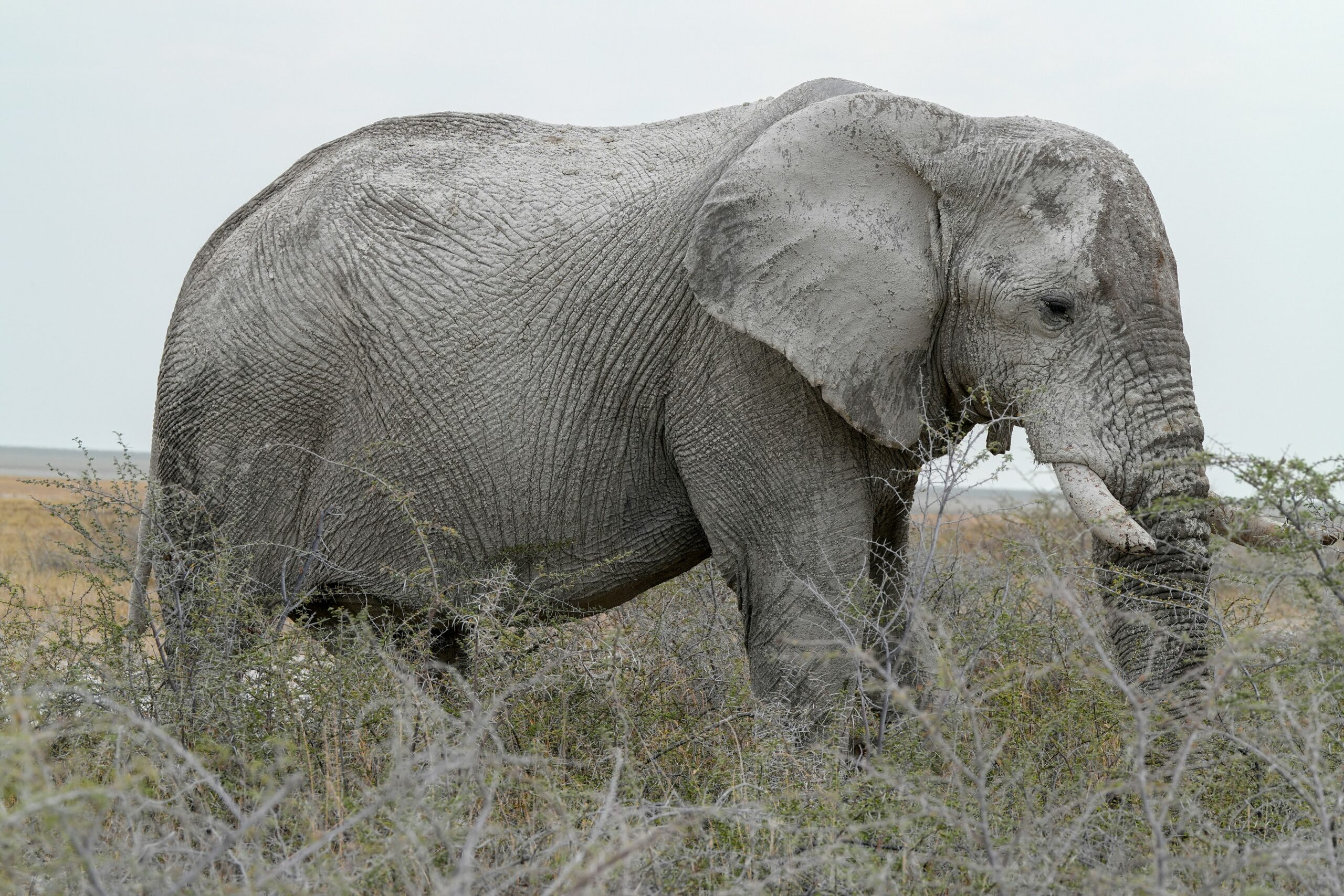
Tsavo East is the larger and flatter of the two parks. The landscape is open bush and grassland on red soil, and long views make it easier to spot animals from a distance. The famous red elephants are the main attraction: they dust themselves with the local soil, and the dust dries on their skin to give them a rusty colour. Herds gather along the Galana River, which is the park’s lifeline, and at waterholes in the dry season.
What to see in Tsavo East
- Elephants: large herds, often seen at water in the dry season.
- Lugard Falls: a series of rapids and smooth rock channels on the Galana River, where crocodiles bask below.
- Mudanda Rock: a long rock outcrop that works like a natural dam, where animals come to drink at the base.
- Yatta Plateau: a long lava ridge that forms part of the park’s western edge.
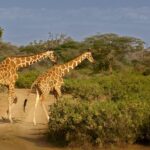
- Other wildlife: lions, buffalo, giraffe, gerenuk, lesser kudu, Grevy’s zebra in places, and dry-country birds.
For a closer look, see our dedicated Tsavo East National Park guide.
Tsavo West: Hills, Springs and Lava
Tsavo West is smaller, greener and more varied. Volcanic hills rise above the savanna, lava flows spread across the ground, and springs create green oases. It is a good park for travellers who like scenery as much as wildlife, and on clear days there are views toward Mount Kilimanjaro.
What to see in Tsavo West
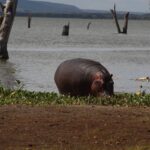
- Mzima Springs: clear water filters through volcanic rock and emerges in pools where hippos and fish can be viewed from an underwater observation point.
- Shetani lava flow and caves: a black lava field with caves, a good stop for short walks with a ranger.
- Ngulia Rhino Sanctuary: a protected area for black rhino, with active anti-poaching patrols.
- Chaimu Crater and Poacher’s Lookout: viewpoints with wide views across the plains.
- Birds: migratory species pass through in the northern winter, and the lodges at Ngulia are known for ringing and counting them.
Tsavo East vs Tsavo West: Which Should You Choose
Choose Tsavo East if you want wide horizons, elephants and a quieter, more wilderness feel. Choose Tsavo West if you want varied scenery, springs and a chance to see rhino. If you have enough time, combine them with a night or two in each. Many itineraries pair Tsavo with Amboseli because the two sit next to each other, and a combined fee ticket is available at the gate for some park pairs, such as Tsavo West and Amboseli. Always confirm the current ticket options with your operator.
The Man-Eaters of Tsavo
Tsavo also has a famous history. In 1898, while a railway bridge was being built across the Tsavo River, two lions killed and attacked workers over several months before they were shot by the engineer in charge. The story has been told in books and films, and the lions are now displayed in a museum in the United States. The legend adds to the sense that Tsavo is a wild place, though modern visits are safe when you travel with a guide.
Best Time to Visit Tsavo East and Tsavo West
The dry seasons, June to October and January to February, are the best for game viewing because animals depend on rivers and waterholes. Days can be hot, so early starts and late afternoon drives are best. The long rains in March to May and the short rains in November make the parks green and the sky dramatic, but some tracks get muddy and animals spread out. The rainy season is often cheaper and quieter, which suits flexible travellers.
Getting to Tsavo
The two parks lie along the road and railway between Nairobi and Mombasa. You can drive or take a scheduled flight to an airstrip near a lodge. A road transfer from Nairobi takes several hours, so plan at least two nights to make the trip worthwhile. If you are heading to the coast, a safari in Tsavo followed by a beach stay is a popular combination, and our guide to the Nairobi to Mombasa SGR train shows an easy way to travel after your safari.
How Many Days Do You Need
Two nights give you a taste of one park. Three to four nights allow you to see both Tsavo East and Tsavo West, or to combine one of them with Amboseli. A full Tsavo trip of five days works well if you want to see rhino at Ngulia, visit Mzima Springs and enjoy the open plains of Tsavo East. See our 5-day Kenya safari for how the pieces fit together, and our 3-day Amboseli safari if you want to start with Amboseli.
Practical Tips for a Tsavo Safari
- Carry water, a hat and sunscreen, because the parks are hot and shade is limited.
- Use a closed vehicle or a pop-up roof, and keep windows closed in dusty areas.
- Bring binoculars. Birds and distant animals are part of the experience.
- Wear neutral colours and closed shoes for walks near the lava and the springs.
- Do not feed baboons or monkeys, and keep food out of sight.
- Check the tsetse fly situation with your guide in some areas, and use repellent.
Wildlife You Can Expect in Tsavo East and Tsavo West
Tsavo is a place for patient wildlife watching rather than crowded sightings. Elephants are the most reliable animals, and in the dry season you may see dozens at one waterhole. Lions are present but harder to find than in the Mara because the bush is thicker, so a good guide matters. Buffalo, giraffe, zebra, waterbuck, impala, dik-dik and warthog are common, and dry-country specialists such as gerenuk, lesser kudu and fringe-eared oryx suit the semi-arid habitat. Leopards and cheetahs are present, and spotted hyenas and jackals are seen at dusk. If you want help with the Big Five question, our guide to the Big Five in Kenya explains where each animal is most reliable.
Birdlife in Tsavo
The parks are rich in birds, with hundreds of species recorded. Look for the starlings that flash blue and gold in the bush, hornbills, bee-eaters, rollers, secretary birds on the plains and raptors perched on dead trees. Between October and December, migrant species from Europe and Asia stop in Tsavo West, which makes the Ngulia area interesting for birders. See our birdwatching in Kenya guide for other top spots.
Conservation in Tsavo
Tsavo’s elephants and rhino have faced serious poaching pressure in the past, and the parks are now supported by anti-poaching units, community programmes and conservation partners. Your park fee helps pay for rangers and management, and your visit adds value to wildlife as a land use. Responsible choices include staying on tracks, keeping a respectful distance, avoiding off-road driving, and booking with operators that follow park rules.
A Sample Four-Night Tsavo Route
Day one, drive from Nairobi to Tsavo West, arriving in time for a late-afternoon game drive. Day two, explore Mzima Springs, the Shetani lava flow and the rhino sanctuary. Day three, cross to Tsavo East via the Voi side, with a game drive on the way. Day four, see Lugard Falls, Mudanda Rock and the Galana River before an evening game drive. Day five, drive to Mombasa for a beach stay or return to Nairobi. Adjust the order if you prefer to start in the east, or if you want to add Amboseli at the beginning of the trip. To combine Tsavo with the coast, see our 6-day Bush & Beach safari through Amboseli, Tsavo and Diani Beach.
Who Should Visit Tsavo East and Tsavo West
Tsavo suits travellers who want a quieter safari with fewer vehicles at each sighting. It is a strong choice for repeat visitors who have already seen the Mara, for photographers who like open landscapes and red-soil elephants, and for anyone who wants to combine wildlife with the coast. Families can enjoy it too, particularly Tsavo West, where Mzima Springs and the lava flows give children more to do than long drives. The trade-off is that sightings of lions and leopards need more patience, and the heat can be strong, so build in rest time at midday.
Planning Tips Before You Book
- Decide whether you want one park or both, then ask for fees to be itemised so you can see park fees separately from transport and lodging.
- Ask your operator whether the combined Tsavo West and Amboseli ticket applies to your route. As of the October 2025 KWS tariff, it is USD 150 for adults and USD 80 for children, while the three-park ticket covering Tsavo East, Tsavo West and Amboseli is USD 215 and USD 115.
- Allow extra driving time. Distances inside Tsavo are long, and tracks can be slow after rain.
- Pack for heat during the day and cool air at night, especially in the hills of Tsavo West.
- Consider flying one way if you are tight on time, and drive or take the train for the other leg.
Frequently Asked Questions
Are Tsavo East and Tsavo West the same park?
No. They are two national parks managed separately by KWS, with separate gates and fees, although they sit side by side and share a name. Tsavo East is flat and open, while Tsavo West is hillier with springs and lava flows.
What is the best time to visit Tsavo?
The driest months, June to October and January to February, are best for game viewing because animals gather at water. The rainy months turn the parks green and quiet, but some tracks become difficult.
How much are Tsavo park fees?
As of the October 2025 KWS tariff, non-resident adults pay USD 80 and children USD 40 per day in each of Tsavo East and Tsavo West. Check the current tariff before you travel.
Why are Tsavo elephants red?
They dust themselves with the red volcanic soil, which dries on their skin and gives them a rusty colour.
How far is Tsavo from Nairobi and Mombasa?
The parks lie on the road and railway between the two cities. The drive from either city to the main gates is generally several hours, so many travellers allow at least two nights.
Safaris That Fit This Guide
Tsavo pairs well with Amboseli and the coast, and it fits into several of our itineraries. Contact us to build a Tsavo route that suits your dates and interests.