A mountain with two countries
The mountain is shared between Kenya and Uganda. The highest summit, Wagagai, lies on the Ugandan side. On the Kenyan side, the high point is Koitoboss peak, which rises to a little over 4,100 metres. The lower slopes are covered in montane forest and bamboo, the middle belt in heath and moorland, and the upper zone in giant lobelias and groundsels that look like something from a fantasy film.
The caves
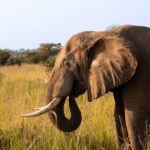
Elgon is best known for its caves, carved into the volcanic rock. The most famous, Kitum Cave, is visited by elephants at night, which dig the salt-rich walls with their tusks and eat the mineral-rich rock. It is one of the few places in the world where this behaviour is regularly seen. Visitors can walk in the cave entrances in the daytime with a guide, while night visits are heavily controlled. Always follow ranger instructions inside caves.
Wildlife and birds
Mount Elgon is not a big-game park like the Mara. You may see elephants, buffalo, bushbuck, colobus monkeys, blue monkeys and many forest birds. The forest is a good place for birdwatchers, and local guides know where to find species that are rare elsewhere. Our birdwatching guide and Kakamega Forest guide are good companions for a western Kenya trip.
Hiking and other activities
- Day hikes to waterfalls, viewpoints and the Endebess Bluff.
- Multi-day treks towards the summit with rangers and porters.
- Hot springs in some parts of the mountain, where you can relax after a walk.
- Birdwatching and nature walks near the park gate.
Nearby places
Kitale is the nearest large town and a good base. Saiwa Swamp National Park, a small reserve famous for the semi-aquatic sitatunga antelope, is within reach. Combine Elgon with Kakamega, Lake Victoria and Kisumu for a western circuit.
Getting there and when to go
Mount Elgon is about eight to ten hours from Nairobi by road, or a flight to Eldoret or Kitale followed by a drive. Roads inside the park can be rough, and a 4×4 is recommended. The driest months, December to March and June to September, are best for hiking. Bring warm clothing; nights are cold at altitude.
Is it for you?
This is a destination for hikers, photographers and curious travellers who like to go beyond the standard routes. For something less remote, see Mount Kenya. Tell us what you enjoy and we will help you weigh the options.
Quick answers
Where is Mount Elgon National Park?
In western Kenya on the Uganda border, near Kitale.
What is Kitum Cave famous for?
Elephants enter at night to mine the mineral-rich walls with their tusks, a rare behaviour.
When is the best time to hike Mount Elgon?
The drier months, December to March and June to September, are generally best.
Safaris that fit this guide
These Cherish Africa Safaris trips match what this guide covers. We can adjust any of them to your dates, group size and budget.
- 3 Days Amboseli Safari Adventure: Majestic Wildlife & Mount Kilimanjaro Views
- 6 Days Comfort Safari: Amboseli, Lake Nakuru, and Maasai Mara Exploration
- 7 Days Classic Kenya Safari – Maasai Mara, Lake Nakuru, Naivasha
Not sure which trip suits you? Browse all our Kenya safari tours or send us an enquiry.
Why visit Mount Elgon National Park?
Mount Elgon National Park is one of Kenya’s quietest and most unusual protected areas. Straddling the border with Uganda, Mount Elgon is an extinct volcano whose broad, ancient slopes rise from farmland and tea estates to moorland and a crater caldera. On the Kenyan side, the park is far from the safari circuit, so you are likely to share the trails with few other visitors. Its attractions are different from the savannah parks: caves where elephants dig for salt, forest walks with colobus monkeys and birds, and high-altitude hiking with sweeping views. If you want to add a quiet corner of western Kenya to your trip, Mount Elgon National Park is a rewarding choice.
The mountain at a glance
- Type: an extinct shield volcano, one of the oldest and largest in East Africa, with a huge caldera.
- Location: western Kenya, near the town of Kitale, on the Uganda border.
- Summit area: the Kenyan side reaches Koitoboss peak, while the highest point of the mountain, Wagagai, lies in Uganda.
- Habitats: montane forest, bamboo, heath and moorland, with hot springs in the caldera.
- Park fees: Mount Elgon is in the scenic tier of KWS parks, at USD 50 for non-resident adults and USD 25 for children per day under the October 2025 schedule. Confirm current rates before you travel.
The caves of Mount Elgon
The caves are the park’s signature feature. Kitum Cave and other caves on the mountain are known for the elephants that enter them at night to dig for mineral salts in the walls using their tusks and trunks. Over centuries, this has widened the caves and left visible marks on the rock. The caves also host bats and other animals, and parts have been used by local communities in the past. Visits are usually done with a ranger, who explains the history and safety. Wear sturdy shoes, bring a torch, and follow instructions carefully, since cave floors can be uneven and wet. Respect any guidance about bats and hygiene.
Wildlife and birds on Mount Elgon
Elephants, buffalo, bushbuck, leopards and primates such as colobus and blue monkeys live on the mountain, though sightings need patience. Birdwatchers can find forest species, sunbirds and montane specialists that are hard to see elsewhere in Kenya. The cool forest, mist and moss give the park a distinct atmosphere. Our birdwatching guide lists other places to complement a visit.
Hiking and activities
Hikes range from short forest walks to multi-day treks to the caldera and peaks. Guided hikes are required, and the longer routes need a good level of fitness and acclimatisation, because parts of the mountain reach more than four thousand metres. Other activities include picnicking, camping, cave visits and visits to nearby viewpoints and waterfalls. Weather can change quickly: bring layers, rain gear, a hat and plenty of water. If you want to compare hikes, read our Mount Longonot hike guide and Mount Kenya guide.
Nearby places to combine with Mount Elgon
- Kakamega Forest: Kenya’s last remnant of equatorial rainforest, famous for birds and primates. See the Kakamega Forest guide.
- Saiwa Swamp National Park: a small park known for the shy sitatunga antelope.
- Kitale Museum and the town: a base with services and local culture.
- Lake Victoria region: Kisumu and nearby cultural sites.
Getting to Mount Elgon and when to go
Most visitors reach Mount Elgon by road from Nairobi via Nakuru and Eldoret to Kitale, a long day of driving, or by flying to Eldoret or Kisumu and driving onward. Roads near the park are rough, and a 4×4 is advisable in wet weather. The drier months, December to March and June to September, are best for hiking. Rains in April to May and October to November make trails slippery. Always check conditions with the park office before you go.
Is Mount Elgon National Park for you?
If you want big cats, large herds and easy access, Elgon is not the place. If you like quiet landscapes, caves, walking and a feeling of discovery, it is an excellent addition to a western Kenya route. It suits hikers, birders, photographers and travellers who have already done the classic safari and want something different. To add it to an itinerary, contact our team.
Sample plan for visiting Mount Elgon National Park
A simple two-night plan works well. On day one, travel from Nairobi or Nakuru to Kitale and settle into a lodge near the park, resting after the long drive. On day two, enter the park early, visit the caves with a ranger, walk a forest trail and stop for a picnic with mountain views. If you are fit and acclimatised, add a longer hike in the afternoon or the next morning. On the third day, continue to Kakamega Forest or return towards Nairobi. Keep the schedule flexible, because weather and road conditions can change quickly. This is a destination for slow travel rather than ticking off sights.
Health, safety and etiquette on the mountain
- Hire a ranger or licensed guide for cave visits and longer hikes; do not go alone.
- Carry enough water, snacks and warm layers, because temperatures drop at altitude.
- Watch for altitude symptoms such as headache or nausea and descend if they worsen.
- Keep a safe distance from elephants and buffalo, which can be dangerous in forest.
- Do not remove rocks, plants or artefacts from the caves.
- Tell someone your plans, and carry insurance that covers hiking. See our travel insurance guide.
What to bring to Mount Elgon
Pack waterproof hiking boots, a rain jacket, a warm fleece, a hat and gloves, sunscreen, a torch or headlamp for the caves, binoculars and a small daypack. Bring some cash for park fees, guides and small purchases in local villages, because card machines are rare in western Kenya. Mobile signal is patchy, so download maps in advance. A basic first-aid kit and insect repellent are also worth packing. If you plan to extend the trip into a wider safari, use our Kenya safari travel checklist to prepare.
Why Mount Elgon National Park suits slow travellers
The charm of Mount Elgon National Park lies in what it does not have: crowds, convoys of vehicles and a rushed schedule. Instead, you get a mountain with a long human and natural history, caves shaped by elephants over generations, and forests that feel quiet and untouched. Local communities who live around the mountain offer homestays, craft markets and cultural experiences that make the trip more than a nature visit. For travellers who value places that reward patience and curiosity, it is a hidden gem. Pair it with Kakamega Forest and Saiwa Swamp, and you have a wild and little-visited corner of Kenya that few foreign visitors ever see.
Final thoughts on Mount Elgon
Allow a little more time here than you think you need. Roads are slow, weather changes and the best moments, such as an elephant stepping out of a cave at dusk or mist lifting from the forest, cannot be scheduled. Ask your guide about the history of the caves and the communities around the mountain, and you will leave with stories as well as photographs.
Plan it with people who live here
We are a Nairobi-based team and every trip starts from our own doorstep. If you would like help turning these ideas into a real itinerary, message us on WhatsApp (+254 794 588 242), write to info@cherishafricasafaris.com, or use our contact form. We usually reply the same day.