Why visit Shimba Hills
The reserve protects coastal rainforest and grassland on a plateau that rises above the coastal plain. It is the only place in Kenya where you can see the sable antelope, a dramatic species with long, curved horns. Shimba is also home to elephants, buffalo, leopards, bushbuck and many birds and butterflies. The reserve is small compared with the big parks, so you can see a lot in a few hours.
What to see and do
- Sable antelope. Look for them on the open grassland at the edges of the forest, usually in the early morning or late afternoon.
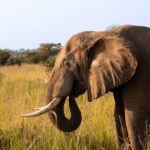
- Elephants. The herds are often heard before they are seen. Stay in your vehicle and keep your distance.
- Sheldrick Falls. A pleasant forest walk with a guide leads to a waterfall and a natural pool.
- Viewpoints. From the high points you can look down towards the sea.
- Birds and butterflies. The forest has a number of coastal specialities.
Next door: Mwaluganje
The Mwaluganje Elephant Sanctuary lies beside Shimba Hills, creating a corridor for elephants that has helped reduce conflict with farmers. It is possible to visit both in a single day.
Getting there
The reserve is about 30 to 45 minutes’ drive from Diani and about an hour from Mombasa, depending on traffic. Most visitors go on a half-day or full-day excursion with a driver-guide. Our guides to Diani and Mombasa list other activities in the area.
When to go
The dry months of January to March and June to October are best for walking and driving. During heavy rains, tracks can become muddy and the falls are impressive but access is harder. Check weather by month for details.
Tips for visiting
- Bring a hat, water and insect repellent.
- Wear shoes that can handle damp trails.
- Ask the rangers about the best places to see sable that day.
- Carry cash and your ID in case of fees at the gate.
Shimba Hills is a good choice for a gentle taste of the wild if your holiday is mainly on the beach. For a full safari, combine the coast with a few days in Tsavo or Amboseli, as in our safari and beach holiday article.
Quick answers
What can I see in Shimba Hills?
Sable antelope, elephants, buffalo, birds, butterflies and Sheldrick Falls.
Can I visit Shimba Hills from Diani?
Yes. It is about 30 to 45 minutes away and works well as a half-day or full-day trip.
What is special about the sable antelope?
Shimba Hills is the only place in Kenya where sable antelope are found.
Safaris that fit this guide
These Cherish Africa Safaris trips match what this guide covers. We can adjust any of them to your dates, group size and budget.
- 7 Days Masai Mara & Diani Flying Package: Safari & Beach Getaway
- 6 Days Bush & Beach Safari: The Best of Kenya’s Wilderness and Coastline
- 8 Days Tsavo Bush & Diani Beach Safari: A Perfect Blend of Adventure and Relaxation
Keep reading: Kilifi, Kenya: Quiet Beaches, Creekside Ruins and Local Life, Malindi, Kenya: Beaches, History and Day Trips From the Coast, Kenya in December: Christmas Safari, Beaches and Busy Camps.
Not sure which trip suits you? Browse all our Kenya safari tours or send us an enquiry.
Why Shimba Hills National Reserve deserves a day from the beach
Shimba Hills National Reserve is a green, rolling plateau that rises above the coastal plain behind Diani and Ukunda. It is the best place near the Kenyan coast to see wildlife without the long journey inland, and it feels very different from the open savannah of the Mara. The reserve protects one of the last large blocks of coastal forest in East Africa, together with grassland, ridges and views down to the Indian Ocean. For beach visitors who want a half-day or full-day game experience, Shimba Hills National Reserve is the natural choice.
Wildlife of Shimba Hills National Reserve
- Sable antelope: the star animal. Shimba Hills holds Kenya’s only population of sable antelope, a handsome, dark antelope with sweeping horns. Males are black and females chestnut.
- Elephants: the reserve has a resident population, which often stays in forest and is harder to see than in open parks.
- Roan antelope, buffalo, bushbuck and duikers: the grasslands and forest edges hold many species.
- Giraffes and zebras: introduced or present in the more open sections.
- Leopards: present but elusive.
- Birds and butterflies: the forests host coastal species not found inland, which delights birdwatchers.
The animals are less habituated than in famous parks, and the thick vegetation means patience matters. Early mornings give the best chance of seeing sable in the open.
Sheldrick Falls and walking in the forest
A short walk through coastal forest leads to Sheldrick Falls, a pretty waterfall named after the conservationist David Sheldrick, who is also remembered at Nairobi’s elephant orphanage. The track takes about an hour round trip and requires some effort, because the path can be slippery. Accompanying rangers help you spot birds and plants, and the cool shade is welcome after the coastal heat. Wear sturdy shoes and bring insect repellent. Read our elephant orphanage guide to learn about the man behind the falls.
Mwaluganje Elephant Sanctuary next door
Next to Shimba Hills lies Mwaluganje, a community-run elephant sanctuary where elephants can often be seen at waterholes in the dry season. It makes a nice combination with Shimba Hills National Reserve if you have a full day. Entry arrangements differ from the reserve, so check ahead with your operator or lodge.
Getting to Shimba Hills from Diani and Mombasa
The reserve is a short drive from Diani, usually about 45 minutes to an hour depending on the gate and road conditions, and a bit further from Mombasa. Most visitors go on a guided day trip with a vehicle and driver-guide. Self-drive is possible but roads inside the reserve can be rough. Start early, carry water and lunch, and arrange the transfer in advance. See our Diani Beach guide and safari and beach holiday post for more planning ideas.
Fees and practical information
Shimba Hills falls in the scenic tier of Kenya Wildlife Service parks, with non-resident fees of USD 50 for adults and USD 25 for children per day under the October 2025 schedule. Fees can change, and your operator will confirm them. See our park fees guide for the full structure. Bring sun protection, a hat, binoculars and a light jacket for early mornings on the plateau. Mobile signal is patchy.
Best time to visit Shimba Hills National Reserve
The drier months from June to October, and January to March, are the most comfortable. The long rains from April to May make tracks muddy and the forest dripping wet, and walking becomes difficult. Early morning is best for wildlife in any season. In the dry months, animals gather at waterholes and viewing is easier.
Is Shimba Hills worth it?
If you are expecting the Mara, you might be disappointed. If you want a quiet, scenic escape from the beach with a chance to see sable antelope and walk in the forest, you will enjoy it. It is also useful for families who want a taste of wildlife without a long journey. Combine it with a dhow trip, a snorkelling day or a visit to a village for a balanced coast stay. To plan a day or add it to a longer safari, contact our team.
Understanding the sable antelope
The sable antelope is one of Africa’s most striking animals. Males stand about a metre and a half at the shoulder, with glossy black coats, white bellies and long, backward-curving horns that can reach more than a metre. Females and young are chestnut brown. Sable live in herds led by a dominant bull and feed mainly on grass, moving between woodland and open slopes. Because the Shimba Hills population is isolated and small, it is carefully monitored, and rangers work to protect its habitat and control fires. Seeing a bull silhouetted on a ridge at dawn is a highlight for many visitors.
Birdwatching in Shimba Hills National Reserve
The reserve is popular with birdwatchers because its coastal forest holds species rare elsewhere in Kenya. Look for hornbills, forest weavers, sunbirds, turacos and raptors circling over the ridges. A local guide helps with calls and identification, and early morning gives the best activity. Bring binoculars and a field guide, and walk quietly. Even casual visitors enjoy the sound of the forest and the sight of colourful butterflies along the paths.
What to pack for a day trip to Shimba Hills
- Sturdy closed shoes, because forest paths can be wet and uneven.
- Long trousers and a light long-sleeved shirt to protect against insects and scratchy vegetation.
- A hat, sunscreen and plenty of drinking water.
- Binoculars and a camera with a decent zoom lens.
- A packed lunch, unless your operator provides one.
- A small first-aid kit and insect repellent.
For other practical lists, see our Kenya safari travel checklist and what to wear on safari.
Sample day at Shimba Hills National Reserve
A typical day starts with an early pickup from your Diani hotel, arriving at the gate soon after it opens. You drive across the plateau, stopping to scan the grassland for sable and roan antelope, then walk to Sheldrick Falls with a ranger. After a picnic lunch in a scenic spot, you may add a drive through forest edges looking for elephants, birds and primates. By mid-afternoon you head back to the coast, tired and happy, in time for sunset on the beach. If you want more time, stay overnight at a lodge near the reserve, which allows an extra dawn drive when animals are most active. Either way, bring patience and curiosity: Shimba Hills rewards those who look closely.
Final advice for visiting
Book your transfer ahead, ask your driver-guide about current conditions, and keep expectations realistic. This is a forest reserve, not a plains park, so sightings are more subtle. Treat it as a complement to a classic safari, not a replacement.
Plan it with people who live here
We are a Nairobi-based team and every trip starts from our own doorstep. If you would like help turning these ideas into a real itinerary, message us on WhatsApp (+254 794 588 242), write to info@cherishafricasafaris.com, or use our contact form. We usually reply the same day.
Shimba hills national reserve: Key Takeaways
The main points on shimba hills national reserve are covered above. If you would like help applying them to your own dates and budget, our team can plan the trip with you. For more advice on shimba hills national reserve, or a quote tailored to your group, contact Cherish Africa Safaris and we will reply the same day.