Learning a few Swahili phrases makes a trip to Kenya warmer and easier. English is widely spoken, especially in tourism, but even a small effort in Swahili brings smiles. Swahili, or Kiswahili, is the national language along with English, and it is straightforward to pronounce because it is written phonetically.
Greetings that matter
- Jambo (JAM-bo): hello, popular with visitors.
- Habari? (ha-BAH-ree): how are you, or what is the news? Answer nzuri (n-ZOO-ree), good.
- Mambo? reply poa (PO-ah): a casual, friendly exchange, especially among younger people.
- Karibu (ka-REE-boo): welcome, or you are welcome.
Greetings in Kenya are not rushed. Ask about the other person before you ask for anything, and shake hands warmly.
Polite everyday words
- Asante: thank you. Asante sana: thank you very much.
- Tafadhali: please.
- Samahani: excuse me, sorry.
- Ndiyo / Hapana: yes / no.
- Sawa: okay, fine.
- Pole (PO-lay): a gentle expression of sympathy, used when someone is tired or has had bad luck. Pole pole means slowly.
- Kwaheri: goodbye.
Useful on the road and at the market
- Bei gani? How much does it cost?
- Ni ghali sana: that is very expensive.
- Maji: water. Chakula: food. Chai: tea.
- Choo: toilet.
- Hapana asante: no thank you, said with a smile at a persistent stall.
Safari words
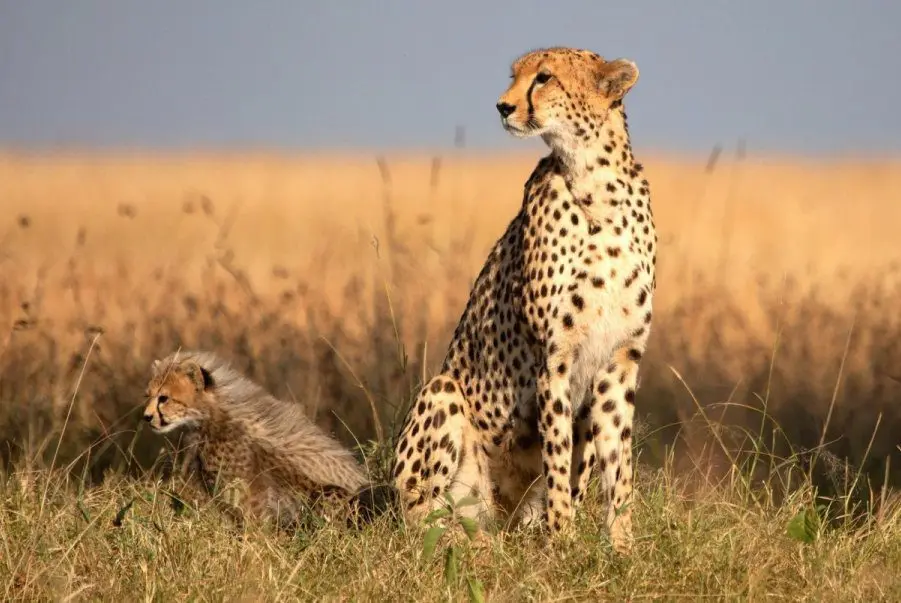
Your guide may point out animals using Swahili names, and they are easy to remember. The Big Five are simba (lion), chui (leopard), tembo (elephant), kifaru (rhino) and nyati (buffalo). Giraffe is twiga, zebra is punda milia, hippo is kiboko and cheetah is duma. The word safari itself means journey; our guide to what a safari is explains its history.
Hakuna matata, really?
Yes, it exists, and Kenyans will say it with a laugh at tourists. It means “no worries” and is not an everyday phrase for locals, though it fits the relaxed spirit of the coast.
Tips for sounding natural
Stress usually falls on the second-to-last syllable, vowels are pure (a as in father, e as in bed, i as in machine, o as in or, u as in rule) and every syllable is spoken clearly. Do not worry about mistakes. Your driver-guide will happily teach you more, and the effort is remembered long after the trip. Pair these phrases with our Maasai village etiquette notes when meeting communities.
Quick answers
How do you say hello in Swahili?
Jambo or Habari are common greetings, and Mambo with the reply Poa is a friendlier, casual exchange.
How do you say thank you in Swahili?
Asante, or Asante sana for thank you very much.
Do I need to speak Swahili in Kenya?
No, English is widely spoken in tourism, but a few Swahili words are warmly appreciated.
Safaris that fit this guide
These Cherish Africa Safaris trips match what this guide covers. We can adjust any of them to your dates, group size and budget.
- 3 Days Amboseli Safari Adventure: Majestic Wildlife & Mount Kilimanjaro Views
- 6 Days Comfort Safari: Amboseli, Lake Nakuru, and Maasai Mara Exploration
- 7 Days Classic Kenya Safari – Maasai Mara, Lake Nakuru, Naivasha
Not sure which trip suits you? Browse all our Kenya safari tours or send us an enquiry.
Plan it with people who live here
We are a Nairobi-based team and every trip starts from our own doorstep. If you would like help turning these ideas into a real itinerary, message us on WhatsApp (+254 794 588 242), write to info@cherishafricasafaris.com, or use our contact form. We usually reply the same day.
Swahili phrases: Key Takeaways
The main points on Swahili phrases are covered above. If you would like help applying them to your own dates and budget, our team can plan the trip with you. For more advice on Swahili phrases, or a quote tailored to your group, contact Cherish Africa Safaris and we will reply the same day.