Early Morning (5:30 to 6:30 a.m.)
A wake-up call arrives with tea or coffee. Dress in layers, since it is cool at dawn. After a light snack, you head out on your first game drive, often just as the sun rises. This is the best time to see predators and the golden light is ideal for photos.
Mid-Morning Breakfast
Many camps serve a full breakfast after the first drive. Some safaris include a bush breakfast in the open, which is a fun experience.
Midday Break
When the heat rises, animals rest in the shade, and so do you. Enjoy lunch, a swim, a nap or a good book at camp. Some travellers use this time to update photos or write postcards.
Afternoon Game Drive (4 p.m. Onward)
As temperatures drop, animals become active again. This drive often finishes with a sundowner, a drink while the sun sets over the plains, if your guide finds a safe viewpoint.
Evening
Back at camp, freshen up and enjoy dinner, often around a campfire. You might hear lions or hyenas in the distance. Early nights are normal because the next day starts early.
Optional Extras
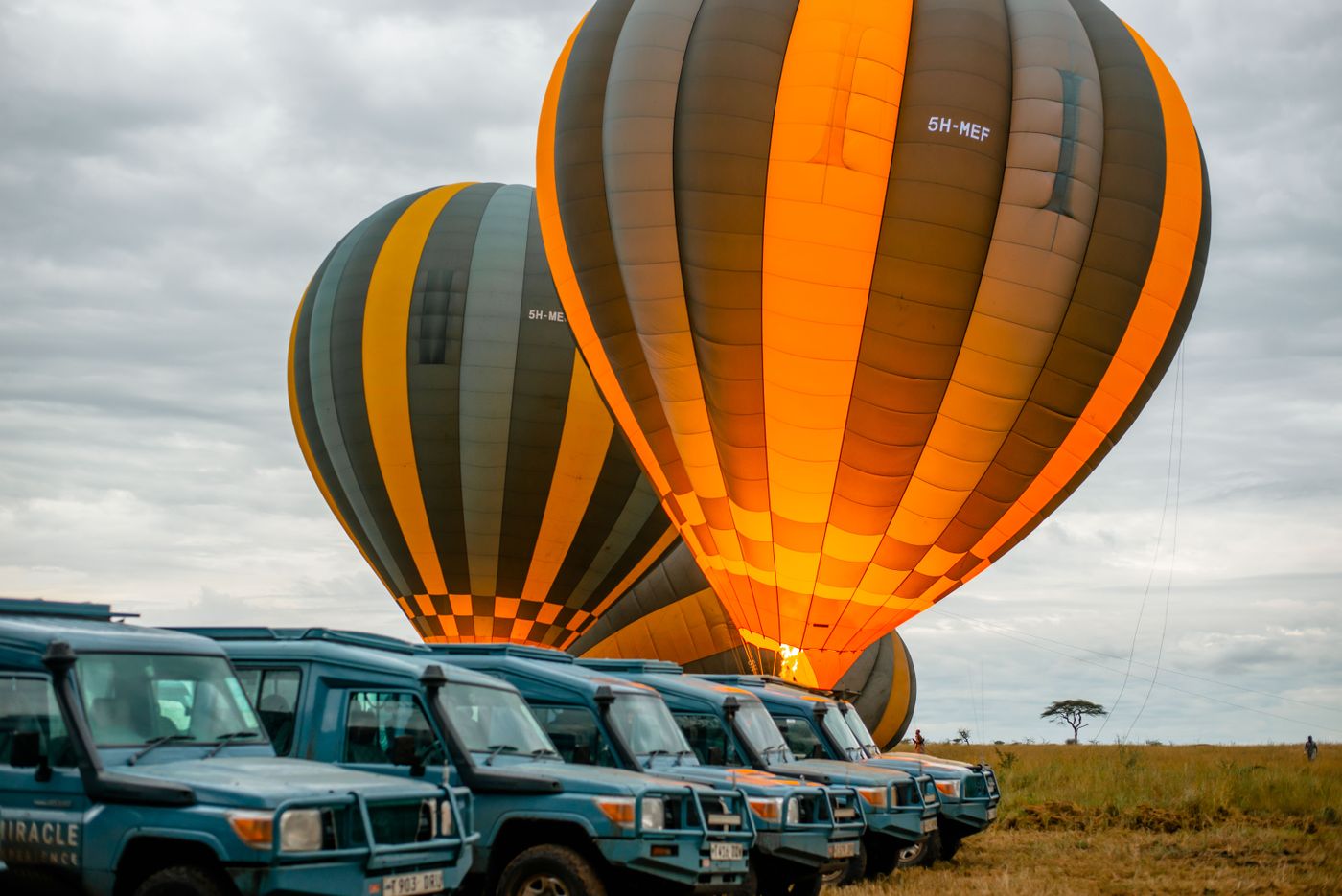
- Balloon flights at dawn in the Maasai Mara.
- Guided nature walks where allowed.
- Cultural visits to nearby Maasai or Samburu communities.
- Night drives in selected conservancies.
Tips for Your First Safari
- Be patient. Wildlife is unpredictable, and some of the best moments happen when you wait quietly.
- Ask your guide questions. Their knowledge of animal behaviour is the real treasure.
- Pack binoculars, a hat and sunscreen.
Ready to plan your first safari? Message us on WhatsApp +254 794 588 242.
Why a day in the life on safari is different from any holiday
A day in the life on safari follows the animals, not the clock. Most holidays are built around late breakfasts and sunny afternoons, but on safari the best wildlife is active at dawn and dusk, so your day starts early and ends early. This rhythm feels strange for about a day, then it feels natural. You will notice the temperature drop at dawn, the sound of birds before sunrise, the smell of woodsmoke from the kitchen and the way the light changes across the plains. The routine below is typical for Kenya, though each camp and guide adds their own touches.
Wake-up call and first drive: what to expect
A staff member will usually wake you around five to six o’clock with tea, coffee or a gentle call at your tent. Dress in layers, since mornings are cold, and bring binoculars, a camera and a warm jacket. You leave camp in the half-light, when predators are often finishing the night’s hunt and herbivores are starting to graze. This is often the best time for lions, leopards and hyenas. The guide drives slowly, scanning tracks, listening for alarm calls and talking with other guides by radio. Expect to stop often, because the quiet minutes watching a single animal are part of the experience.
Bush breakfast and mid-morning
Many drives include a stop for a bush breakfast at a scenic spot, where the crew sets up tables and serves eggs, sausages, fruit and coffee. Others return to camp for breakfast. By mid-morning, the sun is up, the animals are slowing down and you may head back to camp for a rest or continue exploring if sightings are good. Wildlife behaviour changes through the day, so a good guide adapts the plan to what is happening.
Midday: rest, swim and lunch
Midday is quiet. Animals rest in the shade, and visitors do the same. Take a nap, write a journal, read, swim in a pool, or sit on your tent veranda watching birds and monkeys. Lunch is served at camp, often a buffet or a plated meal, with salads, meat, vegetables and fresh bread. This break helps you recover from the early start and prepares you for the afternoon.
Afternoon game drive and sundowners
At around four o’clock, you set off again. The heat has eased, and the light is softer and golden. Predators wake up, herds move to water, and the plains come alive again. As the sun sets, your guide may stop for a sundowner, a drink and snack on a hilltop or open plain, to watch the sky turn red and orange. These moments are often the highlights of the day. Return to camp before dark, because driving after sunset is restricted in most parks.
Evening at camp
You return to camp as the stars appear. Staff offer a hot towel, a drink and warm water for a shower. Dinner is served around a candlelit table or by a campfire, with guides sharing stories of the day. Many guests are asleep by nine, tired and happy. Listen to the sounds of the night: hyenas whooping, lions roaring and insects humming. Read more about night wildlife in our guide to night game drives in Kenya.
Optional extras that can change your day
- Hot-air balloon flight: sunrise over the plains followed by a champagne breakfast. See our balloon safari guide.
- Walking safari: a guided walk with an armed ranger in conservancies and some parks. See the walking safari guide.
- Cultural visit: meet a Maasai community. See visiting a Maasai village.
- Night drive: see nocturnal animals in conservancies where allowed.
- Full-day game drive: carry a packed lunch and stay out from dawn to dusk to follow big sightings.
Tips to enjoy a day in the life on safari
- Go to bed early. You will feel better for the dawn start.
- Dress in layers and bring a hat, sunglasses and sunscreen.
- Carry binoculars. They bring animals alive.
- Listen to your guide and ask questions.
- Be patient. Some of the best moments come after a long wait.
- Bring snacks and water for drives.
- Put the camera down occasionally and just watch.
For a packing list, see our Kenya safari travel checklist and what to wear on safari. When you are ready to experience a day in the life on safari, contact our team.
How the day changes by park
The structure is similar everywhere, but the details differ. In the Masai Mara, days revolve around big-cat sightings and, in season, river crossings, so guides may stay longer at a key sighting and skip a return to camp. In Amboseli, mornings are best for Kilimanjaro views, and elephants dominate the day. At Lake Nakuru, drives are short and focus on rhinos, birds and the lake shore. In Samburu and Laikipia, northern species and activities such as walking or horse riding give each day its own flavour. Our Masai Mara guide and Amboseli guide explain the details.
Food on safari
Camps take food seriously, often with a surprising level of quality given the remote location. Breakfast might include fresh fruit, eggs and pastries; lunch could be salads, grilled meats and local dishes; dinner is usually three courses. Dietary needs such as vegetarian, vegan, gluten-free or allergies are easy to arrange if you tell your operator in advance. Tap water is generally not drinkable, but camps provide filtered or bottled water. Drinks, including soft drinks, beer and wine, may be included or extra, depending on the package.
Staying safe in camp
- Follow the camp’s rules about walking at night, when wildlife may pass through. Staff often escort guests to their tents.
- Keep tent zips closed to keep out insects and monkeys.
- Do not leave food in your tent.
- Stay in the vehicle on drives unless your guide says it is safe to get out.
- Tell your guide if you feel unwell or tired.
Our Kenya safety guide gives a wider picture.
Dress, comfort and gear for a typical day
Dress in layers: a T-shirt or light shirt, a fleece or jacket for early morning, and long trousers or shorts depending on the weather. Wear closed shoes, a hat and sunglasses, and carry sunscreen and insect repellent. A scarf or buff helps with dust. Keep binoculars, camera and a water bottle in a small daypack. Laundry services are common at camps, so you do not need to pack too many clothes. See our what to wear on safari guide.
Safari days with children
Children can enjoy a day in the life on safari if the rhythm suits them. Choose camps with child-friendly activities, plan shorter drives, bring snacks and entertainment, and use the midday break for pool time. Teach them to stay quiet and still, and they will see more than adults expect. Many camps have minimum ages, so check before booking.
Questions about a day in the life on safari
Do I have to get up that early?
No one forces you, but the best wildlife is at dawn. Many guests find that after the first morning they wake naturally. If you need a lie-in, tell your guide and take a later drive.
Can I skip a game drive?
Yes. Rest is part of the trip, and your guide will adapt.
Is there time for photography?
Yes, plenty. Early and late light are best, and guides stop for good shots.
Will I be bored between drives?
Most guests are too tired to be bored. Camps offer pools, walks, reading corners and birdwatching from your tent.
What if it rains?
Drives continue in light rain, with ponchos or covered vehicles. Heavy rain may change plans, but guides know how to find shelter and sightings.
Wildlife you might see at each time of day
Dawn often brings predators finishing a hunt, hyenas heading home and herds beginning to graze. Mid-morning is good for elephants at water, giraffes feeding and birds. Midday is quiet for most animals, though hippos and crocodiles stay active. Late afternoon sees lions waking, cheetahs hunting in cooler air, and herds moving to drink. At dusk, leopards may climb trees and nocturnal animals begin to stir. A good guide plans each day around this natural cycle, which is why the schedule feels so different from ordinary holidays.
Safaris that fit this guide
These Cherish Africa Safaris trips match what this guide covers. We can adjust any of them to your dates, group size and budget.
- 3 Days Amboseli Safari Adventure: Majestic Wildlife & Mount Kilimanjaro Views
- 6 Days Comfort Safari: Amboseli, Lake Nakuru, and Maasai Mara Exploration
- 7 Days Classic Kenya Safari – Maasai Mara, Lake Nakuru, Naivasha
Not sure which trip suits you? Browse all our Kenya safari tours or send us an enquiry.
A day in the life on safari: Key Takeaways
The main points on a day in the life on safari are covered above. If you would like help applying them to your own dates and budget, our team can plan the trip with you. For more advice on a day in the life on safari, or a quote tailored to your group, contact Cherish Africa Safaris and we will reply the same day.