Haller Park is one of the most unusual wildlife stops in Kenya, because the habitat itself is the story. What is now a green park was once a scarred limestone quarry.
How it began
The site in Bamburi, near Mombasa, was a set of limestone quarries from a cement works. Rehabilitation began in the late 1950s. Rene Haller was hired in 1959 and led the reforestation effort from the 1970s. Of 26 trial plants, only three survived. Casuarina trees were planted first to colonise the quarry floor, and millipedes helped build the soil.
What you can see
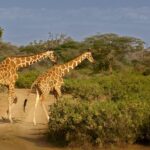
- Giraffes.
- Crocodiles, in an area that is part of the park’s aquaculture system.
- Fish and tilapia farms and water treatment ponds, showing how the system works.
Who it suits
It suits families and anyone with a half day on the coast, especially after a safari. Read our guides to safaris with kids and teenagers.
Making the most of it
- Go in the cooler part of the day and bring water and a hat.
- Ask about guided visits that explain the rehabilitation story.
- Combine it with a Mombasa city tour or a beach day. See safari and beach holidays.
Why it matters
Haller Park shows what patient ecological restoration can achieve, and that conservation is as much about repairing habitat as protecting wild places.
Fish, eland and farming experiments
Fish farming began in 1971 alongside the reforestation project, and a tilapia farm added in 1980 produced 30 to 35 tons a year. Elands were chosen for domestication trials because they give nutritious milk, resist most livestock diseases and tame easily.
An impossible task
When Bamburi Cement decided to rehabilitate the worked-out quarries, the task seemed impossible. Today the site is a working example of how a damaged landscape can be rebuilt.
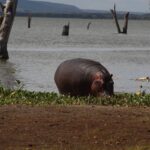
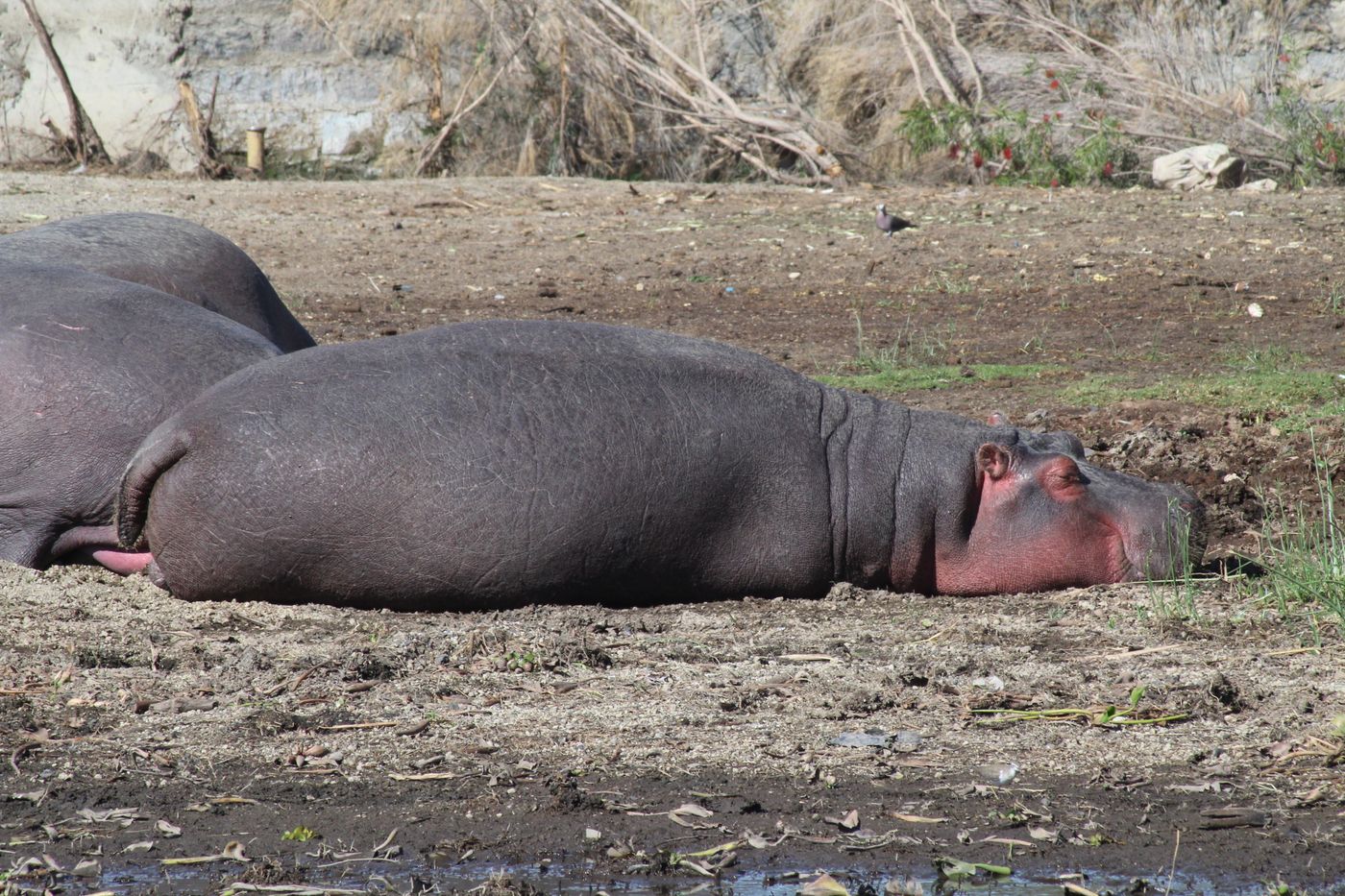
Owen and Mzee
The park became widely known for the friendship between a hippo, Owen, and a tortoise, Mzee. It featured the pair up to March 2007.
Frequently asked questions
Where is Haller Park?
In Bamburi, near Mombasa on Kenya’s coast.
What was the site before?
A set of limestone quarries from a cement works, rehabilitated from the late 1950s.
Who led the restoration?
Rene Haller, hired in 1959, led the reforestation effort from the 1970s.
What animals can I see?
Giraffes and crocodiles, among others, along with fish farms and water ponds. Animal lists change, so ask before you visit.
When did fish farming start at Haller Park?
In 1971, alongside the reforestation project. A tilapia farm followed in 1980.
What is the story of Owen and Mzee?
A hippo and a tortoise whose friendship made the park famous. The park featured them up to March 2007.
Want help planning? Talk to our team and tell us your dates, who is travelling and what you would like to see.
Facts checked on 5 November 2026 from Wikipedia’s Haller Park entry (secondary source). Animal lists change, so ask before you visit.