Serengeti National Park: Where to Go, When and What It Costs
A practical guide to the Serengeti: which region to choose, when the herds are where, what the park fee is,…

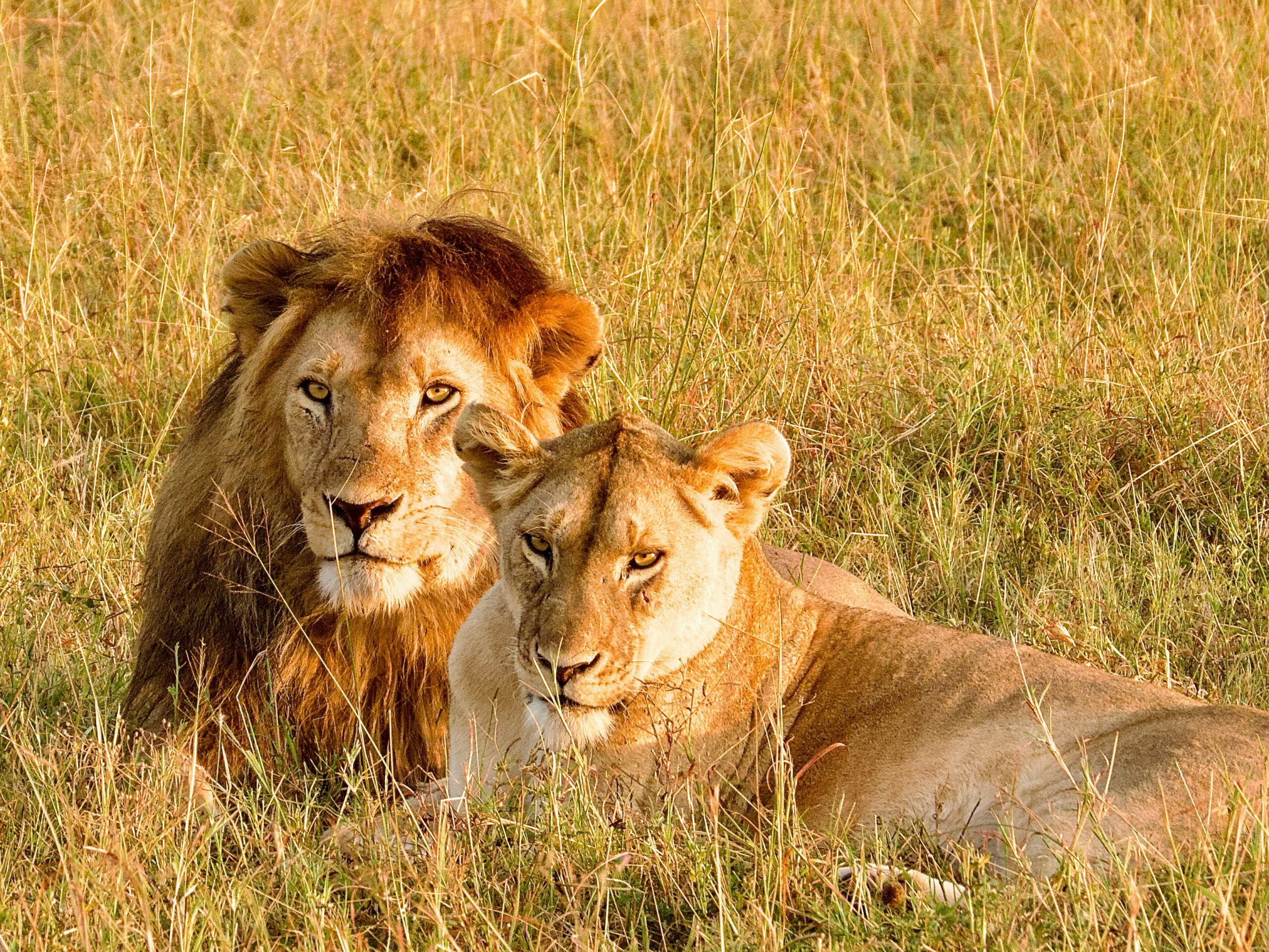
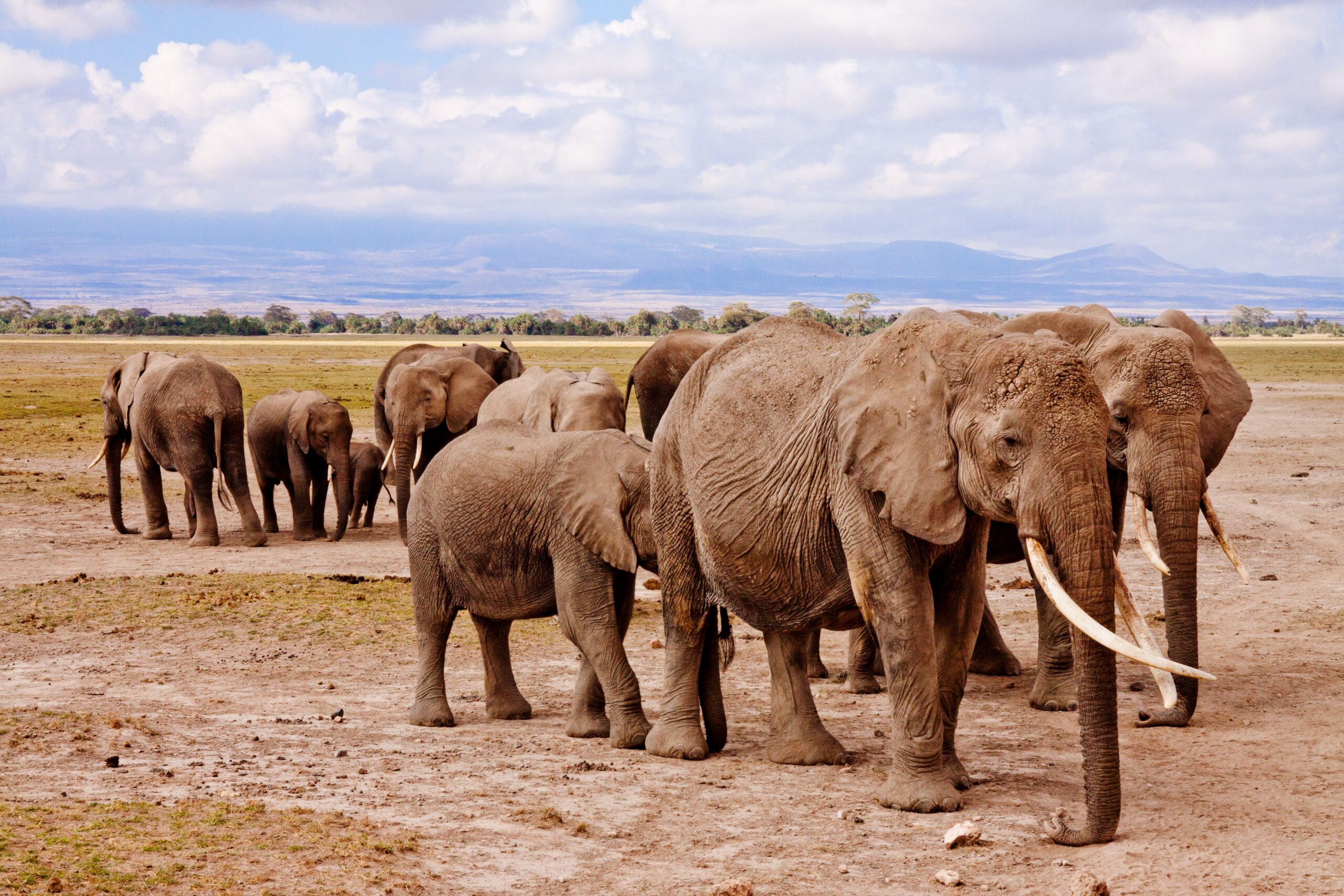
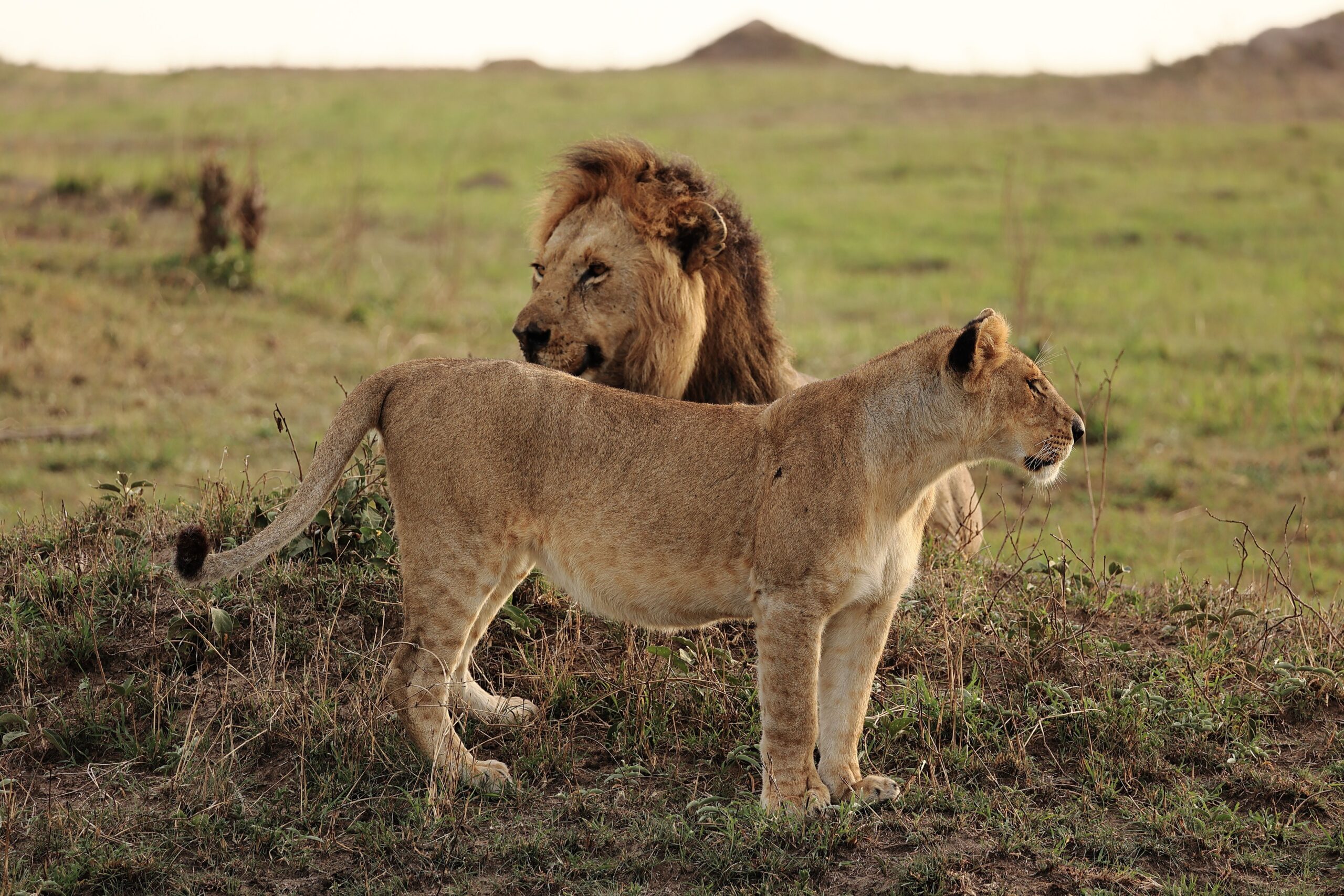
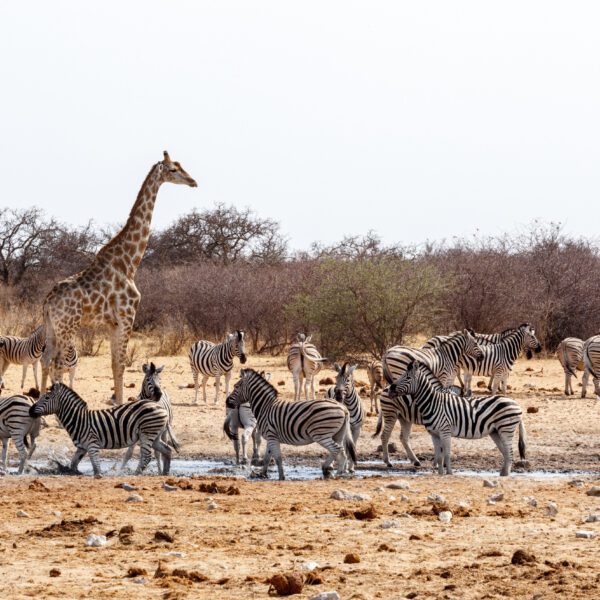
The Serengeti is one of Tanzania's most famous national parks, a UNESCO World Heritage site of golden plains, granite kopjes and one of the greatest wildlife spectacles on Earth. Each year, over a million wildebeest, along with zebra and gazelle, travel in a great circle through the Serengeti and into Kenya's Maasai Mara. Resident lions, leopards, cheetahs and elephants make it a year-round destination.
Here is how the Serengeti works through the year, where to be and when, and how to combine it with Kenya.
The Serengeti is a place of scale. From the central plains you can see to the horizon in every direction, with scattered acacias, rocky kopjes where lions rest, and rivers lined with fig trees. The wildlife is dense and varied, and the park is large enough that you can drive for hours without seeing another vehicle.
The famous Great Migration is a continuous movement rather than a single event. The herds follow the rains and fresh grass in a roughly clockwise circuit through the park, and different areas shine at different times of year. Away from the migration, the Seronera area in the centre is known for leopards in sausage trees and lions on the kopjes, and it can be excellent whenever you visit.
The Serengeti shares an ecosystem with the Maasai Mara in Kenya, which is why many travellers combine both. See our guide to combining Kenya and Tanzania.
Year-round wildlife and the best area for leopard. The main hub for lodges, airstrips and hot-air balloon flights.
The calving grounds from about January to March, with open grassland and acacia woodland around Lake Ndutu.
Grumeti River and forest, with crocodiles and the first major crossings, roughly June to July.
Quieter and wilder, the site of Mara River crossings from about July to October.
Granite outcrops with cheetah, lion and rock hyrax, and a feel of remoteness.
The core activity, in open-sided or pop-up roof vehicles, from dawn until dusk.
Dawn flights over the plains, followed by a bush breakfast. Available from the Seronera area.
Offered in some areas with armed rangers, subject to park rules.
Meet the Maasai in the nearby Ngorongoro Conservation Area.
Scheduled and charter flights land at airstrips across the park, including Seronera and Kogatende. This is the fastest option.
The drive goes via Lake Manyara and Ngorongoro, entering at the Naabi Hill gate. It is long, so most travellers break the trip with a night near Ngorongoro.
You can cross by road at Isebania (near the Mara) or Namanga (towards Arusha), or use cross-border flights between the Maasai Mara and northern Serengeti airstrips. Tell us your plan and we will arrange the best route.
The park covers roughly 14,750 km², so where you stay shapes what you see. It helps to think of it as four broad areas, each with its own landscape.
Almost treeless grassland dotted with granite outcrops called kopjes (koppies), which predators use as lookouts. This is the area around Ndutu and Lake Masek where the herds gather to calve in February and March.
Seronera is the park’s main settlement and a common base. It is a popular area for lions and leopards, and it is where many first-time visitors begin.
Here the open plains give way to the Grumeti and Mbalageti rivers, riverine forest and small hill ranges. The migration moves through this part of the park from about May to July, and the first Grumeti River crossings usually come in July.
Open woodland and hills, more remote and quieter than the south. This is where the herds gather along the Mara River (the Kogatende and Lamai area) in August and September before crossing into or out of Kenya’s Maasai Mara.
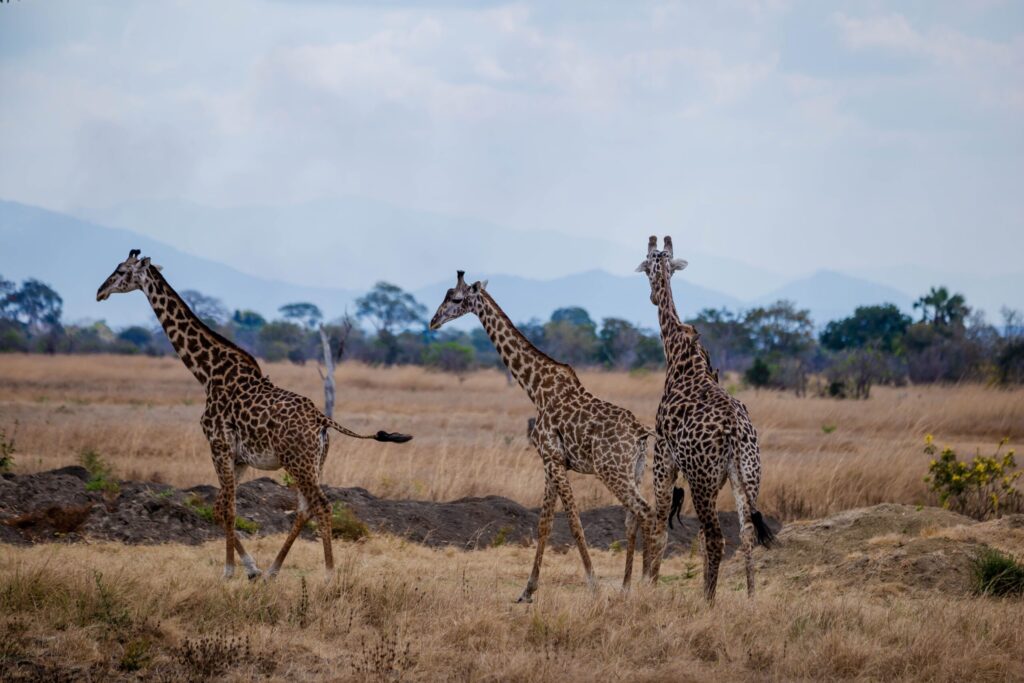
Published estimates put the migration at more than 1.5 million wildebeest and about 250,000 zebra, with several hundred thousand Thomson’s gazelle in the wider ecosystem. Numbers vary from year to year and by source, so treat them as a guide rather than a promise.
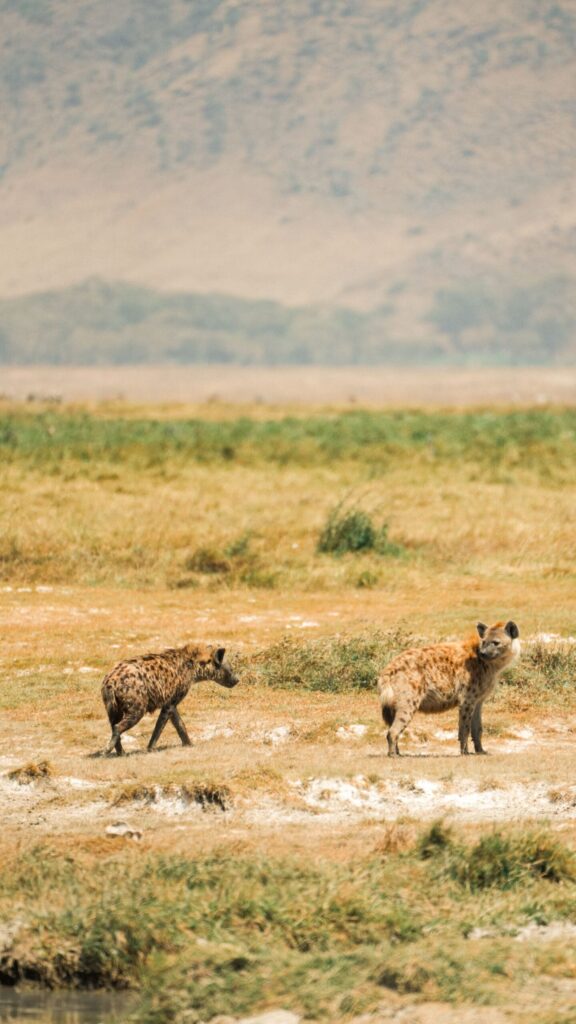
A canine distemper outbreak in 1994 killed about a third of the lions in the area, a reminder that populations rise and fall over time.
The herds follow the rains, not a calendar, so treat the months below as a typical pattern.
| Months | Where the herds usually are | What happens |
|---|---|---|
| Dec–Jan | Southern Serengeti and Ndutu | Herds return south ahead of calving |
| Feb–Mar | Southern plains, Ndutu, Lake Masek | Calving season; thousands of births a day at the peak |
| Apr | Moving north and west | Long rains begin; herds split into smaller groups |
| May–Jun | Central and Western Serengeti | Herds move north; some enter Grumeti |
| Jul | Western Serengeti, Grumeti River | First river crossings |
| Aug–Sep | Northern Serengeti and Maasai Mara | Mara River crossings at their most active |
| Oct | Mara and Northern Serengeti | Most herds begin crossing back into Tanzania |
| Nov | Loliondo and eastern Serengeti | Short rains; herds head south again |
Comparing options? See Maasai Mara vs Serengeti for a side-by-side view, or Kenya vs Tanzania safari for the bigger picture. Not sure about group size? Read private vs shared safari.
We recommend at least three nights in the Serengeti, and four to five if the migration is your priority. Pair it with Ngorongoro Crater and Tarangire for a classic northern Tanzania circuit, or with the Maasai Mara to follow the herds across the border.
Facts on this page were checked against Wikipedia: Serengeti National Park and Africa Geographic: when to witness the Great Migration. Animal counts are published estimates and change over time.
It depends on what you want. January to March is the calving season, June to July suits the western corridor, and July to October is best for Mara River crossings. Central Seronera is good all year.
Usually moving through the western corridor and into the northern Serengeti, with early crossings of the Mara River.
Three nights at minimum. Four or five lets you reach the northern Serengeti or cover more areas.
They are one ecosystem and each has its strengths. The Serengeti is larger and quieter, the Mara is more compact and easier to reach from Nairobi. Many guests do both.
Most visitors need a Tanzanian visa, available online or on arrival. Check the current rules before you travel.
A practical guide to the Serengeti: which region to choose, when the herds are where, what the park fee is,…
Masai Mara or Serengeti? A clear comparison of size, crowds, migration timing, cost and how many days you need, so…
Masai Mara entry fees for 2026: USD 100 per day January to June, USD 200 July to December, plus conservancy…