Maasai Mara With Samburu or Amboseli: Which Combination Suits You?
Pair the Maasai Mara with Samburu or Amboseli? Compare what each second stop adds, real Cherish itineraries, night allocations and…

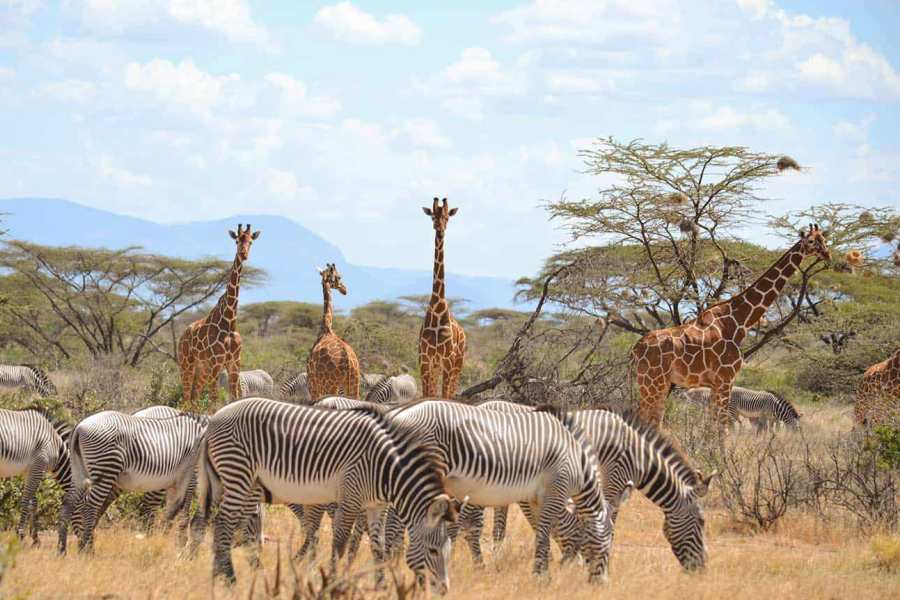
Samburu National Reserve lies in northern Kenya, in a hotter, drier and more rugged landscape than the southern parks. The Ewaso Ng'iro River runs through its heart, lined with doum palms and acacia, and draws animals you will not find in the Maasai Mara or Amboseli. It is a place for travellers who want something different from the classic safari circuit.
Here is what you will see, when to visit and how to plan Samburu, alone or with Lewa and Mount Kenya.
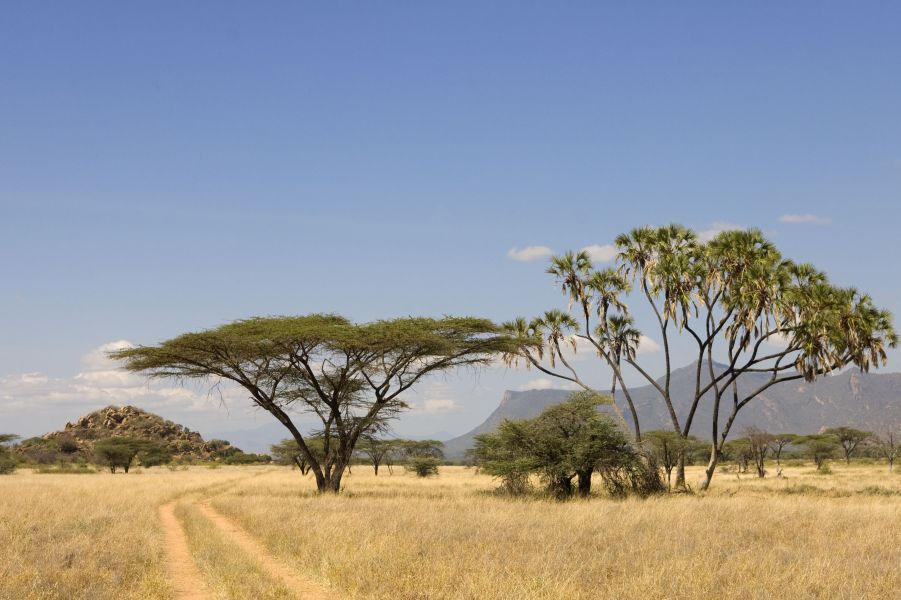
Samburu is a small reserve of about 165 square kilometres, but it packs in a lot. The Ewaso Ng'iro River, whose name means "brown water", flows through the middle of the reserve and creates a green strip of riverine forest and doum palms in otherwise dry country. Animals come to the river all day, and the clear views along its banks make wildlife easy to find.
The reserve sits at roughly 800 to 1,230 metres, and it is hot and dry for much of the year. It is next to Buffalo Springs and Shaba reserves, which together make a larger wilderness for wildlife, and it is named after the Samburu people, semi-nomadic pastoralists related to the Maasai who still live on the land around it.
The region also has a literary history. George and Joy Adamson raised Elsa the lioness, made famous in the book and film Born Free, in this part of northern Kenya.
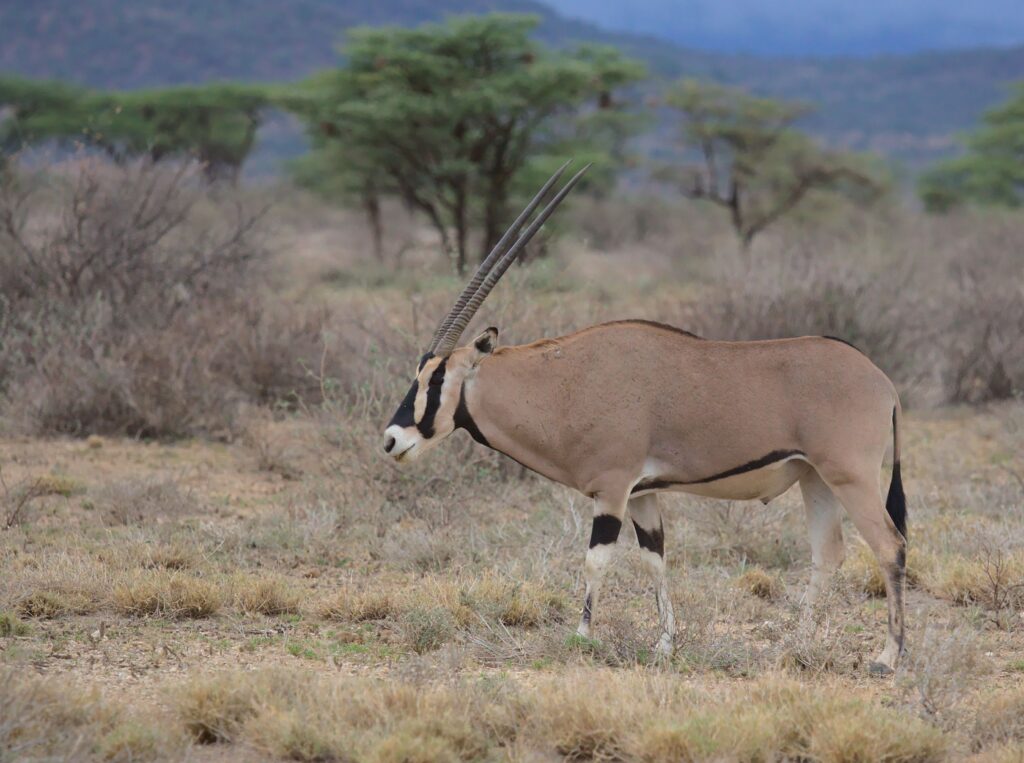
Samburu is known for dry-country species that are rare or absent in the south. Guides often call five of them the "Samburu Special Five".
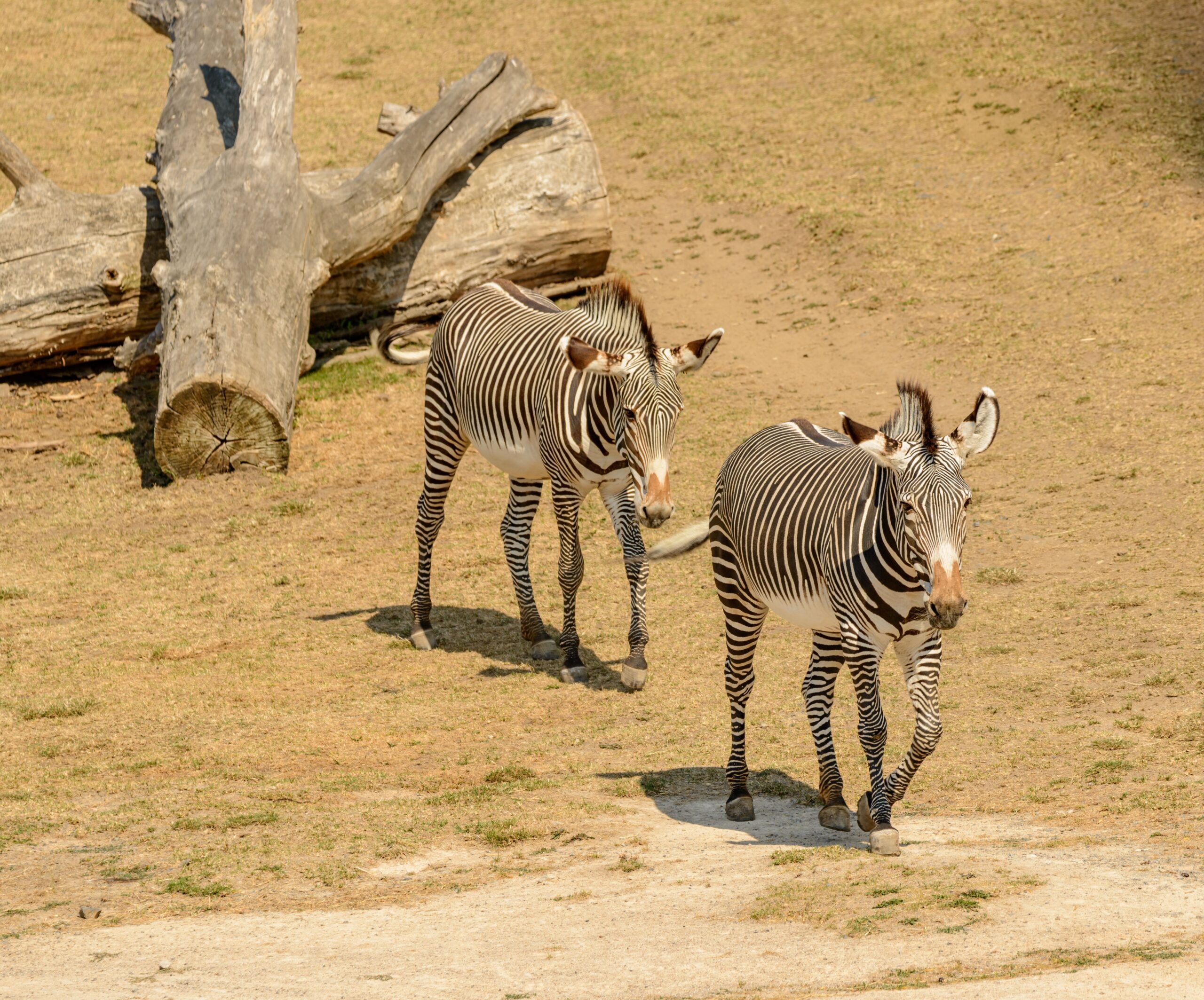
Narrower stripes, large round ears and a bigger body than the common zebra. An endangered species and one of the highlights of northern Kenya.
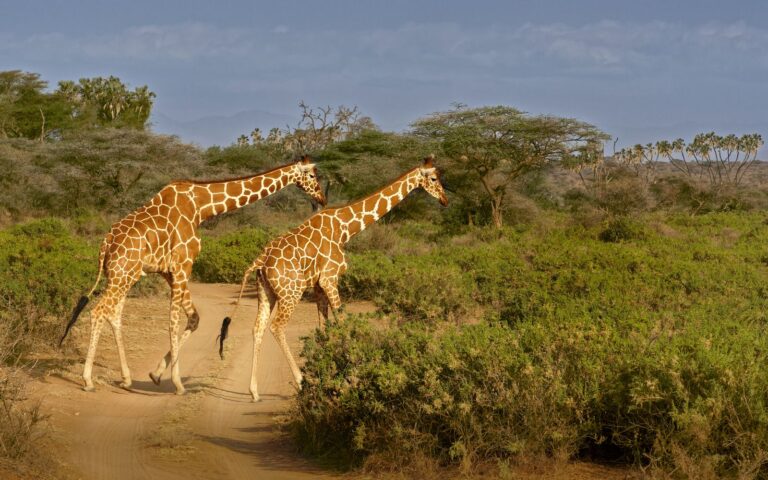
Distinct for its bold, polygon-shaped brown patches outlined in white.
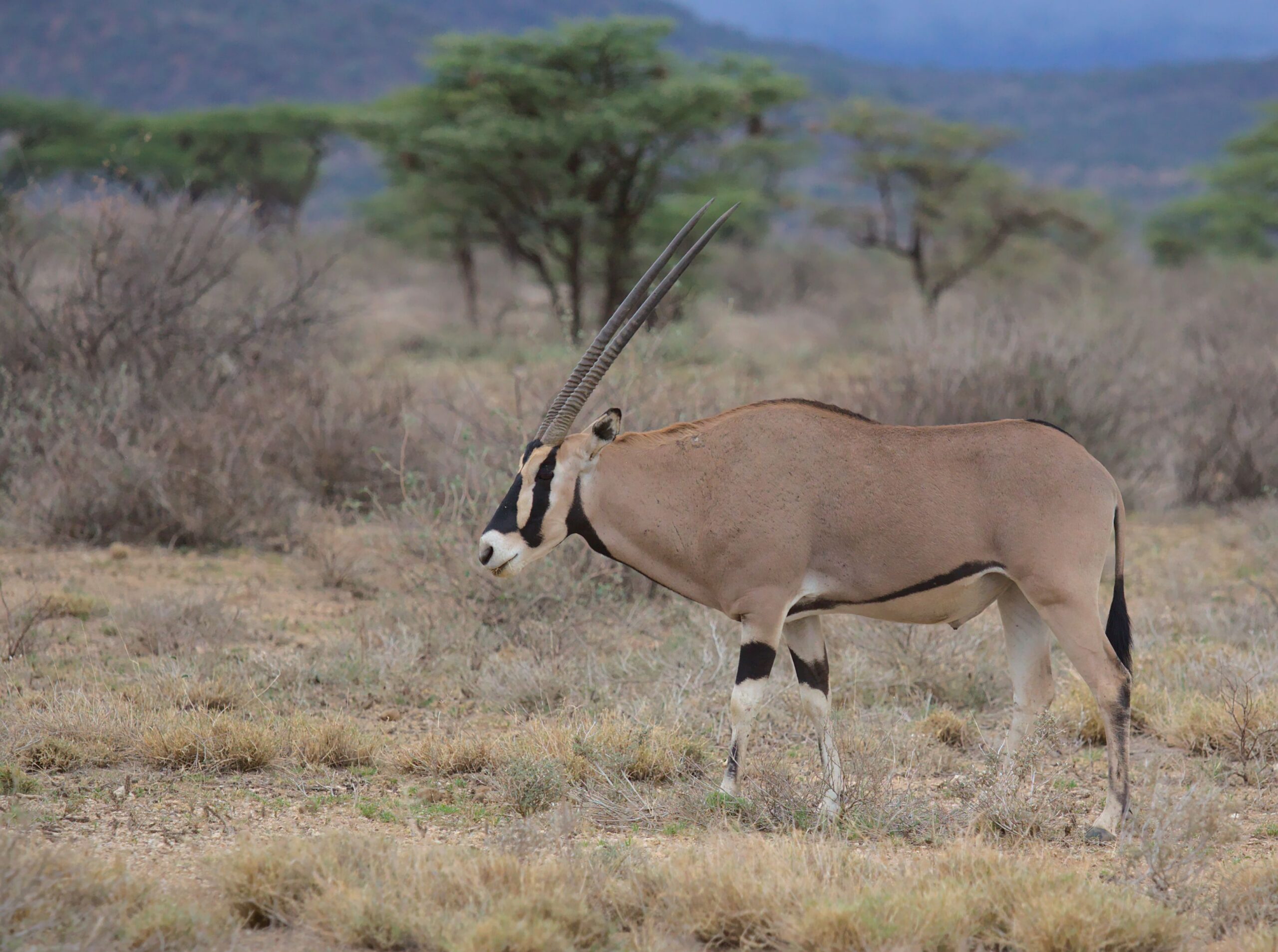
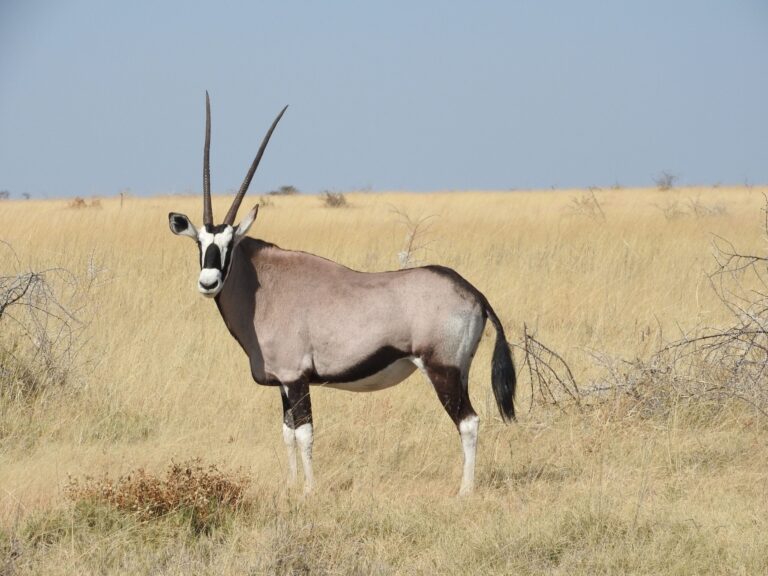
A handsome desert antelope with long, straight horns.
An antelope with a long neck that stands on its hind legs to feed from bushes. Its name means "giraffe-necked" in Somali.
The blue-grey-necked Somali ostrich is a distinct species from the common ostrich.
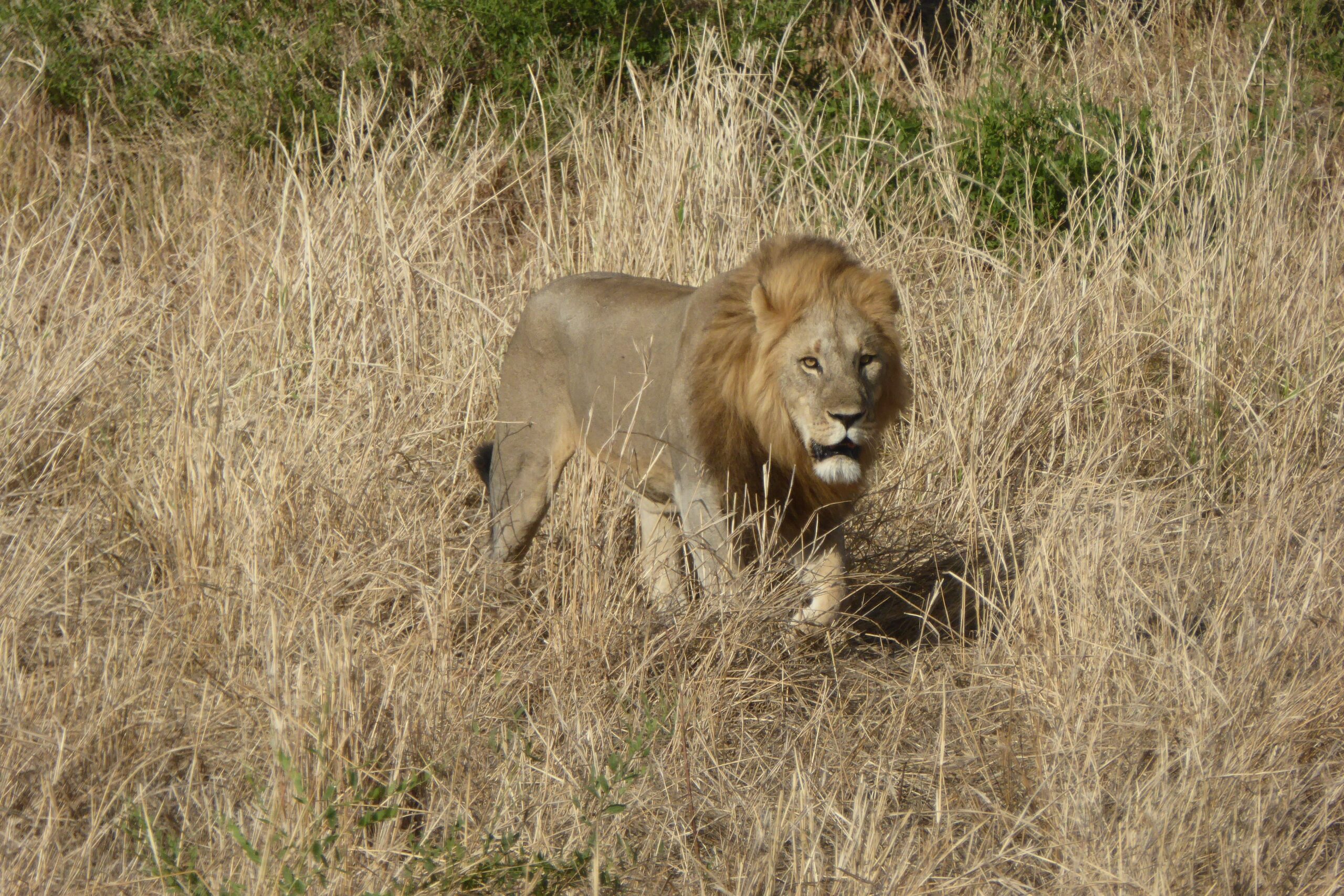
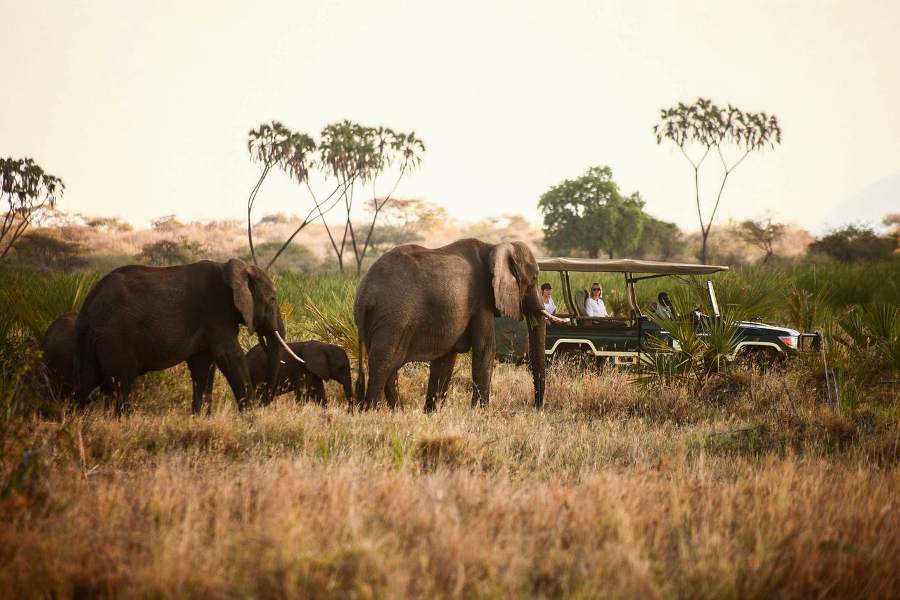
Elephants gather along the river, and lion, cheetah and leopard are all present. A small black rhino population was reintroduced after an absence of about 25 years. Nile crocodiles are common in the river.
Samburu is hot and dry for much of the year, with limited rain. Because wildlife depends on the river, game viewing is good in most months.
About 350 km from Nairobi, around 6 hours, usually via Nanyuki and Isiolo. The route passes Mount Kenya and is a pleasant drive, with stops possible at the equator.
Scheduled and charter flights from Nairobi's Wilson Airport reach airstrips near the reserve in around 1 hour.
Samburu and Lewa are close, so many itineraries visit both in a single northern Kenya loop.
Camps and lodges are spread along the river, with many tents and rooms overlooking the water where elephants come to drink. Some are simple and good value, others are luxury camps with private decks. Tell us your budget and preferred level of comfort and we will recommend the right place.
Samburu lies in the arid north of Kenya, a long way from the green plains of the Mara. The land is hot and dry, with red earth, scrub and acacia, rocky hills and a single ribbon of life: the Ewaso Ng'iro River. The reserve is small at about 165 square kilometres and sits at roughly 800 to 1,230 metres above sea level, but it is part of a much larger landscape of community land and conservancies where wildlife moves freely.
This is the Kenya many people do not expect: dramatic, quiet and different. Animals are drawn to the river, so game viewing often follows the water, and the dry-country species you see here are not found in the southern parks.
The Ewaso Ng'iro flows through the reserve and feeds the riverine forest that line its banks. Elephants come to drink and bathe, buffalo and waterbuck graze on the grass, and large Nile crocodiles bask on the sandbanks. Leopards use the riverside trees, and lions hunt the animals that come to the water. The river eventually empties into the Lorian Swamp, far downstream.
Many camps are built on or near its banks, and the sounds of the river at night are a big part of the Samburu experience.
Samburu is known for five species that are far easier to see here than in the southern parks. Guides call them the Samburu Special Five:
Several of these species are scarce, and some are endangered, so seeing them here is a real pleasure. You will also find elephants, lions, cheetahs, leopards, buffalo and hippos, and more than 350 bird species have been recorded in the reserve.
Samburu's elephants are a highlight, and families can be seen coming down to the river in the morning and evening. Researchers have studied the elephants of this region for many years, and good guides can often tell you which families you are watching. Lions are present, and the reserve forms part of a lion conservation unit that was recognised in 2005. Leopards and cheetah are possible, particularly with an early start.
Samburu has a place in wildlife history. Joy and George Adamson lived in this region, where they raised and released lions, including Elsa, the lioness who became famous through the book and film Born Free. Guests who know the story often enjoy seeing the landscape where it took place. Their work helped to shape modern ideas about conservation in Kenya.
The reserve is named after the Samburu, pastoral people who live in the surrounding area and who are closely related to the Maasai in language and customs. Many of the guides, rangers and camp staff you meet come from local communities. Cultural visits, such as spending time in a village or learning about beadwork, can be arranged through community hosts. As elsewhere, please ask before taking photographs, treat the visit as a visit to a home, and buy crafts directly from the makers.
Samburu forms a group with neighbouring reserves, including Buffalo Springs and Shaba, and they are often combined in a single visit. Beyond the reserves, community conservancies in the Laikipia and Samburu region offer additional experiences such as walking, night drives and horse-riding that are not allowed inside the reserves. We can suggest the right combination for your interests.
The day begins early with tea and a drive along the river, when the air is cool and animals are most active. By mid-morning the heat builds and wildlife seeks shade, so most guests return to camp for a long breakfast or lunch and a rest by the pool. Afternoon drives start once the heat eases and often end at a sundowner stop with a view across the plains. Some camps arrange bush dinners, guided walks near camp and visits to local villages. Because the animals gather along the river, sightings can be rich even on a short stay, and your guide will tell you which sections to explore for the species you most want to see.
Wear neutral colours, long light layers for sun and dust, a hat and closed shoes. Carry binoculars and plenty of water.
Samburu is hot for most of the year, so plan drives for early morning and late afternoon and rest at midday. The drier months, from about June to October and December to March, are comfortable for viewing, while the rainy periods turn the landscape green and bring fewer visitors. The reserve is roughly 350 kilometres from Nairobi, a long day by road, so many travellers fly to a nearby airstrip. Allow at least two nights, and consider combining Samburu with Mount Kenya, Aberdare, Ol Pejeta or Lewa for a northern circuit. Pack light clothes, a hat, sunscreen and binoculars.
Two nights is the minimum, and three nights lets you slow down and explore the neighbouring reserves. Samburu combines well with:
Read our Samburu guide for more detail.
Information was compared across sources. Wildlife sightings vary, so we do not promise specific animals. Please confirm details with us when you book.
It is home to dry-country species rarely seen further south, including Grevy's zebra, reticulated giraffe, beisa oryx, gerenuk and Somali ostrich, along the Ewaso Ng'iro River.
About 350 km, or roughly 6 hours by road. A flight takes about an hour.
Yes. Lions, cheetah and leopard all live in the reserve and are often seen near the river, especially in the early morning.
Yes. Days are hot and dry for much of the year, and evenings are comfortable. Pack light clothes, a hat and sunscreen.
Two to three nights. That gives you time to see the river wildlife and to visit the neighbouring Buffalo Springs and Shaba areas.
Pair the Maasai Mara with Samburu or Amboseli? Compare what each second stop adds, real Cherish itineraries, night allocations and…
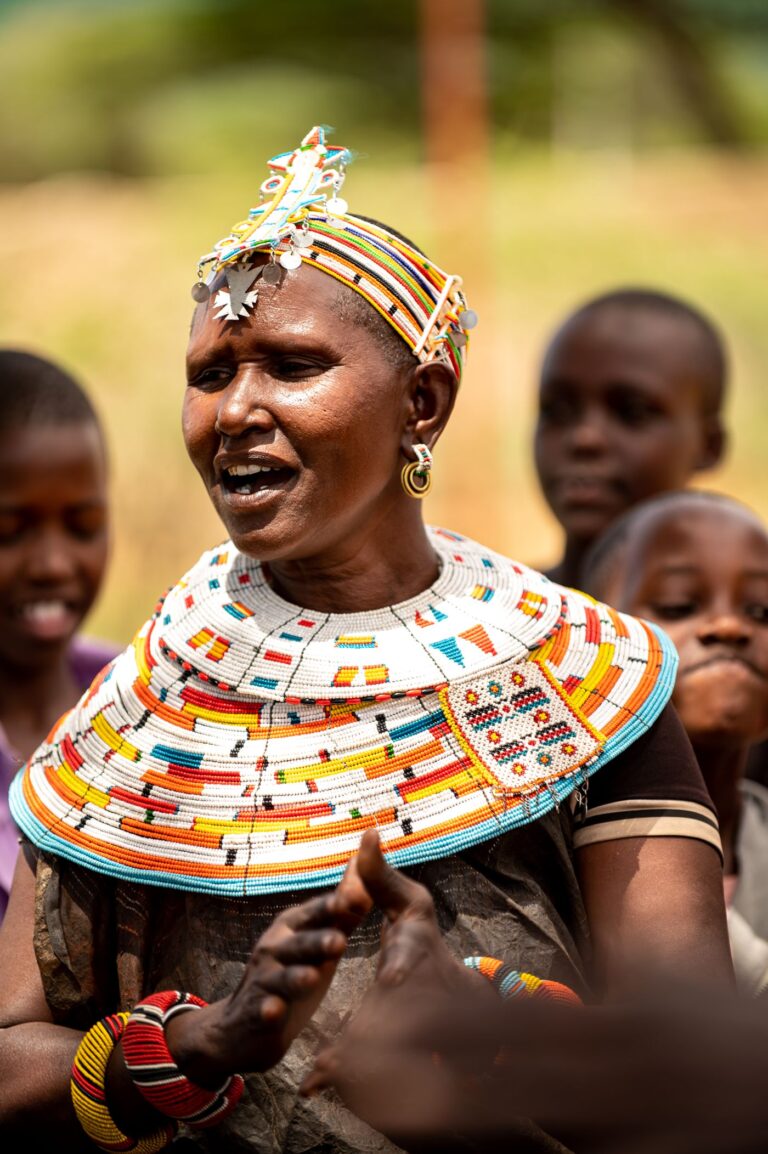
Who the Samburu people are, where they live, how they herd and dress, and how to be a respectful visitor…
Ask a guide in the Maasai Mara what makes Samburu special and you will get the same answer every time:…