Lake Naivasha and Hell’s Gate: Boats, Bikes and Walking Safaris
A guide to Lake Naivasha and Hell's Gate National Park: boat rides, Crescent Island walks, cycling among wildlife and how…

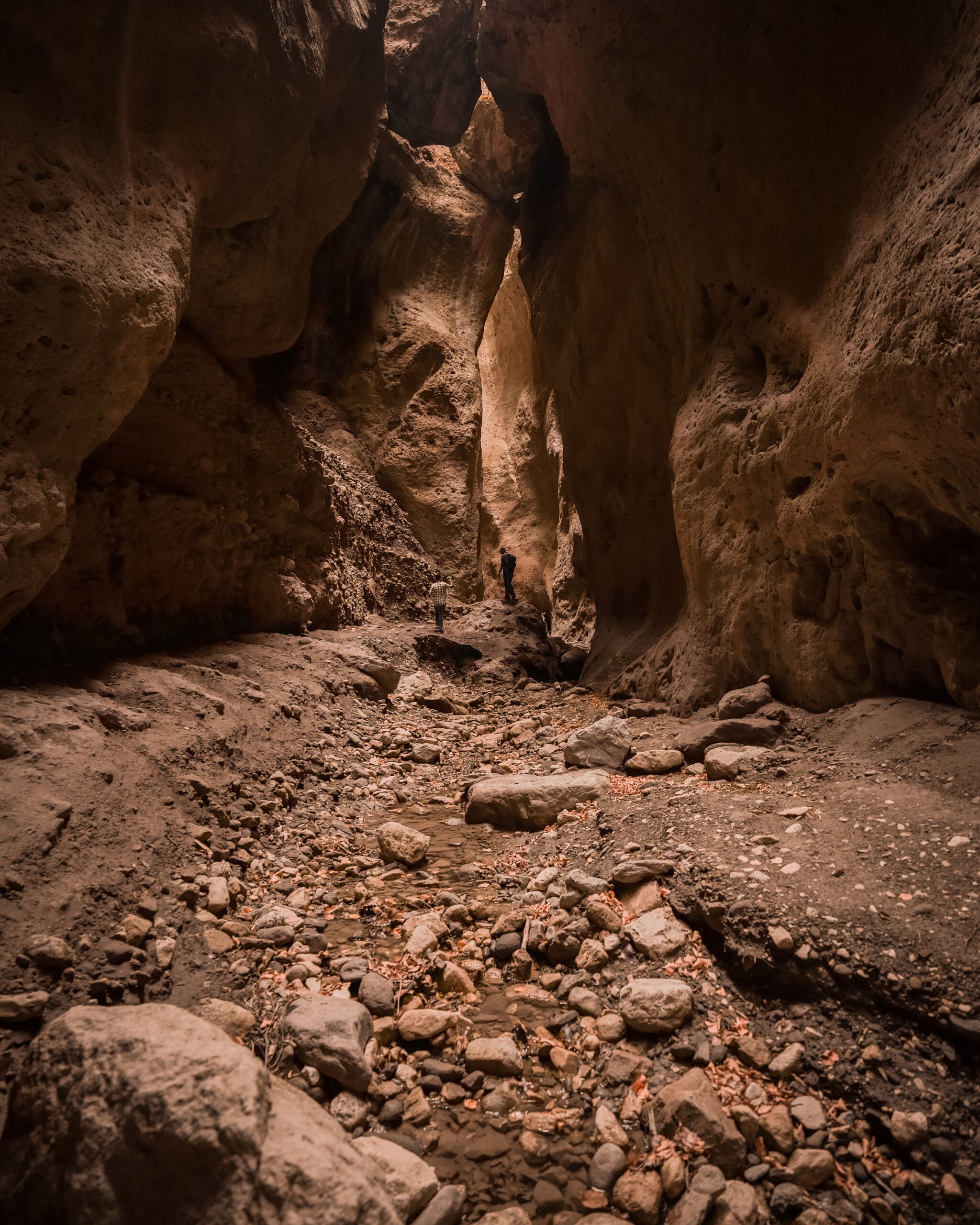
Hell's Gate is a small, dramatic park near Lake Naivasha where you can leave the vehicle and explore on foot or by bicycle. Red cliffs frame a wide valley, a volcanic plug called Fischer's Tower rises from the floor, and zebra, buffalo and Thomson's gazelle graze right beside the path. There are few big predators, which is why walking is permitted.
Here is how to do Hell's Gate well, from the gorge walk to the geothermal landscape.
The park takes its name from a narrow break in the cliffs that early explorers described as a gate to the valley beyond. Today it is one of the best-value activities in the Naivasha area because you get a real sense of the Rift Valley landscape at walking pace.
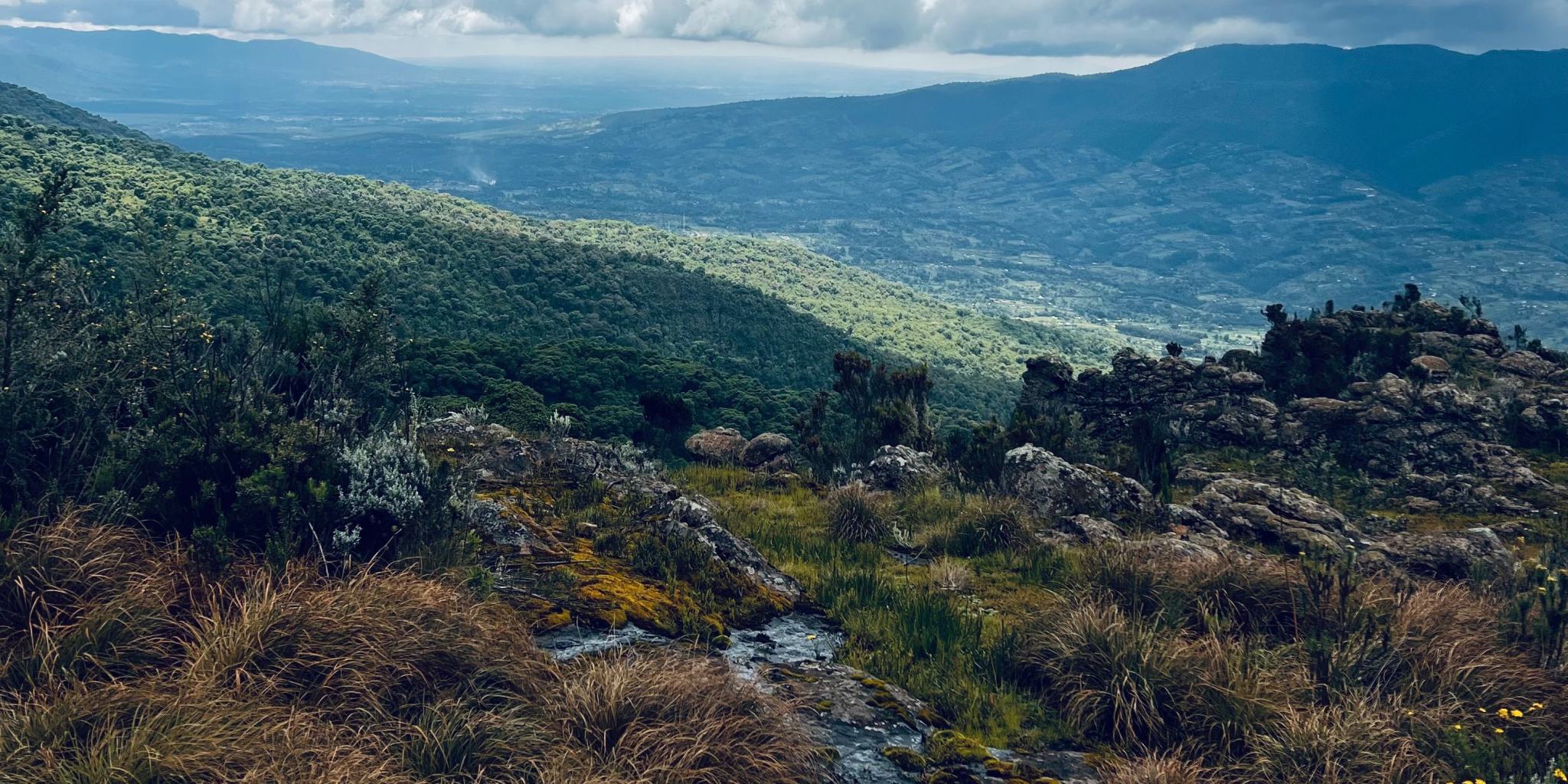
Within the park you will find tall cliffs of volcanic rock, a gorge carved by ancient water flows, and a geothermal area where steam rises from the ground. Kenya's Olkaria geothermal power stations operate nearby, using the same underground heat.
Wildlife is relaxed and easy to approach. Because lions are absent or very rare, rangers allow visitors to walk and cycle on set routes, which makes Hell's Gate very different from a standard game drive.
Bicycles are available to hire near the gate. The main road through the park is mostly flat and ideal for a half-day ride among zebra and gazelle.
Hire a guide to walk the Ol Njorowa gorge, a narrow canyon with striking walls, rock formations and a good chance of seeing klipspringer and raptors. Wear sturdy shoes; the path can be slippery after rain.
A volcanic plug, the hardened core of an old vent, standing about 25 m high. It is a popular rock-climbing spot as well as a photographic landmark.
Black volcanic glass is scattered through the park. Near the geothermal area you can see steam vents and, in some places, warm water.
There are picnic sites and viewing points where you can sit and watch zebra, eland and buffalo.
Routes on the cliffs and on Fischer's Tower suit beginners and experienced climbers. Take a local guide for safety.
The main gate is about 15 to 20 minutes from Naivasha town by road. Most visitors combine it with a lake boat ride.
About 100 km, around 2 to 2.5 hours. A day trip is possible but an overnight in Naivasha is more relaxed.
Hat, sunscreen, sturdy shoes, water and a light jacket. Gorge walks can be hot at midday and cool in the shade.
Hell’s Gate is small — about 68 km² — and was established as a national park in 1984. It sits at roughly 1,900 m, near Lake Naivasha and about 90 km from Nairobi, and is managed by the Kenya Wildlife Service.
Its signature feature is Hell’s Gate Gorge, with red cliffs that hold two volcanic plugs: Fischer’s Tower and Central Tower. A smaller gorge branches south from Central Tower, and walkers can follow paths through it.
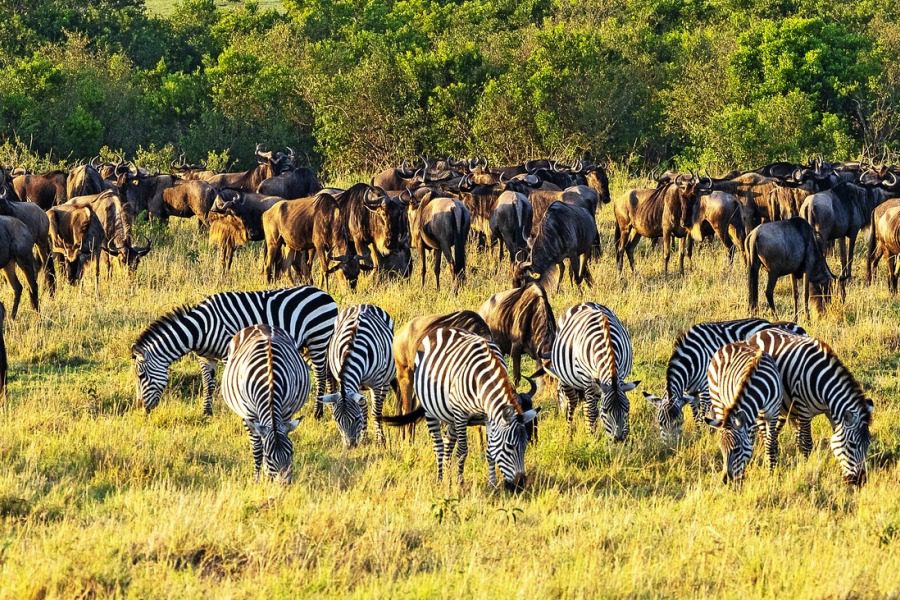
This is not a big-cat park, but it has a lot to see on foot or by bike. Zebra, buffalo, eland, hartebeest, Thomson’s gazelle, baboons, hyraxes and several smaller species are present, and lions, leopards and cheetahs are recorded, though sightings of them are not something to count on.
Birdlife is a highlight: more than 100 species have been recorded, including vultures, Verreaux’s eagles, augur buzzards and swifts.
Hell’s Gate is one of only two Kenyan national parks where visitors can hike and cycle among the animals, and camping is also permitted. There are basic campsites and a Maasai Cultural Centre. Pace yourself: it is hot, there is little shade, and the gorge walk involves some scrambling. Bring water, sun protection and sturdy shoes, and follow your guide’s advice near wildlife.
The park lies beside the Olkaria geothermal fields, where steam from the volcanic system is used to generate electricity. Olkaria I, established in 1981, was the first station of its kind in Africa, and further stations followed. You will see pipelines and plant infrastructure around the park, which is part of what makes it unusual among Kenya’s parks.
Hell's Gate fits well with Lake Naivasha for a boat ride and Crescent Island, then Lake Nakuru for rhino and birds. We can also include it on a Maasai Mara safari as an active first day.
Checked against Wikipedia: Hell’s Gate National Park. Some details on that page (such as the hot springs and fee changes) are poorly sourced, so we have left them out. Please confirm current fees and rules with us before you travel.
Yes. It is one of the few Kenyan national parks where visitors can walk and cycle, because large predators are scarce. Always follow ranger advice and stay on marked routes.
Lions are not resident, which is why walking is allowed. Leopard, hyena and other predators are occasionally reported, so go with a guide.
Plan on three to four hours for cycling, or half a day if you add the gorge walk.
Yes. Older children can cycle, and the flat tracks and relaxed animals make it a good first walking experience.
A guide to Lake Naivasha and Hell's Gate National Park: boat rides, Crescent Island walks, cycling among wildlife and how…
A plain-English guide to the Masai Mara National Reserve: its gates, sectors, the Mara Triangle and how to choose where…
Day trips from Nairobi: Nairobi National Park, the Giraffe Centre, Karura Forest, Hell's Gate and more, with real distances and…