Maasai Mara With Samburu or Amboseli: Which Combination Suits You?
Pair the Maasai Mara with Samburu or Amboseli? Compare what each second stop adds, real Cherish itineraries, night allocations and…

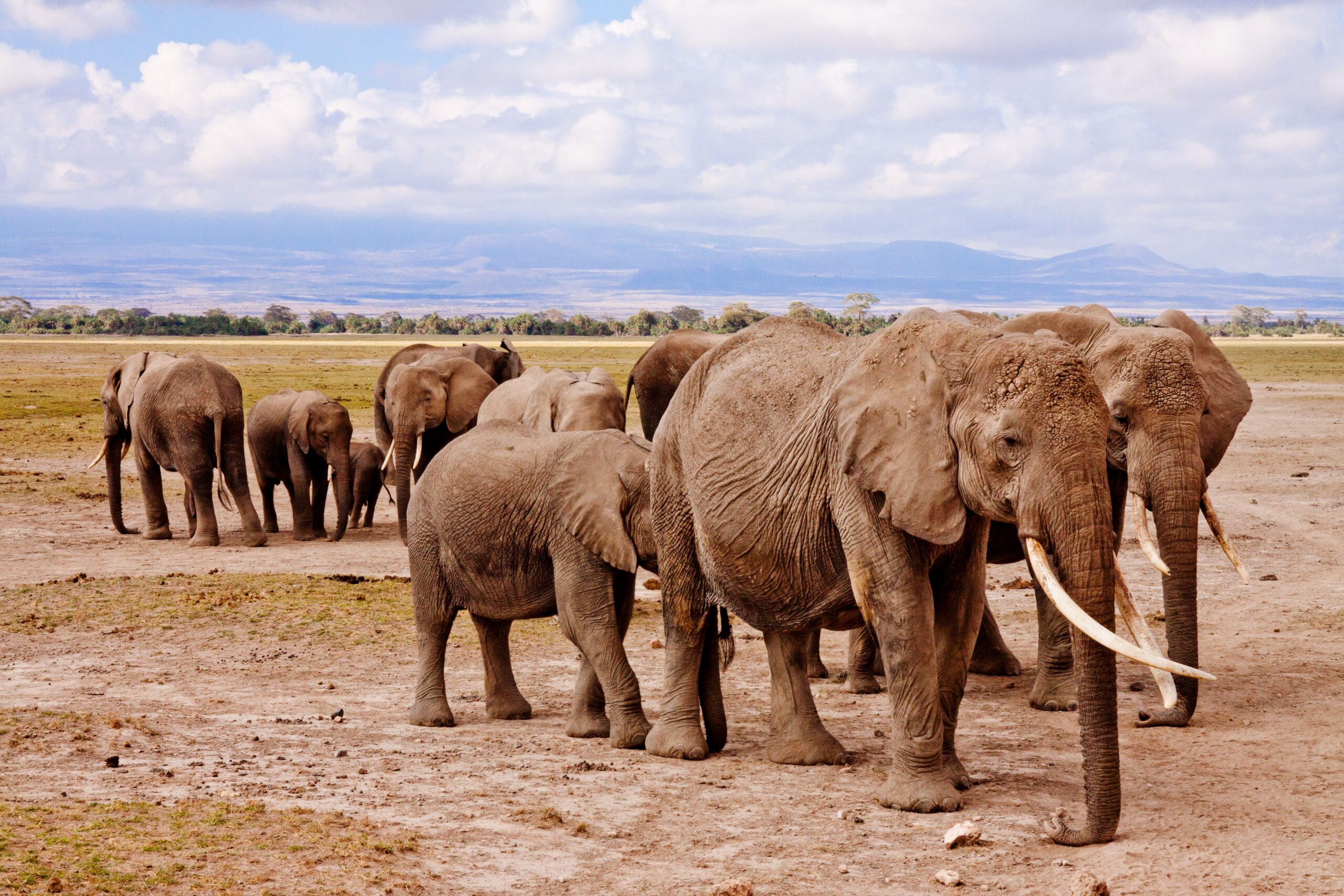
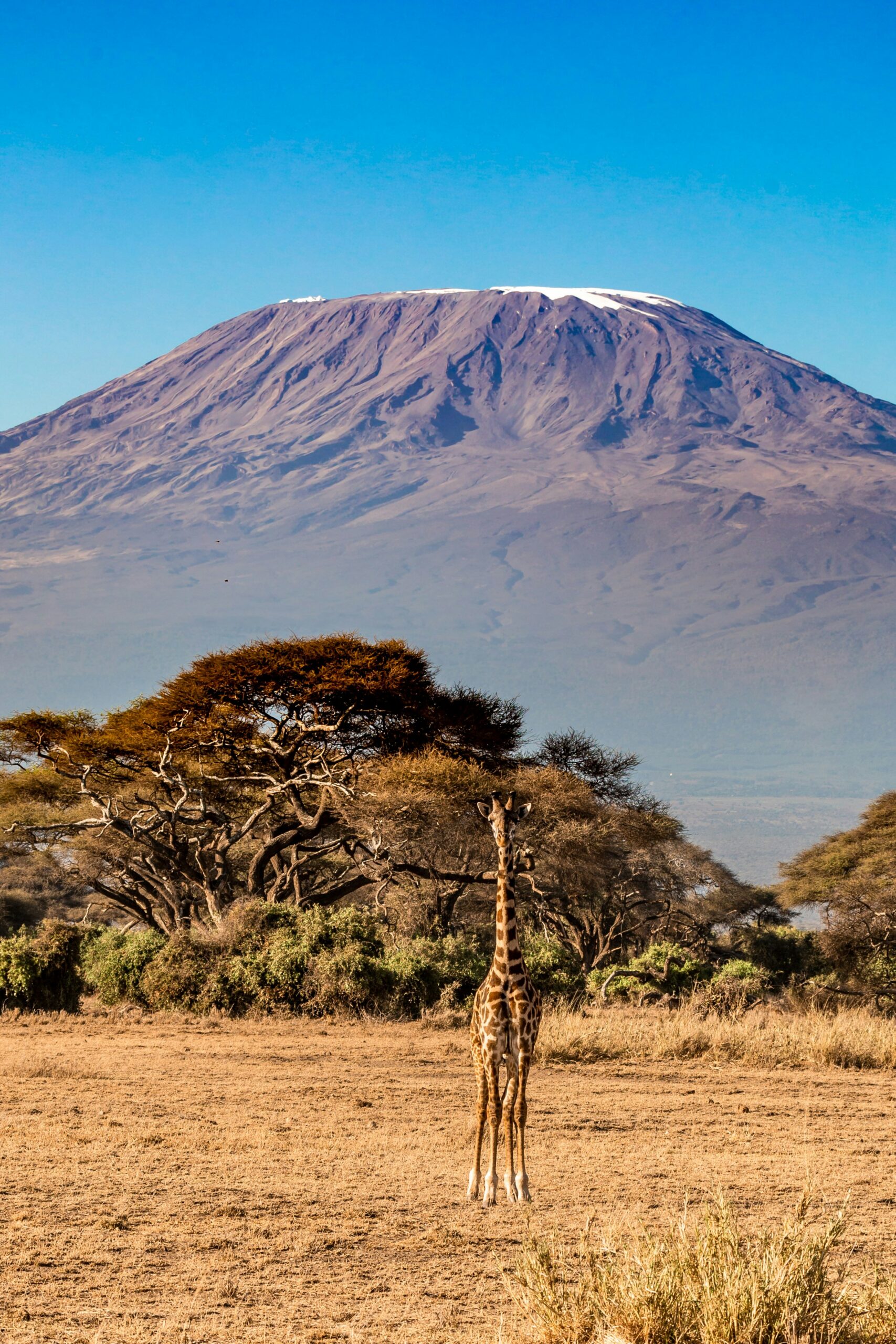
Amboseli is the park to choose for elephants. Great herds walk across open plains and through green swamps with Mount Kilimanjaro, Africa's highest mountain, rising behind them. It sits at the foot of the mountain in Kajiado County, close to the Tanzanian border, and it is one of the most photogenic and easiest-to-visit parks in Kenya.
Here is what to expect: the wildlife, the best months for clear mountain views, how to get there and how Amboseli fits into a longer Kenyan safari.
Amboseli is small by safari standards, at about 392 square kilometres, but it protects the core of a much larger ecosystem of roughly 8,000 square kilometres that stretches across the border into Tanzania. Its landscape is a mix of dry, dusty plains, the bed of an ancient lake and permanent swamps. Water from Kilimanjaro's slopes seeps underground and rises in these swamps, which is why the park stays green and full of animals when the surrounding country is parched.
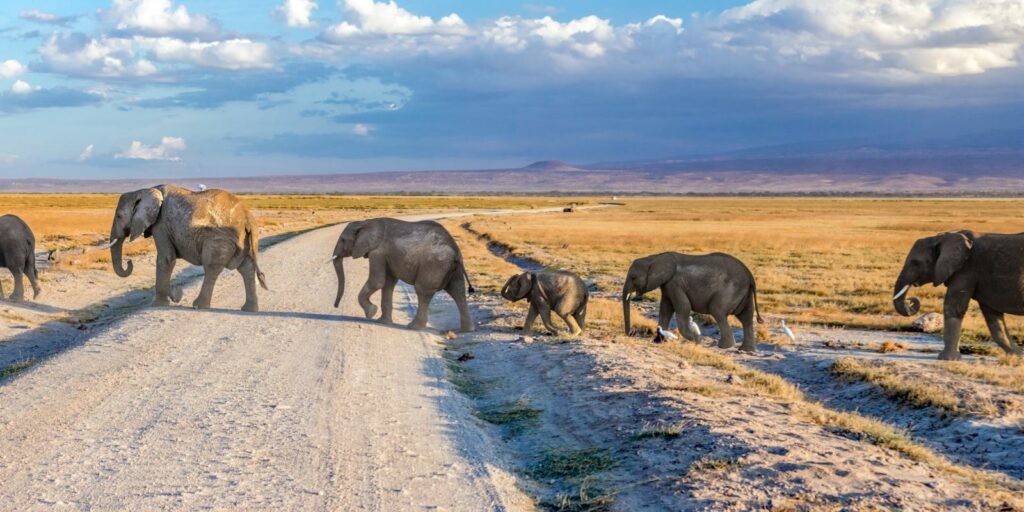
That compact, open terrain is the secret to Amboseli's appeal. Elephants are easy to find and often walk right beside the vehicle. There is almost no thick bush to hide the view, and on a clear morning the snow-capped summit of Kilimanjaro fills the horizon behind every herd. It is a favourite with photographers, and with families and first-time visitors who want excellent sightings without long drives.
The area was first set aside in 1906 as the Southern Reserve for the Maasai. It was returned to local control as a game reserve in 1948 and gazetted as a national park in 1974. UNESCO recognised it in 1991, and management has been the subject of discussion between national and local authorities ever since, because the land is also Maasai grazing country.
Amboseli is also home to one of the longest-running studies of wild elephants anywhere. Cynthia Moss has followed the park's elephant families since 1972, and the research has shown how elephants live in matriarchal family groups, remember their relatives for decades and respond to droughts. One of the best-known elephants, a matriarch named Echo, was followed for almost four decades and died in 2009 at about 60 years old. Our guides will often be able to tell you which family you are watching.
Amboseli is first and foremost an elephant park, but there is much more. Between 50 and 80 mammal species have been recorded here besides elephants.
Large family herds, including big tuskers, feed in the swamps and cross the plains to drink. Calves and mothers are often seen very close to the track.
Lion prides and spotted hyena are present, and cheetah hunt on the open plains. Predators are seen less often than in the Maasai Mara, but good sightings happen.
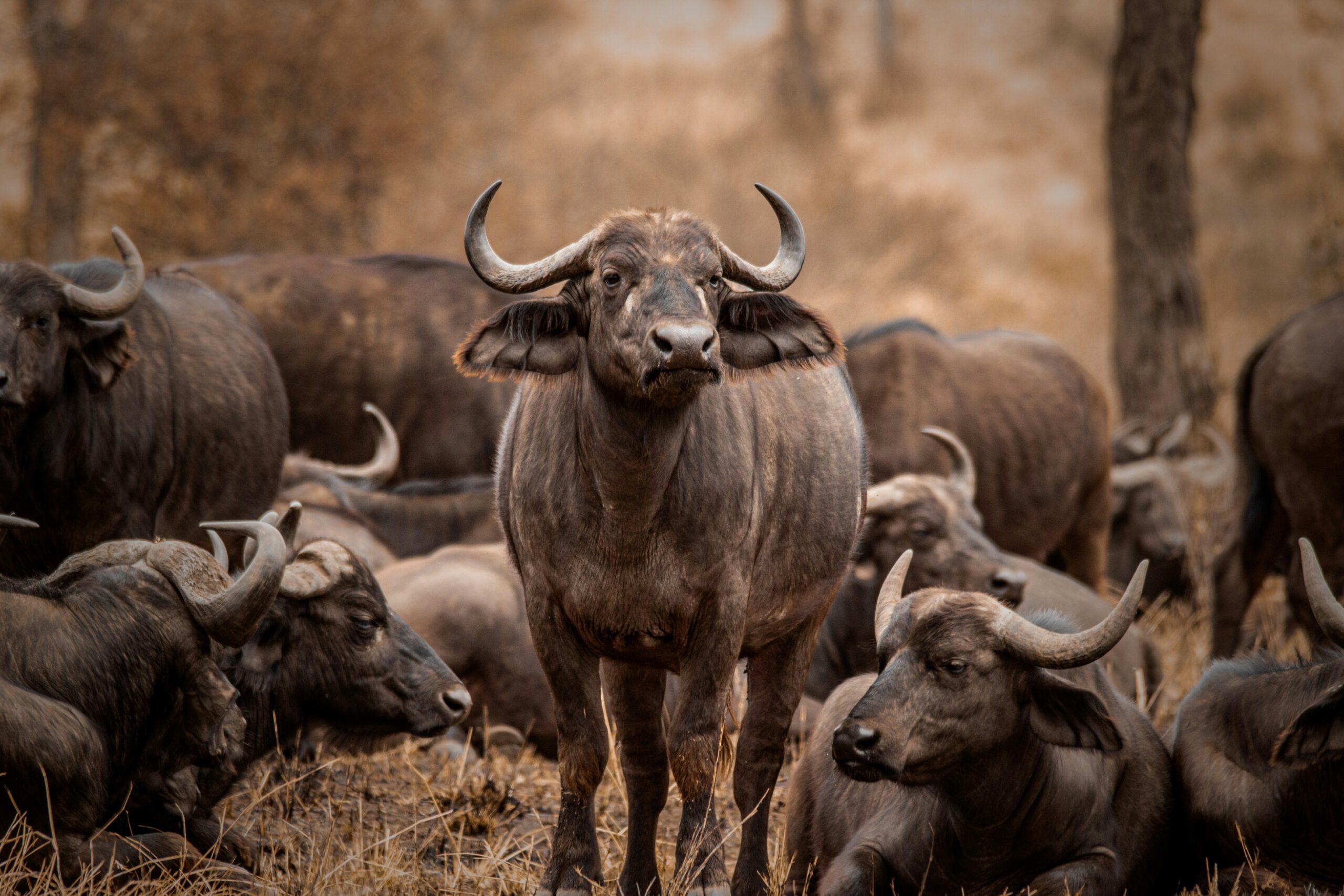
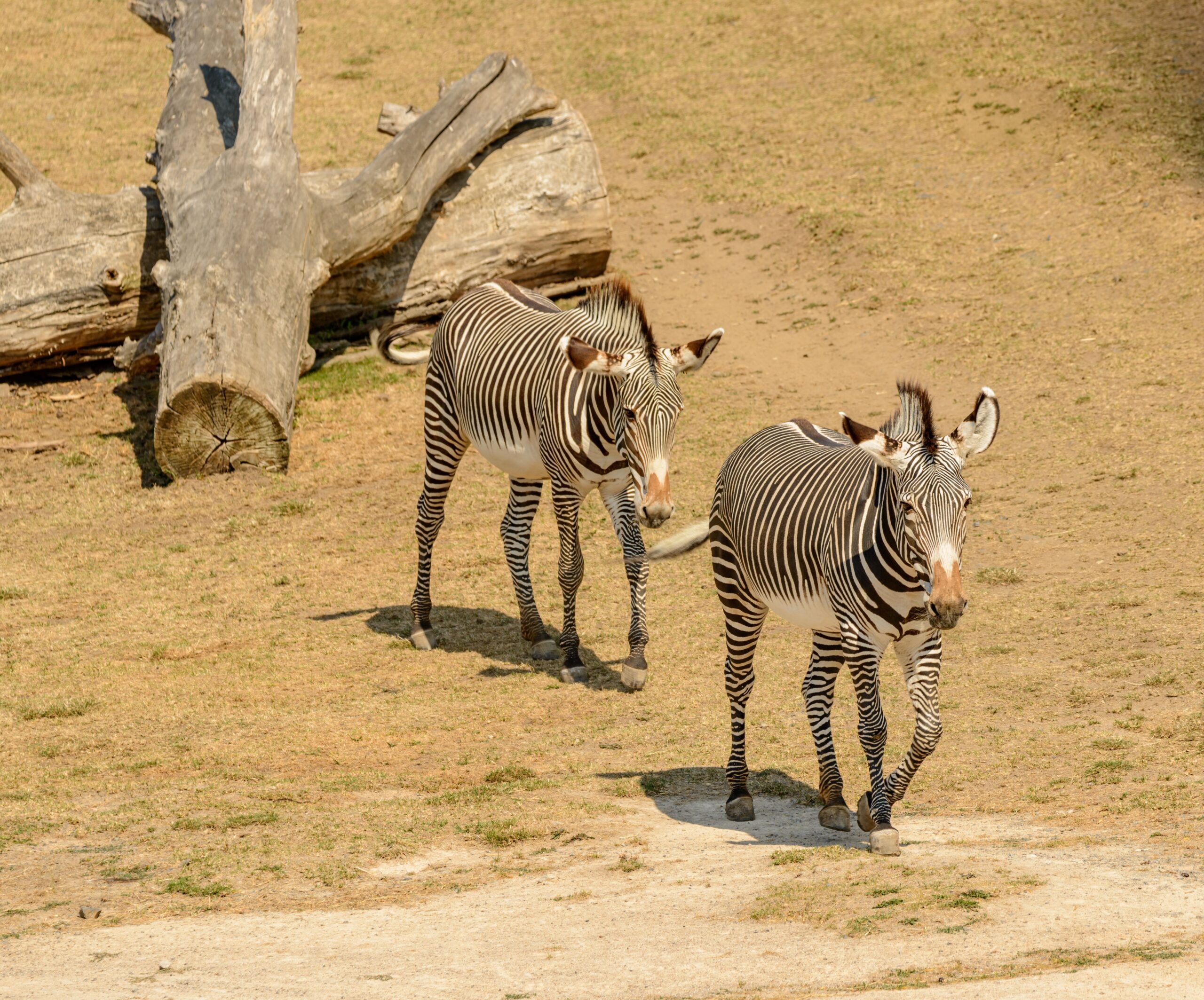
Cape buffalo and hippo wallow in the swamps, and Grant's zebra and blue wildebeest graze the open ground.
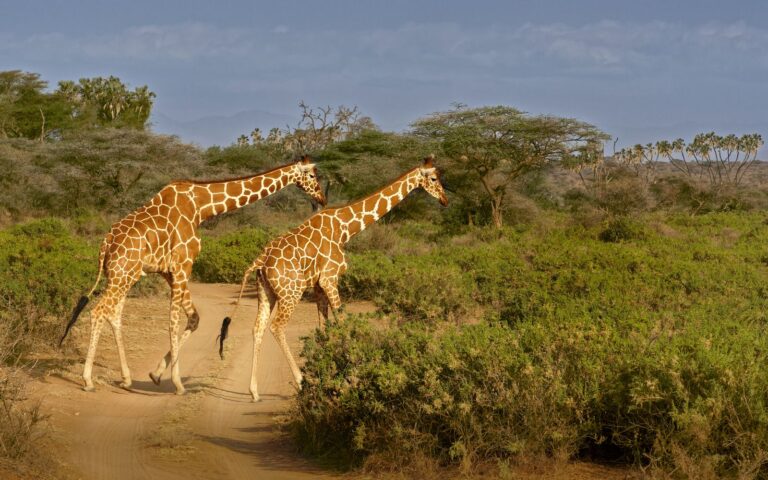
Masai giraffe, impala and other antelope are common, and yellow baboons live in the acacia woodland.
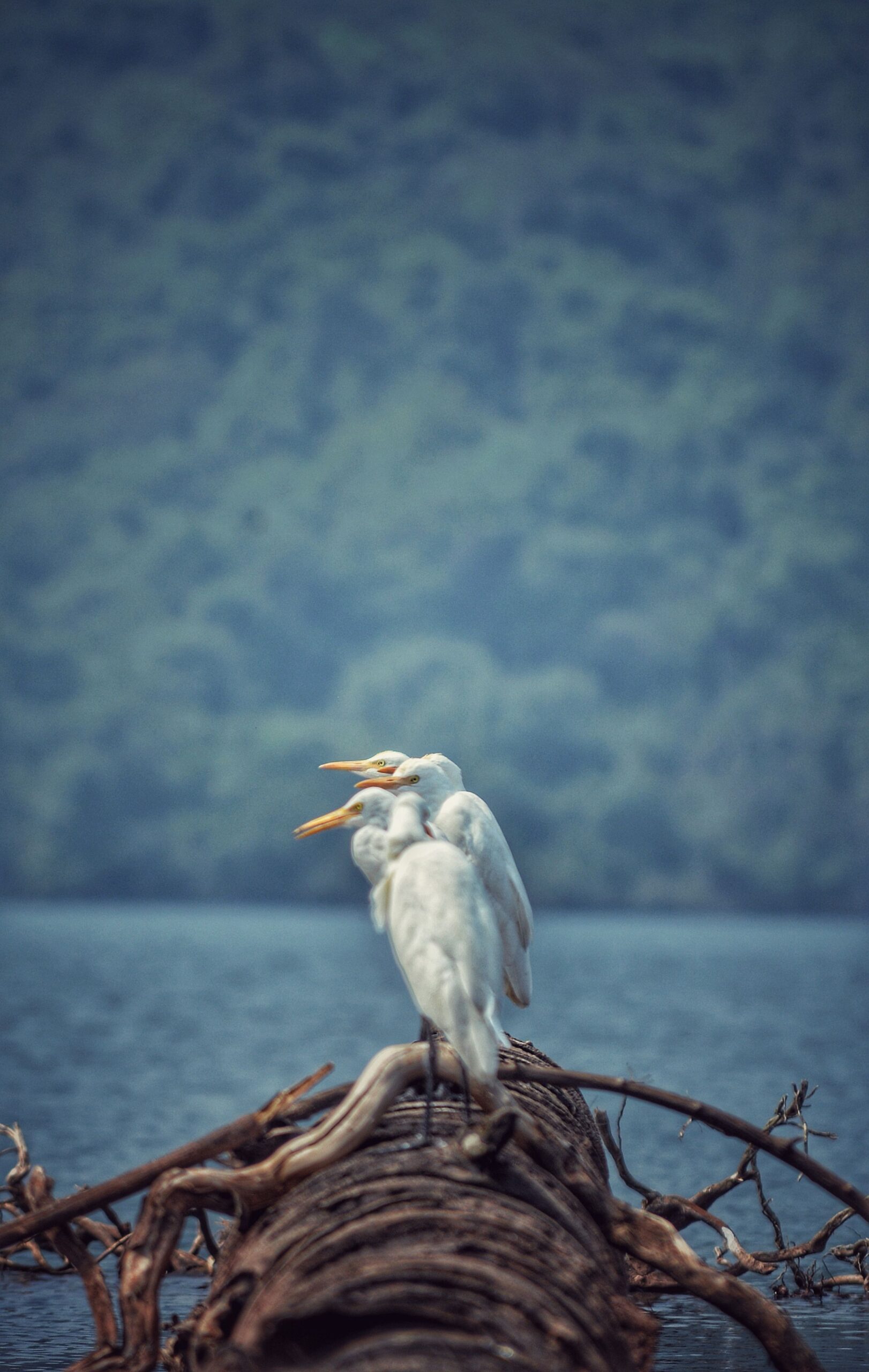
About 400 bird species have been recorded, including 47 species of raptor, plus pelicans, kingfishers, crakes and the odd-looking hamerkop. The swamps are especially rewarding for birders.
Kilimanjaro is in Tanzania, but Amboseli has the classic Kenyan view of it. The summit is often hidden by cloud during the day, and the clearest views are usually at sunrise and in the early evening. Plan your first and last game drive of the day around those times, and ask your guide to position the vehicle with the mountain in the frame.
Cloud cover varies with the season, so a clear view is never guaranteed. Dry months tend to give the best chance, but the dust can soften the horizon in the middle of the day.
Amboseli follows the usual East African pattern of two rainy seasons and two dry seasons. In the dry months animals gather at the swamps and are easy to find.
Roughly 4 to 5 hours from Nairobi, usually via the Namanga or Emali road. Amboseli is often reached on the way to or from Tsavo or the Maasai Mara, so a road trip can be part of a longer loop.
Scheduled and charter flights from Nairobi's Wilson Airport take under an hour to Amboseli airstrips, which is helpful if time is short.
Entry fees are set by the management authorities and change from time to time. We include them in your quote.
Accommodation in and around Amboseli ranges from simple tented camps to comfortable lodges with views of Kilimanjaro. Lodges inside the park give you the shortest drives to the swamps. Camps and lodges on the surrounding Maasai land are usually quieter, often cheaper, and some offer cultural visits and guided walks that are not possible inside the park. Ask us which option suits your budget and whether you prefer a Kilimanjaro view from your tent or from the dining area.
Amboseli is famous for its view of Mount Kilimanjaro, which rises from Tanzania just across the border and is the highest mountain in Africa. The mountain makes its own weather, and the summit is often wrapped in cloud for much of the day. The clearest views are usually at sunrise and in the early morning, and again in the late afternoon. By midday haze and heat shimmer often blur the horizon, and in the dry season dust can reduce the view further.
For that reason we start game drives before dawn in Amboseli. A good first stop is Observation Hill, a small rise with wide views over the plains, where rangers are posted and you can step out and walk. From there the swamps look like a green band against the dry plain, with the mountain behind. Clear mornings are never guaranteed, so we plan more than one chance to see it.
Amboseli is best known for its elephants, large herds that are relaxed around vehicles and include some of the biggest-tusked bulls left in Africa. They have been studied since 1972 by the Amboseli Trust for Elephants, one of the longest-running studies of wild elephants in the world. The Trust has reported close to 1,900 living elephants in its study population at the end of 2024, a figure that has been slowly growing.
Watching a family on the move is the heart of an Amboseli day. Mothers, aunts and sisters stay together, calves keep close, and the matriarch leads the herd between woodland, swamp and open plain, often within a single morning. Visitors learn a great deal from the way the family cares for its young, and from the quiet communication that passes between individuals. Keep your distance, stay seated and let the herd decide the pace.
Amboseli sits in the rain shadow of Kilimanjaro and is dry for much of the year, with an annual rainfall figure that is low for East Africa. What makes it special is water. Melt and rain on the mountain travel underground and rise to the surface in the middle of the park as permanent springs and swamps, among them the Enkongo Narok swamp. In the dry season animals crowd around these green pools, which makes wildlife viewing very rewarding.
Around the swamps lie open plains, acacia woodland and the flat, pale bed of a seasonal lake that fills only partly in the rains. The lake bed is dusty and bare for much of the year, and the haze it creates is part of the area's character. Protected within a core of about 392 square kilometres, the park forms the centre of a larger ecosystem of around 8,000 square kilometres that crosses the Tanzanian border, and animals move in and out of it through the year.
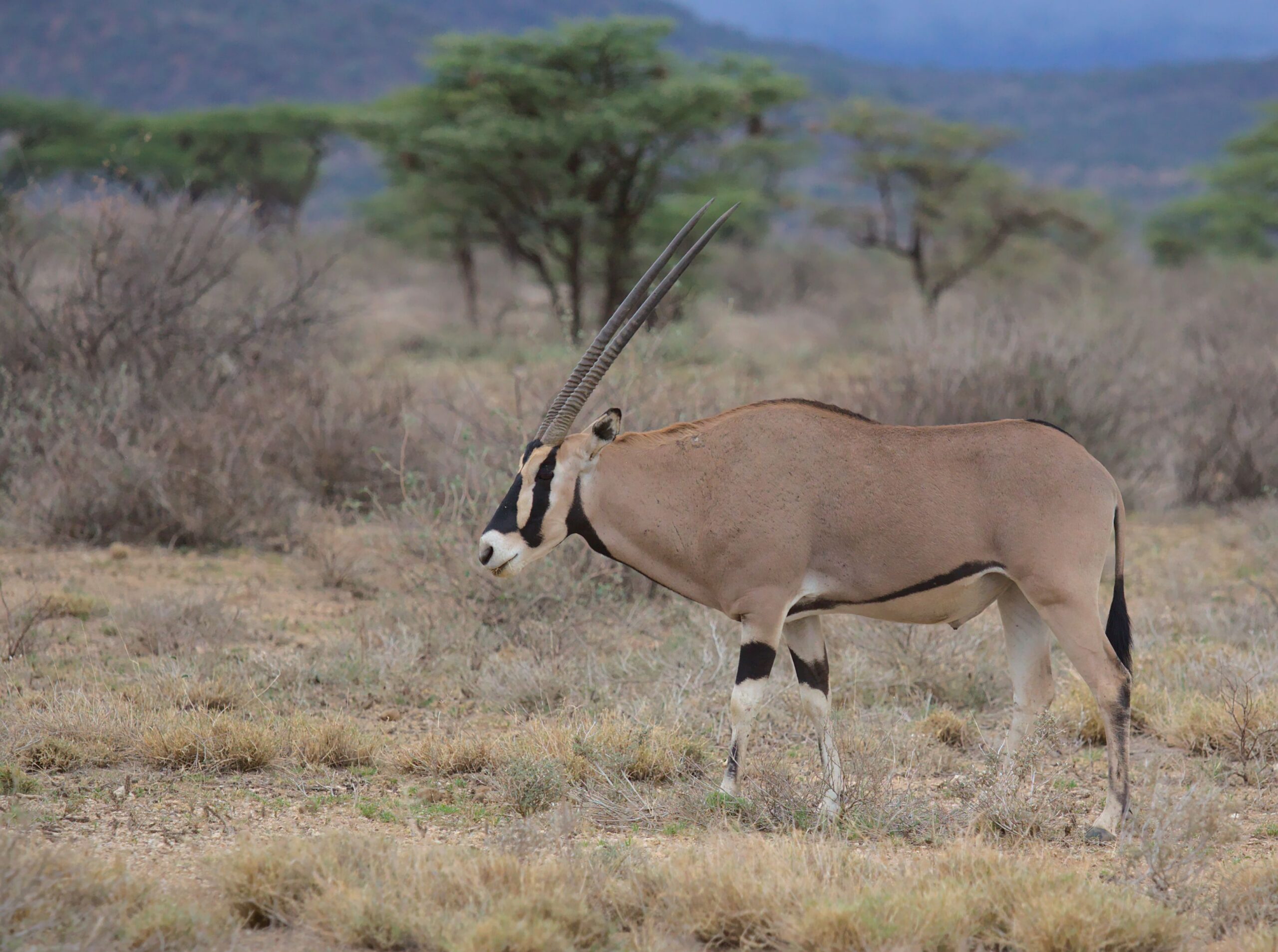
Beyond elephants, Amboseli has Masai giraffe, Grant's zebra, blue wildebeest, buffalo, impala, gazelle, eland and, in the swamps, hippo. Spotted hyena are common, and cheetah are often seen on the open plains. Lions are present but are seen less often than in the Mara. Leopards are possible but elusive. Rhino are not part of a typical Amboseli visit.
Birdlife is a highlight. Around 400 species have been recorded, including nearly fifty kinds of raptor, and the swamps attract pelicans, storks, herons and crowned cranes. If you enjoy birds, ask your driver-guide to stop at the water, and bring binoculars.
The area was set aside as a Maasai reserve in the early twentieth century, returned to local control as a game reserve in 1948 and gazetted as a national park in 1974. The land around it is home to Maasai communities, who share the ecosystem with wildlife. Relationships between park managers and herders have not always been easy, and the balance between pasture, water and conservation remains a topic that Kenyans themselves debate.
Community conservancies beside the park now allow visitors to stay on Maasai land, and cultural visits can be arranged through local hosts. As elsewhere, we encourage you to ask first, to buy crafts from the makers and to treat a visit as a visit to someone's home.
Amboseli rewards photographers: elephants against the mountain at first light, long shadows on the plains and dramatic skies. Plan for early starts, a telephoto lens for the herds and a wide lens for the landscape. Dust is the main technical problem, especially in the dry season. Keep your camera in a sealed bag between sightings, carry a blower and a lens cloth, and avoid changing lenses when dust is blowing. Bring a scarf for your face, and pack sunscreen and a hat.
Two nights is the usual stay, which gives four game drives and a full day to follow the elephants. Amboseli combines well with other parks:
Compare the parks in our guide to Maasai Mara vs Amboseli vs Tsavo, and ask us to design a route around your dates.
More detail: our Amboseli travel guide and how to get from Nairobi to Amboseli.
Information was compared across sources. Rules, fees and sightings change, so please confirm details with us when you book.
Two nights is ideal and gives you four game drives. One night works as a stop on a longer route, but you will be rushed. Add a third night if photography is your main goal.
Yes, on many mornings and evenings. The summit is often in cloud during the day, so plan your first and last drive of the day around the clearest hours. A clear view cannot be guaranteed.
June to October and January to February are the driest months, when animals gather at the swamps and are easy to find. The rainy months of March to May and November to December are quieter and greener.
It is one of the best places in Africa to watch elephants up close. The open terrain, the swamps and the long-running research on the park's elephant families make it special.
Roughly 4 to 5 hours by road, or under an hour by plane from Wilson Airport.
Yes, and most guests do. Amboseli pairs naturally with Tsavo West, Tsavo East, the Maasai Mara or Lake Nakuru, and with a beach finish on the coast.
Pair the Maasai Mara with Samburu or Amboseli? Compare what each second stop adds, real Cherish itineraries, night allocations and…
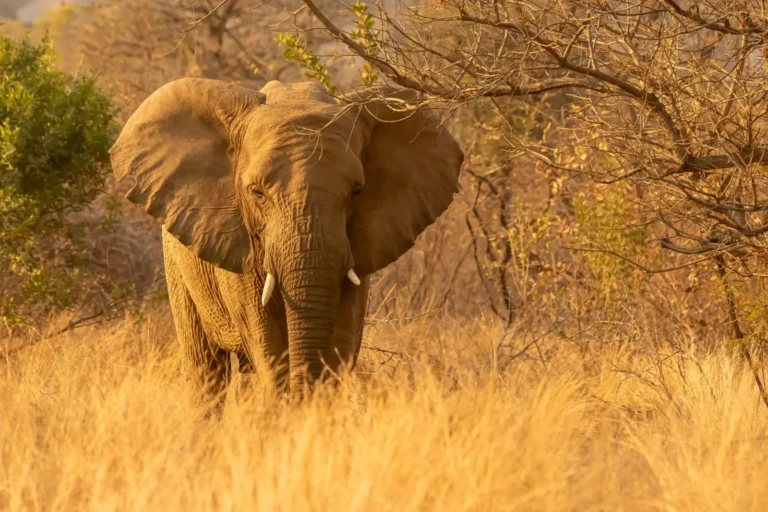
A day-by-day 3-day Amboseli safari from Nairobi: elephants, Kilimanjaro views, a village visit, what is included and how to extend.
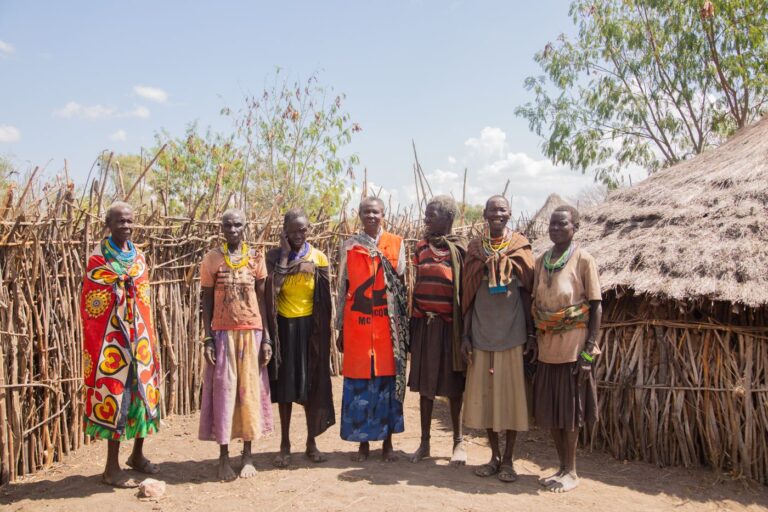
How the Maasai and Amboseli share the land, and how to visit a village, take a guided walk and stay…