Aberdare National Park: Tree Hotels, Waterfalls and Mountain Wildlife
Discover the Aberdares: tree-hotel wildlife viewing at The Ark and Treetops, waterfalls, forest animals and how to include them in…

The Aberdare National Park protects a high mountain range in central Kenya, with moorland, bamboo and montane forest rising above 3,900 m. Waterfalls plunge down its slopes, and forest animals come to waterholes at night in front of lodges that were built for viewing them. It is a very different experience from the savannah parks.
Here is what you can see in the Aberdares, how the tree lodges work and how to plan the trip.
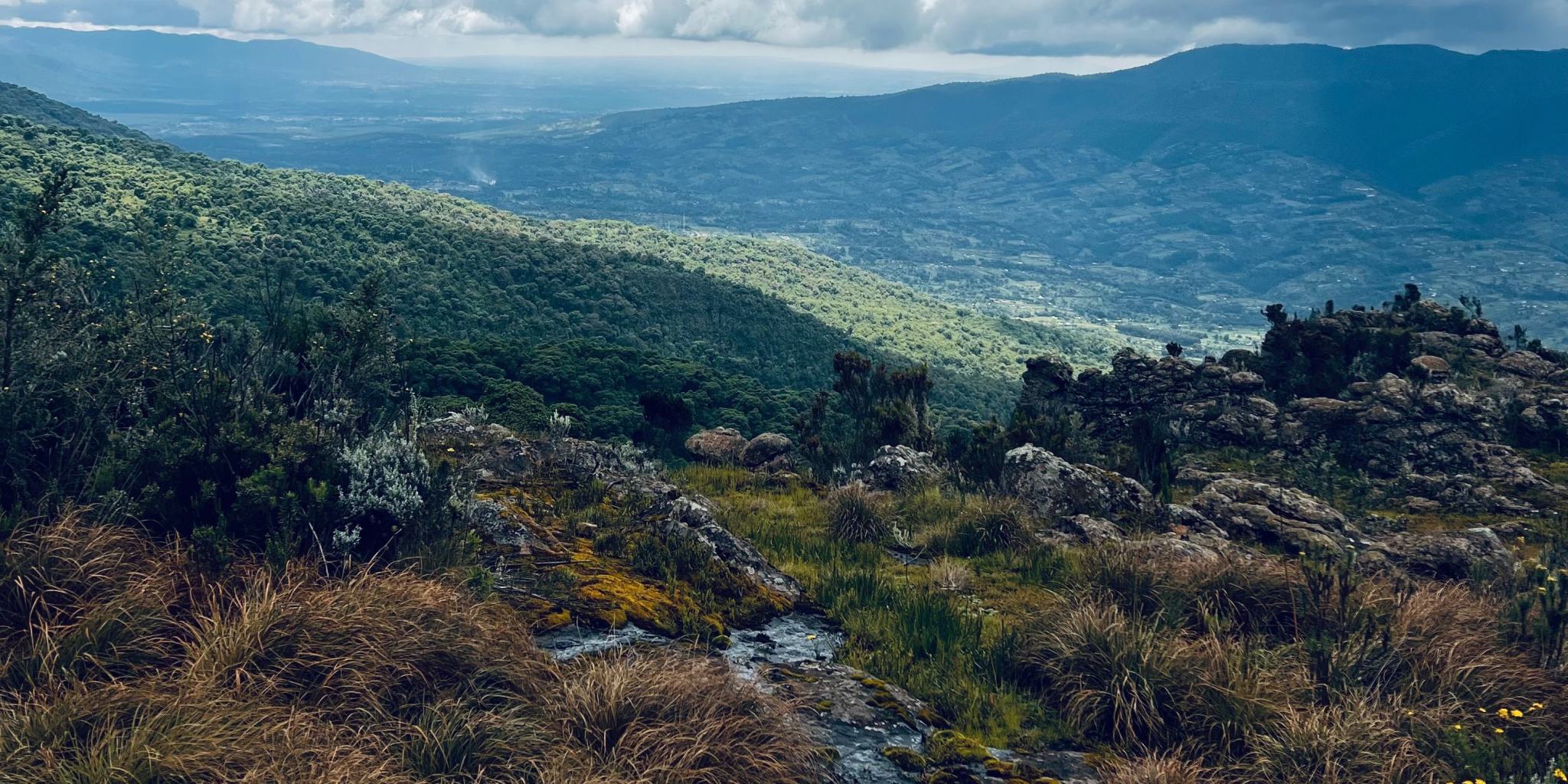
The Aberdares are cold, wet and green, and the park feels more like a highland forest than a classic safari. Moorland above the forest line is covered in giant heather, and streams run down through bamboo into rainforest.
The signature experience is the tree lodges. Two famous lodges, Treetops and The Ark, are built on stilts overlooking floodlit waterholes and salt licks, so guests can watch elephants, buffalo, rhino and forest hogs from comfortable viewing decks through the night. Treetops became known worldwide in 1952, when Princess Elizabeth stayed there on the night her father died and became Queen.
The lodges are built around lit waterholes, so the evening and night offer the best sightings, with elephants and buffalo coming to drink and lick salt.
Karuru and Gura Falls are among Kenya's tallest, dropping several hundred metres.
Streams in the moorland are stocked with trout, and fishing is allowed with a permit.
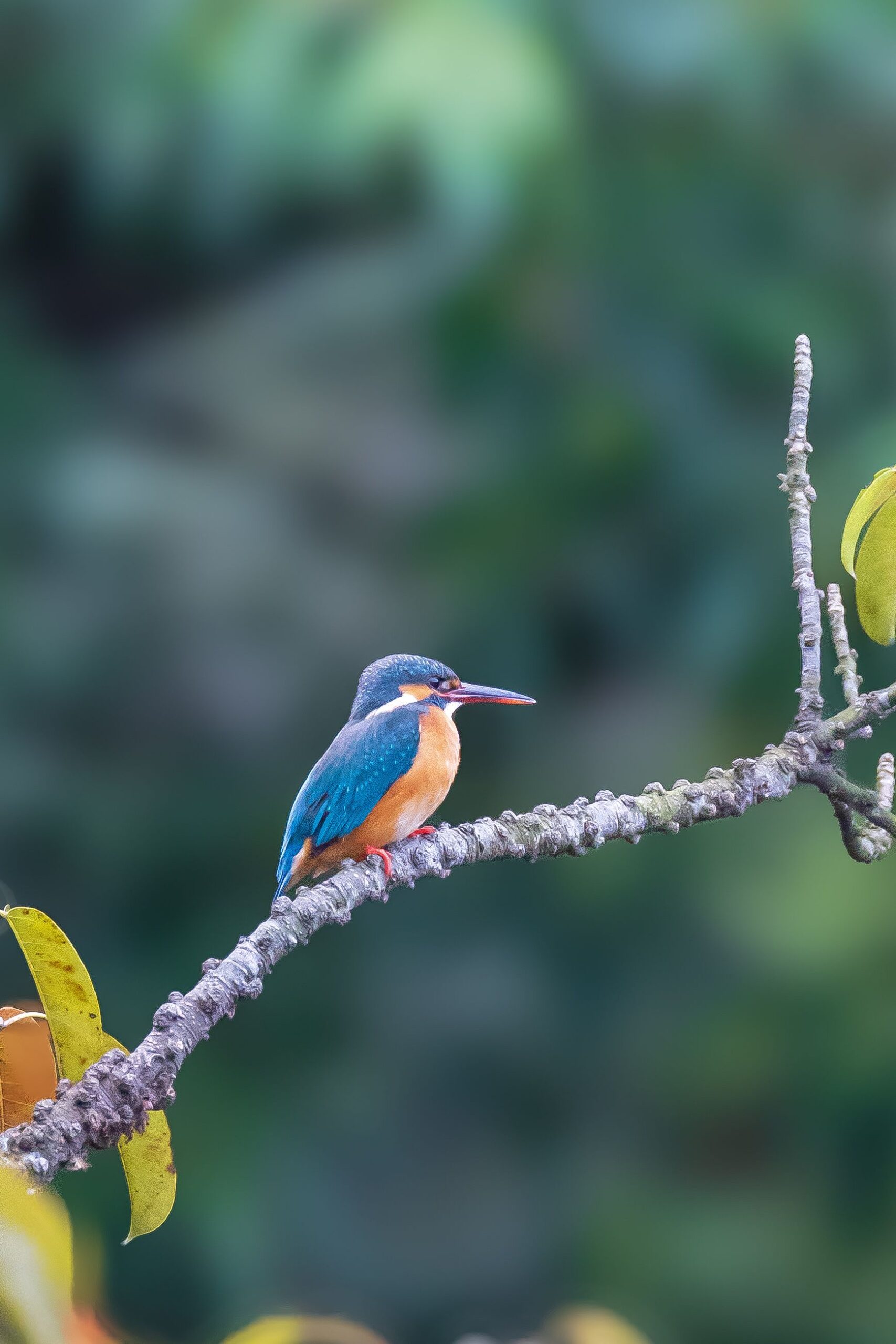
Guided walks and birding in the forest and moorland, with sunbirds, eagles and forest birds.
Drive north from Nairobi via Thika to Nyeri or Mweiga, about 3 to 4 hours.
Guests of the tree lodges are normally transferred from a base hotel to the lodge in lodge vehicles.
Warm clothing is essential. Nights are cold at altitude.
The Aberdare range rises about 100 kilometres north of Nairobi, between the town of Nyeri and the Rift Valley. The national park covers roughly 767 square kilometres and was established in 1950. It climbs from around 2,000 metres to about 4,000 metres above sea level, which means the weather is very different from the plains: cool, damp and often misty, with real cold at night.
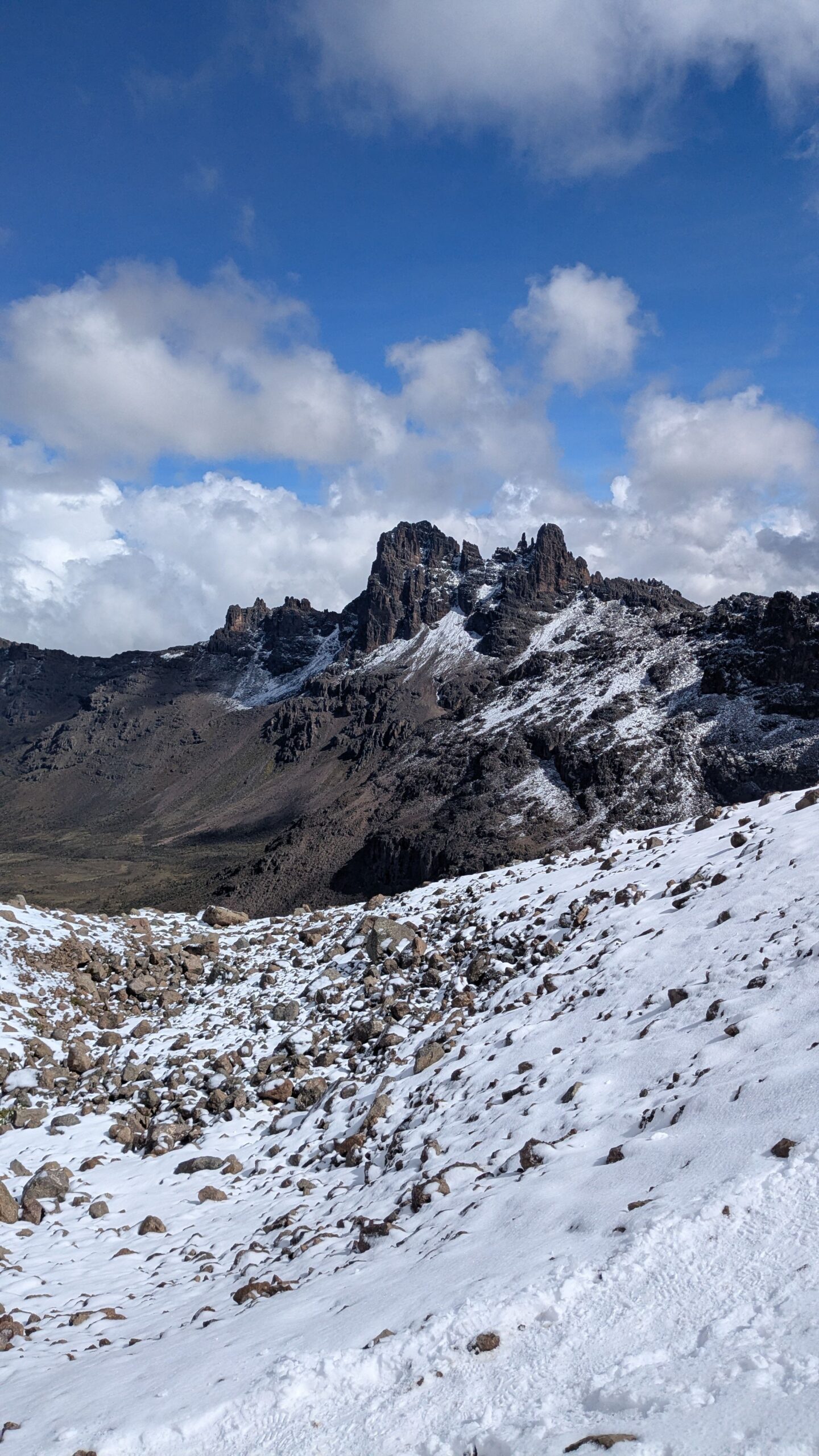
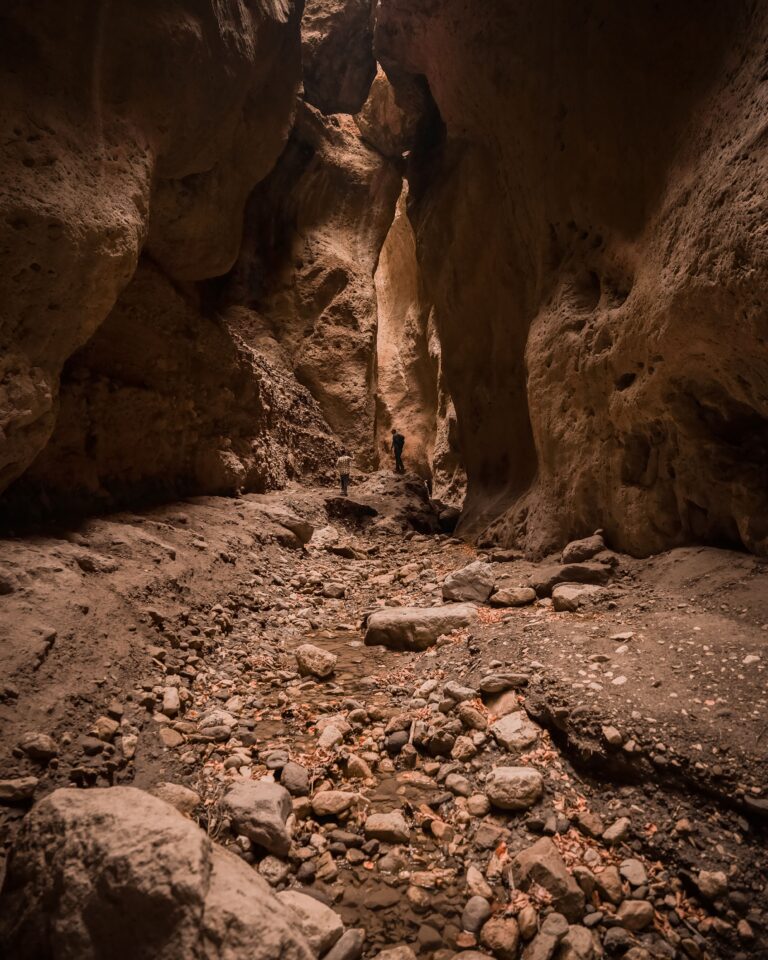
The landscape changes with altitude. Lower slopes are covered in thick forest, which gives way to bamboo, then to open moorland near the top, where giant heathers and tussock grass grow in the cold. Deep V-shaped valleys cut by streams and rivers run down the slopes, and many of them end in waterfalls.
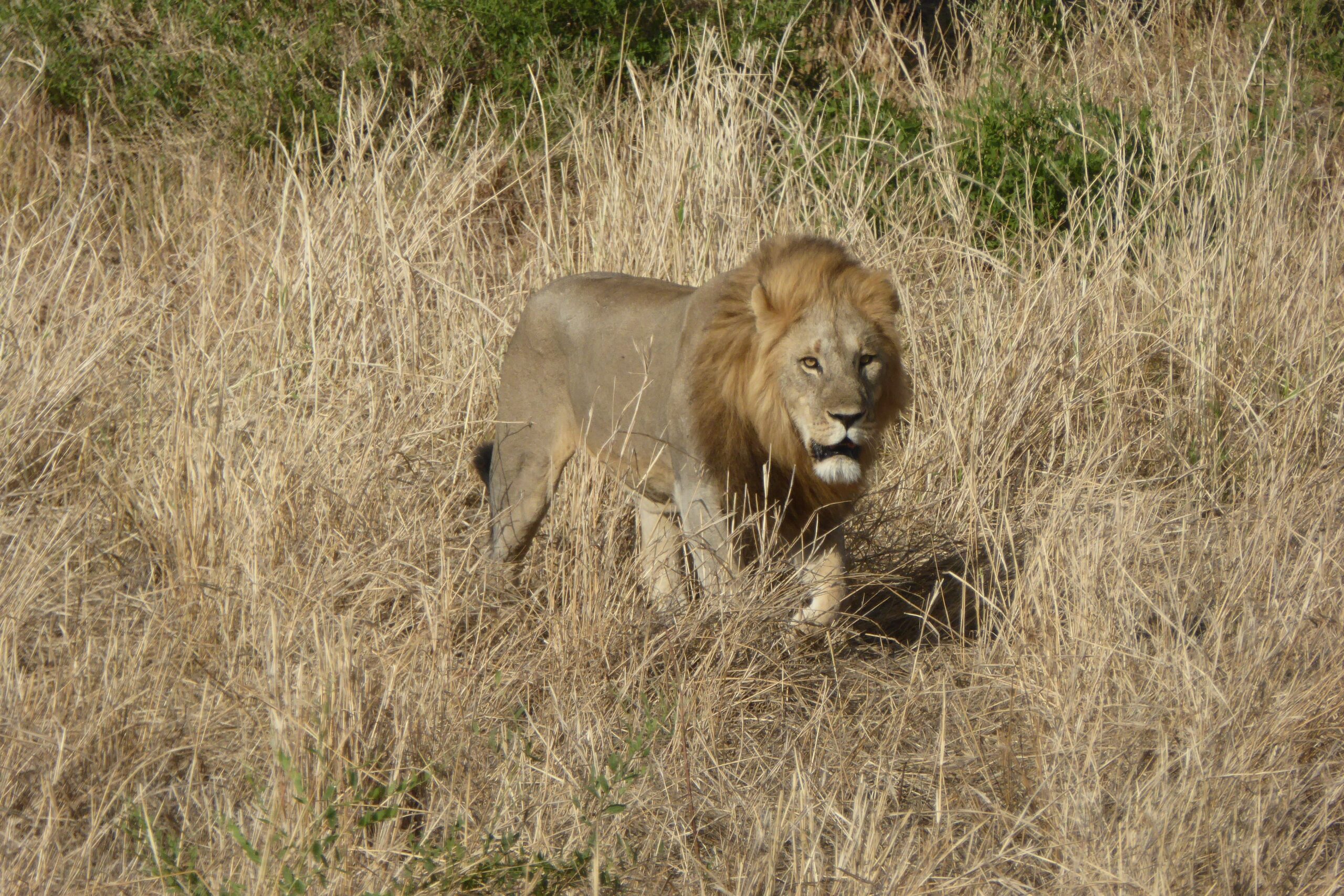
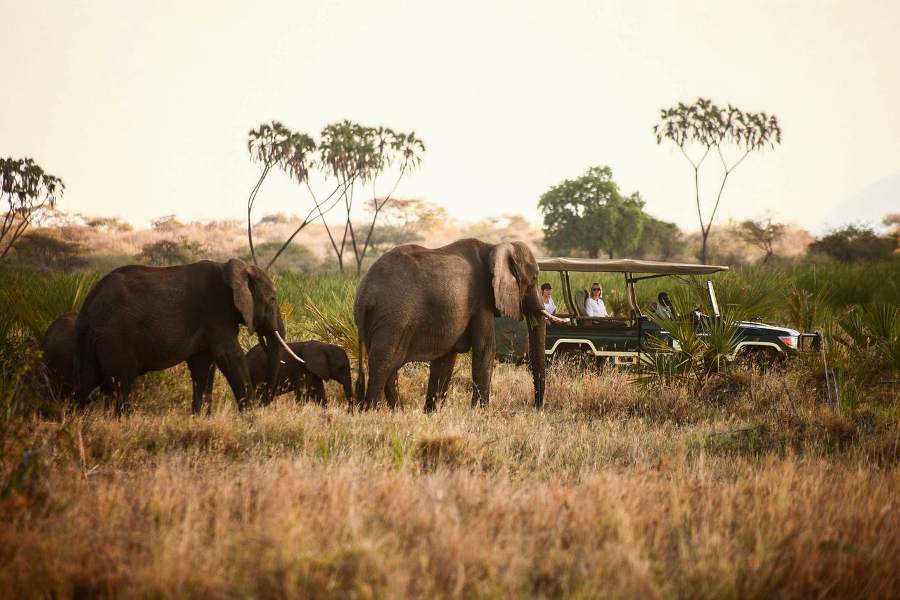
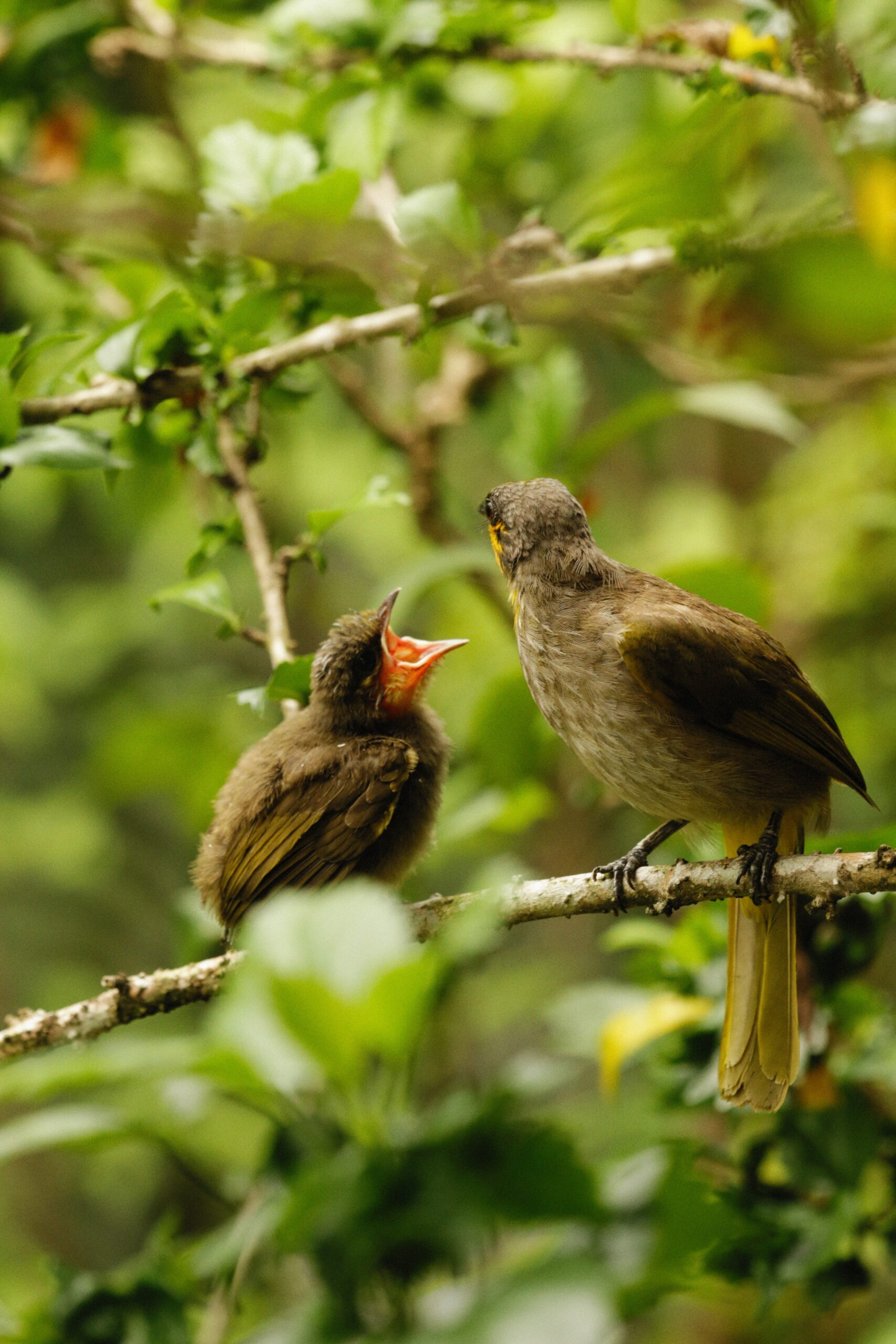
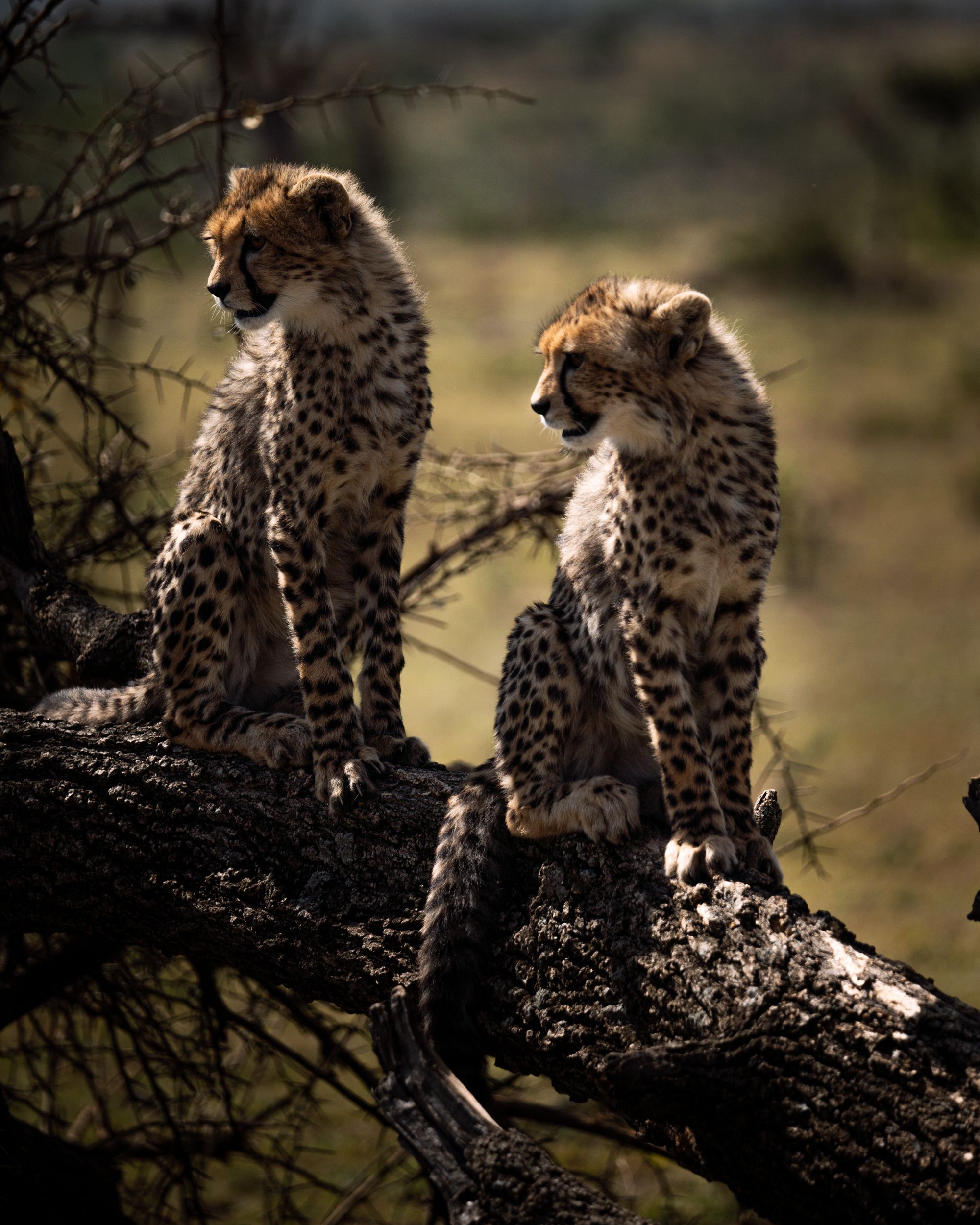
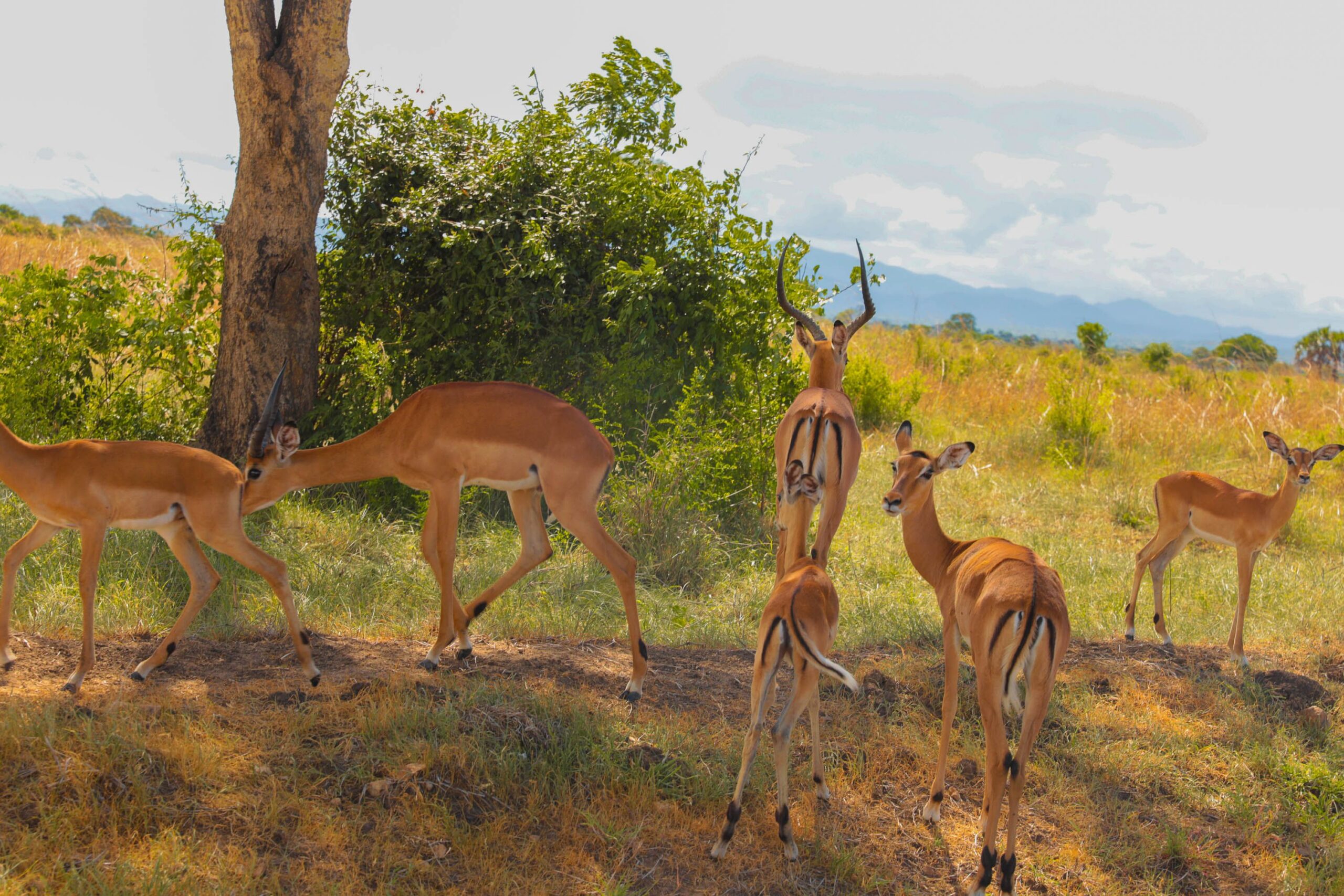
Aberdare is forest and moorland wildlife country rather than open plains. Elephant and buffalo are seen regularly, along with bushbuck, waterbuck, eland, olive baboon and the black-and-white colobus monkey. Leopards and lions live in the park, as do wild dog, serval, giant forest hog and a large population of black rhino. Rarer animals, such as the bongo antelope and the African golden cat, are present but very hard to see. More than 250 bird species have been recorded.
Much of the park's best viewing is done from lodges that overlook waterholes and salt licks. Animals come in turn to drink, and guests watch from a viewing deck or from the comfort of their room, often into the night with floodlights. Patience is part of the experience, but the reward can be a procession of elephants and buffalo just metres away.
The Aberdares are best known for tree-top lodges built overlooking waterholes. The most famous, Treetops, has a place in history: in 1952 Princess Elizabeth was staying there when she learned that her father had died and she had become Queen. Other lodges in the area, such as The Ark, follow a similar idea, with a raised viewing platform over a waterhole and an overnight stay that is built around the animals coming in.
These lodges have their own rules. Access is often by a transfer in a special vehicle from a base hotel, rooms are small, and the focus is on the night watch rather than comfort. They suit travellers who love the atmosphere of waiting for wildlife, and those who value the history.
Rain on the moorland feeds streams that tumble down the slopes in a series of waterfalls, among them the Karuru and Gura Falls. Ask us which falls and trails are open on your dates, since access depends on the weather and park rules.
The high moorland is an unusual environment, with giant lobelias and heathers, cold winds and frequent mist. On a clear day the views are spectacular, stretching over the forest to the plains below and, in places, as far as Mount Kenya.
The Aberdares were thickly forested and sparsely settled, and in the 1950s their forests became a stronghold of the Mau Mau fighters during the struggle for independence. Today the park is a place of recovery and conservation, and the forest is an important water catchment for much of central Kenya. Rivers that supply farms and towns in central Kenya begin in these hills. Protecting the Aberdares protects the people who live downstream.
The park is roughly three to four hours from Nairobi by road, so it is easy to include on a trip to the Mara, Samburu or Mount Kenya. Many travellers choose a one-night stay at a tree-top lodge, arriving in the afternoon and leaving the next morning. A second night allows a drive on the park's tracks and a walk to the falls.
The best months for wildlife are the drier periods from about June to October and January to February, when animals are drawn to the waterholes. The mountains can be wet at any time, so bring waterproofs and warm layers, including a fleece and a hat, and pack binoculars and a camera that can cope with low light.
Parts of the range are surrounded by electric fences that keep elephants and other wildlife away from farms and people away from the forest. The fences reduce conflict, and they protect crops and lives, but they also limit the movement of animals. Managing that balance is a continuing task for the Kenya Wildlife Service and conservation groups. Visitors help by staying at lodges that support local communities and by following park rules.
The Aberdares pair well with Mount Kenya, Ol Pejeta and Lake Nakuru.
Information was compared across sources. Wildlife is wild and sightings vary. Please confirm details with us when you book.
They are tree lodges with viewing decks over waterholes, so you can watch wildlife at night without leaving the lodge.
Yes. It is high and misty, so pack warm layers.
Leopard live in the forest but are rarely seen. The main draws are elephant, buffalo, rhino and forest species.
Discover the Aberdares: tree-hotel wildlife viewing at The Ark and Treetops, waterfalls, forest animals and how to include them in…
Kenya protects a remarkable share of its land for wildlife, and the names on the map can be confusing. Is…
On your first game drive everything with four legs and horns looks like the same brown deer. By day three…