Kenya in October is a month of handovers. The dry season is closing, the wildebeest are preparing to head south again, and the first short rains arrive to turn the savannah green. It is a rewarding time for flexible travellers, and a clever one for anyone who wants good wildlife without the August price tag.
Where the herds are
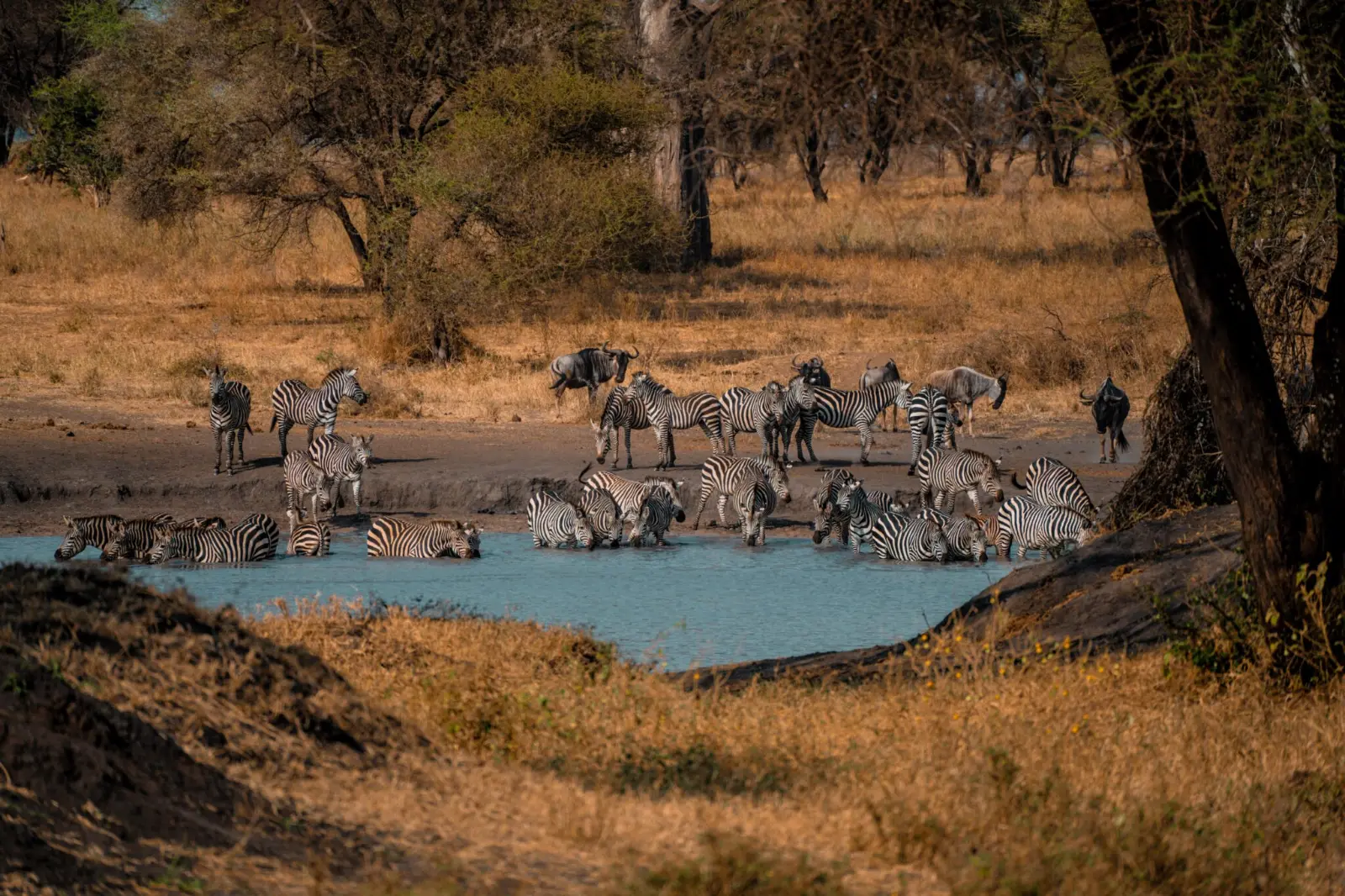
In the first half of October the migration is often still in the Maasai Mara, and river crossings are still possible. As the month goes on, herds drift south to the Serengeti, drawn by new grass after rain. The timing changes every year, so it is wise to base yourself in the Mara for at least three nights and let your guide track movements. Our Great Migration guide gives the usual pattern.
Weather you can expect
Early October is dry and warm. Towards the end of the month you may get short, sharp showers, usually in the afternoon. They are quite different from the long rains of spring: brief, heavy and followed by clear skies. Mornings are bright, temperatures are comfortable and the air is freshly washed. A light rain jacket in your daypack is all you need.
Wildlife beyond the herds
Even after the herds leave, the Mara still has lions, leopards, cheetahs, elephants and hippos. Birdlife increases as migrants arrive from the north. In Amboseli, early rain can fill small pools and bring flamingos and other waterbirds, while Tsavo turns from dusty red to patchy green. For ideas on big-cat viewing, see our photography tips and typical day on safari.
Rates and holidays
October is the start of the shoulder season. Prices usually soften, especially after the first two weeks. Mashujaa Day on 20 October is a public holiday, so Kenyan families travel and some parks, particularly Nairobi National Park and Lake Nakuru, are busier around that weekend.
Making the most of October
- Pair the Mara with Lake Naivasha for variety; see our Naivasha guide.
- Consider a few days at the coast after safari. The sea is warm and the weather is mostly pleasant.
- Ask about last-minute availability if you are flexible with dates.
October is a good choice if you like the idea of watching the landscape change, from dry gold to fresh green, and do not mind a little weather. Share your dates with us and we will say honestly where the herds are likely to be and whether the timing works for you.
Quick answers
When do the wildebeest leave the Mara?
Usually during October, depending on rain in Tanzania. Early October often still has herds around.
Do the short rains start in October?
They often begin late in the month with short, heavy afternoon showers followed by clear skies.
Is October cheaper than August?
Generally yes. October is the start of the shoulder season and prices tend to soften, especially after the first two weeks.
Safaris that fit this guide
These Cherish Africa Safaris trips match what this guide covers. We can adjust any of them to your dates, group size and budget.
- 8 Days Maasai Mara Safari – Kenya’s Wildlife Wonders Migration Experience
- 5 Days Mid Range Maasai Mara Migration, Lake Nakuru, Lake Naivasha Safari
- 5 Days Budget Maasai Mara Migration Safari & Lake Naivasha: Big Five, Scenic Views
Keep reading: Kenya in September: Migration Without the Peak Crush, The Ultimate 2026 Masai Mara Guide: Migration Dates and Itineraries, Great Migration in Kenya 2026: When to See Mara Crossings.
Not sure which trip suits you? Browse all our Kenya safari tours or send us an enquiry.
Plan it with people who live here
We are a Nairobi-based team and every trip starts from our own doorstep. If you would like help turning these ideas into a real itinerary, message us on WhatsApp (+254 794 588 242), write to info@cherishafricasafaris.com, or use our contact form. We usually reply the same day.
Kenya in October: Key Takeaways
The main points on Kenya in October are covered above. If you would like help applying them to your own dates and budget, our team can plan the trip with you. For more advice on Kenya in October, or a quote tailored to your group, contact Cherish Africa Safaris and we will reply the same day.