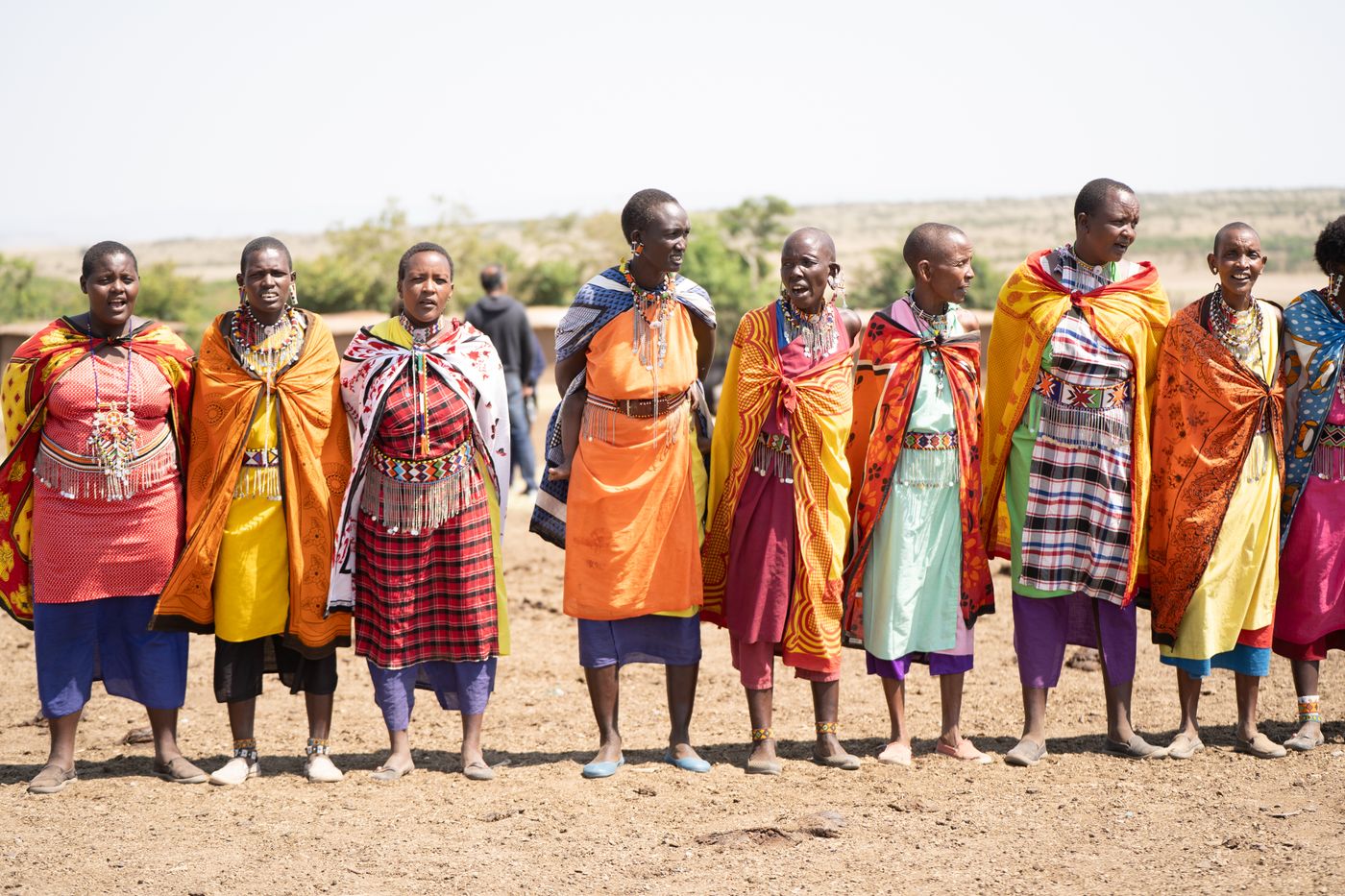
Kenya is home to many communities. Understanding a little of this variety helps you make sense of what you see, from market stalls to village visits.
How many groups?
Kenya’s 2019 census recorded a population of 47,564,296 and counted more than 120 ethnic groups, up from 42 in 1969. English and Swahili are the official languages.
The largest groups
The figures below are from the 2019 census, as reported by Wikipedia, and are rounded.
- Kikuyu: about 8.1 million
- Luhya: about 6.8 million
- Kalenjin: about 6.4 million
- Luo: about 5.1 million
- Kamba: about 4.7 million
- Somali: about 2.8 million
- Kisii: about 2.7 million
- Mijikenda: about 2.5 million
- Meru: about 2.0 million
- Maasai: about 1.2 million
- Turkana: about 1.0 million
Groups safari visitors often meet
Many safari routes cross Maasai country. See Maasai culture around Amboseli. In the north, read the Samburu people. On the coast, the Mijikenda and Swahili communities shape the culture. See Lamu.
Food and culture differ by region
Staple foods differ across Kenya. See eating in Nairobi.
Meeting people respectfully
Ask before photographing people, learn a few Swahili greetings and let your guide introduce you. See village visit etiquette, Kenya customs and etiquette and Swahili phrases.
Religion
In the 2019 census, 85.5 percent of Kenyans were Christian and 11 percent Muslim. Around 60 percent of Muslims live in the Coastal Region, where they are about half the population, and another 10 percent live in the upper Eastern Region. Indigenous beliefs were reported by 0.7 percent, although many Christians and Muslims keep some traditional customs.
Arts and crafts you may notice
- Kanga: cloth screen-printed with Swahili or English sayings.
- Kitenge: cotton fabric decorated with tie-dye and heavy embroidery.
- Kikuyu shields carry traditional painted designs, and Bantu communities carve funeral posts with human heads on geometric designs.
- Rock carvings around Lake Turkana depict humans and animals.
Music
The guitar is the most popular instrument, and styles include benga, afro-fusion, traditional folk songs and imported pop. Hip-hop subgenres include genge and kapuka.
The Swahili coast
Swahili trade shaped Kenyan culture, and coastal cuisine is highly regarded throughout the country.
Frequently asked questions
How many ethnic groups are there in Kenya?
The 2019 census counted more than 120, up from 42 in 1969.
Which is the largest group?
The Kikuyu, at about 8.1 million in the 2019 census.
What languages are official?
English and Swahili.
How many Maasai are there?
About 1.2 million in the 2019 census.
What religions do Kenyans follow?
In the 2019 census, 85.5 percent were Christian and 11 percent Muslim. About 60 percent of Muslims live on the coast.
What is a kanga?
A cloth screen-printed with Swahili or English sayings.
Want help planning? Talk to our team and tell us your dates, who is travelling and what you would like to see.
Facts checked on 5 November 2026 from Wikipedia’s Demographics of Kenya and Culture of Kenya entries, which report the 2019 census figures. The page shows small inconsistencies in the totals, so the figures here are rounded.