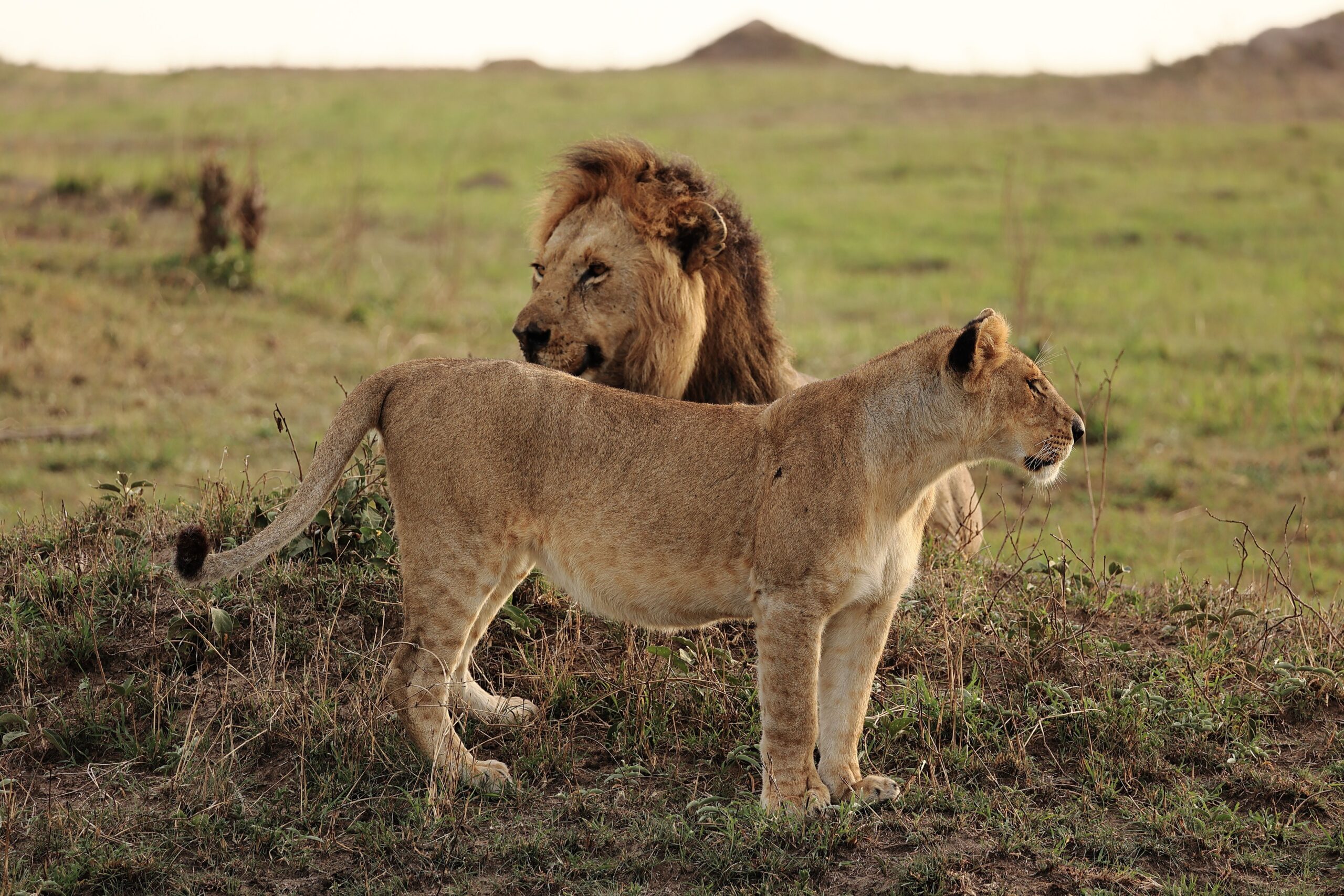
Kenya in October: Last Migration Days and Early Short Rains
Kenya in October brings the tail of the migration, softer prices and the first short rains. Find out where to…

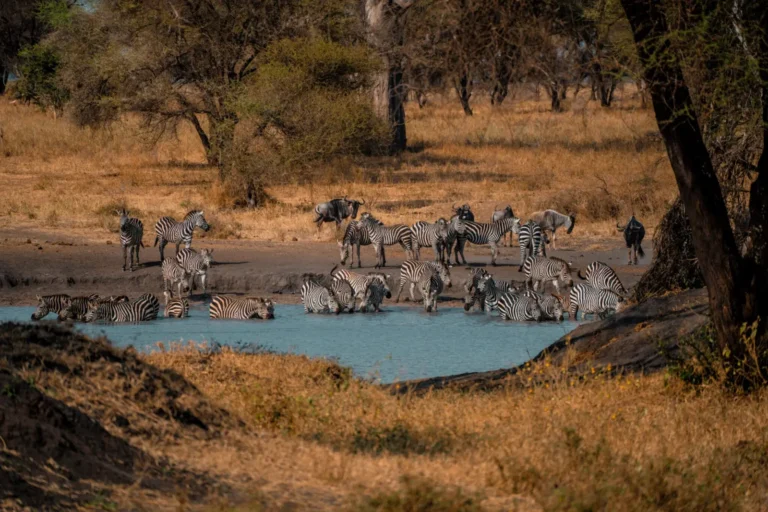
The Great Migration is the world's largest overland movement of animals, with over a million wildebeest, along with zebra and gazelle, following the rains between Tanzania's Serengeti and Kenya's Maasai Mara. Crossing the Mara River, the herds face crocodiles and strong currents, in one of nature's most dramatic scenes.
Here is how the migration works, when to be where and how to plan the trip.
Crossings can take hours of waiting. The herds gather, hesitate and then suddenly go.
Your guide knows the best viewing points. Respect other vehicles and do not block the herds.
The longer you stay, the better your chance of seeing a crossing.
Peak migration months are the busiest in the year.
In Kenya, the Maasai Mara is the place from about July to October. In Tanzania, the Serengeti offers the migration all year, depending on the area. See our guide to combining Kenya and Tanzania.
Usually from July to October, though the exact timing depends on the rains.
No. Crossings are unpredictable, which is why we advise staying several nights.
Yes, in the southern Serengeti, where calves are born from about January to March.
Kenya in October brings the tail of the migration, softer prices and the first short rains. Find out where to…
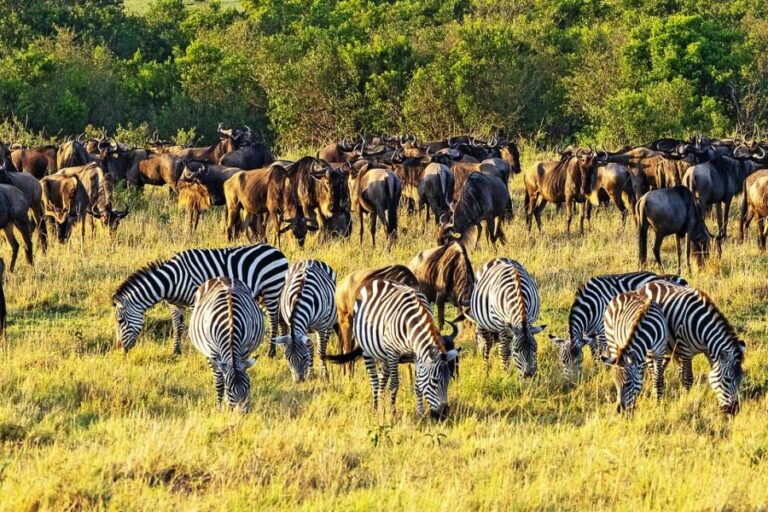
The Great Migration in Kenya: When to See the Mara River Crossings Almost every article on this topic quotes the…
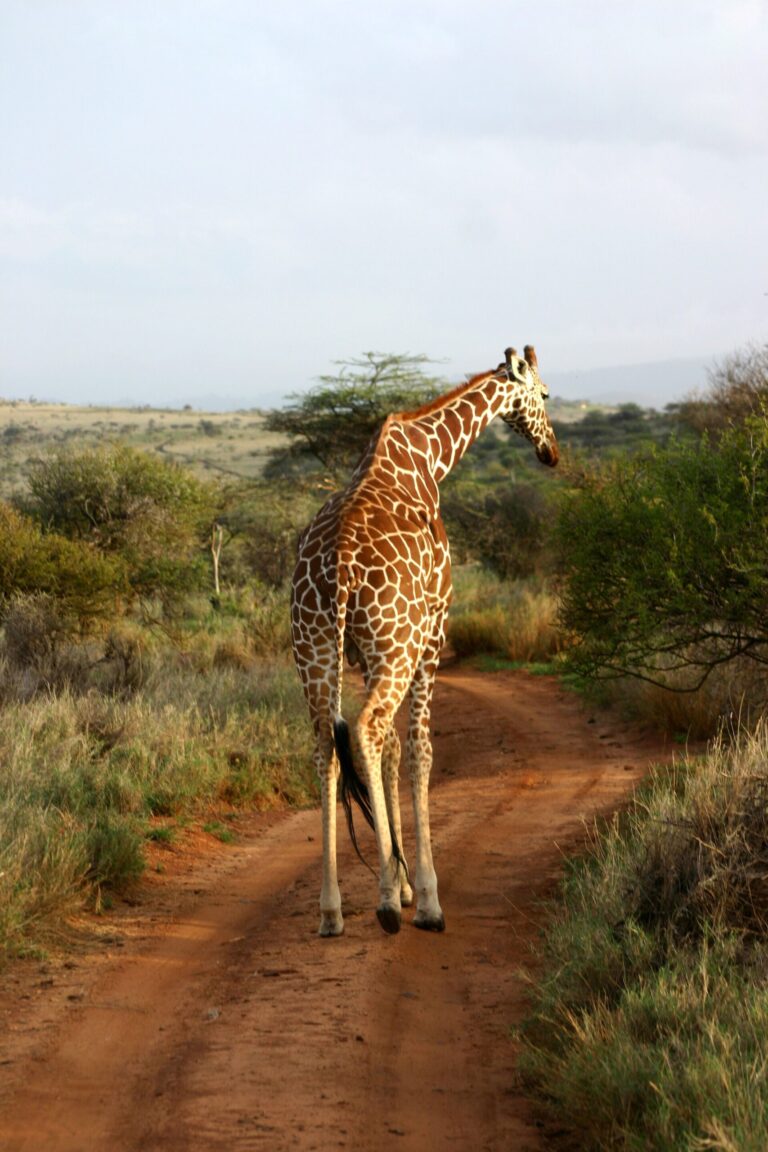
Kenya has two rainy seasons: the long rains (March to May) and the short rains (October to December). Here is…