Most safari itineraries look the same on paper: wake up, drive, watch animals from a vehicle, repeat. Lake Naivasha is the place where that changes. You will spend part of the day in a boat, part on foot and part on a bicycle, and nobody will ask you to stay inside a Land Cruiser. If you only have a few days in Kenya, that variety is a good reason to give it one night.
Why one night at Lake Naivasha is worth it
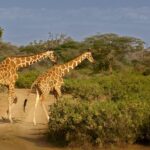
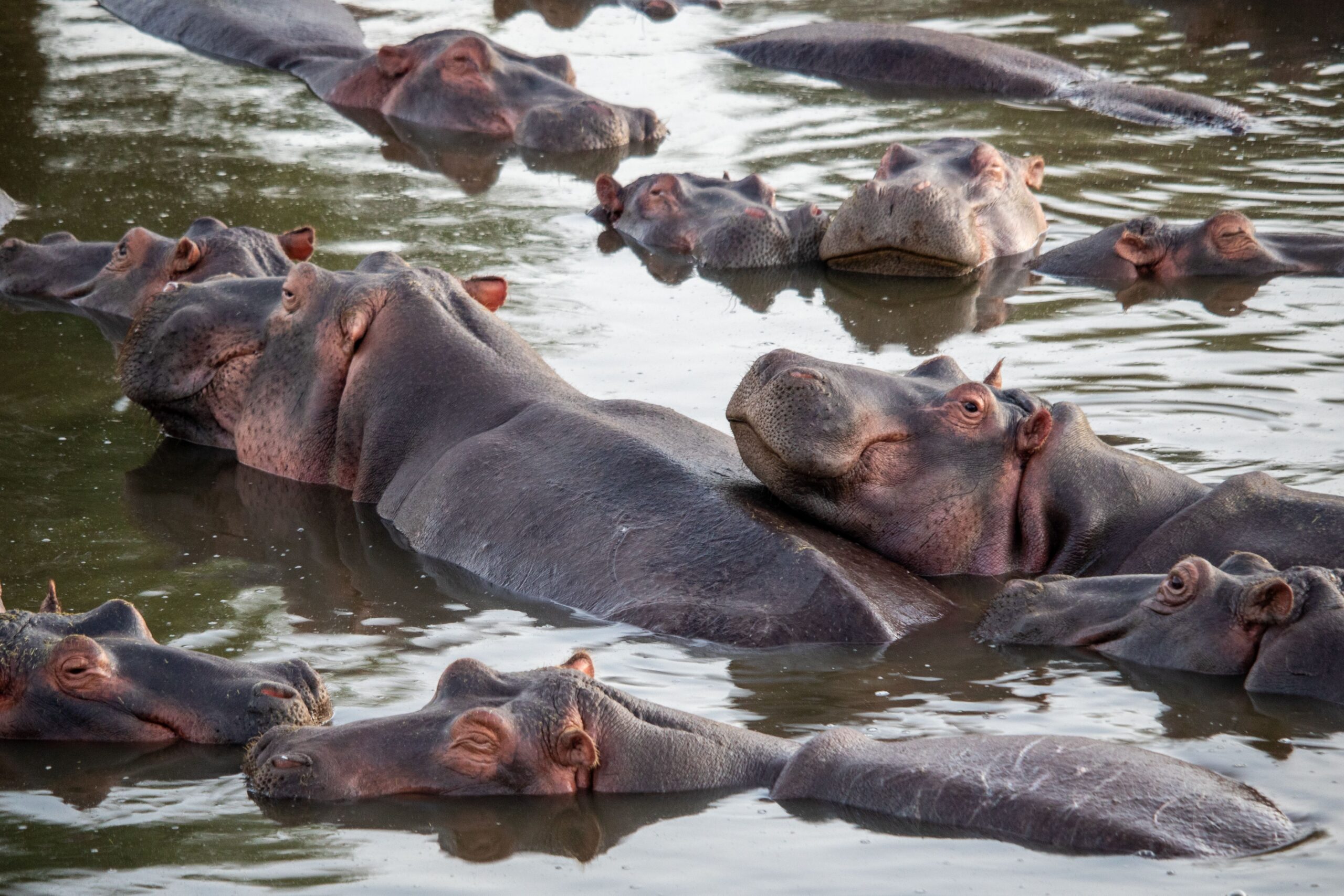
The lake sits at about 1,900 metres in the floor of the Rift Valley, and it is one of the few freshwater lakes in the area. That one fact explains most of what you will see. Hippos rest in the shallows. Fish eagles call from the acacias. Pelicans and cormorants work the water, and giraffe and zebra graze right down to the shore. The lake is recognised internationally as an important wetland for birds, and the greenhouses you pass on the way in are flower farms, a big part of the local economy.
It is also simply convenient. The lake is close enough to Nairobi that you can arrive for lunch, and it sits on the road to both Lake Nakuru and the Mara. If you are landing from an overnight flight, it is a gentler first stop than the capital. The air is cooler, the pace is slower, and you can be in bed early without missing anything.
A lake that keeps rising
If you saw Lake Naivasha before 2010, it looks different now. NASA’s Earth Observatory reports that water levels rose by up to about 7 metres between 2010 and 2026, and that the lake’s area grew by about 40 percent, adding roughly 50 square kilometres of water. NASA quotes hydrologist Mathew Herrnegger, who names increased rainfall as the primary driver. The lake is a closed basin with no surface outflow, so extra rain has nowhere to go. NASA also lists other possible contributors, including water hyacinth, tectonic changes and sediment build-up, and says more research is needed. The causeway to Crescent Island has been under water since April 2020. For visitors, the practical point is that some shoreline landings and lodges are not what older guidebooks describe, so ask your lodge which activities are running when you book. Sources: NASA Earth Observatory, 23 June 2026 and Discover Wildlife (the causeway).
The long greenhouses you pass are working flower farms, not attractions, so we do not plan visits to them. NASA reports that the rising water has flooded some greenhouses, farmland and worker housing around the lake.
On the water
Start with the boat. Small motorboats nose along the papyrus edge, where hippos lie in clusters, and a good skipper cuts the engine so you can hear them grunt. Fish eagles are easy to find.
Go early. The water is calmer, the light is softer, and the birds are busier. Wear a hat, because there is almost no shade on the boat, and keep a jacket close for the first hour.
Walking with giraffe on Crescent Island
Crescent Island is a private sanctuary on the rim of an old crater that pokes into the lake. With the causeway under water, the sanctuary says it is currently accessible only by boat. The sanctuary does not run boats: separate operators do. Boats charge per boat, not per person, for up to seven people, and you pay the operator for the return transfer. At the island, look for the sanctuary’s signpost and a guide in uniform with a badge.
Once there, you explore on foot, with no vehicles. The sanctuary reports more than 1,600 head of game and over 200 bird species, and visitors walk among giraffe, zebra, wildebeest, impala and waterbuck, seeing them at eye level, which you rarely do from a safari vehicle. Guides are free on a first-come basis and expect a tip. Hippos live on the island too, so never approach one on foot. Dogs are not allowed.
Day visits start at 8:30am, with last entry at 4:30pm. The island closes at 5:45pm, so be back on your boat by 5:45pm at the latest. You do not need to book unless you want to guarantee a guide. Pay the island’s entry fee directly at the island and ask for an official receipt, and do not pay it to boat operators selling “Crescent Island excursions”, because they do not speak for the sanctuary. We do not quote entry rates here because they change; the sanctuary’s Important Information page has the current details. Overnight stays are now offered too.
Elsamere, if the weather turns
Elsamere was the home of Joy and George Adamson, the conservationists behind the lioness Elsa and the book and film Born Free. Today it is a small museum and conservation centre on the shore, known for afternoon tea in the garden, where colobus monkeys often turn up in the trees. It is a good plan for a wet afternoon or a quiet hour before dinner. Do not expect a big attraction. Expect a pleasant, slightly old-fashioned house with a story.
Birdwatching without trying hard
The lake is a Ramsar wetland, designated in 1995, and its listing records more than 400 bird species, over 80 of them waterfowl. You do not have to be a serious birder to enjoy it. Sit in a lodge garden with a coffee at sunrise and you will see herons, kingfishers, storks and plenty more. If birds are your thing, our guide to birdwatching in Kenya compares Naivasha with the other top spots.
Hell’s Gate by bike
Hell’s Gate is a small park just south of the lake, and it is unlike most Kenyan parks. The scenery is dramatic: red cliffs, a deep gorge and open grassland. KWS describes the park as suitable for hiking and cycling. Expect zebra, eland, buffalo, giraffe, warthog and baboons, with raptors nesting on the cliffs above you.
Do not come here for big-game drama. Come for the feeling of riding a bike past giraffe, which is better than it sounds.
Getting in. Most visitors enter at Elsa Gate. Day visitors can enter from 6am to 6pm. KWS asks you to stay at least 20 metres from any animal, keep to marked roads and trails, drive no faster than 40 km/h, not feed wildlife, and carry out your rubbish. Single-use plastic is banned, and KWS warns that animals can react dangerously if startled.
A few practical things before you pedal off. The tracks are gravel and packed dust, flat for the first stretch and rougher and stonier as you near the gorge, so check the bike’s brakes and tyres at the rental stand before you leave rather than ten minutes down the track. Start early: there is almost no shade, and by midday the heat and the dust make the ride harder work than it looks. Carry your own water. Zebra, eland and giraffe will mostly ignore you, but buffalo can be unpredictable and baboons are bold around anyone carrying food, so stop and give both a wide berth rather than cycling past. If you would rather not cycle, you can drive the same track or walk it.
The ride
Bikes are usually hired near the main gate, and you can ride on your own or with a guide. The terrain is mostly flat to gently rolling, but the sun is strong and the dust is real. Carry water, wear a hat and use sunscreen. If cycling is not for you, you can walk or drive.
Fischer’s Tower and the gorge
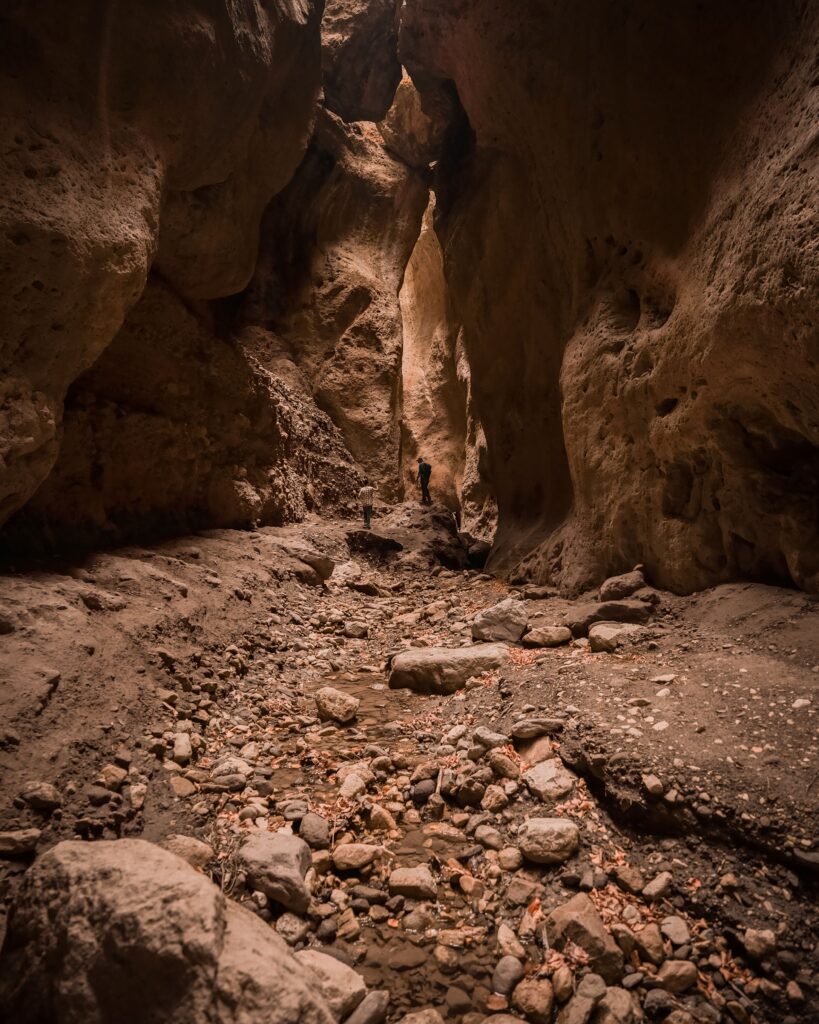
Fischer’s Tower is a volcanic column that rises from the valley floor, and the walk through the narrow gorge beyond it is the part most visitors remember. Ask at the gate whether you need a guide for the gorge and whether it is open that day, because conditions change with rain. Wear shoes with grip. After rain, the gorge floor can turn slippery or flood quickly, so follow the rangers’ and your guide’s advice.
Steam vents
The Olkaria geothermal field runs alongside the park, and you can see steam venting in places. The same volcanic heat that built the cliffs also supplies a good share of Kenya’s electricity, which is a neat thing to see from a bicycle seat.
What it costs
On the October 2025 Kenya Wildlife Service tariff, non-resident adults pay USD 50 and children USD 25 at Hell’s Gate, which falls in the scenic tier. Checked against the KWS notice on 31 October 2026. Fees change, so check our Kenya national park fees guide before you book.
A simple one-night plan
Leave Nairobi after breakfast and you will be at the lake in time for a late lunch. Take the boat out in the softer light of mid-afternoon, once the day has cooled a little, and spend what is left of the evening on a lawn with binoculars. Most lodges here are quiet by nine. The next morning, drive to Hell’s Gate, arrange bikes at the gate, ride toward the gorge, walk it if the rangers say it is open, and eat a packed lunch under the cliffs. Carry on to your next stop in the afternoon.
With a second night you can split the activities properly: boat and Crescent Island on day one, Hell’s Gate on a relaxed second morning. Add Elsamere, or the climb on nearby Mount Longonot if your legs are keen.
When to go
In the dry months, June to October and December to February, the tracks in Hell’s Gate are firm and the mornings are clear and cool. You will also be riding through dust, so keep a scarf handy. The lake is at its most comfortable then, with the boat ride calm and the afternoons warm.
March to May and November bring the rain. Showers tend to arrive later in the day, the shoreline turns green, and the birds are busy. Tracks can get muddy, and the gorge in Hell’s Gate can flood after heavy rain, so ask at the gate before you walk it. It is also quieter, which many people prefer.
Getting there, and where it fits
Most people drive. The road climbs the Rift Valley escarpment, passes a famous viewpoint, then drops to the valley floor and runs along the lake. It is about 90 km from Nairobi, along the A104 Uplands Road to Naivasha and then the Moi South Lake Road for the lake and Hell’s Gate. Allow two to three hours, depending on traffic on the escarpment. If you are heading on to the Mara, our guide to Nairobi to the Maasai Mara by road or air compares the options, and from Naivasha it is a straightforward drive to Lake Nakuru National Park.
Naivasha slots neatly into our 6-day and 10-day Kenya safari routes. If you are spending time in the city first, our guide to things to do in Nairobi covers the short outings.
What to bring
The weather swings between cool mornings and strong midday sun, so layers matter more than anything else. Take a light fleece for the early boat ride, a hat, sunglasses and a high-factor sunscreen. Closed shoes beat sandals in the gorge. A small daypack and a refillable water bottle will cover most outings. Binoculars make the birds and distant giraffe far more enjoyable, and a little insect repellent helps near the water in the evening.
Who it suits, and who might be bored
Families can enjoy it, but suitability depends on the children’s ages and confidence. Crescent Island is an easy walk, yet hippos and other wild animals mean young children must stay beside an adult. Cycling in Hell’s Gate suits confident riders, so ask us before booking it for young children. Birders and photographers do well here too. If you have just flown in, it is a kind first night. If you are chasing lions and leopards, treat Naivasha as a pause and save your serious game viewing for places like the Mara. Our Masai Mara park fees page will help you plan that part.
A few rules worth following
Book the boat and Crescent Island through your lodge or operator, so the timing and transfers are handled. Stay well away from hippos on land, especially after dark, and follow staff advice about walking around the grounds. Do not feed baboons or monkeys, and keep food out of sight. Keep valuables in the lodge safe, and carry some small cash for tips.
Choose lodges and boat operators that follow the rules, keep a respectful distance from animals, and take your rubbish with you. Buying crafts and snacks locally also helps.
Naivasha or Nakuru, if you can only pick one
People ask this a lot, and the honest answer is that they do different jobs. Choose Lake Nakuru if you want rhinos, big cats and a classic vehicle safari in a compact park. Choose Naivasha if you want to move your body: a boat, a walk, a bike ride. Naivasha is the more relaxed of the two, and it is often an easier fit for families with younger children, with the same care around wildlife. Nakuru gives you more of the feeling that you are on safari. If you have the time, do both, because they sit about an hour apart and make a good pair. Our Lake Nakuru guide goes into what to expect there.
Two things that surprise first-time visitors
The first is the hippos. They look comfortable in the water, but they leave it at night to graze, and they are among the more dangerous animals in Africa. If your lodge asks you to be escorted to your room after dark, take the escort, even for a short walk. The second is how much the weather changes in a day. The morning boat ride can feel cold, and by noon you are squinting in strong sun. Dress in layers and you will be comfortable for both.
Frequently Asked Questions
How far is Lake Naivasha from Nairobi?
About 90 kilometres northwest of the city. Plan on two to three hours, depending on traffic on the escarpment road.
Can you really cycle in Hell’s Gate?
Yes. KWS describes Hell’s Gate as suitable for hiking and cycling, among animals such as zebra, giraffe, eland and buffalo. Stay on the marked track, keep at least 20 metres from animals, give buffalo and baboons plenty of room, and ask a ranger about current conditions.
How do I get to Crescent Island?
By boat, since the causeway has been under water since April 2020 and the sanctuary says it is currently accessible only by boat. Boat operators are separate from the sanctuary, so agree the crossing with your lodge or operator, and pay the sanctuary’s entry at the island, not to the boat crew.
How many nights do you need?
One works for most people. Take two if you want Elsamere or the Mount Longonot climb without rushing.
What does Hell’s Gate cost to enter?
On the KWS tariff in force since 1 October 2025, non-resident adults pay USD 50 and children USD 25. Check the current tariff before you travel, because it changes.
Is Naivasha good for birds?
Very. The lake is a Ramsar wetland, and its listing records more than 400 bird species, over 80 of them waterfowl. Go out on the water early for fish eagles, pelicans, kingfishers and herons.
Deciding between the two Rift Valley lakes? See our comparison, Lake Nakuru vs Lake Naivasha, for wildlife, activities, park fees and where each fits our routes.
Safaris that fit this guide
Want a night at Naivasha between the Mara and Nakuru? Tell us your dates and how many nights you have, and we will plan the drive, the boat and the Hell’s Gate morning around them. A night here is easy to add to our 4-day or 14-day Kenya safari.