Packing for a Kenya safari is easier than most people expect. Days are warm, mornings are cold, and the dress code is “comfortable and quiet”. This checklist covers what our guests actually use, so you can travel light and still be ready for a 6 a.m. game drive.
Clothing: Think Layers and Neutral Colours
- Neutral colours: khaki, olive, beige and soft greens blend in and hide dust. Skip bright white, which gets dirty fast, and very dark blue or black, which can attract tsetse flies in some areas such as Tsavo.
- 3 to 4 lightweight shirts: long sleeves protect against sun and insects.
- 2 pairs of comfortable trousers and one pair of shorts.
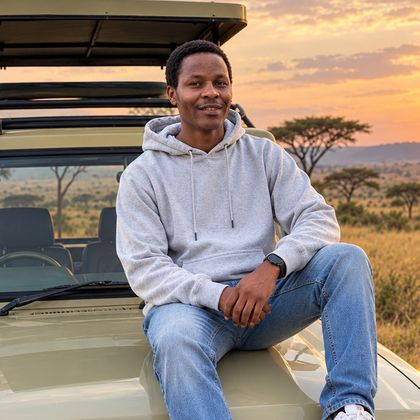
- A warm fleece and a light windproof jacket: early morning game drives in an open vehicle can be surprisingly cold, especially in the Maasai Mara, Nakuru and the highlands.
- A wide-brimmed hat and sunglasses.
- Closed walking shoes or light boots plus sandals for camp.
- Swimwear for lodge pools, or the coast if you are adding a beach stay.
Gear Worth Bringing
- Binoculars: one of the best items you can pack. They turn a distant speck into a leopard in a tree.
- Camera with a zoom lens (200 mm or more is ideal) and spare batteries and memory cards.
- Power bank and a UK-style three-pin adapter: Kenya uses Type G sockets at 240V.
- A small daypack for the vehicle.
- Reusable water bottle: your guide will provide drinking water in the vehicle.
- Torch or headlamp for walking around camp at night.
Health and Personal Items
- Sunscreen, lip balm with SPF and insect repellent.
- Any prescription medication in its original packaging, plus a basic first-aid kit.
- Hand sanitiser, wet wipes and tissues.
- Malaria prevention and vaccinations should be discussed with your doctor or travel clinic well before departure.
- Dust is common in the dry season, so contact lens wearers may want glasses as a backup.
Documents and Money
- Passport valid for at least six months, plus a printed copy of your eTA approval and travel insurance details.
- Some US dollars in small notes for tips and extras, and a card for larger purchases. Mobile money (M-Pesa) is widely used locally.
What to Leave at Home
- Plastic bags: they are banned in Kenya, so do not bring them in your luggage.
- Drones: permits are strictly controlled, and drones are generally not allowed in national parks without authorisation.
- Hard-sided suitcases: soft duffel bags are far easier to load into safari vehicles and light aircraft.
- Camouflage clothing: it is restricted in Kenya.
A Note on Luggage Limits
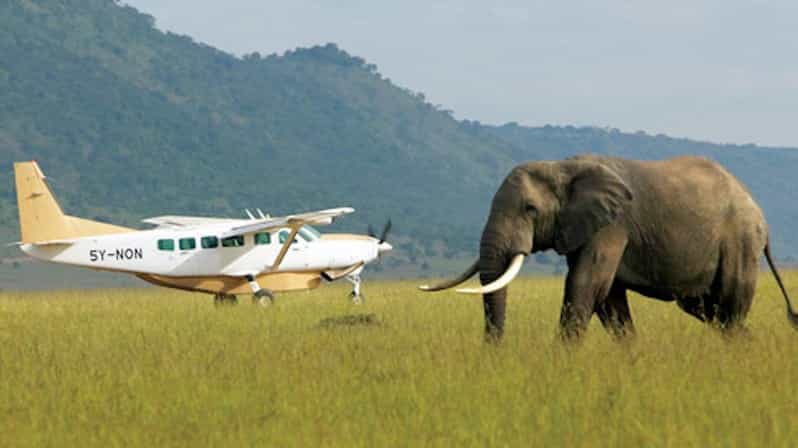
If your itinerary includes a light aircraft flight to the Mara or another park, luggage is usually limited to around 15 kg in a soft bag. Tell us at booking if you will fly and we will confirm the exact allowance. Most lodges also offer laundry, so you rarely need more than a week of clothes.
Ready to Plan?
Not sure what suits your dates and route? Message us on WhatsApp +254 794 588 242 and we will tailor the packing advice to your itinerary and season.