Lake Nakuru vs Lake Naivasha: Which Rift Valley Lake Fits Your Safari?
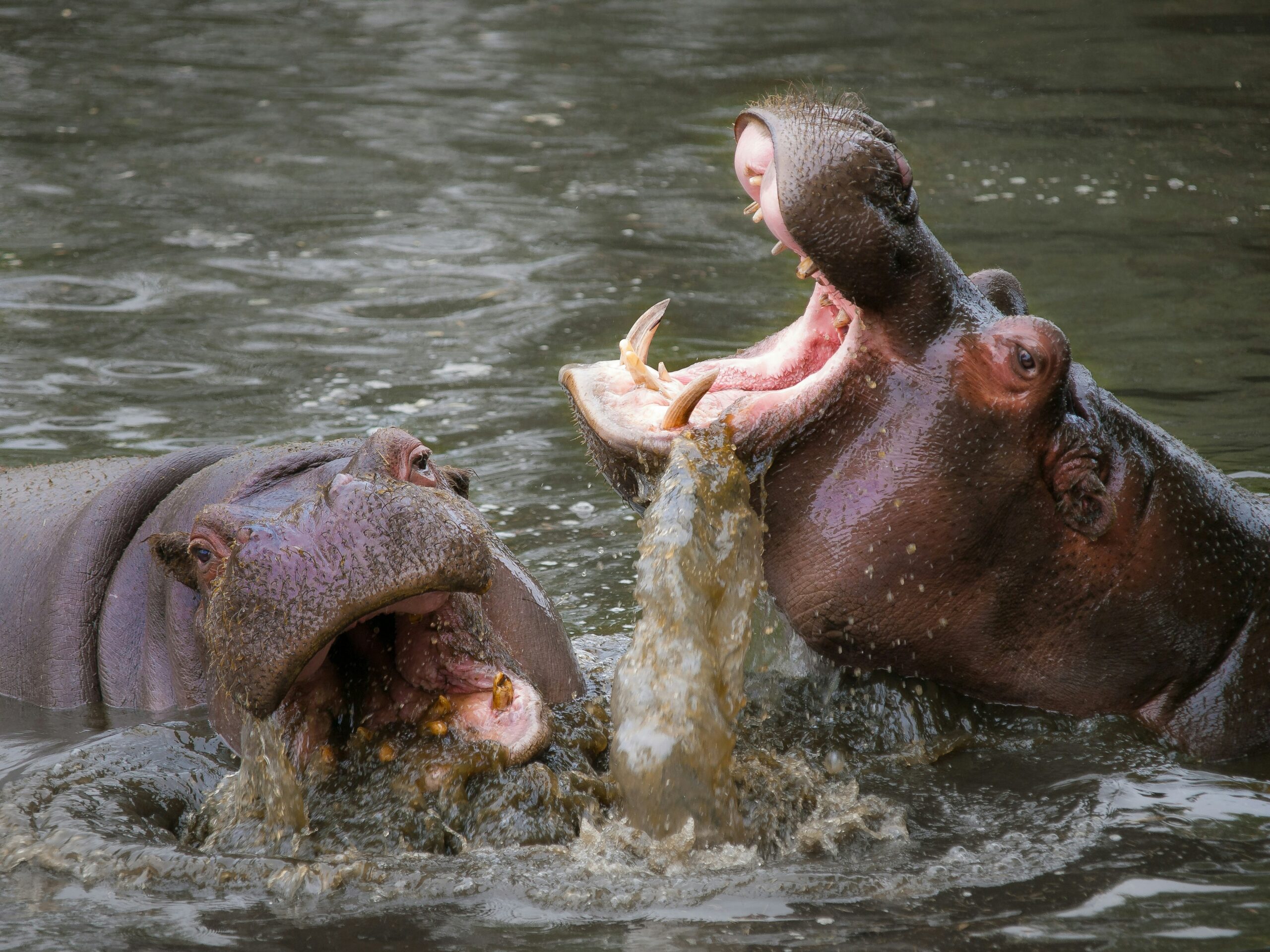
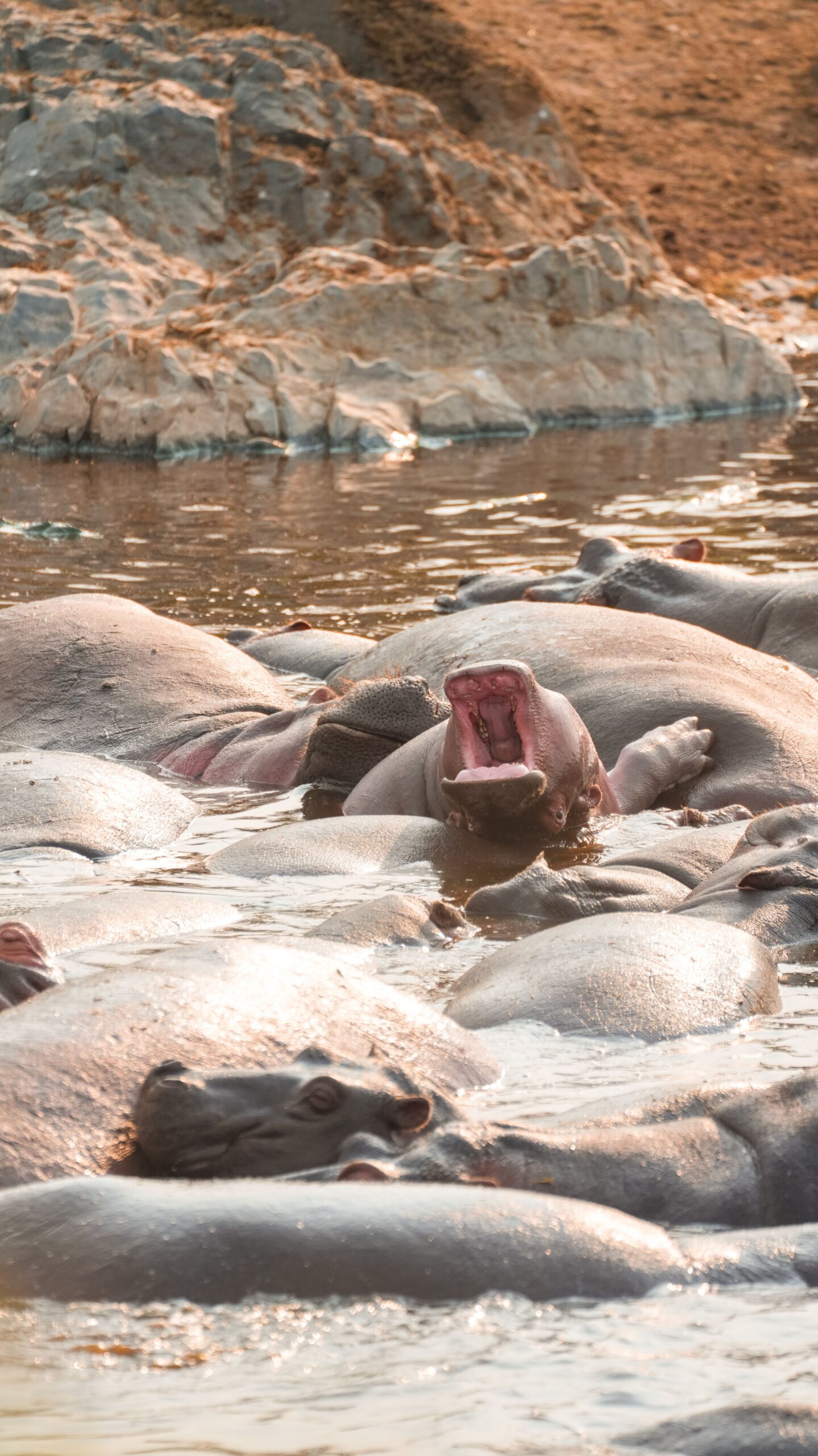
Lake Nakuru is a game-drive national park with rhinos; Lake Naivasha is a freshwater lake for hippo boat rides, walks…
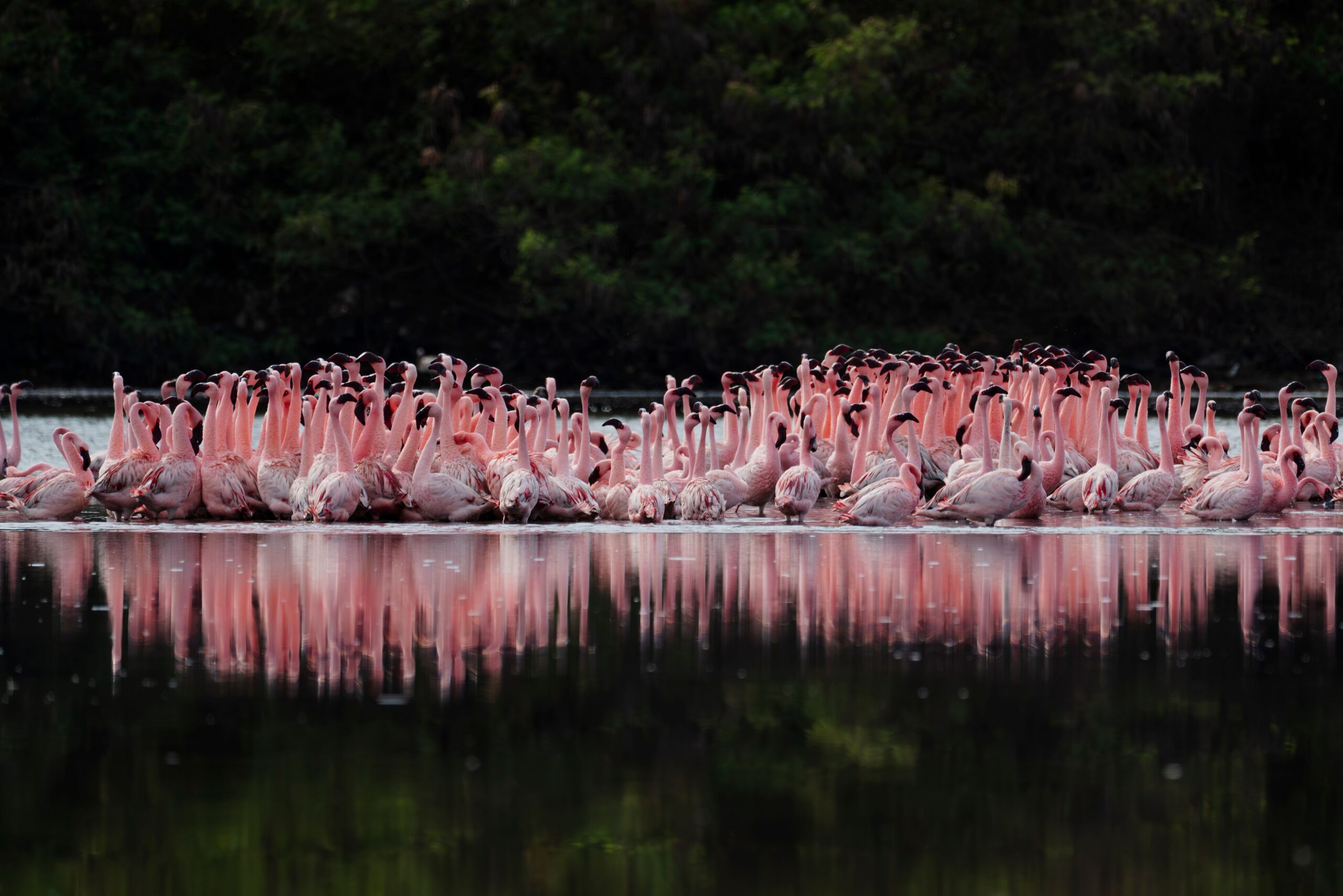
Lake Nakuru National Park is a compact, easy-to-explore park in the Rift Valley, built around a shallow soda lake and surrounded by acacia woodland, rocky ridges and grassland. It is one of the best places in Kenya to see both black and white rhino, and in good years the lake shore is edged pink with flamingos.
Because it is about three hours from Nairobi and small enough to cover in a day, Nakuru is a favourite overnight stop between the capital and the Maasai Mara. Here is what to know before you go.
Lake Nakuru is a small, shallow, alkaline lake, and the park around it covers only about 188 square kilometres. That size is part of its charm. In a single day you can drive through woodland, grassland and lakeshore, climb to viewpoints and see a remarkable range of wildlife without long transfers.
The park was created in 1961. The lake is protected under the Ramsar Convention on wetlands, and together with Lake Elementaita and Lake Bogoria it forms the Kenya Lake System of the Great Rift Valley, which UNESCO listed as a World Heritage Site in 2011. Part of the park is a fenced sanctuary that was set up to protect rhino from poachers.
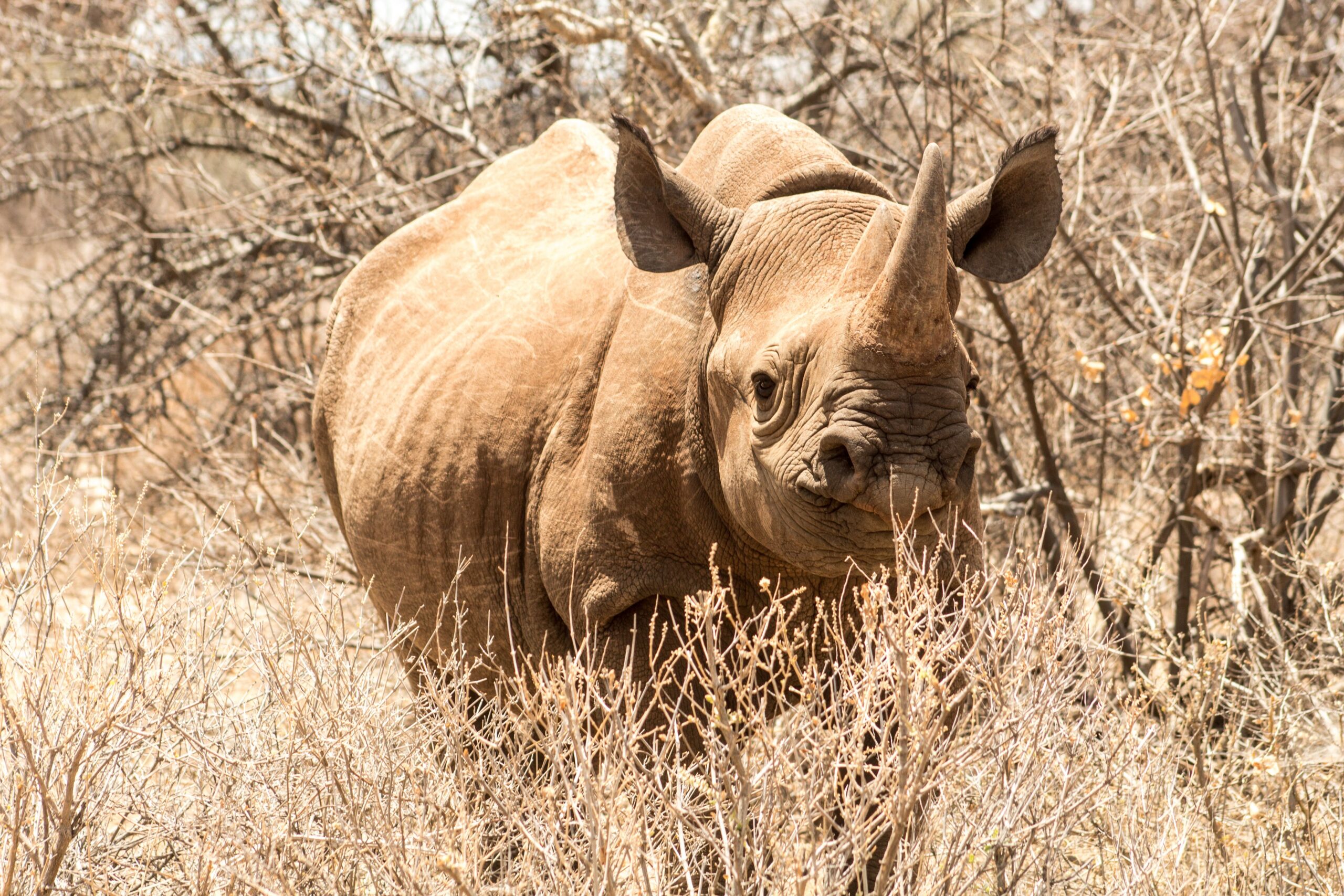
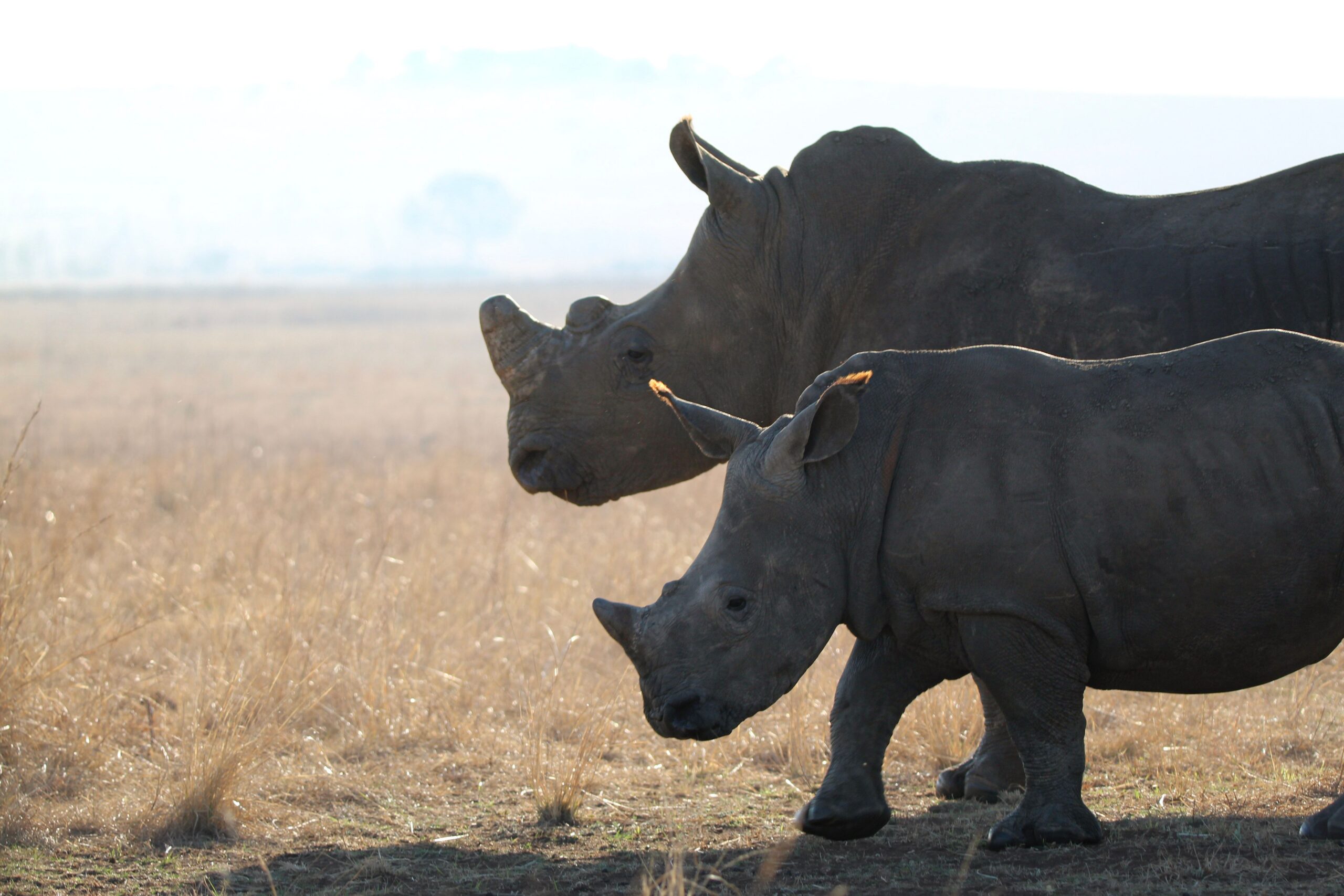
Nakuru is one of Kenya's best parks for seeing both species. A fenced sanctuary protects them, and sightings are frequent on a full-day drive.
This endangered giraffe was brought here from western Kenya beginning in 1977 and now thrives in the woodland.
Both lesser and greater flamingos use the lake and can number more than a million in good seasons. Numbers vary with water level and food, so they are not guaranteed.
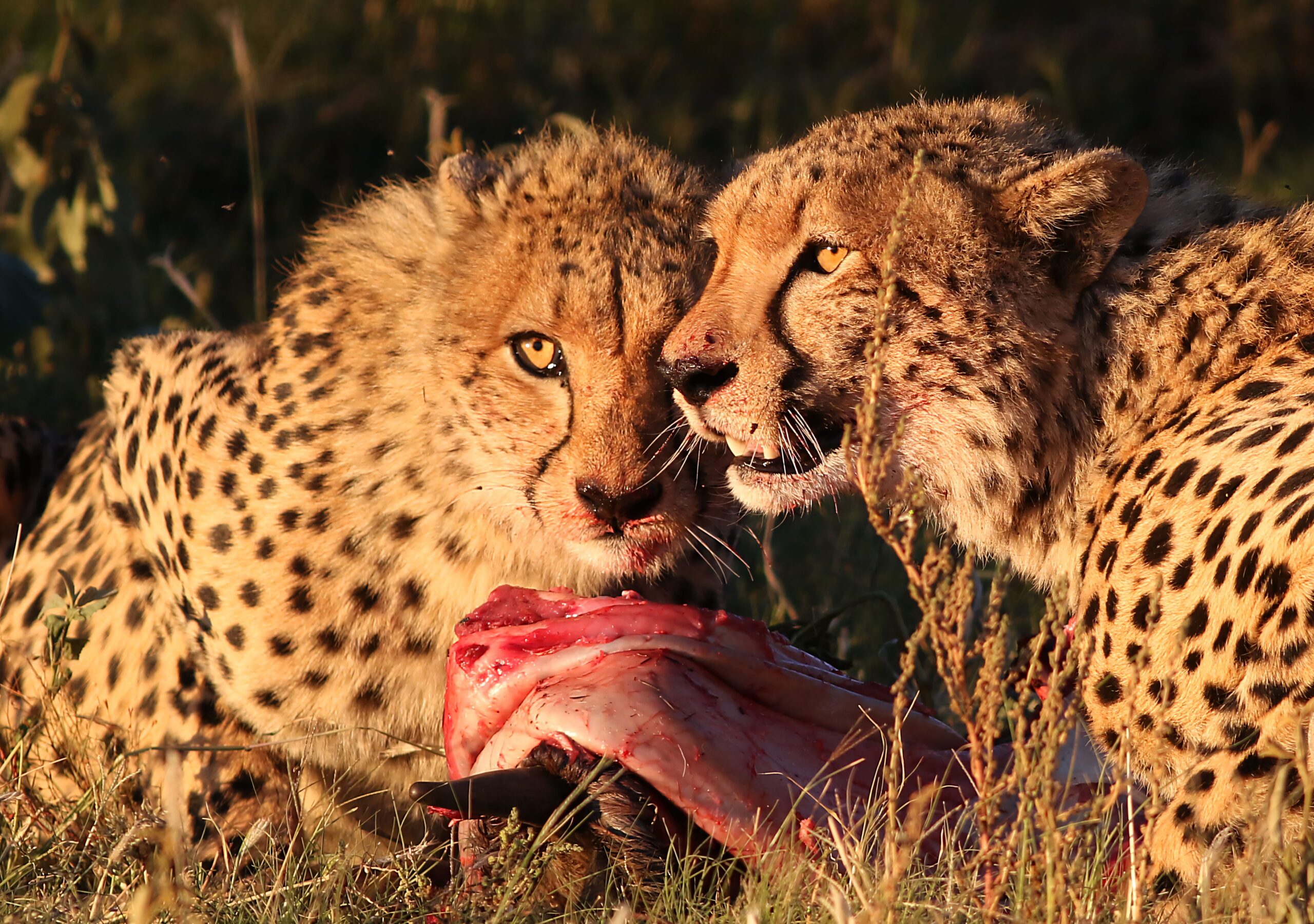
Lions and leopards live in the acacia woodland and are most often seen in the early morning. Hyenas are also seen regularly.
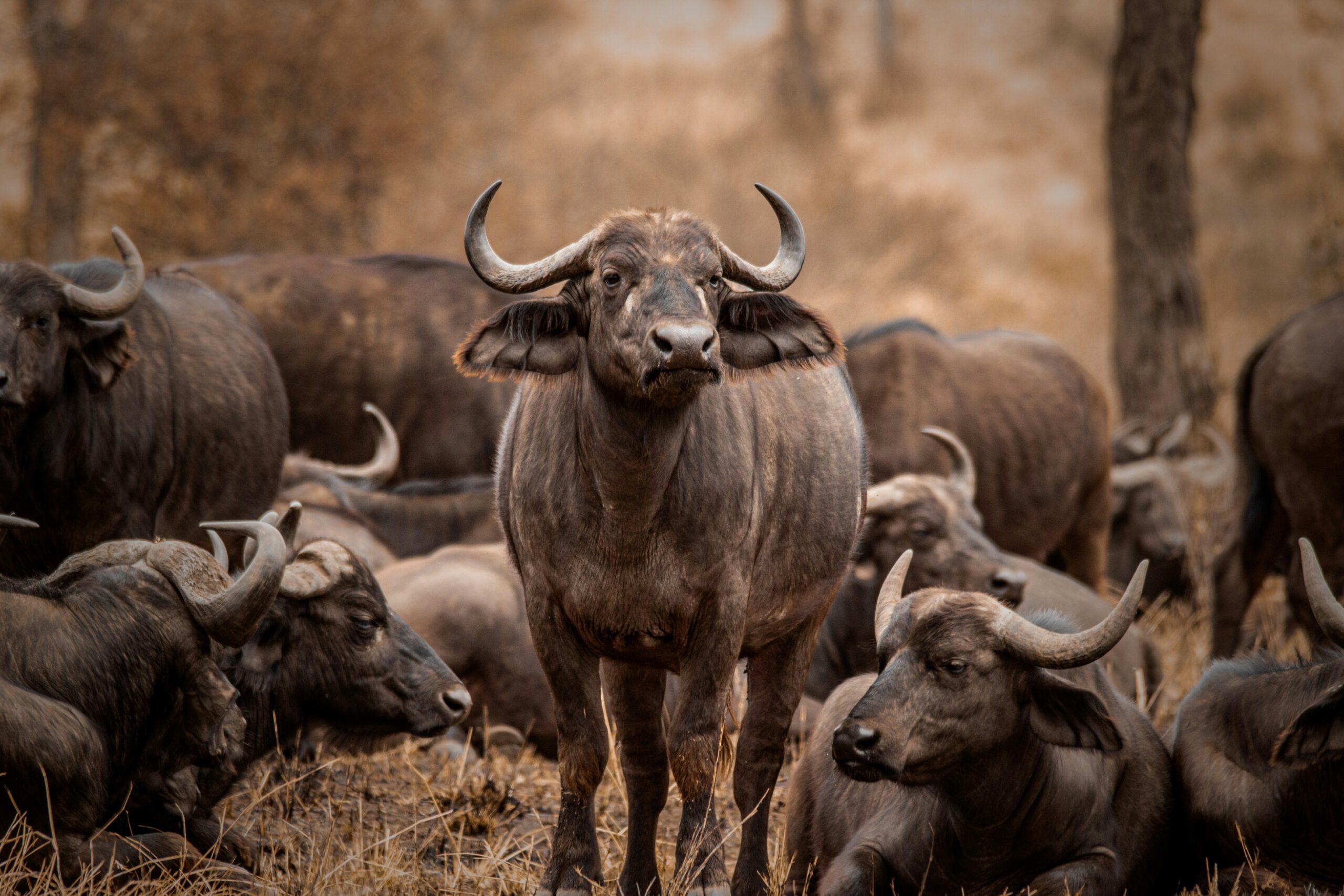
Large buffalo herds, waterbuck, impala, eland, warthog and troops of baboons are common.
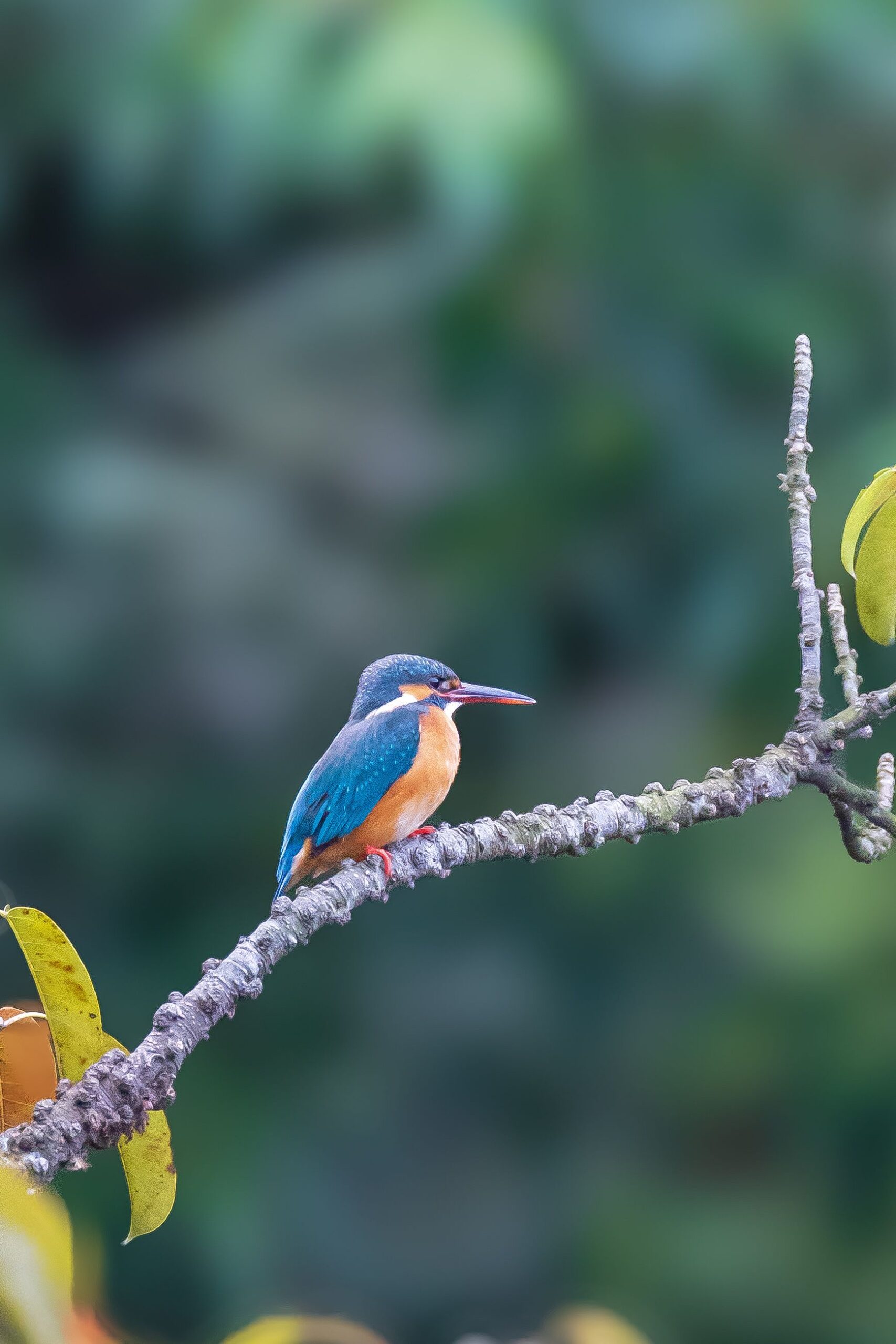
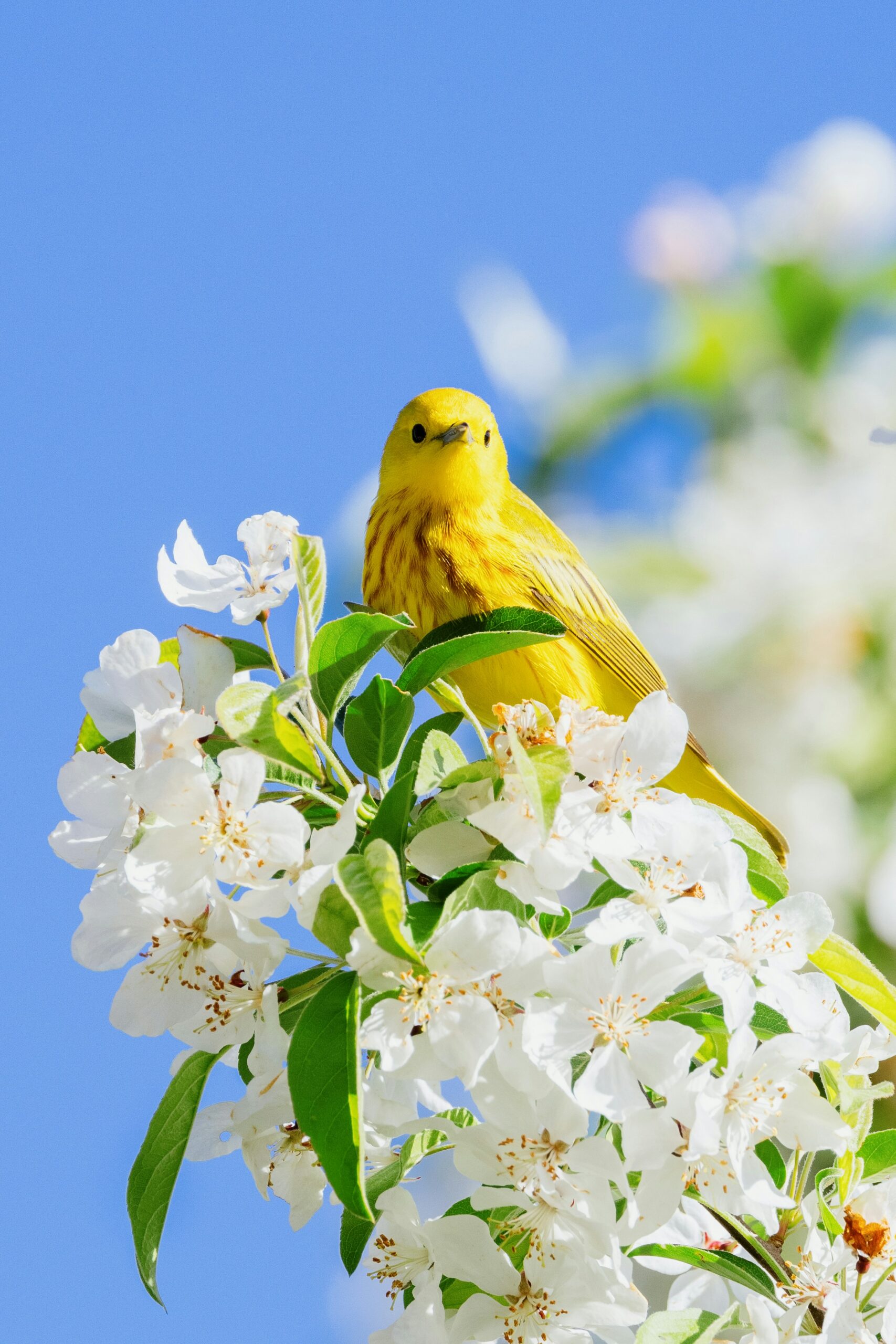
More than 400 bird species include pelicans, little grebes and white-winged black terns. Large pythons live in the woodland, though they are rarely seen.
Lake Nakuru has dried almost completely several times in the last 50 years and flooded at others. A sharp drop in the early 1990s was followed by rapid rises from 2013, which flooded parts of Nakuru town and submerged the park's main gate. Since 2021 the rising water has been linked to climate change, and it has displaced wildlife and some of the lakeside roads.
Flamingos react to those changes. In 2013 the rising water pushed many birds to Lake Bogoria, and numbers at Nakuru have fluctuated since. We will always tell you honestly what the lake looks like before you travel. Even without large flocks, the rhino, giraffe, big cats and birdlife make the park worth visiting.
Baboon Cliff is the best viewpoint for the lake, and Out of Africa Hill and Lion Hill give wide views across the park.
Nakuru is cooler than the lowland parks because of its altitude. Game viewing is good all year, so the main question is the weather.
The park is about 164 km north of Nairobi, usually around 3 hours via the Rift Valley, with a viewpoint stop over the escarpment on the way.
Lake Nakuru is a natural overnight stop between Nairobi and the Maasai Mara, which breaks the long drive into two shorter days.
Entry fees are set by the Kenya Wildlife Service and change from time to time. We include them in your quote.
There are lodges and camps inside the park, on the lakeshore and in the nearby hills, as well as hotels in Nakuru town and around Lake Elementaita and Lake Naivasha. Staying inside the park gives you access at dawn, when big cats and rhino are most active. Staying in the hills gives good views and often better value.
Lake Nakuru is a shallow, alkaline lake in the Rift Valley, at an altitude of about 1,750 metres. It has no outlet, so its size depends on rainfall and the rivers that feed it: published figures put its surface area anywhere from about 5 to 45 square kilometres, and in recent years it has expanded considerably. Its salty, algae-rich water is what drew the flamingos for which the park is famous.
Because the lake rises and falls, the scenery can look very different from one visit to the next. When the water is low, pale mudflats and white soda crusts fringe the shore. When it is high, the shoreline pushes into the surrounding grassland and woodland, and some roads and picnic sites can be flooded. Your driver-guide knows which tracks are open on the day.
The lake is known for flocks of lesser and greater flamingos that feed on the algae in the water. At their peak the flocks have been counted in the hundreds of thousands, and at times reportedly in the millions, turning the shoreline pink. Numbers vary a lot from year to year and even from month to month, because the birds move between the Rift Valley lakes as the water and food change. Reports in recent years describe numbers that have fallen, linked to changing water conditions and pollution.
This is why we do not promise a particular number of flamingos. If they are at Nakuru, the sight is unforgettable. If they have moved to another lake, the park still offers pelicans, storks, eagles and hundreds of other birds, along with large mammals. More than 400 bird species have been recorded in and around the park.
The park is one of Kenya's most important rhino sanctuaries. It was fenced and declared a rhino sanctuary in 1987, and both black and white rhinos live inside. A count in 2009 reported more than twenty-five black rhinos and about seventy white rhinos. Those numbers will have changed since, so we avoid quoting a current figure. The park is a good place to see rhino without a long drive, though a sighting still depends on luck and a patient guide. Please keep your distance and never leave the vehicle.
Nakuru is also home to Rothschild's giraffe, one of the most endangered giraffe subspecies. The first animals were relocated here from western Kenya in 1977, and the population has done well since. Buffalo, waterbuck, impala, zebra, eland, warthog and baboons are common, and lions, leopards, hyenas and large pythons live in the woodland. Leopard sightings have become more frequent in recent years, but they remain a fortunate find.
The park has several vantage points that give you a different view of the lake and the plains.
Stops like these are a good way to rest between drives and to take photographs without the vehicle in the frame. Keep food out of sight, as baboons are bold and will take anything left within reach.
Lake Nakuru is roughly three to four hours from Nairobi by road, which makes it an easy first or last stop on a safari. Many itineraries combine it with Lake Naivasha, the Aberdare range or the Maasai Mara. Allow at least a half-day for a game drive and, if you can, a night nearby, so that you are in the park early when the animals are most active.
The park is small enough to explore in a few hours. A typical game drive follows the lake edge, loops through the acacia woodland, climbs to a viewpoint and returns by the southern plains. Wildlife can be seen in every month, but the dry months from about June to October and December to March are easier for driving, and the green season is good for birds. Bring binoculars, a hat, sunscreen and a light jacket for the early morning.
Beyond the lake, the park holds a surprising range of habitats: open grassland, rocky cliffs, acacia woodland and patches of euphorbia. Each has its own wildlife, from rock hyrax and dik-dik to colobus monkeys in the forest, and the quieter back roads often give the most peaceful sightings. Ask your driver-guide to explore beyond the lake road, and take time to stop and watch rather than rushing between big animals. Small things, such as a pied kingfisher hovering over the water or a chameleon on a branch, make a good day even better.
Lake Nakuru is a protected wetland, and the park faces real pressures. Growth of the town of Nakuru and farming in the catchment send pollution and silt into the lake, and changing water levels affect where flamingos feed. Rising water in recent years has also flooded roads and buildings in parts of the park. Conservation groups and the Kenya Wildlife Service work on cleaning up the basin, protecting rhino and managing the fence, and visitor fees help pay for that work.
One night is usually enough, and a full day in the park lets you see the main sections. Nakuru fits into:
Read our Lake Nakuru guide and the guide to rhinos in Kenya.
Information was compared across sources. Wildlife counts change, so we avoid precise current figures. Please confirm details with us when you book.
No. Flamingo numbers vary with water level and food supply, and in some years most of the birds move to other Rift Valley lakes. Rhino, giraffe and big cats make the visit worthwhile regardless.
Yes. The park protects both black and white rhino in a fenced sanctuary, and sightings are common on a full-day drive.
About 164 km, usually around 3 hours by road.
One night and one full day is the usual stay. That is long enough to see the lake, the woodland and the rhino sanctuary.
It is part of the Kenya Lake System in the Great Rift Valley, together with Lake Elementaita and Lake Bogoria, which UNESCO listed in 2011. The lake is also a Ramsar wetland.
Lake Nakuru is a game-drive national park with rhinos; Lake Naivasha is a freshwater lake for hippo boat rides, walks…
A practical guide to Lake Nakuru National Park: rhino sanctuary, birdlife, leopards, best time to visit and how to fit…
A day-by-day six day Kenya safari plan with two alternatives, one for the beach and one for flying, plus tips…