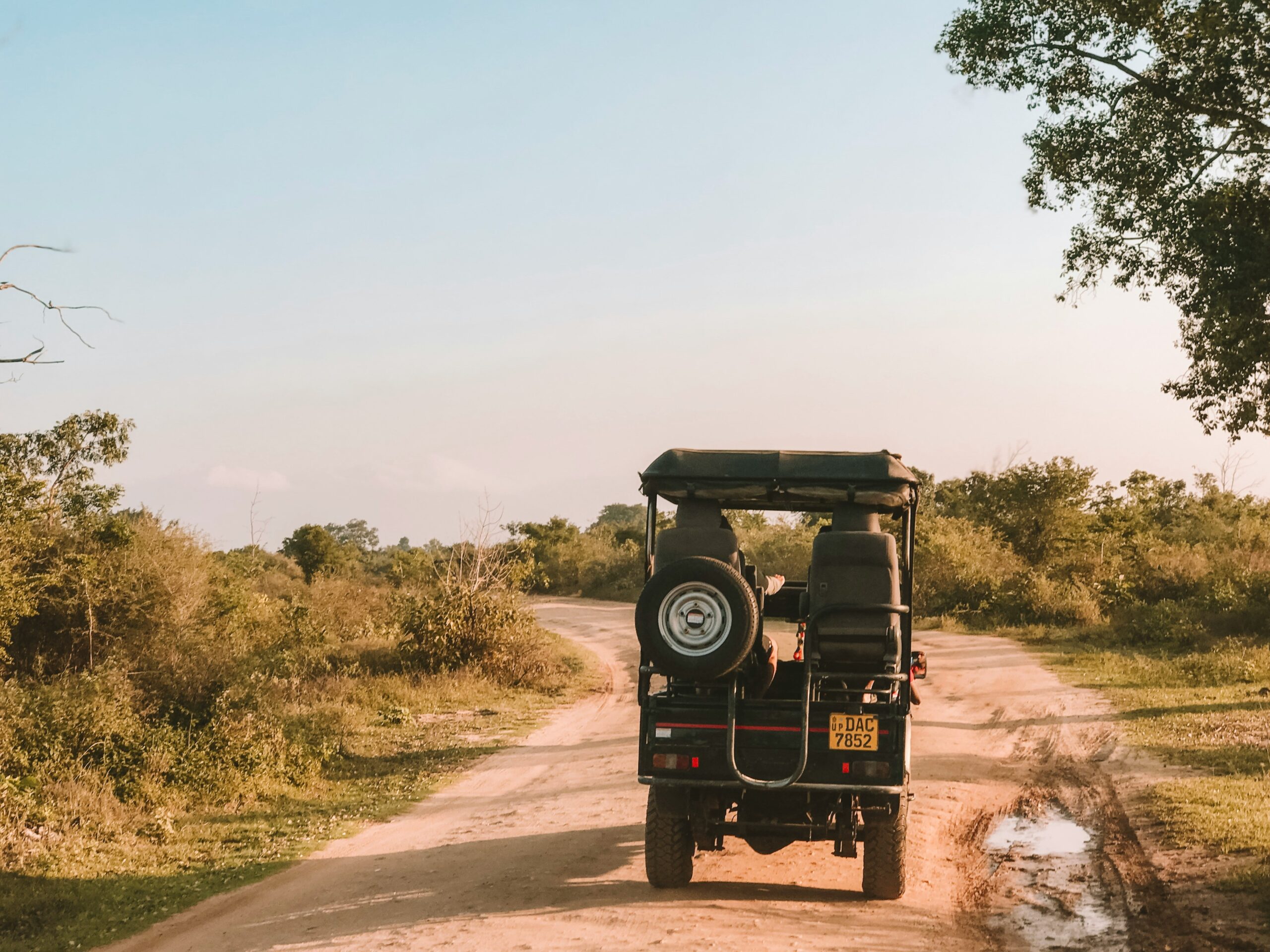
You will spend most of your safari inside a vehicle, so it is worth knowing what you are getting into. In Kenya you will meet three main types. They look similar from the outside and feel very different over a week of bumpy tracks.
The three vehicles you will meet
The 4×4 with a pop-up roof
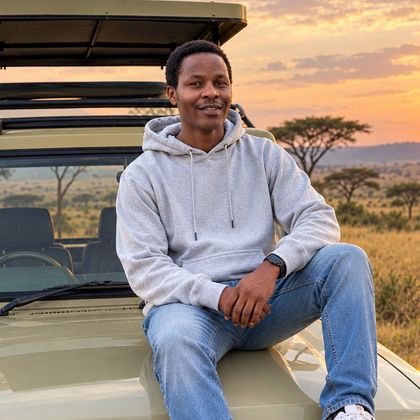
This is the classic safari vehicle, often a Toyota Land Cruiser. The roof lifts so you can stand up, look out and photograph in every direction, and the four-wheel drive copes with unpaved park tracks. On our safaris we use pop-up roof 4×4 vehicles, with drinking water on board and an experienced driver-guide.
The safari minibus
A van with a pop-up roof. It is usually a more economical option and can carry a larger group, but it handles rough ground differently from a 4×4. For a long trip across rougher parks, or in the rain months, ask whether a 4×4 is available.
Open-sided camp vehicles
Some camps and conservancies run their own open game-viewing vehicles, with no roof and a clear view. They are lovely in the early morning, but you feel the sun and dust more, and the rules differ from area to area. Ask your camp which vehicles it uses.
What the park rules mean for your vehicle
The vehicle does not set the rules. The reserve does. In the Maasai Mara National Reserve, according to the reserve’s own rules page, off-road driving is prohibited, speed is generally 40 km/h or less, and driving is restricted to daylight hours. Night game drives are not permitted inside the National Reserve, although some conservancies may allow them. You may leave the vehicle only at designated picnic sites or gates. Our Maasai Mara rules guide covers what this means in practice.
The reserve also charges a separate daily fee per vehicle, based on its number of seats. A typical safari vehicle falls in the 6 to 12 seat band. See Maasai Mara park fees for the current structure.
Questions to ask before you book
- What type of vehicle will we use, and is it a 4×4?
- How many guests share one vehicle? Is a window seat guaranteed for everyone?
- Does the roof open fully, so I can stand and photograph?
- Is drinking water provided each day?
- What happens if the vehicle has a problem on the road?
- Is the vehicle private to our group or shared?
Our guide to private vs group safaris explains how sharing changes your day.
Small things that make a long drive easier
Bring a hat, sunscreen and a light layer for early mornings. Keep camera gear in a soft bag within reach, and see our what to wear on safari and safari etiquette pages for the rest.
Frequently asked questions
Do I need a 4×4 for a Kenya safari?
Most operators use 4×4 vehicles because park tracks are unpaved and can turn to mud in the rains. A 4×4 is the sensible default.
Is a pop-up roof worth it?
Yes for most guests. It lets you stand, see further and photograph in every direction.
Can I drive myself on safari in Kenya?
It is possible in some places, but the rules and the road conditions are different from home. Read our self-drive safari guide first.
Are safari vehicles in Kenya open-sided?
Most are closed vehicles with a pop-up roof. Some camps and conservancies run open-sided vehicles, so ask which one you will get.
Is drinking water provided?
On our safaris, yes: drinking water is carried on board. Ask any operator the same question.
Want help planning? Talk to our team and tell us your dates, who is travelling and what you would like to see.
Maasai Mara rules and vehicle fee structure checked on 5 November 2026 on the Maasai Mara National Reserve rules page and entry fees page.