Tsavo East and Tsavo West: Kenya’s Biggest Safari Parks Explained
Tsavo East and Tsavo West are two very different parks. Compare landscapes, wildlife, best seasons and how to combine them…

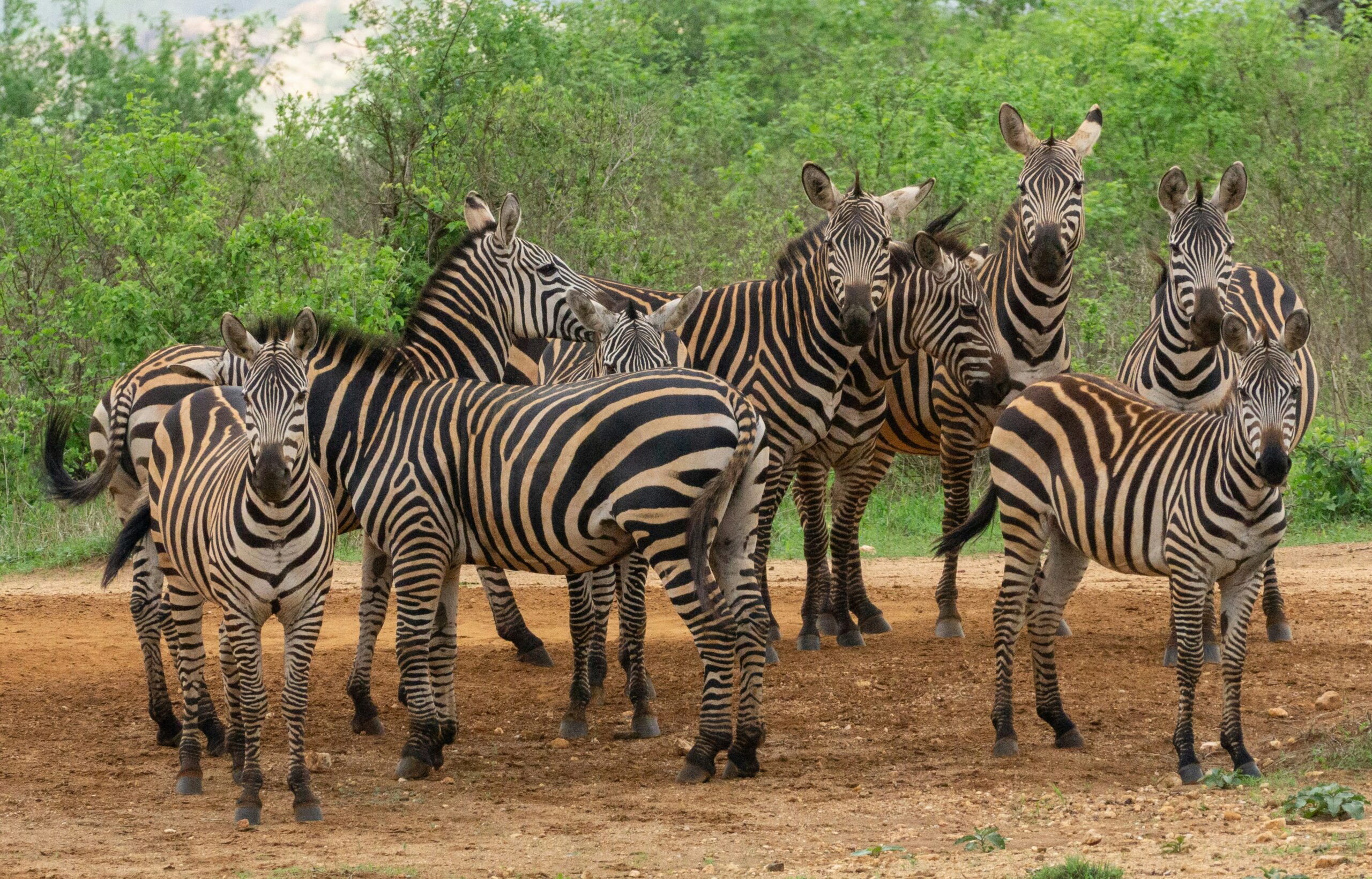
Tsavo West is the scenic half of the Tsavo ecosystem: hills, volcanic lava fields, natural springs and a rhino sanctuary, all within a few hours of Nairobi and Mombasa. It is greener and more varied than its flat neighbour to the east, and it fits neatly between Amboseli and the coast.
Here is what to see, when to go and how to plan Tsavo West on its own or as part of a Tsavo, Amboseli and beach itinerary.
Tsavo West covers about 9,065 square kilometres and was gazetted in 1948, the same year as Tsavo East. Unlike the flat plains to the east, it is a landscape of volcanic hills, rocky outcrops, springs and dark lava fields, with the Chyulu Hills rising to the north-west and Lake Jipe on the Tanzanian border.
The Nairobi to Mombasa highway and the railway run between Tsavo West and Tsavo East, so the two halves are easy to combine. Tsavo West's variety makes it good for travellers who want more than just game drives, with short walks at viewpoints, rock formations to climb and water to watch.
Crystal-clear pools fed by water that filters through the volcanic Chyulu Hills. Hippo and crocodile live in the pools, and the water is a lifeline for the whole area.
A dark field of cooled lava, a place with local legends and a good walk. The name means "devil" in Swahili.
A protected area created to safeguard black rhino. It gives you a good chance of seeing this endangered animal, though sightings are never guaranteed.
A viewpoint above the park, with wide views across the plains towards Kilimanjaro on a clear day.
A shallow lake on the border with Tanzania, good for birdwatching and a quiet boat trip.
Green volcanic hills along the north-west edge of Tsavo West, popular for walking and horse-riding safaris.
Tsavo West is one of the better places in Kenya to look for black rhino, thanks to the Ngulia sanctuary.
Both are common, with elephants often seen near the springs and rivers.
Seen at Mzima Springs, which is one of the park's main draws.
Present throughout the park, though harder to find in the thicker bush. Leopards are sometimes seen around rocky areas.
Lesser kudu, hartebeest, Masai giraffe and many smaller antelope live in the bush.
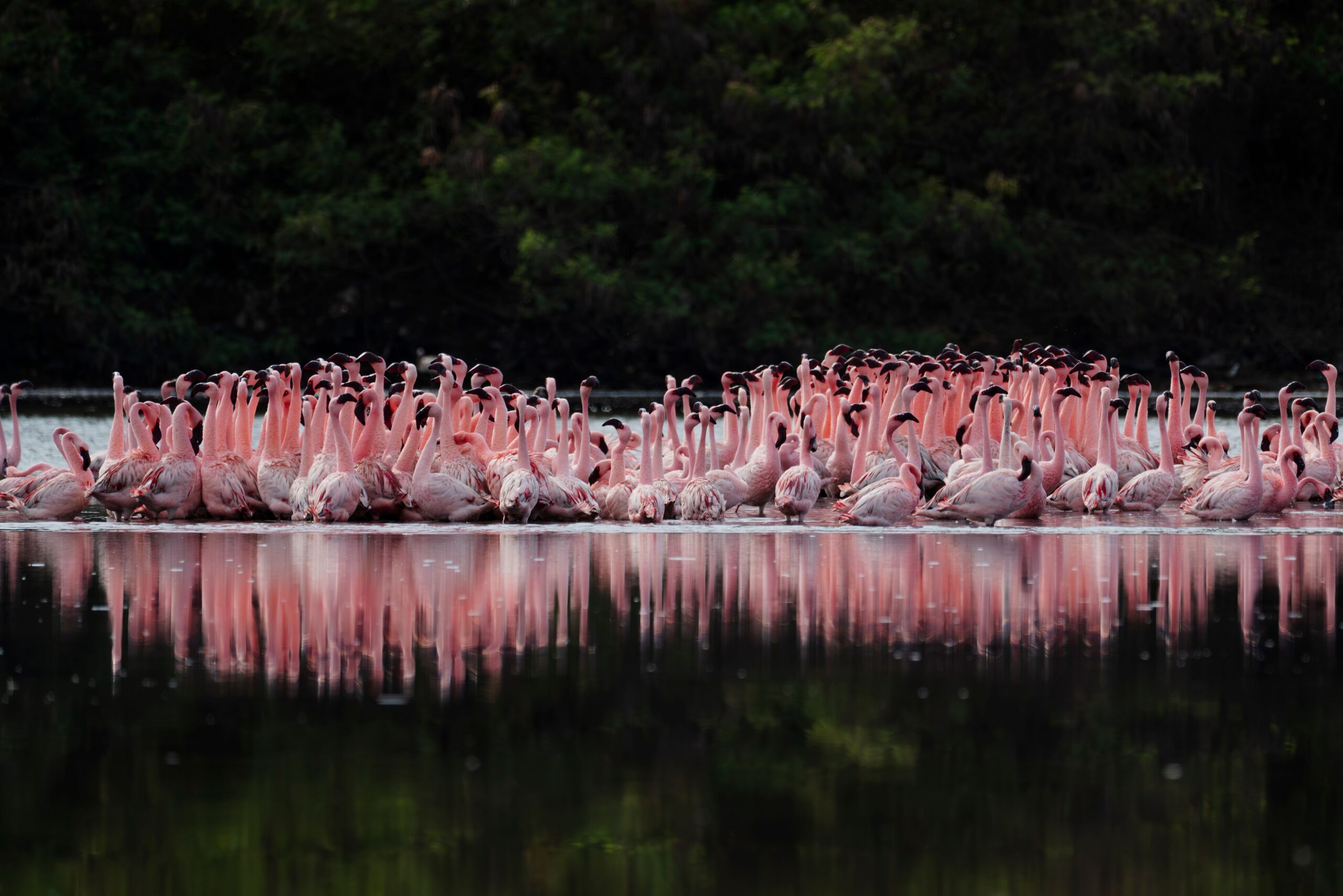
Hundreds of species, including raptors, hornbills, bee-eaters and many waterbirds at Lake Jipe.
The park is hot on clear days, and the dry months are the best time for wildlife. The scenery is attractive all year, so green-season trips can still be rewarding.
Roughly 4 to 5 hours along the Nairobi to Mombasa highway to Mtito Andei Gate, the main entrance.
About 4 to 5 hours by road, a long but straightforward drive.
A scenic transfer of about two to three hours between the two parks, usually combined into one itinerary.
Flights and charters can land at airstrips in or near the park.
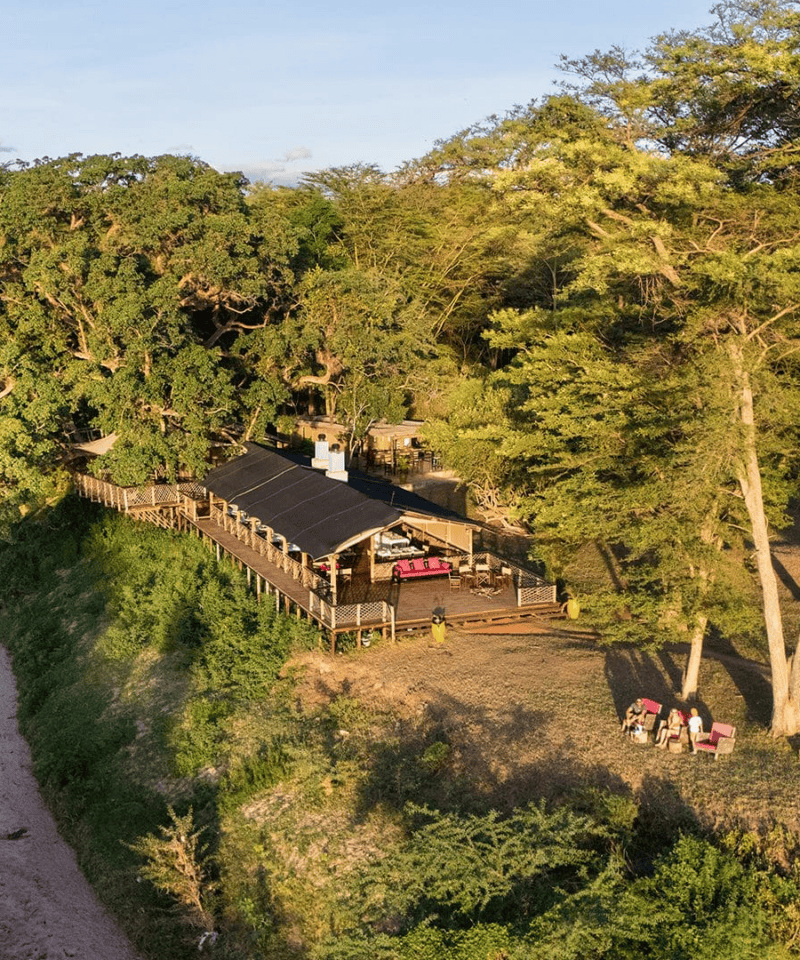
Lodges and tented camps are set around the springs, the lava fields and the foothills, and some have waterholes where wildlife comes to drink at dusk. Simpler camps near Mtito Andei and the Chyulu Hills offer good value. Our consultants can suggest lodges that suit your budget and whether you prefer views, a waterhole or a quiet camp.
Tsavo West is the more scenic half of the Tsavo ecosystem. It covers about 9,000 square kilometres, was gazetted in 1948 and is part of a protected area with Tsavo East that, taken together, is among the largest in Kenya. Where Tsavo East is flat, open and sweeping, Tsavo West is varied: volcanic hills, black lava fields, rocky ridges, springs and patches of thick bush. Wildlife is more hidden in the denser cover, so game drives reward patience and the sharp eyes of a good driver-guide.
Mzima Springs is the park's best-known attraction. Water that falls on the volcanic Chyulu Hills seeps through the lava rock, travels underground and rises here as clear pools and streams, producing a huge volume of fresh water every day. The springs are reported to supply much of the drinking water for the coastal city of Mombasa.
Walkways lead around the pools, which hold hippos and crocodiles, and an underwater viewing chamber lets visitors watch fish and hippos below the surface. The setting, with green palms and vivid water against dry bush, is a striking contrast to the rest of the park. Always follow the ranger's instructions on the walkways, since the animals are wild.
The Ngulia Rhino Sanctuary protects black rhinos inside a fenced area of the park. It is one of the few places in Kenya where visitors have a good chance of seeing black rhino, though sightings can never be promised. The sanctuary was created to protect the animals from poachers, and rangers monitor the rhinos closely. Visits are by vehicle with a ranger or guide, and we advise early or late drives, when the animals are most active.
North of the park the Chyulu Hills are a range of young volcanic hills, and the lava that spilled from them still marks the landscape in black ridges and rough rock fields. The porous lava soaks up rainfall like a sponge, which is how Mzima's water reaches the surface far below. The hills are a landscape of green grass and cloud forest on top and bare lava on the lower slopes, and their edges are used by Maasai herders. Walking and horse-riding safaris are offered in some areas outside the park, and they make a refreshing change from game drives.
Accommodation ranges from lodges with views over waterholes to tented camps tucked into the bush. Some lodges overlook water that attracts elephant and buffalo at dusk, and you can watch from the veranda. The area gets very hot on clear days, so a pool is a real bonus. Bring a wide-brimmed hat, long light sleeves for the sun and dust, a fleece for early drives, binoculars and a camera with a zoom lens. A scarf or buff helps with dust on the tracks.
On the northern side of the park, near the Chyulu Hills, Poacher's Lookout is a high viewpoint that looks over the plains and, on a clear day, towards Mount Kilimanjaro. It is a popular place for a sundowner at the end of the afternoon, and you may see elephants roaming the plains below the cliffs. Clear views are not guaranteed, because cloud often gathers over the mountain, so come with an open mind and a camera.
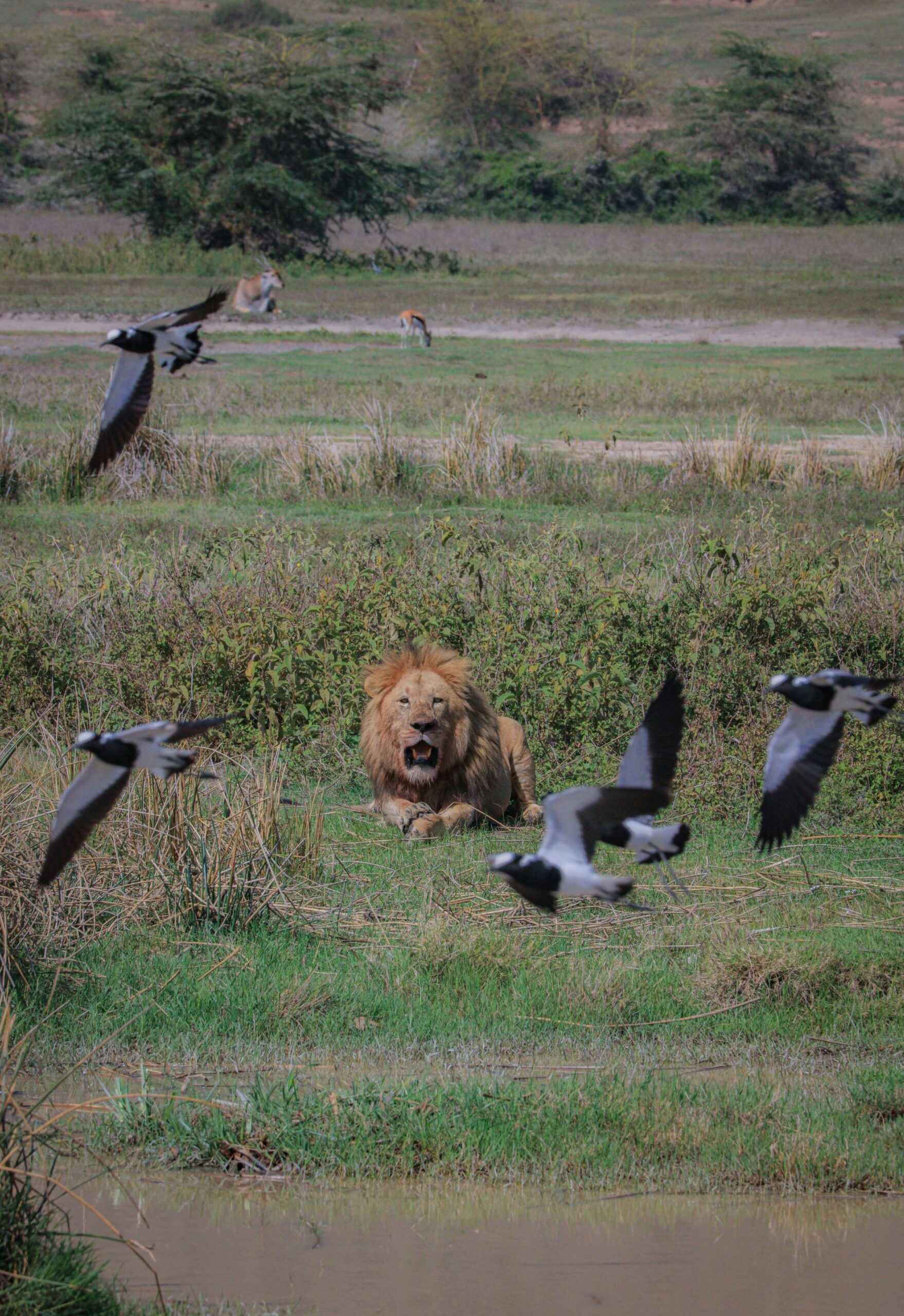
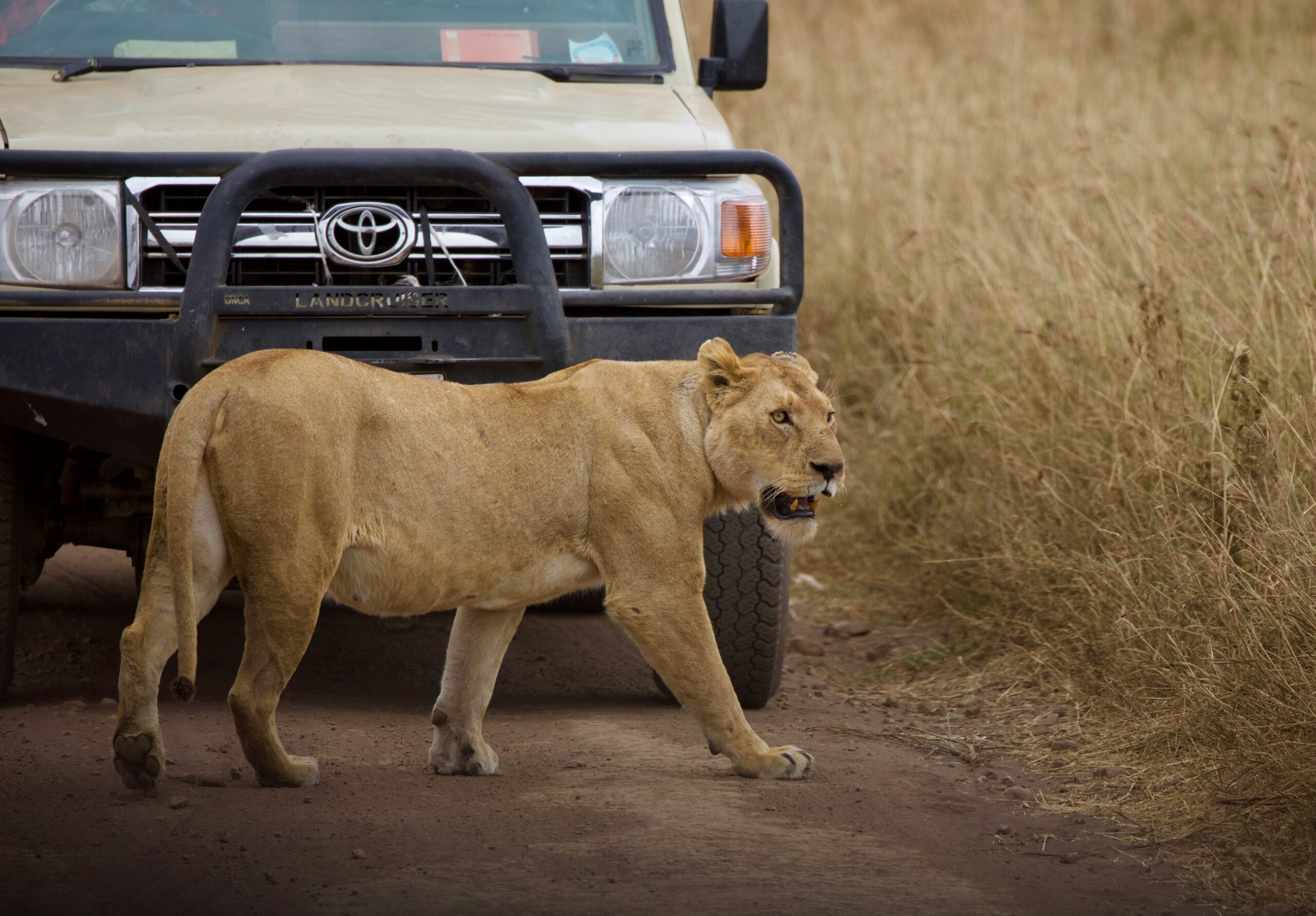
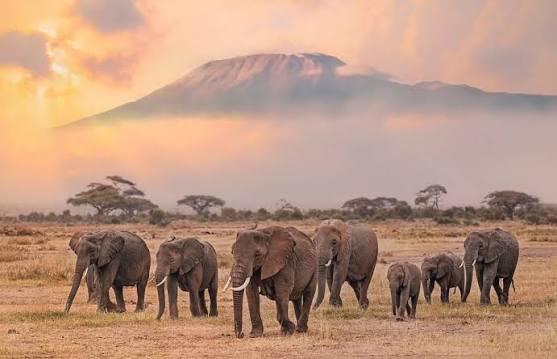
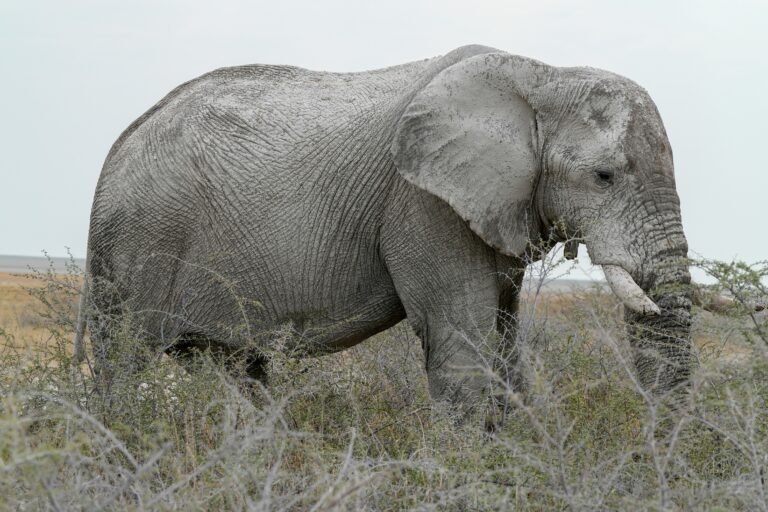
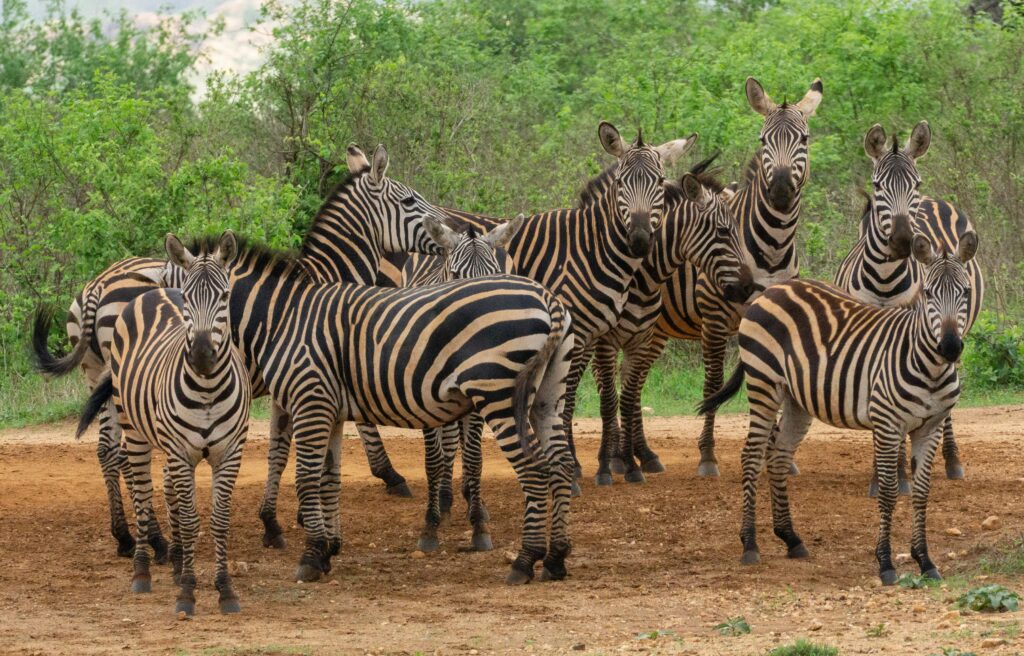
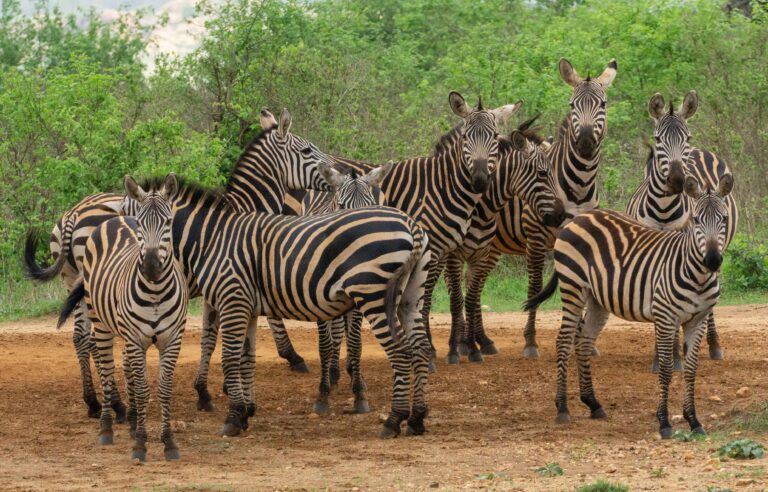
Elephants are common, and the dust-covered herds are a highlight. Other animals include buffalo, giraffe, zebra, lion, leopard, cheetah and a wide range of antelope, such as lesser kudu and gerenuk. Hippo and crocodile live in the springs and rivers, and the park also offers excellent birdwatching, with raptors, hornbills, bee-eaters and many migratory species. Because the vegetation is thick in places, patience matters more here than in the open plains of the Mara.
The Tsavo region is known for the story of the Tsavo man-eaters, lions that attacked railway workers at the end of the nineteenth century when the Uganda railway was being built. Accounts of how many people they killed range from a few dozen to over a hundred, so we do not give a single figure. The area has also been a crossing point for traders and travellers for centuries.
The drier months, roughly July to September and December to March, are the best for wildlife, when animals gather near water and the bush is thinner. The long rains in about March to May and the short rains around October to November bring greener landscapes and fewer visitors, but the tracks can become muddy and the vegetation thicker. Days are hot, so early and late drives are best, and light, breathable clothing is useful. Bring binoculars, a hat, sunscreen and insect repellent.
The park is roughly 230 to 250 kilometres from Nairobi or Mombasa, and the road journey takes around four to six hours, depending on traffic and road conditions. It fits well into a longer itinerary with Amboseli, Tsavo East or the coast, and we suggest at least two nights.
Two nights is a good minimum. Tsavo West fits well with:
Read more in our Tsavo East and West guide and the Chyulu Hills guide.
Information was compared across sources. Animal numbers and rules change, so we avoid precise current figures. Please confirm details with us when you book.
Mzima Springs, the Shetani lava flow, the Ngulia Rhino Sanctuary and its varied hills and viewpoints. It is more scenic than Tsavo East.
About 9,065 square kilometres. Together with Tsavo East it makes up roughly 22,000 square kilometres of protected land.
Black rhino live in the park, especially around the Ngulia Rhino Sanctuary, so your chances are better than in many parks. They are still shy and never guaranteed.
It depends on what you want. Tsavo West has more variety and scenery. Tsavo East has more open space and a sense of remoteness. Many guests do both.
Two nights is a good minimum, and three nights allows time for the springs, the sanctuary and a viewpoint walk.
June to October is best for wildlife. January and February are also good. The rainy seasons bring green scenery and fewer visitors.
Tsavo East and Tsavo West are two very different parks. Compare landscapes, wildlife, best seasons and how to combine them…
The story of the Tsavo man-eating lions of 1898, and what Tsavo West National Park offers visitors today.
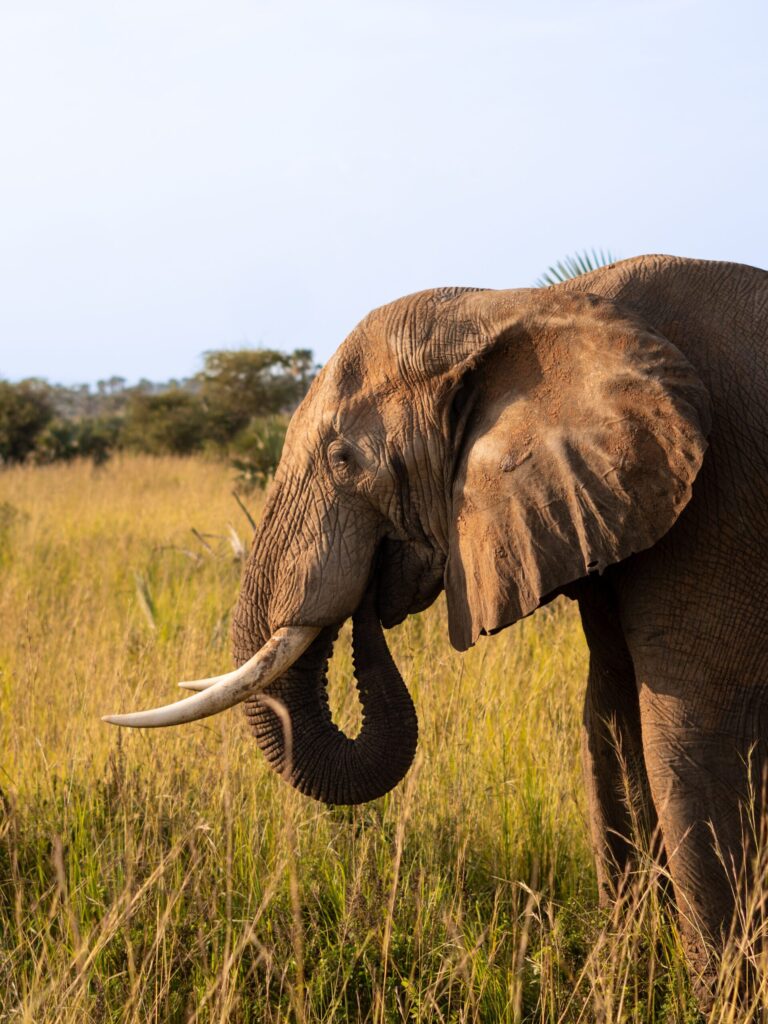
The first time you see the Tsavo red elephants, you assume the camera is lying. A herd walks out of…