Lake Nakuru vs Lake Naivasha: Which Rift Valley Lake Fits Your Safari?
Lake Nakuru is a game-drive national park with rhinos; Lake Naivasha is a freshwater lake for hippo boat rides, walks…
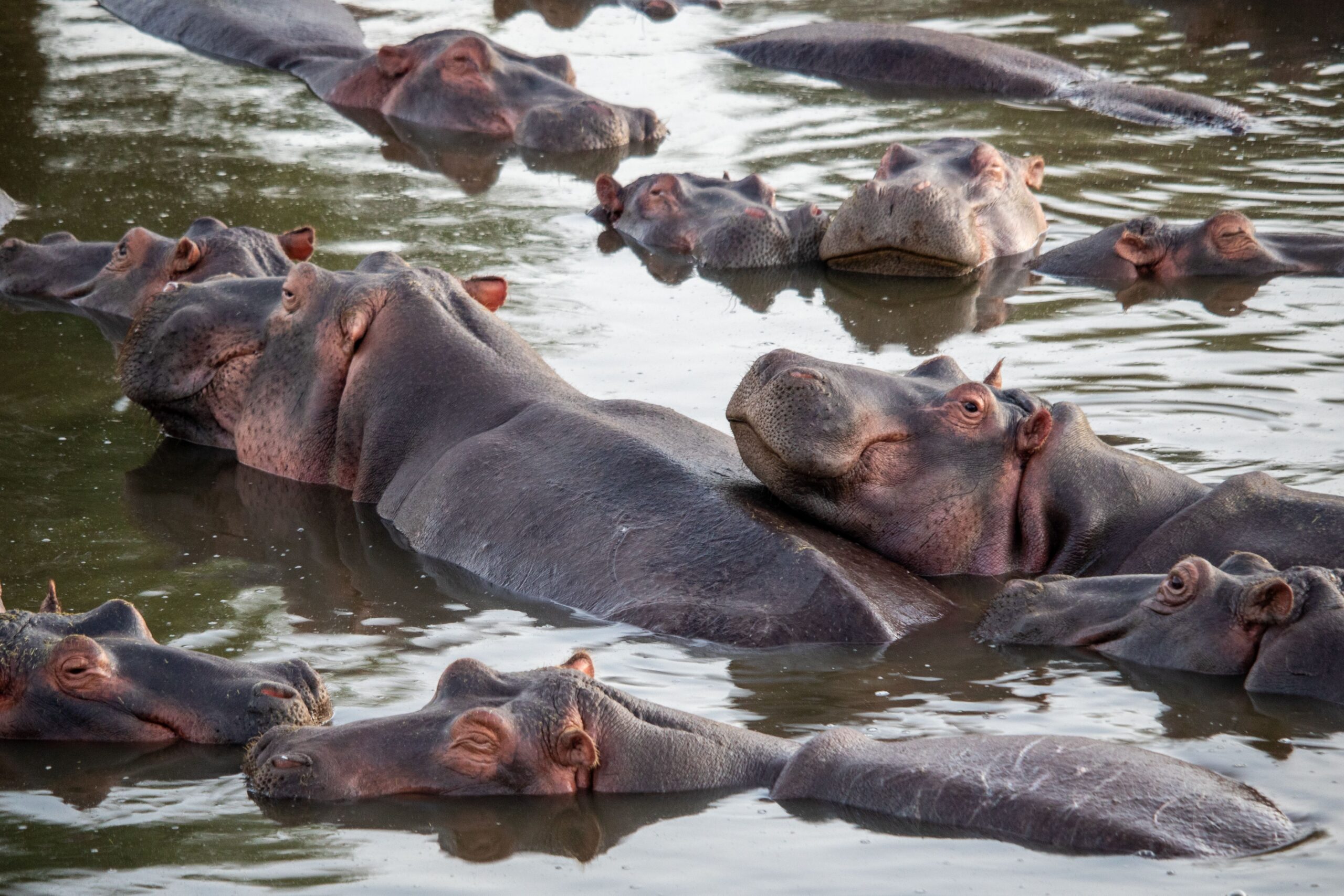
Lake Naivasha is a freshwater lake high in Kenya's Great Rift Valley, about 90 km north-west of Nairobi. Hippos graze its shores at night, fish eagles call over the papyrus, and giraffe, zebra and waterbuck walk among the acacias on the lake edge. It is the easiest overnight escape from the capital and works as a first or last stop on a longer safari.
Here is what to do on and around the lake, when to go and how to fit it into your trip.
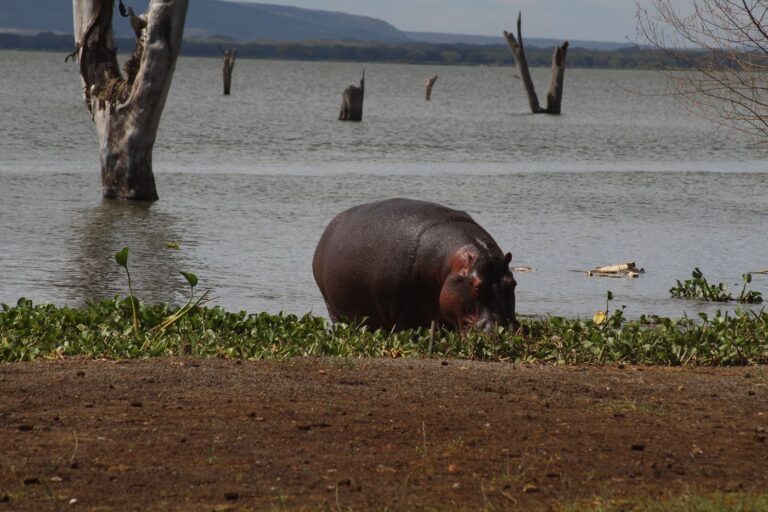
Most Rift Valley lakes are alkaline, but Naivasha is fresh, which is why it supports so much life. Papyrus and water lilies line the shore, hippos spend the day in the shallows and come out to graze after dark, and the water holds tilapia, black bass and introduced crayfish that feed the birdlife.
The lake sits at roughly 1,890 m, so mornings are cool and the days pleasant rather than hot. Mount Longonot, a dormant volcano, rises to the south-east, and the Aberdare range shows on clear mornings to the east. The surrounding farmland is also where much of Kenya's cut-flower industry is based, so you may pass long greenhouses on the road in.
Naivasha does not offer the big-cat and herd spectacle of the Maasai Mara. What it offers is variety and ease: water, birds, walking, cycling and a short drive from Nairobi. Many travellers use it to shake off jet lag before heading deeper into the country.
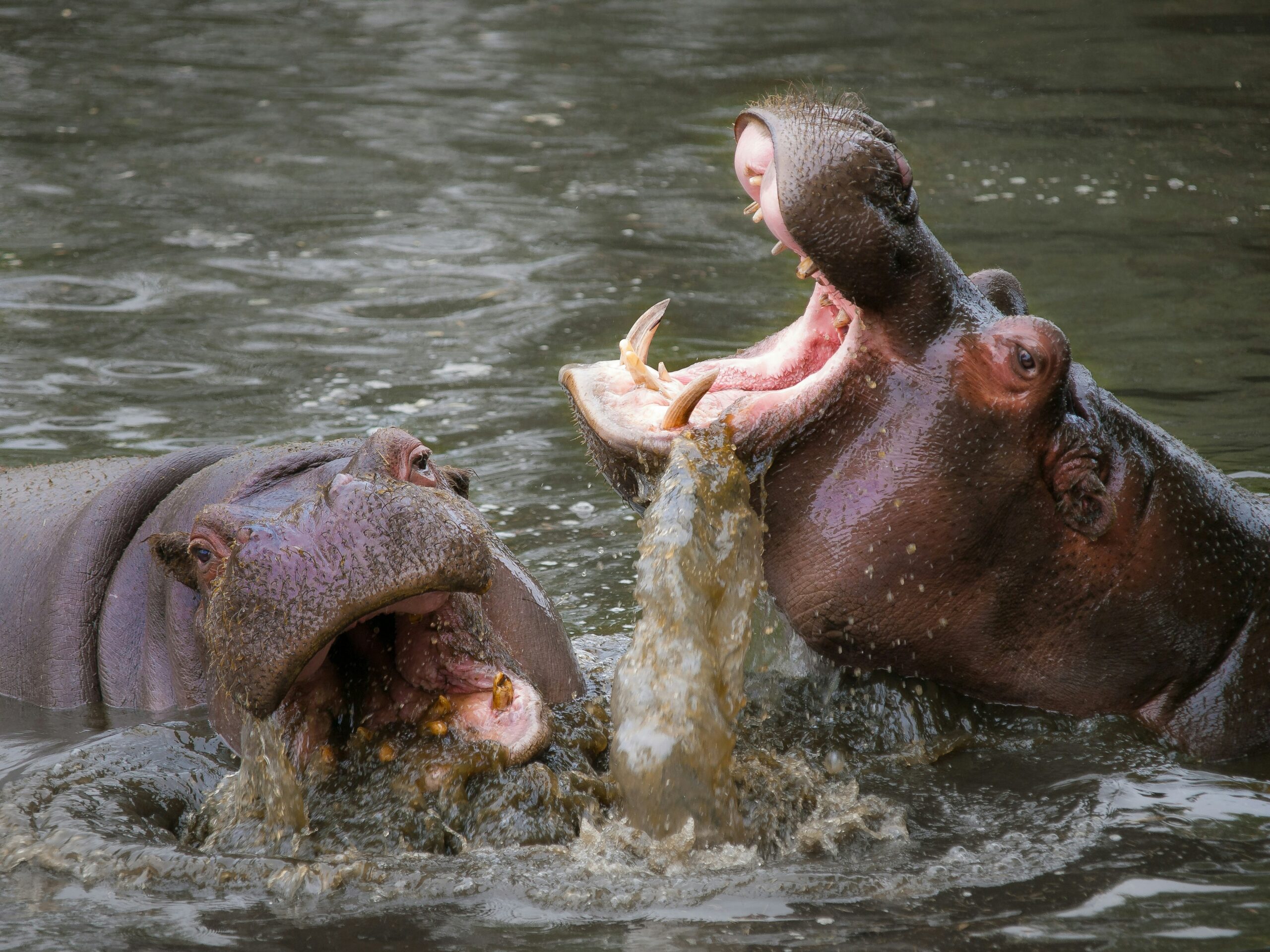
A one to two hour trip gets you close to hippos and to the papyrus fringe where fish eagles, pelicans, cormorants and kingfishers feed. Early morning is calmest and best for birds.
Reached by boat or by road, this private sanctuary has no large predators, so you can walk among giraffe, zebra, wildebeest, impala and waterbuck. It is a rare chance to photograph them on foot at eye level.
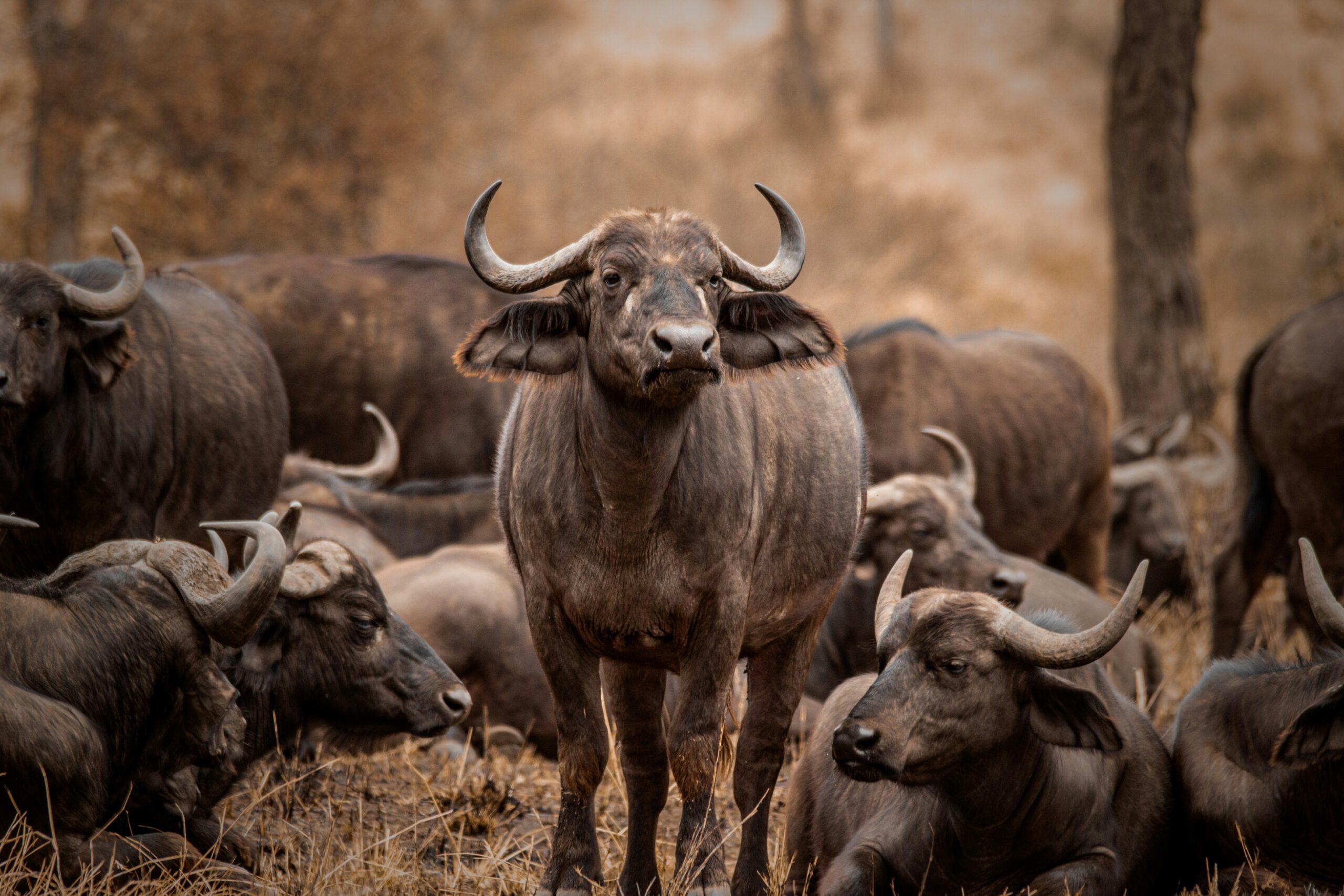
A short drive from the lake, Hell's Gate is one of the few Kenyan parks where you can walk or cycle among zebra and buffalo. See our Hell's Gate guide for the gorge and Fischer's Tower.
The former home of Joy Adamson, author of Born Free, is now a conservation education centre on the lake shore. It offers a short film, a display of her life and work, and afternoon tea in the garden.
A small crater lake with a forest trail, colobus monkeys and wonderful views. Good for a quiet morning on foot.
Quiet lake-shore roads and sanctuary tracks suit bicycles. Birders can add a dawn walk along the shore for waterfowl and waders.
Drive north-west from Nairobi on the A104 past Limuru and the viewpoint over the Rift Valley, then continue to Naivasha town and the lake. Allow 1.5 to 2 hours, longer when traffic is heavy.
Our drivers collect you from your Nairobi hotel or the airport. Naivasha fits neatly as an overnight before the Maasai Mara or as the first leg of a Rift Valley loop with Nakuru and Hell's Gate.
Lodges and camps sit along the south and east shore, with options from simple campsites to comfortable lodges. Tell us your budget and we will suggest the best fit.
Lake Naivasha sits at about 1,880 metres above sea level on the floor of the Great Rift Valley, north-west of Nairobi. Unlike its salty neighbours Nakuru and Elementaita, it is a freshwater lake, and the water is assumed to drain away underground. Its average depth is about six metres, with deeper water of around thirty metres near Crescent Island.
The lake changes shape with the rains. Its surface area was about 139 square kilometres before 2010 and expanded to roughly 200 square kilometres by 2020. Over the last century it has also fallen very low and risen high again, and records describe it almost drying up in the 1890s. About ten thousand years ago it was joined with Elementaita and Nakuru in one much larger lake. Seeing it today is a reminder of how much the Rift Valley landscape has changed.
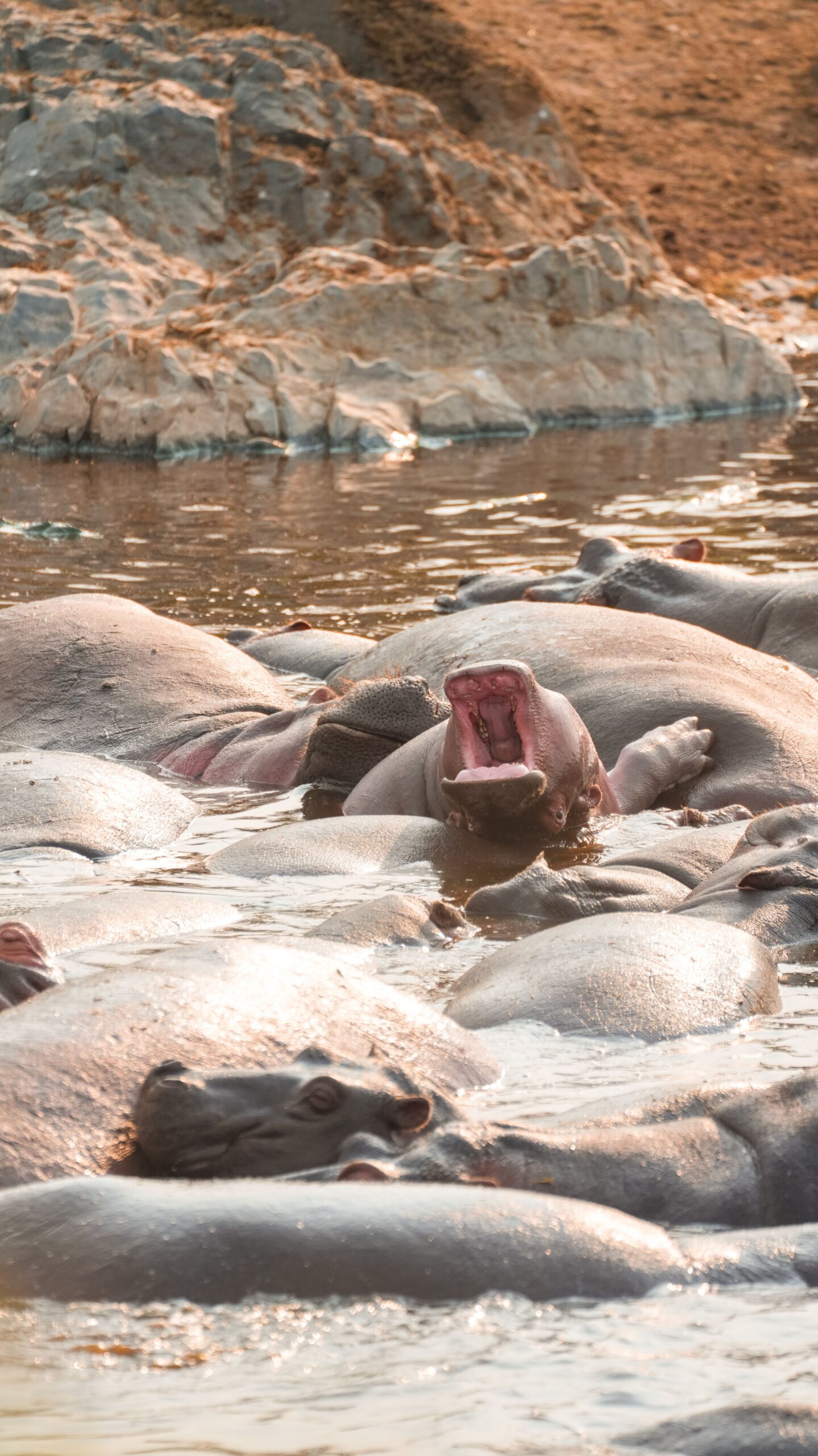
The lake is known for its hippos, which can be seen from a boat in the shallows, often grunting and surfacing near the papyrus. More than 400 bird species have been recorded, including fish eagles, pelicans, kingfishers, cormorants and herons, and the shoreline acacia woodland is home to giraffe, buffalo, waterbuck, zebra and monkeys.
Crescent Island, a crescent-shaped game sanctuary on the lake, allows walking among giraffe, zebra and antelope, with no big predators. Boat trips to the island and around the lake are the best way to see birds and hippos at close range. Please keep your distance from hippos, which are dangerous, and listen to your boatman.
The Njorowa Gorge was once the outlet of the ancient lake and now forms the entrance to Hell's Gate National Park, just south of the lake. It is one of the few Kenyan parks where you can walk and cycle among wildlife, with cliffs, rock towers, hot springs and views across the Rift Valley. Giraffe, zebra, buffalo and antelope graze on the grass, and raptors nest on the cliffs. Many visitors combine a morning on the lake with an afternoon at Hell's Gate. See our Hell's Gate guide.
Two smaller lakes lie close by. Lake Oloidien, is a smaller, saltier lake with flocks of flamingos and good birdlife when conditions are right. Lake Sonachi is a small crater lake known for its quiet setting. Both can be visited on a half-day excursion with a guide, and are particularly interesting for birdwatchers and photographers.
The lake has long been a place where people settled, farmed and grazed their animals. In the colonial period, European settlers farmed the surrounding land, and the author and conservationist Joy Adamson lived on the shores in the mid-1960s. Today the area is home to a mix of communities. Floriculture, the growing of cut flowers for export, is the main industry around the lake, alongside other kinds of farming, and the greenhouses cover large areas of the shore. The jobs they provide support many families, and it is a reminder that Naivasha is a working lake as well as a tourist destination.
Naivasha is one of the easiest places in Kenya to introduce children to wildlife. Distances are short, boat rides are exciting for young visitors, and walking among giraffe on Crescent Island is memorable at any age. Many family-friendly lodges have gardens and swimming pools. Tell us the ages of your children and we will suggest suitable activities.
Naivasha is a protected wetland of international importance, designated under the Ramsar Convention in 1995. It also faces real pressures. Unregulated irrigation takes water from the lake and its rivers, silt, sewage and farm runoff add nutrients, and the lakeside population has grown to something approaching a million people. The common carp, introduced in 2001, had come to make up the majority of the fish catch within a decade. Water levels continue to rise and fall with the climate.
Visitors can help by choosing lodges that manage water and waste carefully, by taking part in guided rather than free-roaming activities and by respecting wildlife rules.
Naivasha is about 90 kilometres from Nairobi, roughly one and a half to two hours by road, so it is an easy first or last night of a safari. It fits naturally on the road to Nakuru, the Aberdares or the Mara. Allow a full day to see the lake, Crescent Island and Hell's Gate, or two nights if you would like a slower pace.
The drier months, from about June to October and December to March, are best for outdoor activities. Mornings are cool, so bring a fleece, and pack a hat, sunscreen, binoculars and comfortable walking shoes. If you cycle at Hell's Gate, bring water and start early.
Naivasha pairs naturally with Hell's Gate for a day of walking and with Lake Nakuru National Park for rhinos and flamingo habitat. From there you can continue to the Maasai Mara, Lake Bogoria or Lake Baringo.
A common pattern is Nairobi to Naivasha on day one, a morning boat ride and Hell's Gate in the afternoon, then on to the Mara the next day. If you are on a budget, see our guide to saving on a Kenya safari.
Information was compared across sources. Water levels and wildlife vary, so please confirm details with us when you book.
Yes, especially as a short break from Nairobi. You can see hippos, birds and walk among giraffe and zebra within a day, and it combines well with Hell's Gate and Lake Nakuru.
About 90 km, which usually takes 1.5 to 2 hours by road depending on traffic.
No. Hippos and crocodiles live in the lake and swimming is not safe. Boat rides are the right way to enjoy the water.
One night is enough to do a boat ride, Crescent Island and Hell's Gate. Add a second night if you want a slower pace, cycling or a visit to Crater Lake.
Hippo, giraffe, zebra, waterbuck, impala, wildebeest, colobus monkeys, baboons and a large variety of birds including fish eagle, pelicans and kingfishers.
Lake Nakuru is a game-drive national park with rhinos; Lake Naivasha is a freshwater lake for hippo boat rides, walks…
A guide to Lake Naivasha and Hell's Gate National Park: boat rides, Crescent Island walks, cycling among wildlife and how…
A quiet soda lake with flamingos and giraffes. Here is how to visit Lake Elementaita.