Gorilla Trekking in Uganda: A Complete Guide to the Trek, Rules and Bwindi Sectors
What a gorilla trekking day in Uganda looks like: briefing, hike, the one hour with the family, fitness, rules and…
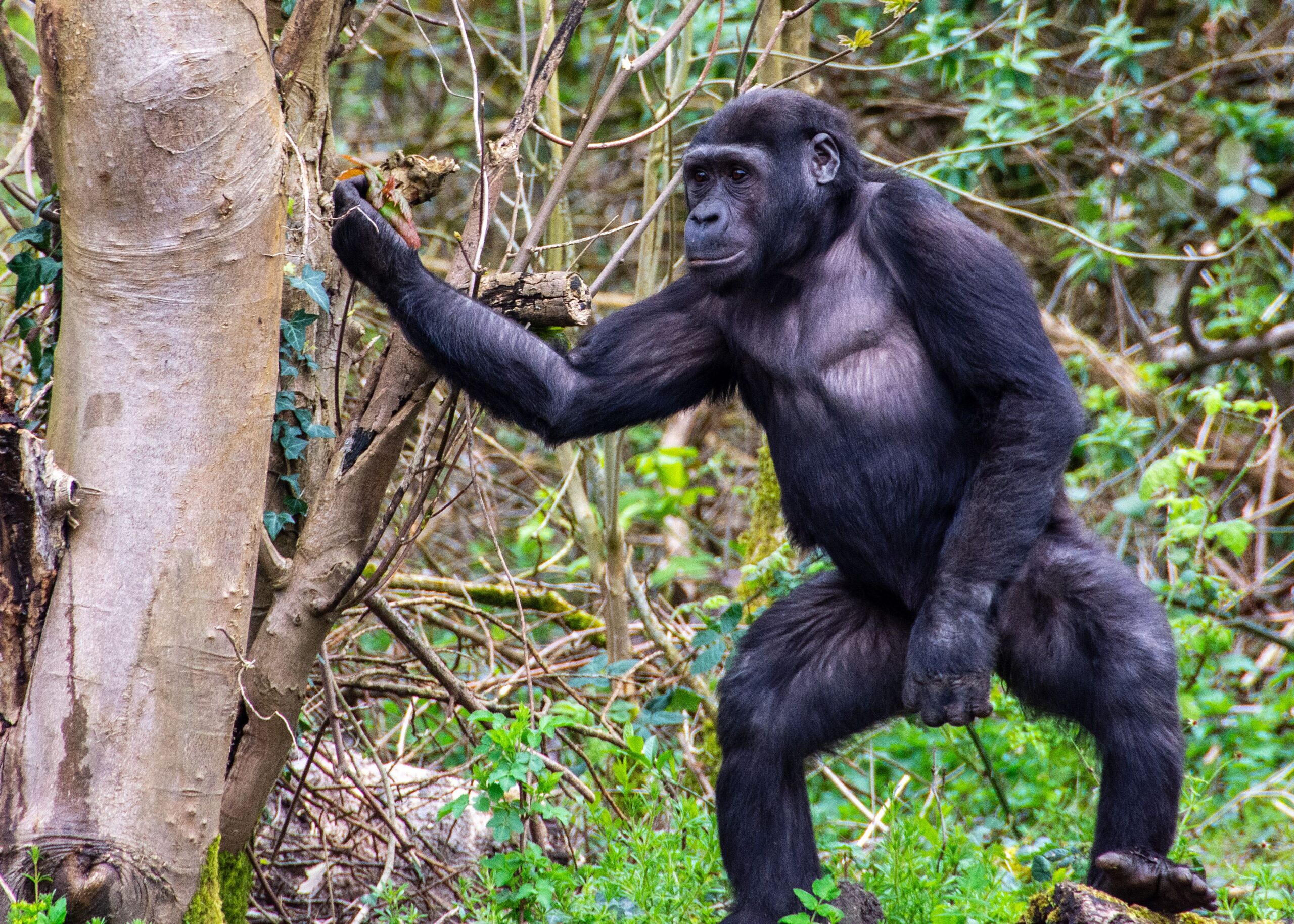
Bwindi Impenetrable National Park is a mist-covered rainforest in south-west Uganda, and one of the most important homes of the endangered mountain gorilla. It is a UNESCO World Heritage site and shelters roughly half of the world's remaining mountain gorillas. Trekking to spend an hour with a habituated gorilla family is among the great wildlife experiences on Earth.
Here is how gorilla trekking works, which sector to choose and how to plan the trip from Kenya.
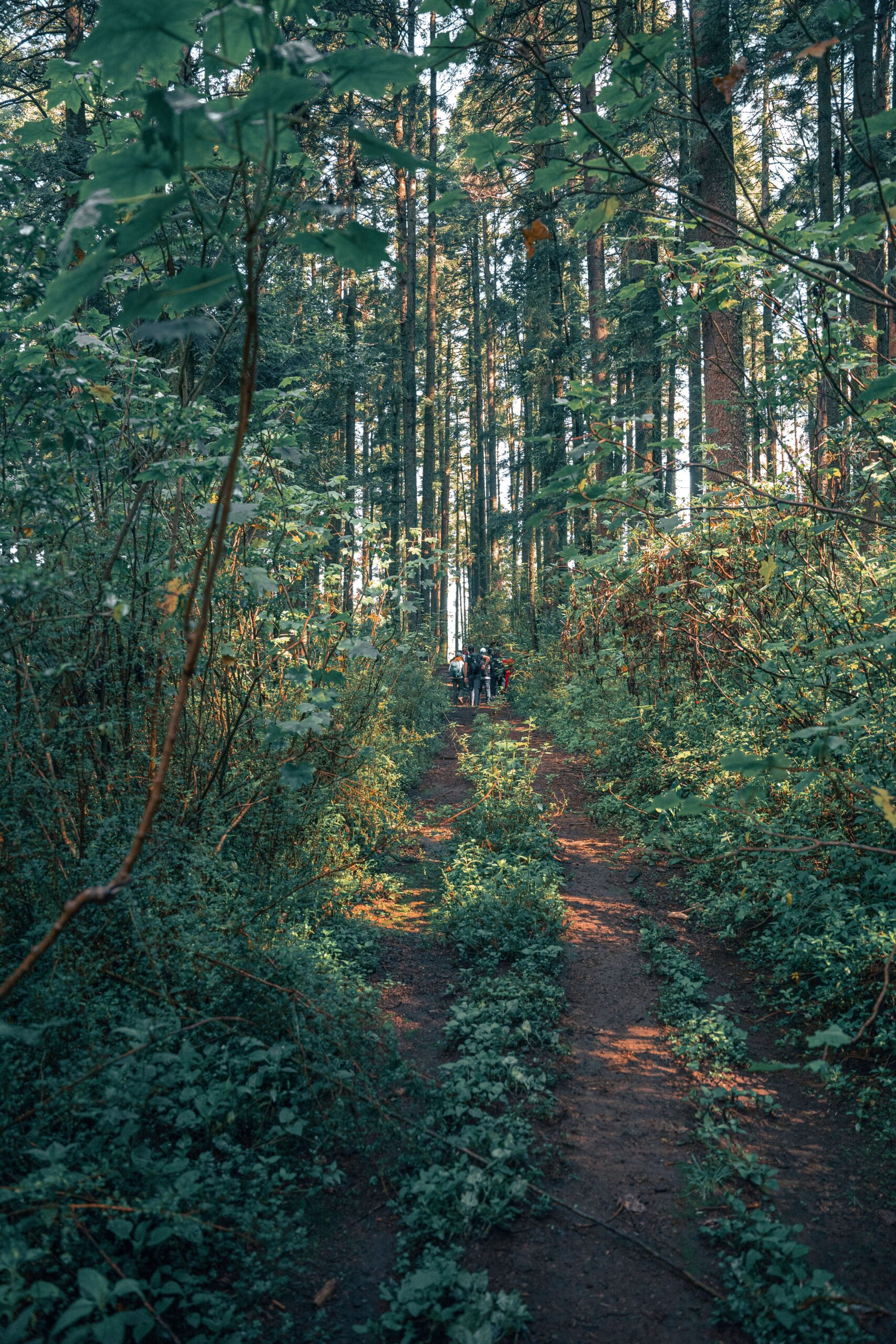
Bwindi is an ancient forest of steep ridges, tree ferns, giant trees and deep valleys. The name reflects how dense it is. Mountain gorillas live here in family groups led by a silverback, and the park's conservation work has helped their numbers recover slowly.
Our Uganda trips focus on gorilla trekking. We keep the programme small and well organised: the permit, transfers, accommodation near your trailhead and a local guide.
Each trekker needs a gorilla permit issued by the Uganda Wildlife Authority for a specific date and sector. Permits sell out in peak months, so book early.
Trekking starts with a briefing at the park office, where rangers assign you to a gorilla family and explain the rules.
Trackers follow the gorillas' trail. The trek can take one to several hours depending on where the family has moved. Porters are available to carry bags and help on steep slopes.
Once you find the group, you can spend one hour with them, keeping a distance of at least seven metres. A maximum of eight visitors are allowed per group per day.
Minimum age is 15. You cannot trek if you are unwell with a contagious illness. No flash photography, and no eating near the gorillas.
The original and best-known sector in the north, with several gorilla families and easier access to the park centre.
In the east, with forested ridges, good birding and a quieter feel.
In the south, with the largest number of habituated families.
Steep hills and dramatic views in the south-west, with a challenging trek.
Fly from Nairobi to Entebbe in about 1.5 hours. From there you can drive or take a domestic flight.
Entebbe or Kampala to Bwindi takes about 8 to 10 hours, depending on the sector.
Domestic flights from Entebbe or Kajjansi to Kihihi or Kisoro airstrips save most of the drive.
Bwindi Impenetrable National Park is a mountain rainforest in the far south-west of Uganda, close to the borders with Rwanda and the Democratic Republic of the Congo. The land rises from roughly 1,190 metres to more than 2,600 metres, and the steep, folded hills are covered in dense forest that justifies the park's name. Most of the park lies above 2,000 metres, which is why mornings are cool and clouds often settle in the valleys.
The forest is protected for more than its gorillas. Published figures describe about 120 mammal species, ten of them primates, more than 350 bird species, hundreds of kinds of butterfly, more than 200 tree species and over 100 kinds of fern. Among the primates are chimpanzees, black-and-white colobus and several guenons, and forest elephants and duikers move quietly through the undergrowth. Bird-watchers come for the Albertine Rift endemics, species found nowhere else but this part of Africa. Exact counts differ between sources, so treat these as the order of magnitude rather than a precise tally.
The forest was recognised as a UNESCO World Heritage site in 1994 for its biodiversity and for the mountain gorillas that live in it.
The mountain gorilla is listed as Endangered. Only two populations survive: one in the Virunga volcanoes, which Uganda shares with Rwanda and the Democratic Republic of the Congo, and one in Bwindi. A census in 2018 counted about 459 gorillas in Bwindi, in dozens of social groups, and the world total is generally estimated at a little over a thousand animals. Their numbers have been rising slowly, which is one of the most encouraging conservation stories in Africa.
Gorillas live in family groups led by a mature male known as the silverback, named for the silver hair across his back. A group also includes adult females, younger males called blackbacks, and infants. Groups are typically around ten animals, though size varies. They eat mostly leaves, shoots and stems, and they spend much of the day feeding, resting and playing. Because they are so close to us genetically, they can catch human illnesses, which is why the rules below exist.
Some gorilla families have been habituated, which means they have been slowly and patiently accustomed to the presence of people over a period of years. Only habituated groups can be visited, and visits are limited to protect them. Tourism income also helps pay for rangers, trackers and veterinary care, so a permit is part of how the gorillas are looked after.
These rules are set by the Uganda Wildlife Authority, and your ranger guide enforces them on the day. They can change, so we confirm the current rules with you before departure.
Some sectors also offer a longer Gorilla Habituation Experience, where visitors accompany researchers and trackers with a group that is still being habituated and can stay with them for longer than the standard hour. Ask us if you want this option, as availability is limited.
Bwindi is surrounded by some of the most densely farmed land in Uganda. Most families nearby depend on small farms for their living, which puts pressure on the forest edge. The Batwa people, who traditionally lived in and from the forest, were asked to leave when the park was created in 1991, and their loss of access to ancestral land remains a serious and unresolved issue.
Today many communities benefit from the park through guiding, portering, lodge work, craft sales and local enterprise projects. Optional cultural experiences with Batwa hosts are offered in the area. If you want to include one, we can arrange it through hosts we know, and we encourage you to listen with respect and to buy crafts directly from the makers. Hiring a local porter is another simple way to share the benefit, and it also helps you manage the steep, muddy ground.
A gorilla trek can take between about one hour and half a day, depending on where the family spent the night. The terrain is steep and often wet, with slippery slopes and thick undergrowth, and you walk at altitude. You do not need to be an athlete, but you should be able to walk uphill for a few hours at a steady pace. Tell us in advance about any health concern or mobility limit so we can place you in the sector and group that suit you best.
The park receives roughly 1,400 to 1,900 mm of rain a year, and rain is possible at any time because it is a rainforest. The wettest months are usually around March to April and September to November. Even in the drier months expect mud, so bring waterproof boots and a rain jacket. Porters are available at a modest fee, and they carry your daypack and give you a hand on difficult sections. Many guests tell us the effort makes the hour with the gorillas feel even more special.
Parts of the forest were protected as forest reserves in the 1930s. In the 1960s the area became a game sanctuary, and in 1991 it was declared a national park. Gorilla tracking for visitors began in 1993, and in 1994 the park received World Heritage status. Since then the gorilla population has grown, and the park has become one of the best-known places in the world to see mountain gorillas in the wild.
This history is a reminder that protection depends on people. The park is managed by the Uganda Wildlife Authority, with support from conservation charities, research groups and local communities. Each visitor who treks responsibly contributes to that effort.
Considering other gorilla options? Read Uganda vs Rwanda gorilla trekking before you decide.
Pack waterproof hiking boots, long trousers and sleeves, gaiters, gloves, a light rain jacket and insect repellent. A hat and a small daypack are useful. You can add a Kenya safari before or after your gorilla trek; for more ideas see our Kenya safaris.
Figures were checked against more than one source. Where sources disagree, for example on the exact park area or the number of gorilla families, we avoid a precise figure. Rules and permit prices change, so please confirm them with us before booking.
Permit prices are set by the Uganda Wildlife Authority and can change, so we confirm the current price when you enquire.
It can be demanding, with steep, muddy trails at altitude. Porters help carry bags, and treks last from one hour to several.
You must be at least 15 years old to trek.
One hour once you reach the group.
Our Uganda programme focuses on gorilla trekking.
What a gorilla trekking day in Uganda looks like: briefing, hike, the one hour with the family, fitness, rules and…
Uganda or Rwanda for mountain gorillas? A plain comparison of permit prices, difficulty, travel time and how each fits with…
A Kenya and Uganda safari pairs savannah game with gorilla and chimp trekking. See routes, flights, visa tips, timing and…