This is a question we take seriously rather than treat as an afterthought: can you actually do a proper safari if you use a wheelchair, have limited mobility, or have other access needs? The short answer is yes, more often than people assume — but it depends on specifics that are worth working through honestly rather than glossing over.
Is an African Safari Actually Accessible for Wheelchair Users and Mobility-Limited Travelers?
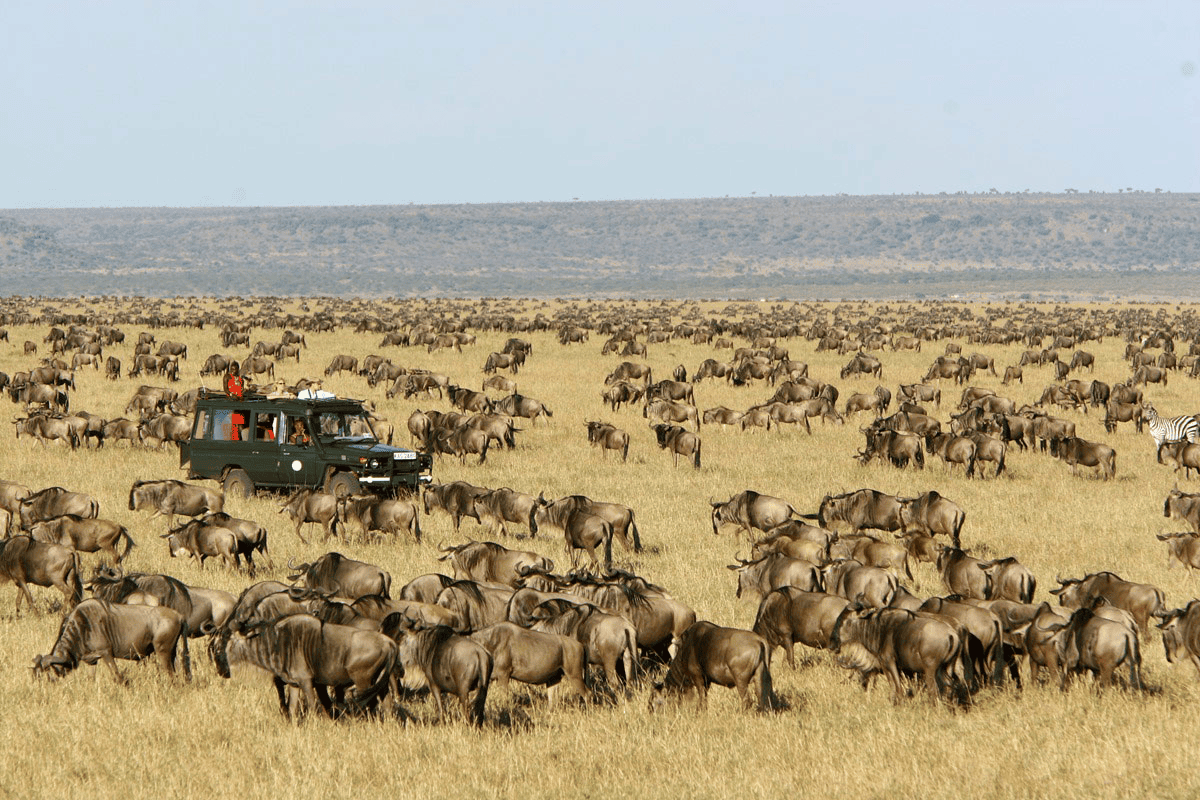
More than you’d think, largely because of how a safari actually works. As the independent accessible-travel resource Travel with a Challenge points out, game drives are inherently sedentary — you’re seated in a vehicle for the whole activity, which suits limited mobility far better than the hiking-based tourism most accessibility conversations default to. That’s a genuinely different starting point than trekking or standing tours, and it’s why safari travel has become one of the more realistic adventure-travel options for people who use wheelchairs or have significant mobility limitations.
What Makes a Safari Vehicle Actually Accessible?
The honest answer is that it varies a lot, and this is the detail worth nailing down before you book rather than after. Standard safari vehicles require climbing up into a raised 4×4, which isn’t workable for many wheelchair users or people with limited transfer ability. Properly adapted vehicles exist — with hydraulic lifts or ramps that allow a wheelchair to roll straight in — but they aren’t standard fleet across every operator, and availability varies by region and vehicle age. If this matters for your trip, ask specifically whether the vehicle has a lift or ramp, not just whether the operator “does accessible safaris” in general terms.
Are Kenya’s Park Fees Changing for Visitors With Disabilities?
Possibly, and this is genuinely new. Kenya Wildlife Service has proposed free park entry for persons with disabilities, alongside Kenyan citizens aged 70+, children under five, and registered tourism workers, as part of draft fee regulations reviewed at a stakeholder forum in Nairobi in September 2025 (Eastleigh Voice). As of this writing, it’s still a proposal without a confirmed implementation date, and eligibility would likely require documentation like a disability card, so don’t plan around it yet — but it’s worth asking your operator to confirm before you travel, since regulations like this can move quickly once approved.
Planning a trip and want us to confirm current accessibility details and any fee changes before you book? Tell us your specific needs and we’ll check rather than guess.
What About Lodges and Camps — Are They Accessible Too?
This varies enormously property to property, which is exactly why “accessible” isn’t a single yes-or-no label. A lodge that works well for a strong paraplegic traveler might not work at all for a quadriplegic powerchair user, and vice versa — ramps, room layout, bathroom fittings, and distances between rooms and communal areas all matter individually. Beyond the main game drive, many lodges also offer waterhole viewing decks or boat-based game viewing, which can be a genuinely more accessible way to see wildlife than a bumpy vehicle track, depending on your needs.
What if Your Access Needs Aren’t About Mobility?
Mobility is what most accessibility conversations default to, but it isn’t the only consideration. Long game drives mean hours of engine noise, heat, and dust, which is worth planning around for travelers with sensory sensitivities — shorter, more frequent drives with breaks can work better than one long outing. If you manage a chronic health condition, remoteness is the practical factor to plan for: many camps are hours from the nearest hospital, so knowing evacuation and medical support arrangements in advance matters more here than on a typical city trip.
How Should You Actually Plan This With an Operator?
Be specific rather than general. “I use a wheelchair and need a vehicle with a roll-in ramp, a ground-floor room with a roll-in shower, and no more than a 20-minute transfer between activities” gets you a useful answer. “Do you do accessible safaris?” usually doesn’t, because it invites a vague yes without checking whether your actual needs are met. We’d always rather have that detailed conversation up front than have you discover a mismatch on arrival.
So Is a Safari Realistic for You?
For most mobility, sensory, and chronic health needs, yes — with the right vehicle, the right camp, and an operator willing to have a specific conversation rather than a generic reassurance. The safaris that go wrong are the ones where “accessible” was assumed rather than confirmed in writing beforehand.
Frequently Asked Questions
Can wheelchair users go on a proper game drive, not just watch from a lodge? Yes, with a vehicle that has a hydraulic lift or ramp — this isn’t universal across every fleet, so it needs confirming with your specific operator rather than assumed.
Is it free for people with disabilities to enter Kenya’s national parks? Not yet — Kenya Wildlife Service has proposed this as part of draft 2025 fee regulations, but it isn’t confirmed policy as of this writing. Worth asking your operator to check before you travel.
What should I tell my safari operator about my access needs? Be as specific as possible — the type of mobility equipment you use, transfer ability, any sensory sensitivities, and what a “workable” day actually looks like for you, rather than a general description.
Are safari lodges wheelchair accessible? It varies significantly by property — ramps, room layout, and bathroom fittings differ enormously, so a lodge needs to be assessed against your specific needs rather than a blanket “accessible” label.
Is a safari safe for someone with a chronic medical condition? Often yes, but remoteness is the real factor to plan for — many camps are hours from the nearest hospital, so understanding evacuation and medical support arrangements matters more than on most trips.
Written by Francis. Have specific access needs you’d like us to plan around? Get in touch and tell us exactly what you need, or reach us directly on WhatsApp.