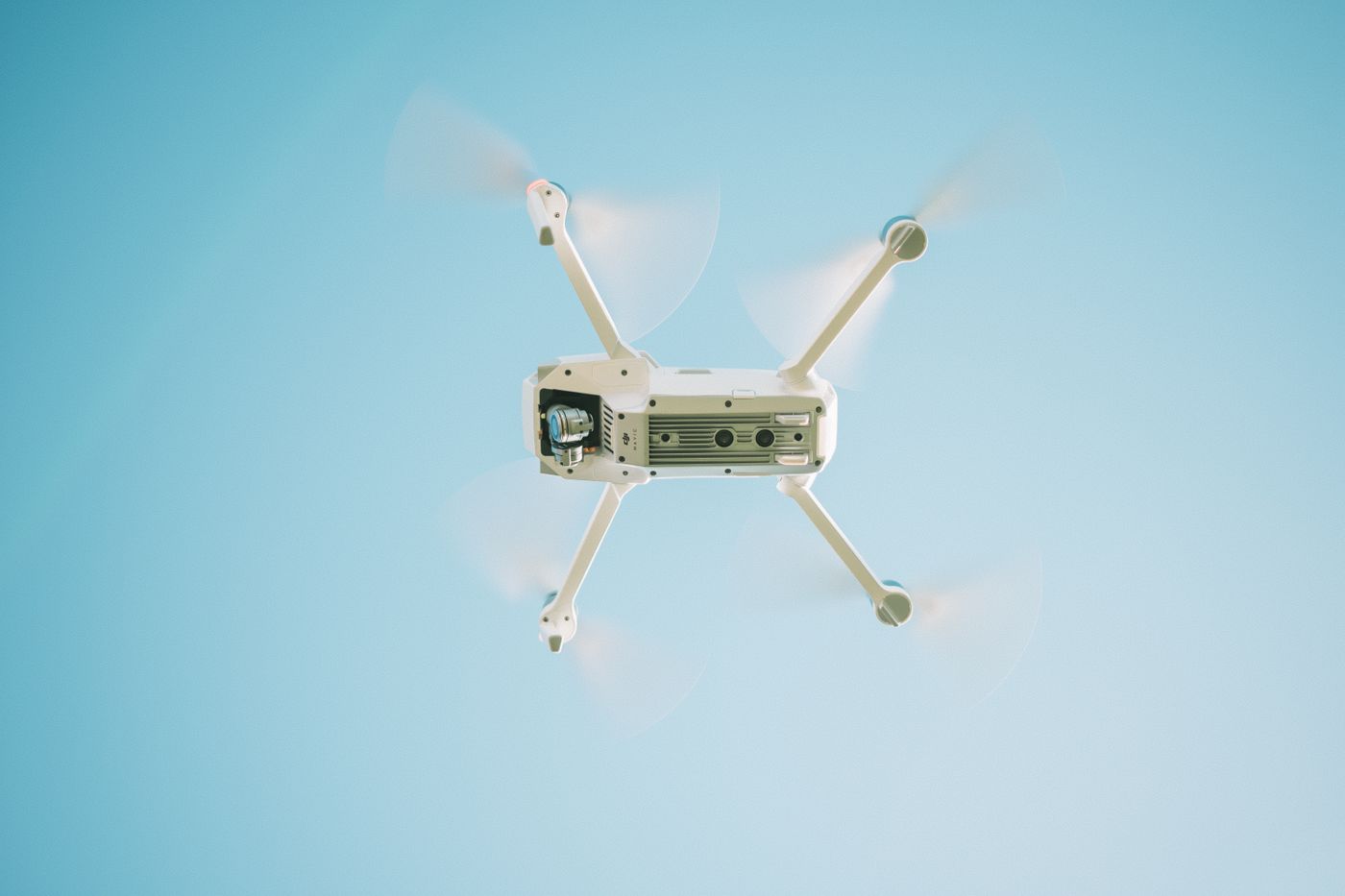
A drone looks like an easy addition to a safari packing list. In Kenya it is not. Drones are regulated by the Kenya Civil Aviation Authority (KCAA), and the rules apply to visitors as well as residents. This guide explains the main points. It is not legal advice, so always confirm current requirements with KCAA before you travel.
What the rules require
Under the Civil Aviation (Unmanned Aircraft Systems) Regulations of 2020, as summarised by the law firm DLA Piper Africa:
- Anyone who wants to operate a drone needs authorisation from KCAA.
- All drones must be registered with KCAA, whether used privately or commercially.
- Importing a drone or its components needs an import permit from KCAA.
- Foreign operators who plan short-term activity can apply for a temporary permit, valid for up to 30 days.
- Insurance is required unless KCAA waives it for the drone’s risk category.
- You need written consent before filming a person or their property.
Flying limits for low-risk drones
For low-risk drones of up to 25 kilograms, the regulations require flying within visual line of sight, no higher than 400 feet above the ground and at least 50 metres from people, buildings or objects not involved in the flight.
What changed in 2026
In 2026 the Kenya Civil Aviation Authority announced that revised Kenya Civil Aviation Regulations had been published in the Kenya Gazette, and news coverage of the announcement lists unmanned aircraft systems (drones) among the areas covered. KCAA says licences, certificates and approvals issued before the new rules stay valid until they expire or KCAA changes or cancels them. We have not been able to read the full 2026 text for drones, so the details above come from the 2020 regulations and may have changed.
Penalties
The 2020 regulations provided for fines and imprisonment. We have not quoted amounts because the 2026 revision may change them. Ask KCAA for the current position before you fly or import a drone.
National parks and reserves
Treat national parks, reserves and private conservancies as no-fly areas unless the managing authority has given written approval. Hotels and lodges also need to give their own permission, and that does not replace aviation authorisation. Drones can disturb wildlife and other guests, which is one reason the rules are strict. See safari etiquette and Maasai Mara rules.
Our advice
For most visitors the simplest choice is to leave the drone at home. A good camera and a patient guide will get you closer to the wildlife than a drone is allowed to. Read safari camera gear and safari photography tips for what works.
If you are planning professional filming, tell us early and check the permissions with KCAA and the land manager yourself.
Frequently asked questions
Can tourists fly drones in Kenya?
Only with the right approvals. Drones must be registered and authorised by KCAA, and importing one needs a KCAA permit.
Can I fly a drone in a national park?
Treat parks and reserves as no-fly areas unless the managing authority gives written approval.
Is a small drone exempt?
Do not assume so. Confirm with KCAA before you travel.
What are the penalties?
Fines and imprisonment are possible under the 2020 regulations, and the 2026 revision may change them. Ask KCAA for the current position.
Want help planning? Talk to our team and tell us your dates, who is travelling and what you would like to see.
Facts checked on 5 November 2026 from DLA Piper Africa’s summary of the 2020 regulations (published May 2020), the Kenya Civil Aviation Authority’s notice of revised regulations and People Daily’s report of 9 April 2026. KCAA’s notice and the news report give different counts of the revised regulations (36 and 29), so we have not stated a number. Confirm current drone rules with KCAA directly.