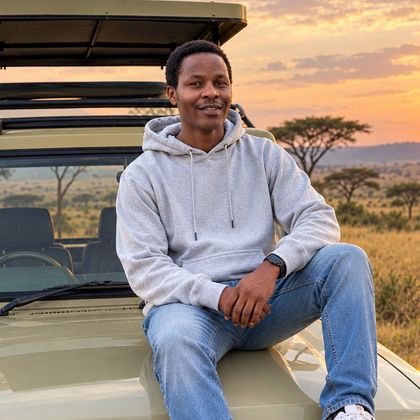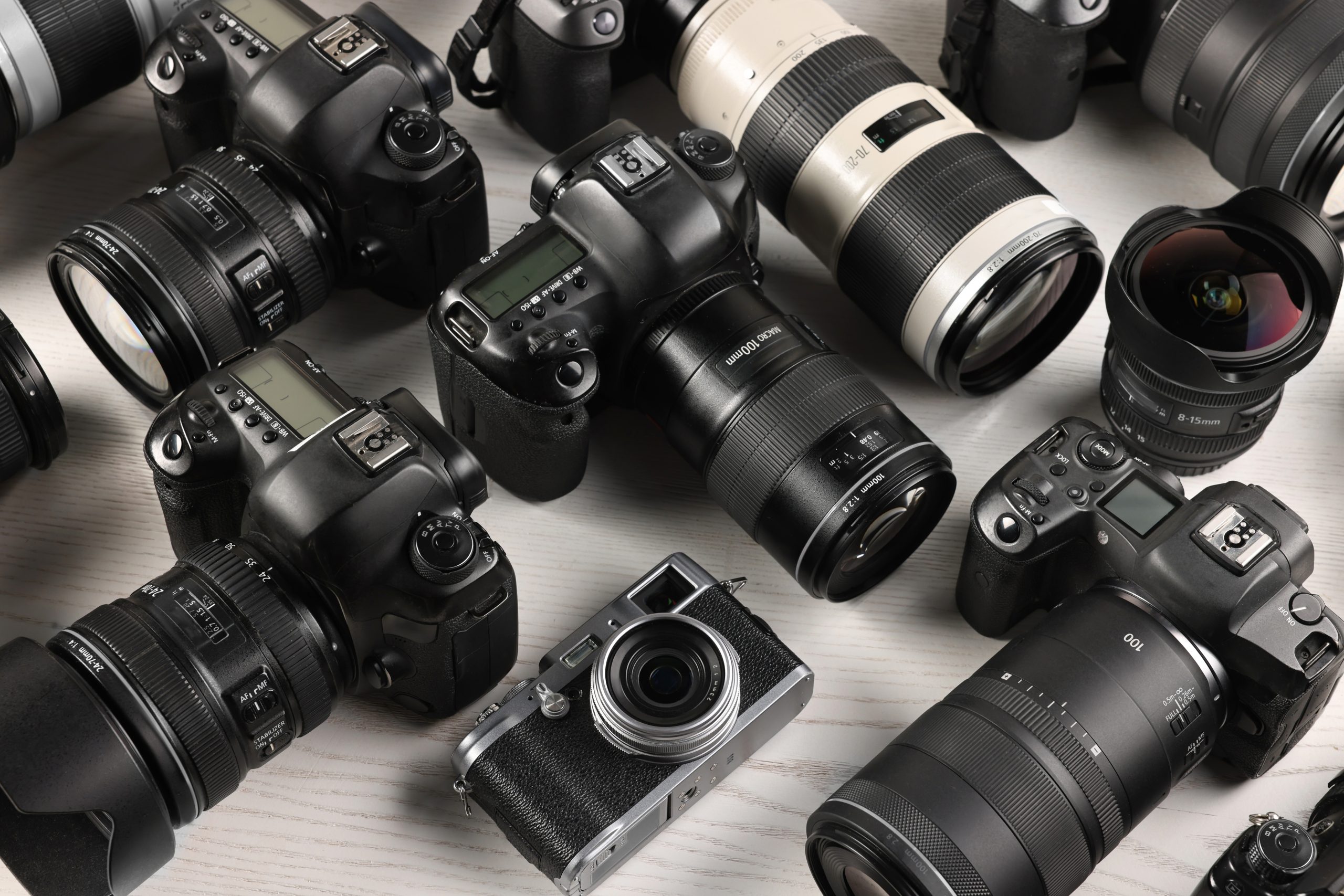
You do not need a bag full of expensive gear to come home with good safari photographs. You need the right reach, a steady rest, spare power and a little protection from dust. Here is a practical kit list.
Lenses
- A telephoto zoom in the 100-400 mm or 200-600 mm range is the workhorse, because animals are often further away than you expect.
- A shorter zoom such as 24-105 mm or 70-200 mm for animals close to the vehicle, people and scenery.
- A wide lens for landscapes and sunsets, if you have one.
Why the reach matters: in the Maasai Mara National Reserve, off-road driving is prohibited and visitors should not crowd or encircle predators, so you often shoot from the track at a distance. Our guides know the rules and will position the vehicle where they can.
A steady rest
A tripod is awkward in a vehicle. A small bean bag on the window frame or the edge of the pop-up roof is far more useful, and you can fill it at your destination. Ask your guide to switch off the engine when you shoot, because engine vibration blurs long lenses.
Power and storage
- Bring at least two batteries and charge them whenever you can. Our Kenya electricity and charging guide explains plugs and charging on safari.
- Carry two or more memory cards and copy your photos every evening if you can.
- Pack a small power bank for your phone.
Dust and weather
Bring a sealable bag or rain cover, a lens cloth and a blower brush. Change lenses inside the vehicle as little as you can, and never in a dusty wind.
Binoculars and your phone
Binoculars are worth bringing, even if you are a photographer. They help you scan for animals and enjoy the sighting without a camera in front of your face. Modern phones take good scenic and close-up pictures, so bring yours.
What to leave at home
Leave heavy extras. If you fly in a light aircraft, cameras count toward the 15 kg allowance on most Safarilink routes, so every lens has a cost. See our flights and baggage guide. Drones are tightly restricted in Kenya and flying one without permission can bring trouble, so leave yours at home unless you have checked the rules and have the permits.
More photography help
Our safari photography tips cover light, composition and animal behaviour. Pair them with our travel checklist.
Frequently asked questions
What lens do I need for a Kenya safari?
A telephoto zoom in the 100-400 mm or 200-600 mm range covers most situations, with a shorter zoom for close sightings.
Should I bring a tripod?
A bean bag on the window frame or roof edge is usually more practical in a safari vehicle.
Can I charge my camera on safari?
Often yes, at camps and sometimes in the vehicle. Bring spare batteries and check our charging guide.
Can I fly a drone in Kenya?
Drones are tightly restricted. Do not fly one without checking the rules and having permission.
Is my phone good enough?
For scenery and close sightings, yes. For distant animals, a telephoto lens makes a large difference.
Want help planning? Talk to our team and tell us your dates, who is travelling and what you would like to see.
Maasai Mara conduct rules checked on 5 November 2026 on the reserve’s rules page; baggage on Safarilink. Equipment advice is general and based on common practice.